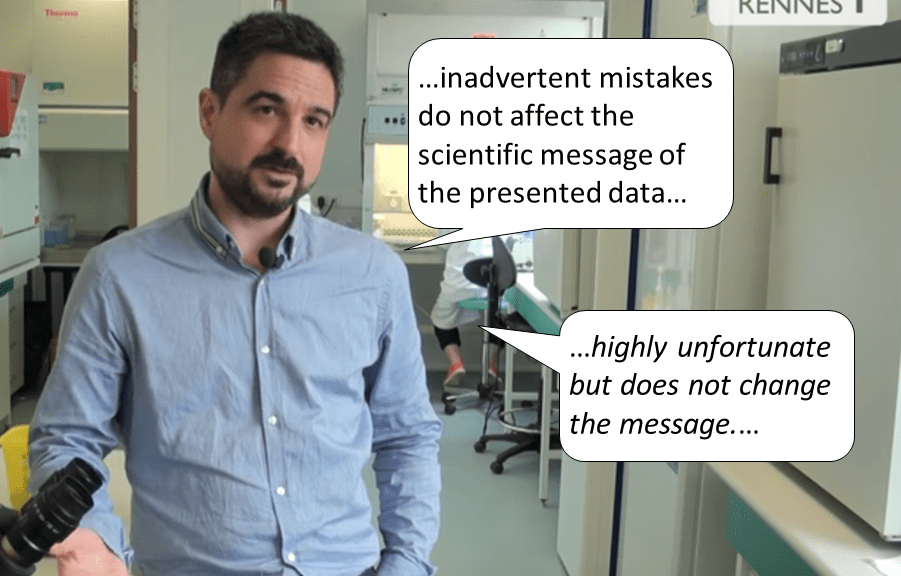
Patrick Legembre, the self-investigator
French cancer researcher Patrick Legembre works on cell death, but his datasets come alive as zombies of varying cell types. So Legembre investigates!
By Leonid Schneider, on research integrity, biomedical ethics and academic publishing
French cancer researcher Patrick Legembre works on cell death, but his datasets come alive as zombies of varying cell types. So Legembre investigates!
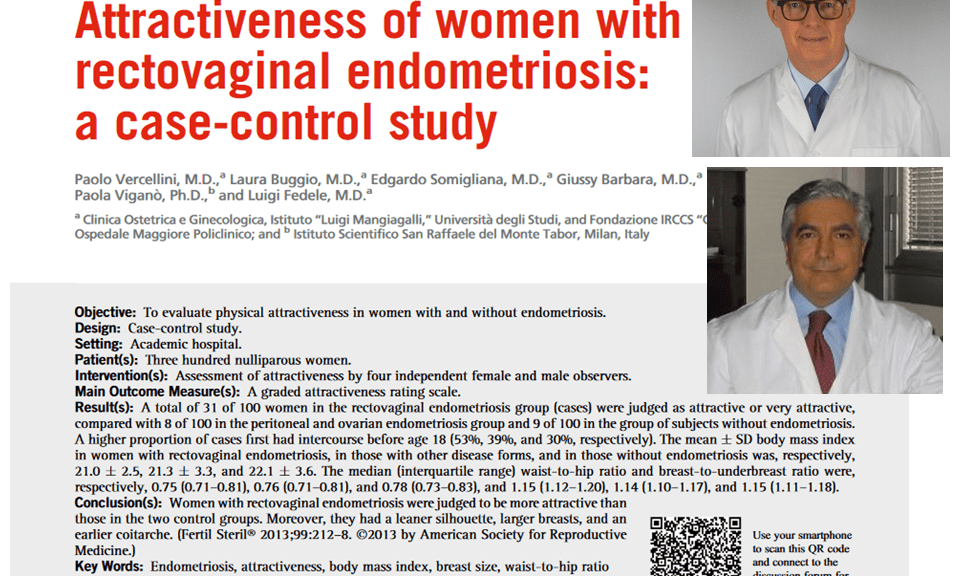
Two old gynaecology professors in Milan decided to racially profile, then rate their misinformed young patients for sexual attractiveness. Their even published this as an evo-psych study in a respected society journal.

The University of Manchester found out that someone has secretly manipulated data in the papers of their star cancer researcher, Richard Marais. Who might that be?
A UCLA dentistry student writes in a leaked letter: ” I was having disagreements with my research mentor, and thought that Dr. Tetradis could help. Instead, he distorted the issues to attack my mentor, and sexually harassed me. When I filed the Title IX complaint, his powerful colleagues discouraged me from filing.”
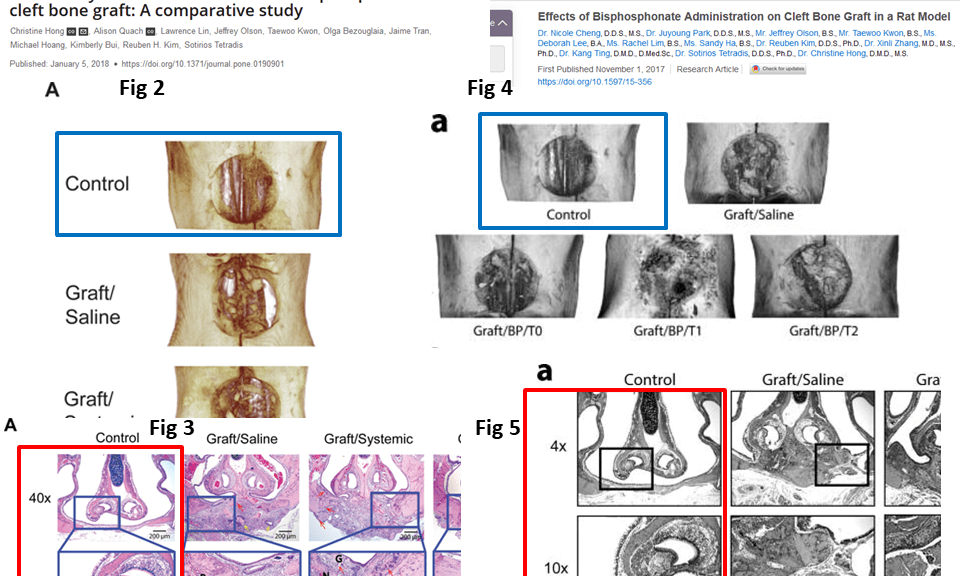
Dentistry professors at UCLA published manipulated data in top-level journals. When a colleague reported them, the university retaliated against the whistleblower.
The fraud case of Bristol cell biologist Abderrahmane Kaidi looked rather straightforward: Bristol University caught a group leader on data faking and bullying, and immediately had him removed. Turns out, it was not really like that.
Now I publish some very revealing leaked material, spiced with stories of a guerrilla Twitter account and a deleted student newspaper article.
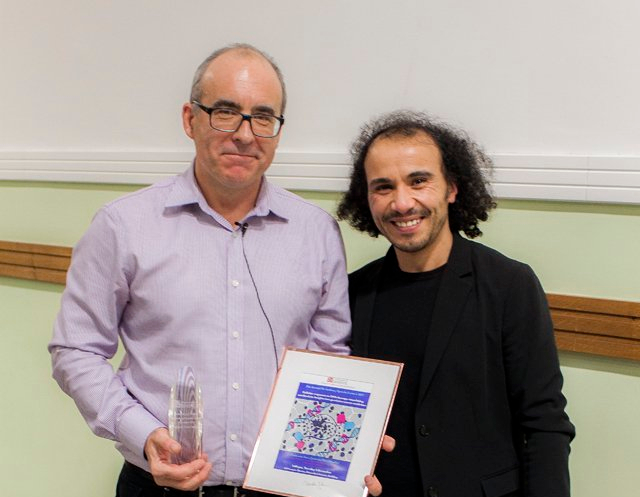
University of Bristol mysteriously lost its senior lecturer, Abderrahmane Kaidi. His institutional website was wiped out in August 2018. I obtained an internal email which lifts the mystery: Kaidi was namely found guilty of “having fabricated research data”, and resigned with “immediate effect”. Affected by research misconduct are also publications from Kaidi’s postdoc period with Stephen Jackson in Cambridge.

 For Better Science