
Germans are traditionally fascinated with Italy. Like Goethe before him, Fabian Wittmers is no exception, so please enjoy our trip to the deep south of Italy where you will meet an undignified old man named Sebastiano Andò, an emeritus professor of pathology with a pathological proficiency in fake science.
As anthropologists report again and again, universities in southern Italy retain their feudal, or rather mafia character. Entire families usurp all available academic jobs, simply because it’s public service – meaning that while salaries are good and working hours short to non-existent, while there are no requirements for any real skills or proper qualifications, only for the right family ties and absolute loyalty to the clan.
Professor Andò is now in his late 70ies. He studied medicine at University of Catania, finished his medical training in 1987 and became professor at his alma mater in 1990; a couple of years later he was already head of department(s) and in charge of undergraduate education. Quite many doctors and professors in Catania and surroundings must owe their careers to Ando.
Therefore, notifying Andò’s University of Calabria is totally pointless, but I tried nevertheless and of course only got silence back. They will probably sue us for defamation now, but For Better Science is already blocked in Italy because another Italian university complained, read here:
Italian Prosecutor orders seizure of Gabrio Bassotti reporting
“…request for preventive seizure made on 12.4.2024 by the Public Prosecutor in charge, concerning the article under indictment, still accessible on the website called forbetterscience.com, although it appears to have been removed from the blog.repubblica.it website (referred to in the indictment)…”

With For Better Science blocked, there is of course no more research fraud in Italy. Outside of this country however, everyone can continue point fingers and laugh. As for Calabria, I personally struggle to respect any university which has a “Delegate for International Relations with Russia“. Today, in late 2025.

Andò left behind a rich legacy at the University of Calabria, not just regarding his fraudulent cancer research – it is a proper academic mafia, although I am not sure about the academic bit.

Dante’s VIII’s circle of hell: Fraud
by Fabian Wittmers
Today’s post is about Sebastiano Andò, who has been mentioned previously on this blog, but mostly as a side note in association with various other problematic “scientists” over the years, for example here, with the former Rector of Karolinska Institutet, Karin Dahlman-Wright:

The Karin Dahlman-Wright Show
Karin Dahlman-Wright, Karolinska Institute’s former president, then vice-president, now rector’s counsellor was found guilty of research misconduct, again. This time in 4 papers. And then a Swedish court overturned everything and declared her innocent.
Unlike so many other stars of Italian biomedicine, our hero never got his own article, until now. Frankly I consider him a terrible person who has done incredible harm through his “research”. This article is my argument why I think that view is entirely reasonable.
Andò is a now 77 years old and Emeritus Professor of General Pathology in the Department of Pharmacy, Health and Nutrition Sciences at the Università della Calabria in Italy. His PubPeer record stands at almost 70 papers, with likely more cheating yet to be uncovered. Problematic papers by him and his group span decades, but he has not faced any repercussions for all that fake science he published during his long career.

To make matters worse, Andò has systematically undermined breast cancer research. Maybe he picked it as his speciality because as a man, he wouldn’t be impacted by his own fake science (noteworthy, Andò achieved his medical specialisation in andrology, and not gynaecology!). His bad papers go back decades, the oldest PubPeer-flagged breast cancer study was published in 1999:
Michele Salerno, Diego Sisci, Loredana Mauro, Marina A. Guvakova, Sebastiano Ando, Ewa Surmacz Insulin receptor substrate 1 is a target for the pure antiestrogen ICI 182,780 in breast cancer cells International Journal of Cancer (1999) doi: 10.1002/(sici)1097-0215(19990412)81:210.1002/(sici)1097-0215(19990412)81:2<299::aid-ijc21>3.0.co;2-8

This paper was posted in 2020 by the pseudonymous sleuth Claire Francis and swiftly addressed by a “Correction” which didn’t correct anything (highlight mine):
[…]. “The authors are unable to retrieve the original data due to the time that has elapsed; therefore, duplication of the bands in question can neither be proven nor disproven. Given that the experiments presented in this manuscript have been performed in 1998 or earlier and logistic conditions are very different now, the editors consider that a re-performance of the experiments would not be appropriate. The authors stand by the conclusions of the paper”.
I would argue that anyone with at least one eye and half a brain can tell that the blot is clearly duplicated, but the editor in charge of this Wiley journal decided otherwise. Maybe that’s because the last author is the honorary Italian Ewa Surmacz from Temple University of USA, a member of the Sbarro Pizza mafia of the Italian-native Antonio Giordano. Read about them below:
Antonio Giordano and the Sbarro Pizza Temple
“The relentless defence of duplicated, fabricated or falsified data is, per se, a form of serious misconduct…” Antonio Giordano, President of Sbarro Pizza Institute at Temple University
A terrible start, but things would only go downhill from here. After not getting caught for years for bending the rules, Andò & co got bolder, manipulating and not just duplicating western blots. Here he is with Emilio Clementi, who featured in February 2024 Shorts:
Sestina Falcone, Loredana Mauro, Giacinta De Rose , Clara Paolucci , Clara Sciorati, Sebastiano Andò, Emilio Clementi Nitric oxide regulates oestrogen-activated signalling pathways at multiple levels through cyclic GMP-dependent recruitment of insulin receptor substrate 1 The Biochemical journal (2002) doi: 10.1042/bj20020017


This was another one of more than 30 articles by Andò that Claire Francis flagged in 2017. Basically none of them have since been addressed; they remain unchanged 8 years later. Encouraged by this lack of backlash, Andò kept going and from 2004 onwards he and his team would consistently publish 4-8 fabricated studies (primarily on breast cancer) per year; year after year; for 15 years straight.
Uni Messina, money for nothing & brothers in arms
“The University of Messina was, in short, a good business that appealed to many, including organized crime on both sides of the Strait of Messina.” – Aneurus Inconstans

A comparison between one of the earlier and one of the later breast cancer studies (both flagged by Francis initially) shows that the style of manipulation remained remarkable consistent in Andò’s group throughout the years. I wouldn’t be surprised if one was given a “how to” guide when joining his lab:
Marcello Maggiolini, Adele Vivacqua, Giovanna Fasanella, Anna Grazia Recchia, Diego Sisci, Vincenzo Pezzi, Daniela Montanaro, Anna Maria Musti, Didier Picard, Sebastiano Andò The G protein-coupled receptor GPR30 mediates c-fos up-regulation by 17beta-estradiol and phytoestrogens in breast cancer cells The Journal of biological chemistry (2004) doi: 10.1074/jbc.m403588200


As you see, the breast cancer blot was reused in this study by the same team, about uterus cancer:
Adele Vivacqua , Daniela Bonofiglio , Anna Grazia Recchia , Anna Maria Musti , Didier Picard , Sebastiano Andò, Marcello Maggiolini The G protein-coupled receptor GPR30 mediates the proliferative effects induced by 17beta-estradiol and hydroxytamoxifen in endometrial cancer cells Molecular Endocrinology (2006) doi: 10.1210/me.2005-0280


That other study was about thyroid cancer, it has 11 comments on PubPeer, with many problems raised in July 2013 already. Same authors team with Marcello Maggiolini, University of Calabria professor and Top Italian Scientist, and Didier Picard, now emeritus professor at University of Geneva in Switzerland. Myself and others added things recently:
Adele Vivacqua, Daniela Bonofiglio, Lidia Albanito, Antonio Madeo, Vittoria Rago, Amalia Carpino, Anna Maria Musti, Didier Picard, Sebastiano Andò, Marcello Maggiolini 17beta-estradiol, genistein, and 4-hydroxytamoxifen induce the proliferation of thyroid cancer cells through the g protein-coupled receptor GPR30 Molecular Pharmacology (2006) doi: 10.1124/mol.106.026344
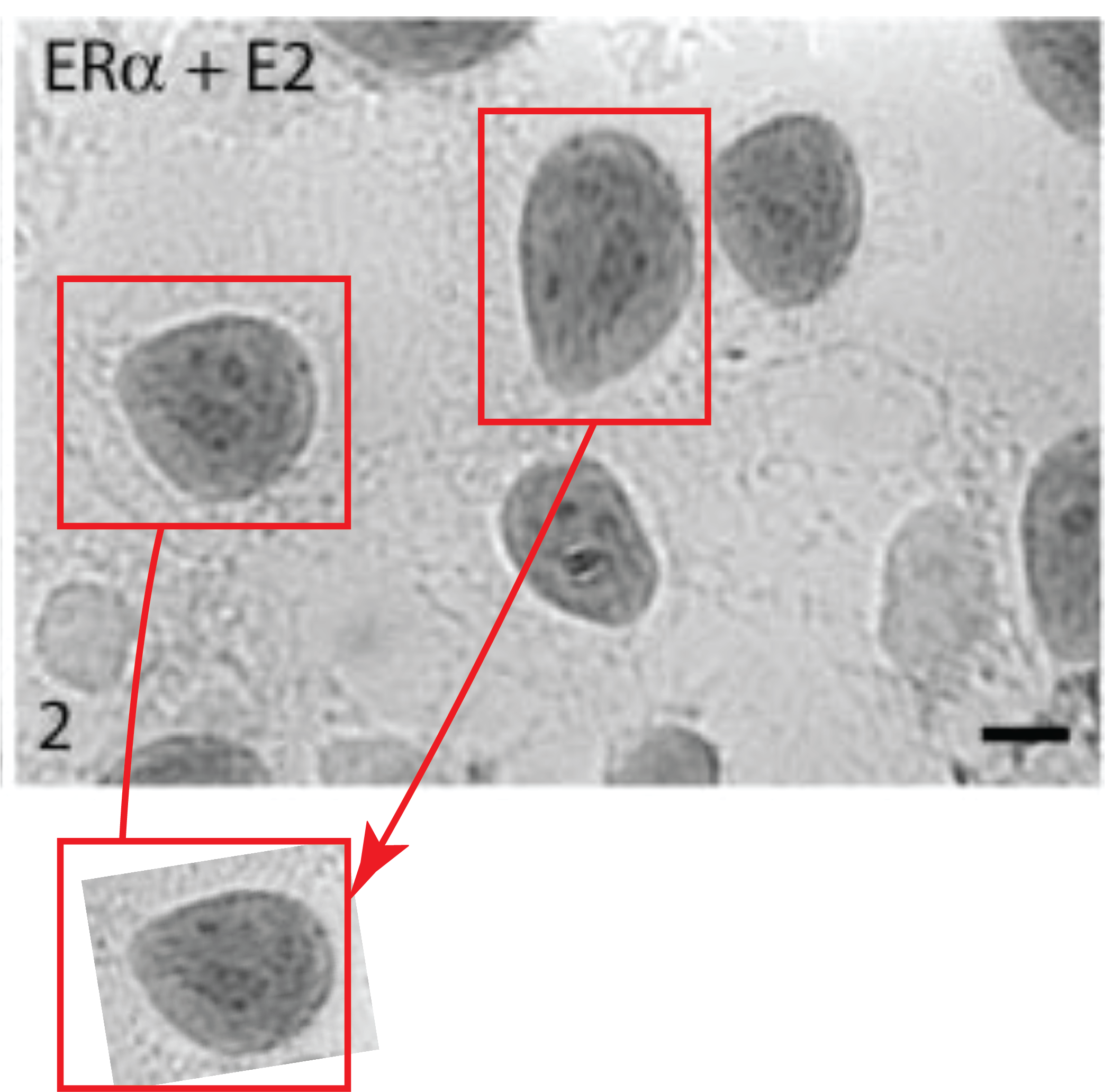
Figure 2 also contains a striking similarity (not identity, but the similarity is very unexpected):
Since being flagged in 2013, the paper has been cited 176 times. The journal has taken no action in the last 12 years:
Loredana Mauro, Michele Pellegrino, Francesca Giordano, Emilia Ricchio, Pietro Rizza, Francesca De Amicis, Stefania Catalano, Daniela Bonofiglio, Maria Luisa Panno, Sebastiano Andò Estrogen receptor-α drives adiponectin effects on cyclin D1 expression in breast cancer cells The FASEB Journal (2015) doi: 10.1096/fj.14-262808


Andò’s stream of fraudulent papers only stopped a few years ago (at least what has been found so far), when he seemingly closed down his lab in Calabria. He remains involved in university politics: Blessed with the lack of a guilty conscience about his decades of fabricated research, Andò gave an interview a couple of years ago, when they opened a new medical school at his University in Calabria. Trying to shape his legacy, he says (translated via YouTube):
“[…] we start with this seminar […] in which we will talk about the various issues that today concern the care of cancer patients and therefore, clearly, we will also give the new generations, the new freshmen, a high-profile message of values.”
But there is more to this that truly angers me. This is as much a story about Andò being a complete phoney as it is a story about the lack of any action or consequence by journals (editors & publishers alike), his university, or anyone else alike, for years.

The Name of the Foes
“I am Jorge de Burgos. I believe research should pause in searching for the progress of knowledge. Right now, we don’t need more papers, we rather need more knowledge by going through a continuous and sublime recapitulation to figure out what is true and what is fake” – Aneurus Inconstans
The set of 69 articles co-authored by Andò that are currently on PubPeer have collectively been cited more than 2000 times AFTER they were flagged. Let’s assume here that all of the flagged papers are fraudulent and their conclusions cannot be trusted (I think given the evidence this is the only possible assumption). Almost all of them contain manipulated or duplicated western blots, often across figures and even different papers. Roughly 1/3 of the citations to these papers happened after the articles were known to be problematic (fake). To illustrate, I have plotted a set of 10 out of those 69 flagged papers below, visualizing how often per year they were cited. The orange year indicates the year in which concerns were first raised on PubPeer, red is all citations afterwards:
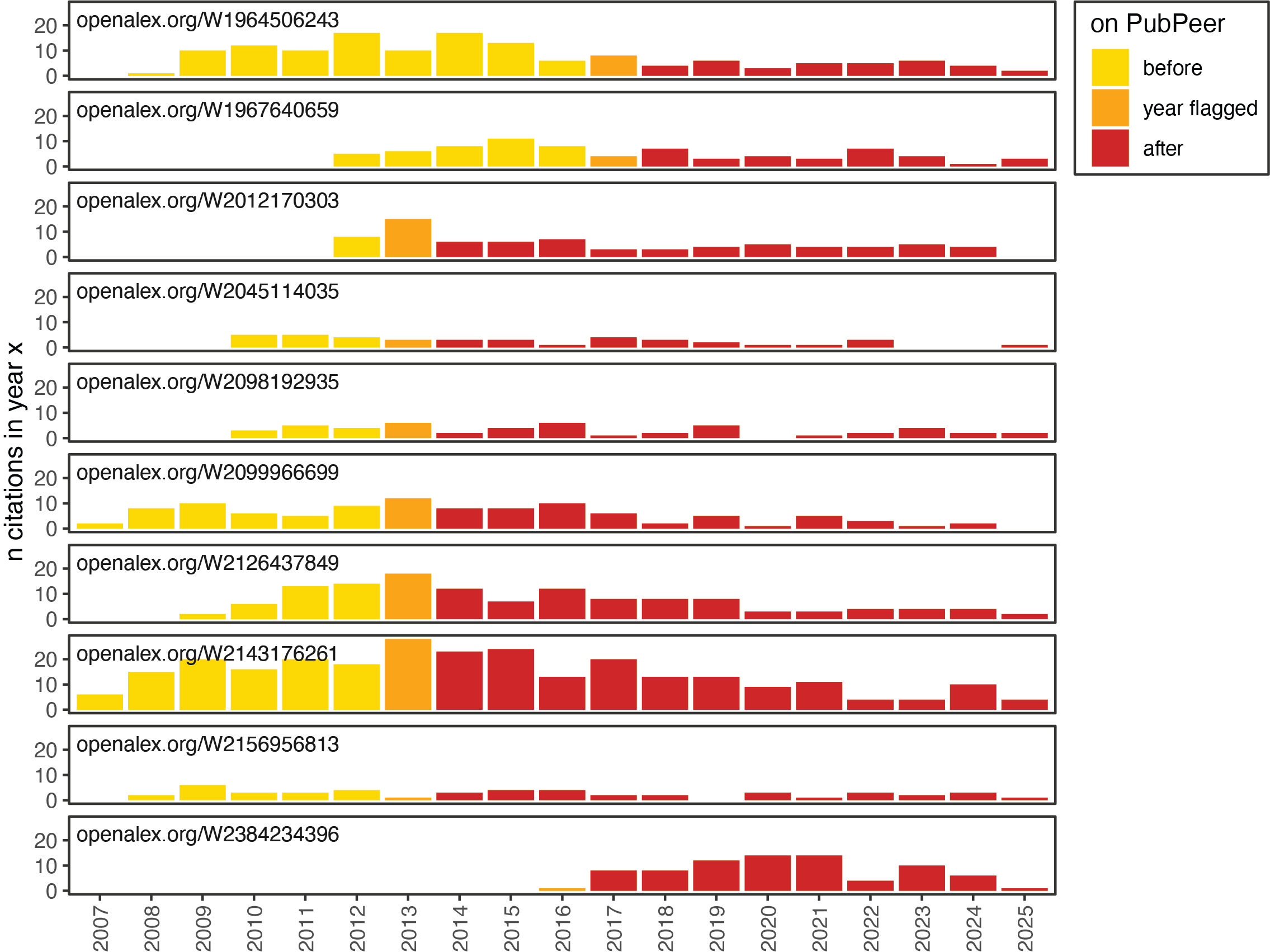
The compromised findings were propagated extensively across 100th of papers in the literature due to a lack of appropriate action by journals or Andò’s university. They can blame him (and he can (and probably does) blame his students) for these fake papers, but their inaction in cleaning up this mess within an appropriate time frame speaks volumes.
A couple additional examples of what has been rotting on PubPeer for years. This was first flagged in 2017 by Claire Francis and was cited 40 time since being flagged:
Guowei Gu, Ines Barone, Luca Gelsomino, Cinzia Giordano, Daniela Bonofiglio, Giancarlo Statti , Francesco Menichini, Stefania Catalano, Sebastiano Andò Oldenlandia diffusa extracts exert antiproliferative and apoptotic effects on human breast cancer cells through ERα/Sp1-mediated p53 activation Journal of Cellular Physiology (2012) doi: 10.1002/jcp.24035


This paper received a questionable Expression of Concern in July 2025, after I sent the journal an email in April with more concerns:
“The authors’ explanation was found to be insufficient to resolve these concerns, and due to the time elapsed since the original publication, the raw data could no longer be retrieved. In the absence of the original raw data, the journal team could not verify the authenticity of these figures and could not exclude that these concerns affect the related conclusions of the article. “
Andò, by ignoring this mess for 8 years, avoided a retraction because he could now credibly state that raw data was not accessible anymore. Wiley went along with it, potentially sticking to the trusted system: if not sure how to address fake western blots, check if there is an old white man among the authors & then give them the benefit of the doubt).

Top Italian Scientists
“You may think this is just a silly prank with zero impact on whatsoever, but no. […] this initiative is useful for something. It provides solid numbers for quantifying the extent of scientific misconduct in Italy and beyond” – Aneurus Inconstans
One more breast cancer study: Flagged in July 2013 again & still not addressed by the journal.
Francesca De Amicis, Francesca Giordano, Adele Vivacqua, Michele Pellegrino, Maria Luisa Panno, Donatella Tramontano, Suzanne A. W. Fuqua, Sebastiano Andò Resveratrol, through NF-Y/p53/Sin3/HDAC1 complex phosphorylation, inhibits estrogen receptor alpha gene expression via p38MAPK/CK2 signaling in human breast cancer cells The FASEB Journal (2011) doi: 10.1096/fj.10-178871


At last, it seems like at least one journal has woken up. FEBS Letters (a Wiley title) has recently retracted two articles by Andò. Both were flagged originally in 2017 by Claire Francis, with more evidence added by others later:
Maria Luisa Panno, Francesca Giordano, Fabrizia Mastroianni, M. Grazia Palma, Viviana Bartella, Amalia Carpino, Saveria Aquila, Sebastiano Andò Breast cancer cell survival signal is affected by bergapten combined with an ultraviolet irradiation FEBS Letters (2010) doi: 10.1016/j.febslet.2010.04.001


The retraction note from 17 September 2025 states (highlights mine):
“[…]. The retraction has been agreed upon following an investigation prompted by concerns raised by a third party. The investigation identified inappropriate duplications of image sections in Figures 2A, 2B, and 2C; Figure 3B; as well as in Supplementary Figures S1B, S1C, and S2A. The authors’ explanation and the data provided by the authors—pertaining to a different set of experiments conducted under the same treatment conditions—were found to be insufficient to resolve these concerns. The extent and nature of the inconsistencies identified in the published figures raised significant concerns regarding the data. As a result, the editors no longer have confidence in the integrity of the presented data and consider the study’s conclusions to be compromised. The authors do not agree with this retraction.“
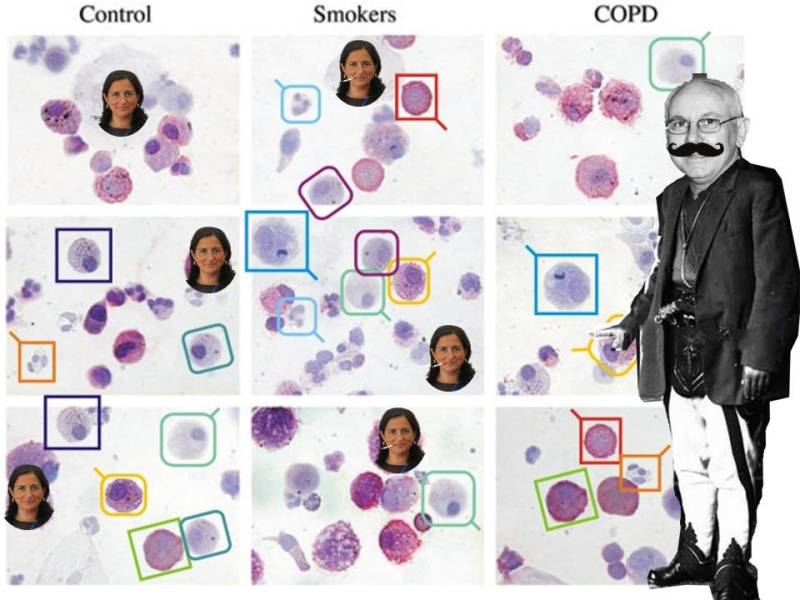
The Cigarette Mob of Palermo
On the gate of Constantinople was written, in a steel plate, the order of the Sultan: “All the males of the Gjomarkaj, generation after generation, from the cradle to the grave, will carry the title of Kapidan”
The second one suffers from the same type of manipulations, but is even worse. It was retracted on 18 September 2025 with a quasi-identical retraction note.
M. Luisa Panno, Francesca Giordano, Fabrizia Mastroianni, Catia Morelli, Elvira Brunelli, M. Grazia Palma, Michele Pellegrino, Saveria Aquila, Antonella Miglietta, Loredana Mauro, Daniela Bonofiglio, Sebastiano Andò Evidence that low doses of Taxol enhance the functional transactivatory properties of p53 on p21 waf promoter in MCF-7 breast cancer cells FEBS Letters (2006) doi: 10.1016/j.febslet.2006.03.055


Also here, “authors’ explanation was found to be insufficient“, and they “do not agree with this retraction.”
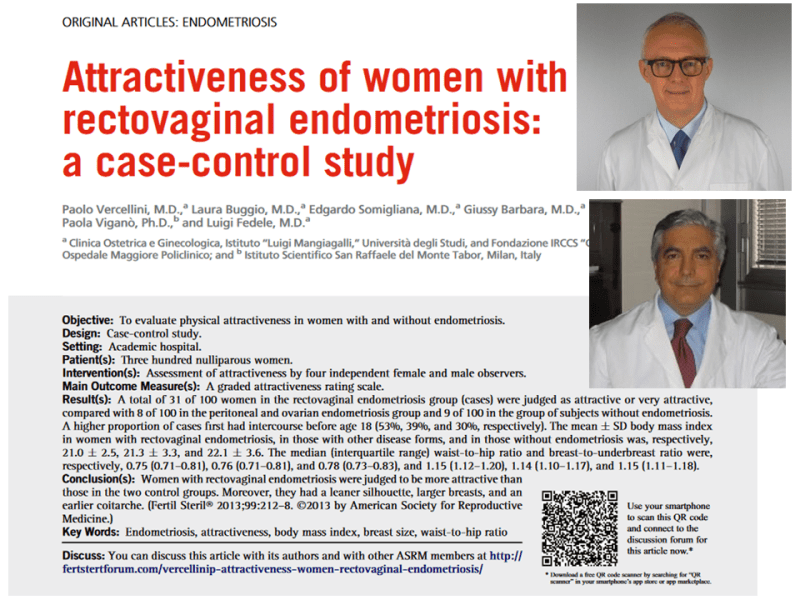
Undress, the doctors will see you now
Two old gynaecology professors in Milan decided to racially profile, then rate their misinformed young patients for sexual attractiveness. Their even published this as an evo-psych study in a respected society journal.
Andò’s legacy – passing on the baton to his goons
Although Andò seemingly doesn’t run his own lab anymore, these fake papers have had a broader impact at the Università della Calabria (UNICAL). A recent study (Memon et al. 2025) found that early career scientists often face consequences in cases of scientific misconduct, while the PI’s career is rarely affected. Let’s see where some of Andò’s collaborators & EC researchers ended up.
- Marcello Maggiolini is the co-PI on more than a dozen Andò papers and has been holding various board positions at UNICAL for more than a decade.
- Stefania Catalano, Andò’s number one coauthor on his fake papers (involved in 33/69 on PubPeer) has been at UNICAL since 1997 and is now full professor (promoted in 2016).
- Daniela Bonofiglio, involved in 32 problematic papers (not all with Andò) on PubPeer, is full professor at UNICAL since 2018.
- Diego Sisci is full professor at UNICAL, teaching multiple classes per semester. Co-author on 22 papers on PubPeer.
- Marilena Lanzino (17 papers with Andò on PubPeer) is now full professor at UNICAL.
- Cinzia Giordano, Saveria Aquila (both on almost all Andò papers), Loredana Mauro & Francesca Giordano are all currently associate professors at UNICAL.
- Maria Luisa Panno, the first author of both recently retracted papers and co-author on 12 more sketchy Andò papers on PubPeer was appointed as full professor of clinical pathology at UNICAL in 2010. The fake papers were published in 2006 and 2010. A promotion is what you get in Italy for helping the big guys in your department fake their papers.
ALL of Andò’s goons that are at the center of this systematic fraud were rewarded with associate or full professorships at the Università della Calabria. At UNICAL you are not kicked out when you fake research, you are rewarded with a promotion.
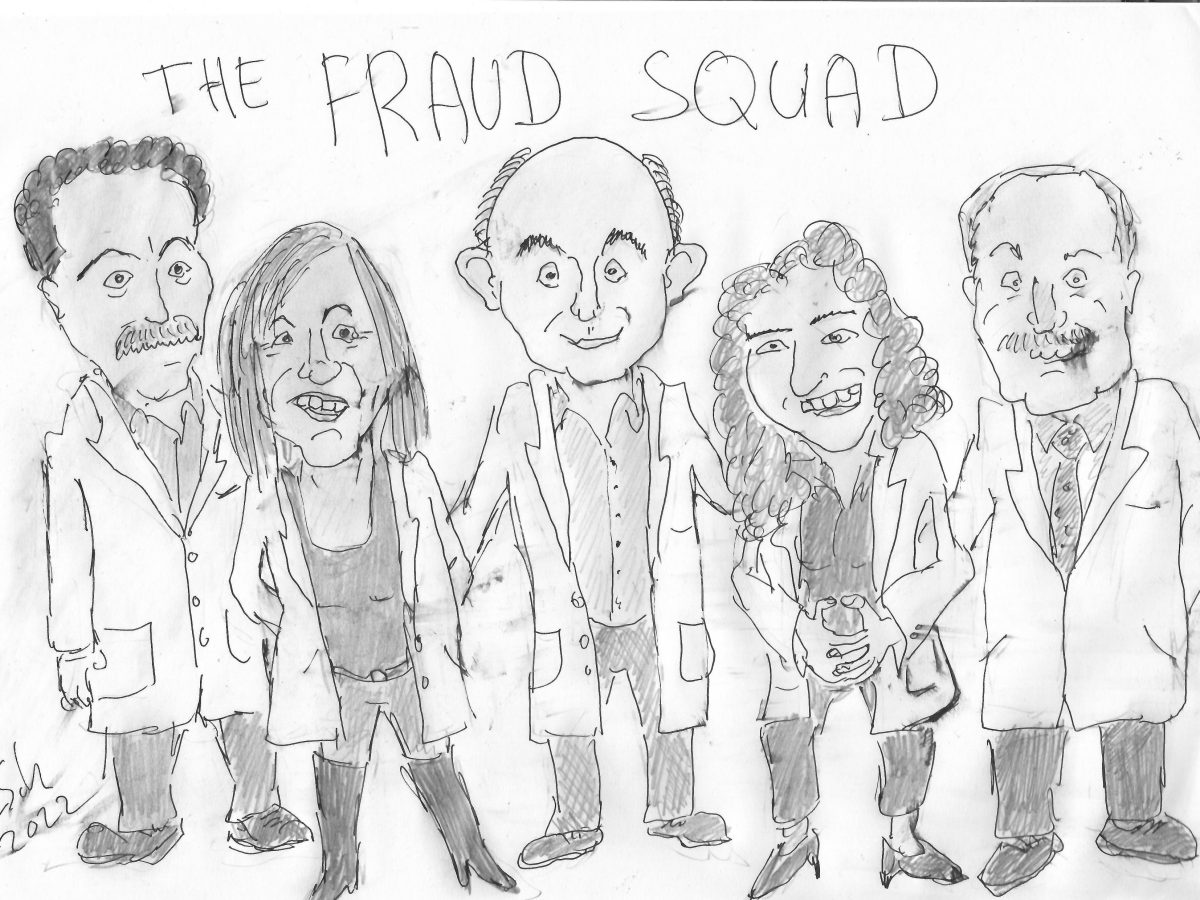
The Fraud Squad
Either a Muslim colleague or a retired technician did it. Or so these Sicilian professors insist.
These “scientists” are teaching almost all medical classes at UNICAL, raising the next generation of Calabrian doctors and scientists. A look into their recent track record after their time in the Andò lab reveals (surprise surprise): manipulated western blots. They now have their own students, are the senior PIs & Andò is not directly involved. They learned from the worst & are passing it on.
To conclude, please do not think that all publishers have now realized the systematic fraud they protected for years needs to be addressed. The Nucleic Acids Research journal seems to have completely lost the plot. I flagged this paper in March 2025 for various issues:
Marilena Lanzino, Diego Sisci, Catia Morelli, Cecilia Garofalo, Stefania Catalano, Ivan Casaburi, Claudia Capparelli, Cinzia Giordano, Francesca Giordano, Marcello Maggiolini, Sebastiano Ando Inhibition of cyclin D1 expression by androgen receptor in breast cancer cells–identification of a novel androgen response element Nucleic Acids Research (2010) doi: 10.1093/nar/gkq278


M Lanzino , P Maris , R Sirianni , I Barone , I Casaburi , A Chimento , C Giordano , C Morelli , D Sisci , P Rizza , D Bonofiglio , S Catalano , S Andò DAX-1, as an androgen-target gene, inhibits aromatase expression: a novel mechanism blocking estrogen-dependent breast cancer cell proliferation Cell Death & Disease (2013) doi: 10.1038/cddis.2013.235
I find this amount of overlap to be rather problematic (and so would anyone with a few braincells left), but not so the publisher, Oxford University Press. They published a “Correction” on 12 September 2025. I am using quotation marks here because they did not really correct anything. The non-“correction”, or Editor’s Note in full (highlights mine):
“In April 2025, the Editors were alerted to potential duplication of image panels within the NAR article, specifically between Figs. 8C and 8E, and between Figs. 6B and 8E. Additionally, another potential duplication was identified between Fig. 5C of the NAR article and Fig. 5C of a separate publication by the same authors [1]. These concerns have also been raised on PubPeer (https://pubpeer.com/publications/04ED7DC17454ABBA537AF087C41379#3).
The Editor contacted the authors, who no longer have access to the original data because the experiments were conducted over 15 years ago. However, the authors provided images from preliminary experiments conducted at the time (Supplementary File 1). The authors acknowledge the possibility of an error during figure assembly but stand by their results which have since been independently confirmed by other research groups [2–5].
The Editors carefully reviewed the images and found no clear evidence of panel duplication.
However, while the issues described above may not affect the results or conclusion of the study, in the absence of original data, the Editors advise readers to examine Figs. 5C, 6B, 8C and 8D with care.”
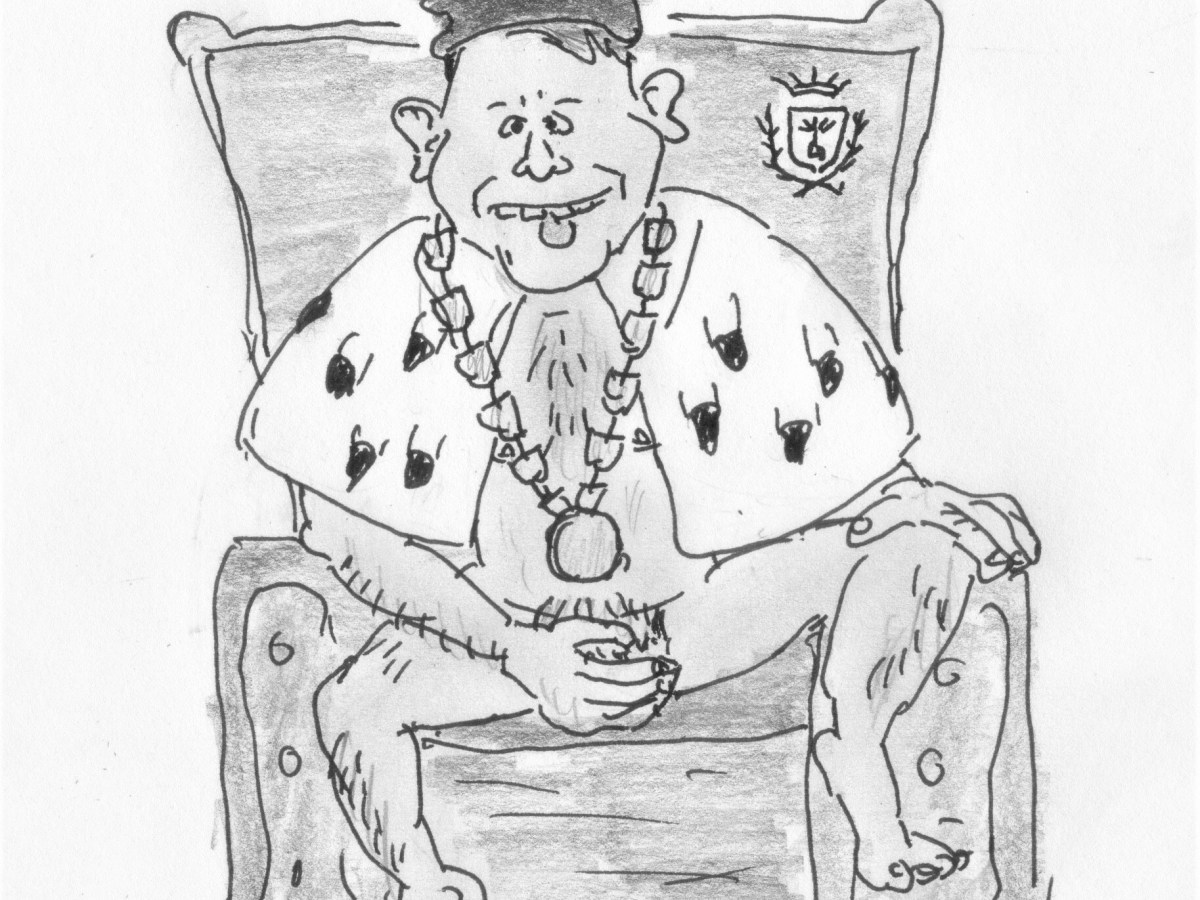
The Honest Errors of Giorgio Zauli
“The Ethics Commission of the University of Ferrara, in response to the request for opinion presented by Prof. Giorgio Zauli (registered on 1 June 2018, Repertory no. 60/2018 – Prot. n. 66968) does not detect any violations of the University Code of Ethics.”
Andò unfortunately (fortunately for him of course) didn’t have the raw data for this study anymore, but he magically recovered another lab notebook from 2007 and found gel images from related experiments. Interesting (and rather ironic) is that he didn’t find the actual gel images published in the study. I guess they would reveal that the whole paper is fabricated so he made sure no-one would ever see those originals. The editor advises us to be careful about half of the figures but fortunately none of this impacts the conclusions.
Nucleic Acids Research has murdered irony. Irony is dead.
Donate!
If you are interested to support my work, you can leave here a small tip of $5. Or several of small tips, just increase the amount as you like (2x=€10; 5x=€25). Your generous patronage of my journalism will be most appreciated!
€5.00

 For Better Science
The finding of the preliminary data but not the actual data in the paper must come straight out of a Monty Python sketch, it is definitely a first!
LikeLiked by 2 people
Great work. You wrote “a story about the lack of any action or consequence by journals (editors and publishers alike) (…) for years.”.
This includes people who are listed at the website of such journals as member of the Editorial Board of the journal in question?
Do you have any experiences in contacting such persons?
What’s your opinion about their responsibilities for such papers?
LikeLike
Thanks!
I have not gone back to reconstruct who the editors were at the time a paper was first posted to PubPeer. It might be possible to do so for some journals?
I think even if a journal doesn’t figure out that someone raised a valid concern about manipulated data in a paper, they had 8 years to check in many cases. I feel like we can expect them to maybe check in once a year at least? It’s not that hard… They are to be blamed for the fact that a lot of these papers continued to get cited although they should have known they were fake.
Regardless of that, I have reported every article were I found additional concerns to the publisher’s ethics teams. I am hoping that some will now take action at least.
With cases like this were I care about things, I usually wait 9-12 months to see if they get addressed. Then I reach out again, most of the time including editors etc. in my message, in addition to the ethics team.
LikeLiked by 1 person
Thanks for the response and please excuse me for a delay in posting this reply.
It is towards my opinion an excellent idea to include academic editors in the correspondence when there is no response from the publisher for a prolonged period of time and/or when there is a prolonged delay in acting by the publisher.
I hold the opinion that the current academic members of an editorial board of a peer-reviewed scientific journal are co-responsible and co-accountable for quickly solving issues which have been reported to the publisher and which are based on comments at Pubpeer, also about papers which were published 10-25 years ago.
I therefore hold the opinion that all persons listed at https://bmjpublichealth.bmj.com/pages/editorial-board are co-responsible and co-accountable for the refusal for already > 16 months of publisher BMJ to fulfill the wish of all authors of Mostert et al. (2024) to retract this horrible antivax study (details at Pubpeer). An extensive correspondence with most of these people has revealed that they are unwilling to communicate with me about this topic and about the outcome of an institutional investigation. I fail to understand this behaviour of all listed at https://bmjpublichealth.bmj.com/pages/editorial-board
LikeLiked by 1 person
Suzanne Fuqua, Baylor College of Medicine, has at least 10 publications at Pubpeer, most with Sebastiano Andò.
Suzanne Fuqua Lab | BCM
PubPeer – Search publications and join the conversation.
How unaware is Suzanne Fuqua?
LikeLiked by 1 person
“But there is more to this that truly angers me. This is as much a story about Andò being a complete phoney as it is a story about the lack of any action or consequence by journals (editors & publishers alike), his university, or anyone else alike, for years.”
Presidents come and go, parliaments come and go, but the journals, publishers and universities keep coining it in. Very difficult to change that once it has taken hold. Why disturb all that money-making for such a trivial thing as honesty? Most of the publishers are commercial businesses, and the higher-ups at universities demand to be paid high salaries, because as they often state, the high salaries reflect what they would get for being in charge of organisations with such large budgets, be they in the private or public sectors.
LikeLike
It’s interesting how different groups converged on the same type of fiddling. Individually pasting bands and what not. I guess it’s just the path of least resistance for publishing as much as possible with as little work done. I would find it fascinating to replicate these experiments.
LikeLike
“Individually pasting bands and what not.” The ones that don’t do it are eliminated. At the highest Natural Selection for publication. Scientists can be the last to appreciate that Natural Selection applies to them. Also, the topographical transformations are limited:-duplication, mirroring (reflection, flipping), rotation, of course you can also change resolution, contrast, invert black and white, invert colours. The kind of maths you learn early in high school, or earlier even. Most of the time people only rotate by 90, or 180 degrees, perhaps I shouldn’t write that as it may give some ideas.
LikeLiked by 1 person
Andò just gained another retraction: Vivacqua et al. 2006 (DOI: 10.1124/mol.106.026344) first flagged in 2013 by C. Francis, with additional evidence by others and me afterwards:
https://molpharm.aspetjournals.org/article/S0026-895X(25)15742-8/fulltext
More retractions to come!
LikeLiked by 1 person