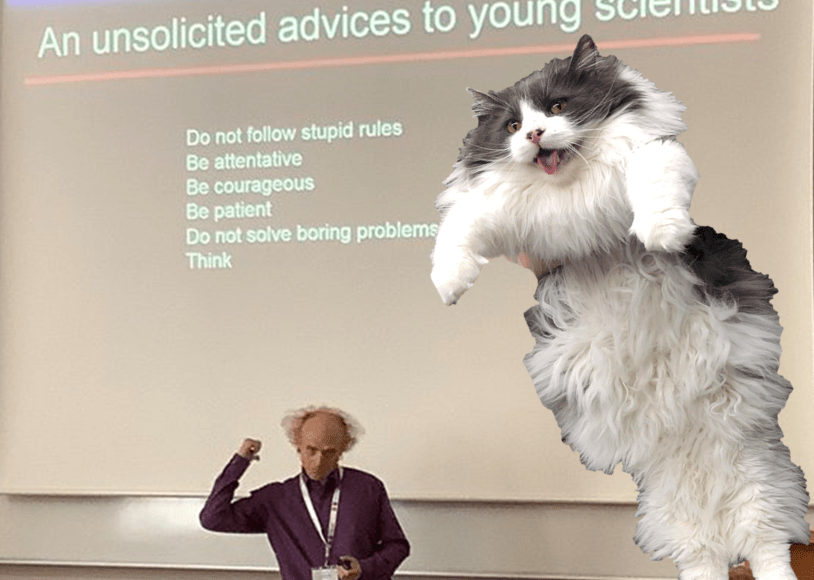

What drives certain people to irrational and antisocial behaviour patterns like cowardly attacking science and scientists from the cover of false identities like “Smut Clyde” or “David Bimler”? Decades of peer-reviewed research point towards a mind-altering infection with the brain parasite Toxoplasma gondii due to cat exposure.
All you zombies
By Smut Clyde
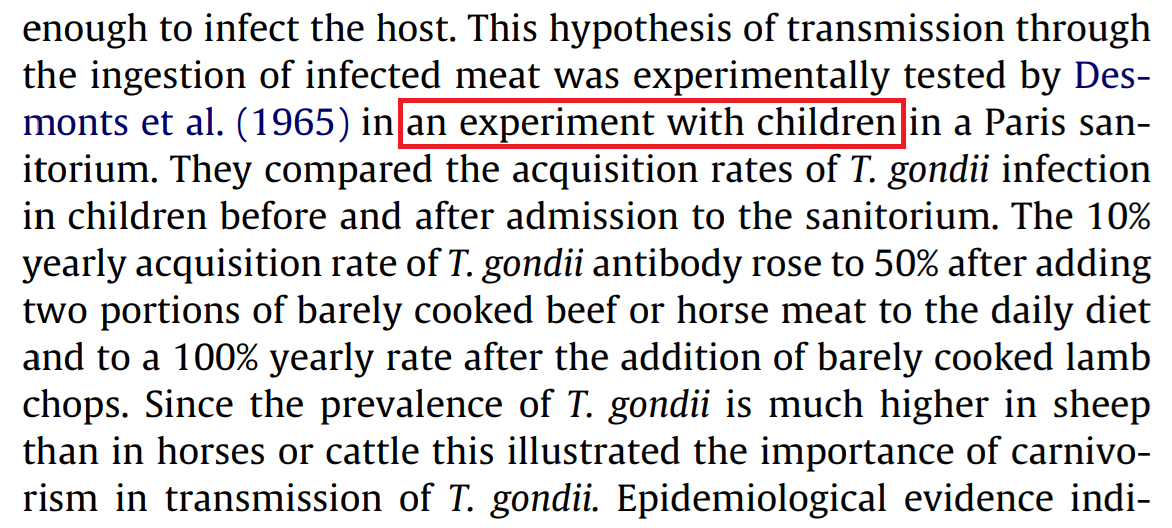 “Étude épidémiologique sur la toxoplasmose: de l’influence de la cuisson des viandes de boucherie sur la fréquence de l’infection humaine” sounds like an interesting study. Did Desmonts et al. (1965) deliberately supplement the diet of children in a tuberculosis sanitorium with undercooked meat to see if they would contract toxoplasmosis? This was France, after all, where medical ethics are serious business, ask Didier Raoult. No-one citing the paper seems to have read it (preferring to copy descriptions from earlier literature reviews) and it is possible that exaggerations intruded in the course of retelling. Some Wiki-editor thought the tale could be improved by changing “sanitarium” into “orphanage“.
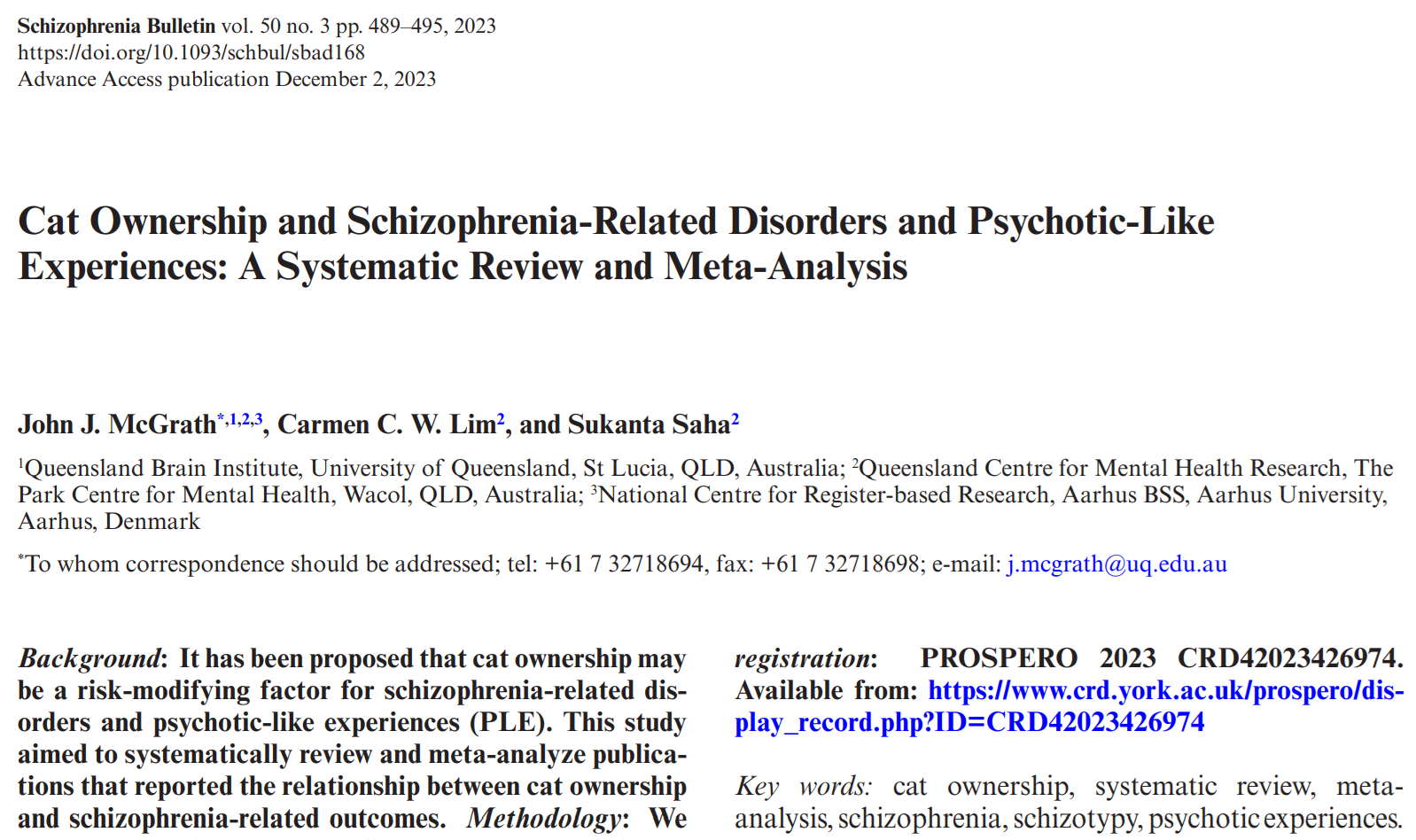 Toxoplasma gondii is a protozoan intracellular parasite. Not many people know that the species is named after Gondor, in acknowledgement of the increasingly erratic behaviour of Steward Denethor II after his infection. But is cat ownership – and associated T. gondii infections – a risk factor for schizophrenia, as Professor John J McGrath of University of Queensland in Australia argued after meta-analyzing the available studies?
John J McGrath , Carmen C W Lim , Sukanta Saha Cat Ownership and Schizophrenia-Related Disorders and Psychotic-Like Experiences: A Systematic Review and Meta-Analysis Schizophrenia Bulletin (2023) doi: 10.1093/schbul/sbad168
E. Fuller Torrey thought so, three decades ago, in response to the still-popular Laingian explanation in terms of family dynamics (if family communication failure could cause schizophrenia, then few of us would grow up sane, just saying). It is not an absolutely stupid idea. Nor is it a widely-accepted one (a rival theory, that the risk factor for schizophrenia is in-utero exposure to a maternal seasonal infection, is more in keeping with the data). Nonetheless, Torrey enlisted support from a millionaire whose Stanley Medical Research Institute (a) employs him and (b) funds no end of research to support the cat-ownership etiology – hence the recent meta-analysis. Also an earlier one by Torrey himself.
Torrey is a somewhat controversial figure, known for his old-school advocacy of looking after schizophrenics humanely by keeping them committed to institutions and drugged-up against their will without a prospect of recovery. He rejected the possibility of a genetic contribution to schizophrenia (perhaps a genetic cause makes schizophrenia seem more like an extreme of the range of normal human variation and less like a reason for medication), though his rationale for that rejection was based on statistical malpractice. Surprisingly, though, he is not the topic of this post!
Nor is McGrath’s meta-analysis; it is more of a timely lead-in. I’ll just say, though, that its broadened focus on “schizophrenia-related symptoms” – not just schizophrenia – suggests that the literature on links between T. gondii and schizophrenia per se did not converge on a significant conclusion, forcing the authors to extend their net until they found a constellation of symptoms that included enough positive-results papers and excluded enough negative-result ones. In fact those “schizophrenia-related symptoms” include bipolar disorder, i.e. not schizophrenia, so the results would be more accurately described as “some kind of contact with some kind of pet is linked to some kind of psychosis”.
One concern is that positivity rates for T. gondii antibodies vary enormously among countries, and the variations have little to do with variations in cat ownership. Nor with variations in schizophrenia prevalence. We come back to “regrettable culinary decisions” as the usual cause for T. gondii transmission.
McGrath et al. do note that case-comparison studies have nothing to say about the direction of causality… it is equally plausible that people who are boring and sane do not need the company of cats. Personally I prefer cats to humans because they are little furry psychopaths so we are on the same wavelength.
 It is a well-attested fact that exposure to a white Persian cat is a risk factor for becoming a megalomanic mad scientist and seeking world domination. T. gondii is not necessarily responsible. Apparently even a white guinea-pig is enough.
Setting that aside, McGrath et al. regret the lack of cooperation they received. Shame on the unhelpful and uncollegial authors of Refs [23-25]!
“Several potentially suitable studies lacked explicit data suitable for meta-analysis. After writing to authors of these studies,14,23–25 we were able to access additional data for one of these studies.14“
[23] Oumaima I, Lofti G, Besma B.. Childhood cat ownership as a risk factor for schizophrenia at an early age. Unpublished.
[24] Flegr J, Horáček J. Toxoplasmosis, but not borreliosis, is associated with psychiatric disorders and symptoms. Schizophr Res. 2018;197:603–604.
[25] Flegr J, Horáček J. Negative effects of latent toxoplasmosis on mental health. Front Psychiatry. 2019;10:1012.
 Now the Czech professor Jaroslav Flegr of biology Charles University in Prague is better-known as the doyen of a different line of research in which T. gondii is held to manipulate host behaviour for its own reproductive benefit. As any fule kno, T. gondii requires a cat as its definitive host (in the broad sense of any felid species). But instead of infecting other cats directly, it opted for a typically byzantine parasite life-cycle: the “eggs” (oocytes) try to infect some other animal as an intermediate host in the hope of eventually arriving in the stomach of another cat that eats the intermediate. Possibly after a long chain of intermediate-to-intermediate transmission-by-consumption. Clearly a risk-taking, cat-seeking, more-comestible intermediate host is preferable from the T. gondii perspective, so the protozoa seem to modify the behaviour of rodent hosts to make them un-cowrin and less tim’rous… in laboratories at least, for it is hard to test whether gondified rats and mice in the wild become reckless & tastier & interested in cat smells.
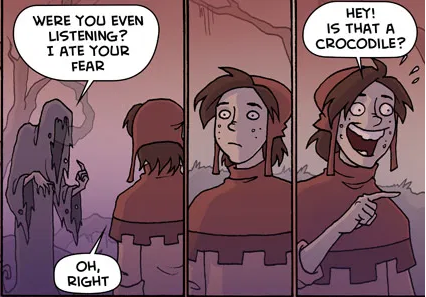
Naturally Flegr decided that gondified humans are equally sympathetic to the life-cycle completion needs of their cerebral guests. They become disinhibited and impulsive (though less novelty-seeking)… more likely to lie down lamb-like with lions, to drink Potions of Deliciousness, and to shrink themselves to rodent size in the matter transmogrifier. Much as infection with Lyssavirus makes the rabid host bitier and more likely to spread the infection that way.1
- Jaroslav Flegr, Influence of latent Toxoplasma infection on human personality, physiology and morphology: pros and cons of the Toxoplasma–human model in studying the manipulation hypothesis J Exp Biol (2013) doi: 10.1242/jeb.073635
- Jaroslav Flegr, Effects of toxoplasma on human behavior, Schizophr Bull (2007) DOI: 10.1093/schbul/sbl074
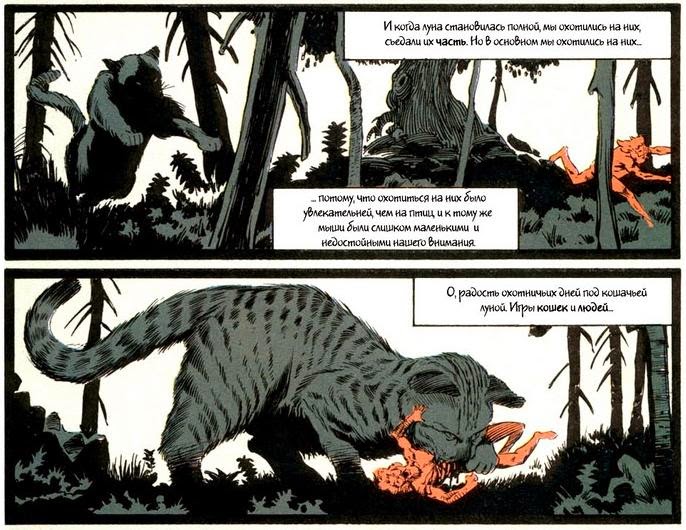 Flegr’s publications display a degree of heterogeneity: they are a constellation of disconnected studies, with little sense of a coordinated research direction. It is almost as if he collected no end of demographics about his seropositive and seronegative subject pools and then wrote a paper about any criterion where the group difference reached significance. Resulting in a scattershot of studies on any trait vaguely related to recklessness and disinhibition. This is left as an exercise for the reader:
Jaroslav Flegr and Radim Kuba The Relation of Toxoplasma Infection and Sexual Attraction to Fear, Danger, Pain, and Submissiveness Evolutionary Psychology (2016) doi: 10.1177/1474704916659746

If all else fails, there is always p-hacking. This allows you to subdivide your subjects by some previously-unconsidered variable like Sex and introduce a secondary ‘interaction’ hypothesis to supplement / preserve your Just-So story. Then the absence of an overall effect proves the existence of two separate but opposite effects for men and women.
“The composite behavioral factors Self-Control and Clothes Tidiness, analogous to Cattell factors Q3 (perfectionism) and G (superego strength), showed a significant effect of the toxoplasmosis–gender interaction, with infected men scoring significantly lower than uninfected men and a trend in the opposite direction for women.“
Flegr, J.. Effects of Toxoplasma on Human Behavior. Schizophrenia Bulletin, (2007). doi: 10.1093/schbul/sbl074
The following is good news for crazy cat ladies who’d like some male companionship; they may not personally be enamoured of the smell of cat pee, but it does make them more appealing to the eligible crazy cat bachelors:
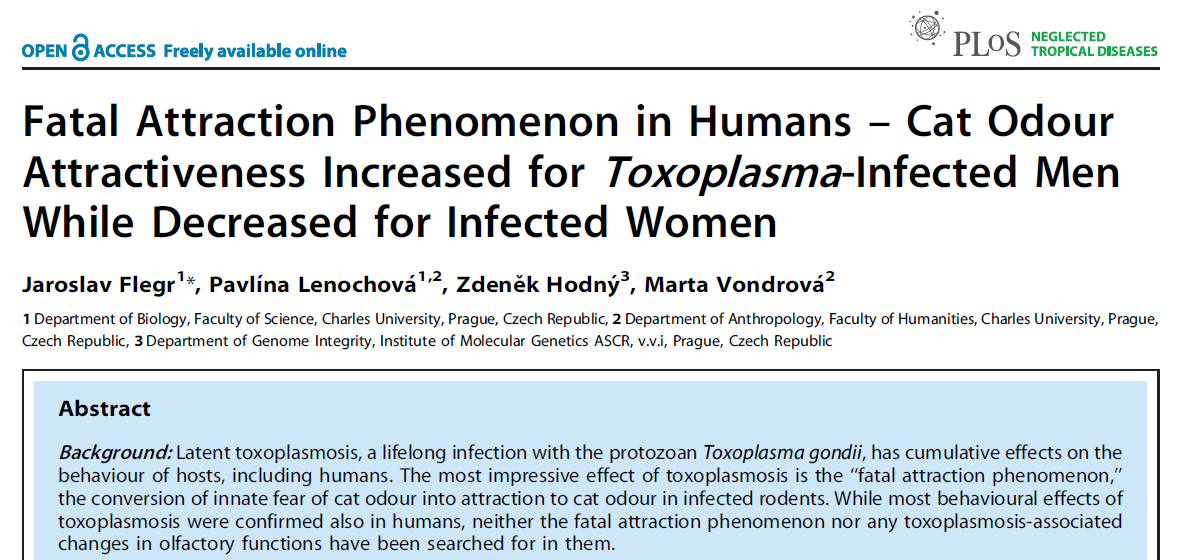
This interaction with testosterone features in some studies though not all of them. Sometimes a further interaction, this time with dopamine as the extra factor, is required to contort the data into agreement with the narrative. The post-facto approach is deprecated in the modern research environment, partly because we have become rule-bound buttoned-up anal retentives and partly because the results are so often irreplicable:
Jaroslav Flegr , Marek Preiss , Jiřı́ Klose , Jan Havlı́ček , Martina Vitáková , Petr Kodym Decreased level of psychobiological factor novelty seeking and lower intelligence in men latently infected with the protozoan parasite Toxoplasma gondii Dopamine, a missing link between schizophrenia and toxoplasmosis? Biological Psychology (2003) doi: 10.1016/s0301-0511(03)00075-9
 In the following two studies, the post-facto secondary hypothesis – sheltering the primary hypothesis from cruel reality – is “RhD molecule blocks the effects of Toxo”:
- Jaroslav Flegr, Jiří Klose, Martina Novotná, Miroslava Berenreitterová & Jan Havlíček Increased incidence of traffic accidents in Toxoplasma-infected military drivers and protective effect RhD molecule revealed by a large-scale prospective cohort study. BMC Infect Dis (2009) doi: 10.1186/1471-2334-9-72
- Jaroslav Flegr , Marek Preiss, Jiří Klose, Toxoplasmosis-Associated Difference in Intelligence and Personality in Men Depends on Their Rhesus Blood Group but Not ABO Blood Group PLOS One (2013) doi: 10.1371/journal.pone.0061272
So when traffic-accident rates prove to be no higher for gondified military recruits than for ungondified ones, this only means that the effect is confined to the RhD-negative gondified sub-subgroup. The same minority displayed the personality changes in the cohort. Flegr engaged in convoluted special pleading to explain why these personality changes were opposite to the ones he’d found earlier for university students but I spare you the details. The RhD-positive protection does not seem to apply in other situations.
Why military recruits you wonder? Flegr’s collaborator Jiří Klose is head of the Central Medical and Psychological Department at the Military University Hospital Prague.
In an earlier study, Flegr and his regular associate and fellow zoology professor at Charles University of Prague, Jan Havlíček, called upon a women-only cohort whose T. gondii status had been assessed in earlier research on pregnancy, then measured their personality traits on Cattell’s eight-bipolar-scale 16PF questionnaire (which no-one else uses these days).
Jaroslav Flegr and Jan Havlíček Changes in the personality profile of young women with latent toxoplasmosis FOLIA PARASITOLOGICA (1999) 46: 22-28,
Our man’s moral compass told him to keep the subjects uninformed about the purpose of this follow-up study: “For ethical reasons … the women could not be informed that the research concerns the toxoplasmosis.”
 This study required more elaborate statistical wizardry. Flegr reasoned that some fraction of the women in the seronegative group were false negatives, who had once contracted T. gondii but so long ago that antibodies were no longer detectable. That is, the people who’d had most time for personality changes to develop after infection are also most likely to be mis-classed as seronegative, thus masking the effect; therefore the appropriate analysis is to randomly reclassify some of the negative group as seropositive, repeating the process until the group difference reaches significance. I am not making this up:
Jaroslav Flegr, Petr Kodym, Vĕra Tolarová Correlation of duration of latent Toxoplasma gondii infection with personality changes in women Biological Psychology (2000) doi: 10.1016/S0301-0511(00)00034-X
The random-reallocation program for “decontaminating” data that don’t show an expected difference and are therefore “contaminated”‘ is Treept, developed by Flegr and Pavel Zaboj:
Jaroslav Flegr, Petr Tureček, New approach and new permutation tests with R programs for analyses of false-negative-contaminated data in medicine and biology Biol Open (2020) doi: 10.1242/bio.045948
Its use is now deprecated, and Flegr urges would-be replicators to use an updated version, after it malfunctioned and required a retraction:
Veronika Chvátalová, Blanka Šebánková, Hana Hrbáčková, Petr Tureček & Jaroslav Flegr Differences in cognitive functions between cytomegalovirus-infected and cytomegalovirus-free university students: a case control study. Sci Rep (2018) doi: 10.1038/s41598-018-23637-3
“After the publication of the article, J. Gottfried and H. Cigler brought to our attention that the results of the permutation tests for contaminated data in the explorative part of the study were incorrect. We checked the program used in the present study (and recommended by us to be used in future studies) to find out that it has illogically coded infected (0) and uninfected (1) individuals. Due to this error, our explanation of why the CMV-infected subjects have on average higher intelligence than the CMV-free subjects (due to contamination of the later subset with false-negative individuals with old infections and therefore very low levels of both anti-CMV antibodies and intelligence) was wrong. Therefore, the results of our permutation tests falsify, rather than support, the suggested model.”
Retraction March 2022
Apparently a CMV infection does not make you smarter. The retraction note did not report how many earlier studies reliant on Treept are also engarbaged.
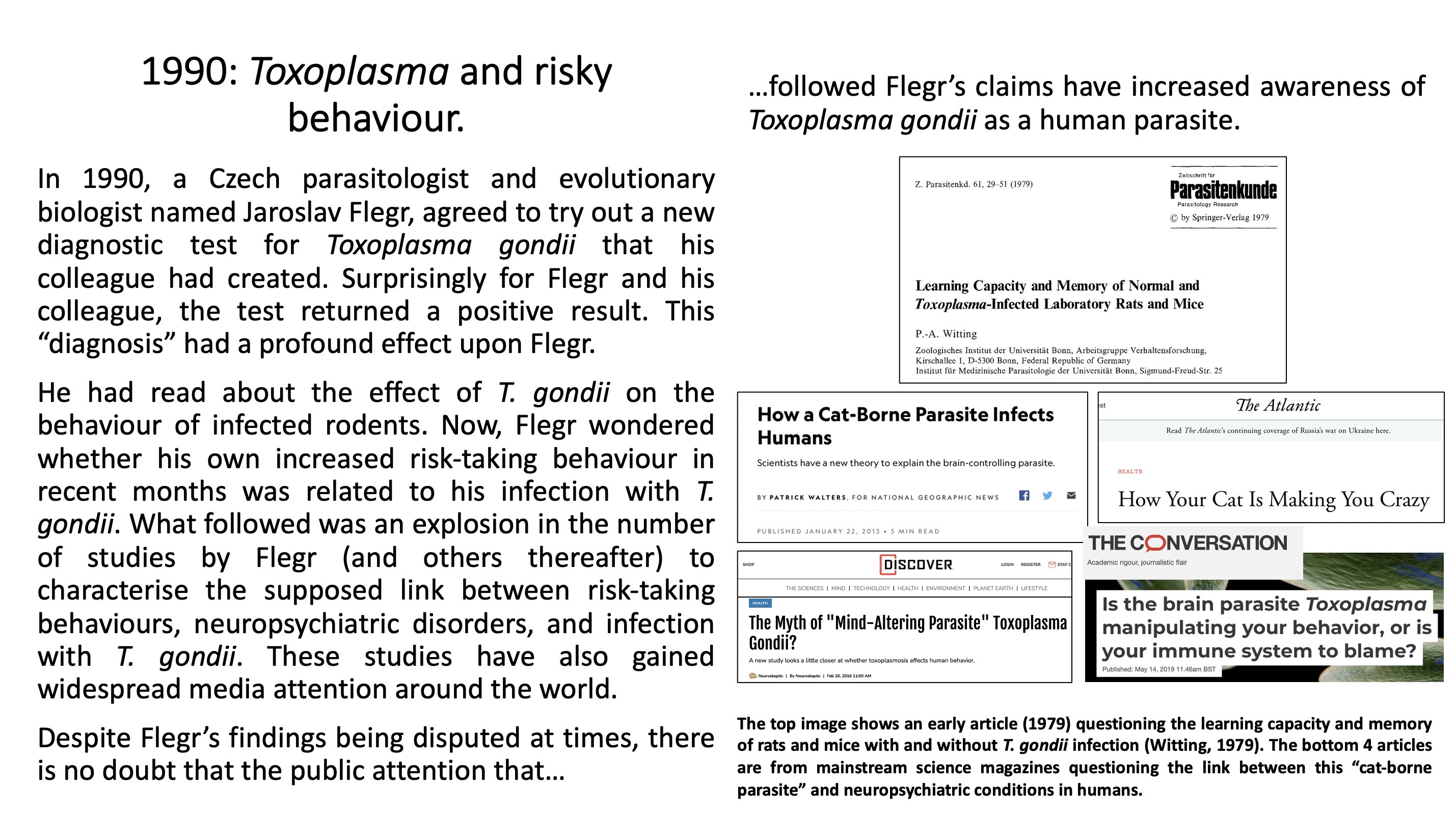 It turns out that Flegr is T. gondii-positive himself and therefore prone to poorly-planned, poor-impulse-control decisions.
What I am saying is that this body of work is not so much of a role model, and more a bad example of “How not to science”. And you might ask yourself, “It is hard to imagine how all this hinky stuff could ever get published and publicised by non-gullible reviewers. What popular accepted wisdom does it seem to confirm?”
Flegr’s reports fitted the meta-narrative that you and I are rational beings,2 but everyone else is a mindless zombie whose decisions are dictated by parasites, or pheromone-laced perfumes, or evolutionary-psych programming, or the colour of clothes, or by politicians who read ‘Nudge’, or some combination of the above (and don’t start me on the “social priming” fiasco in which a whole cohort of psychology fraudsters like Diederik Stapel got away with publishing made-up data in paper after paper, without a moment’s hesitation from the journal editors – because it confirmed their prior opinion that psychologists are wizards who know how easy it is to manipulate non-psychologists with mind-hacks). “Parasites modulate our behaviour to increase the change of their definitive host eating our flesh” is such an appealing story – it simplifies people’s actions to a level we think we can predict – that the quality of the evidence never mattered. Flegr’s Just-So story is itself a brain-eating parasite that modifies our behaviour to make us spread it.
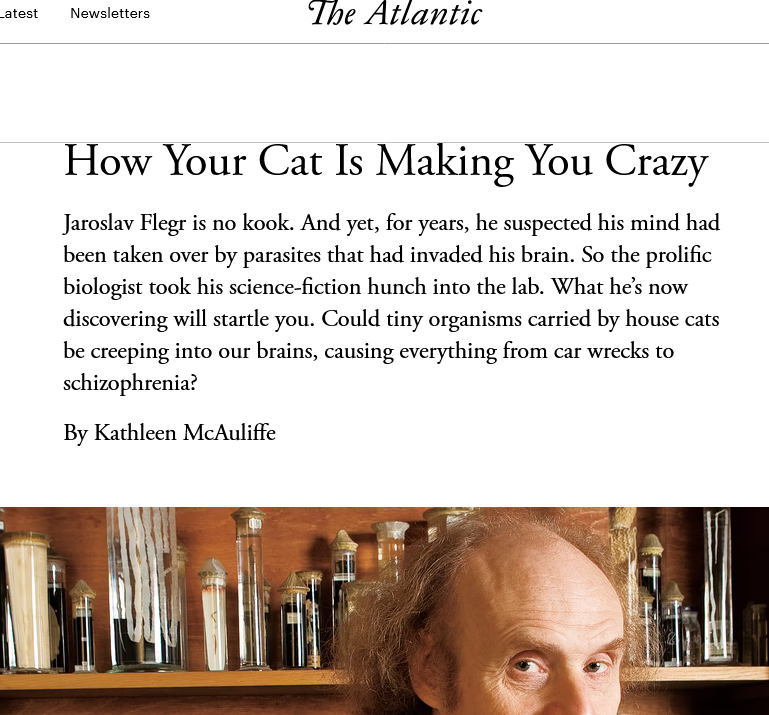
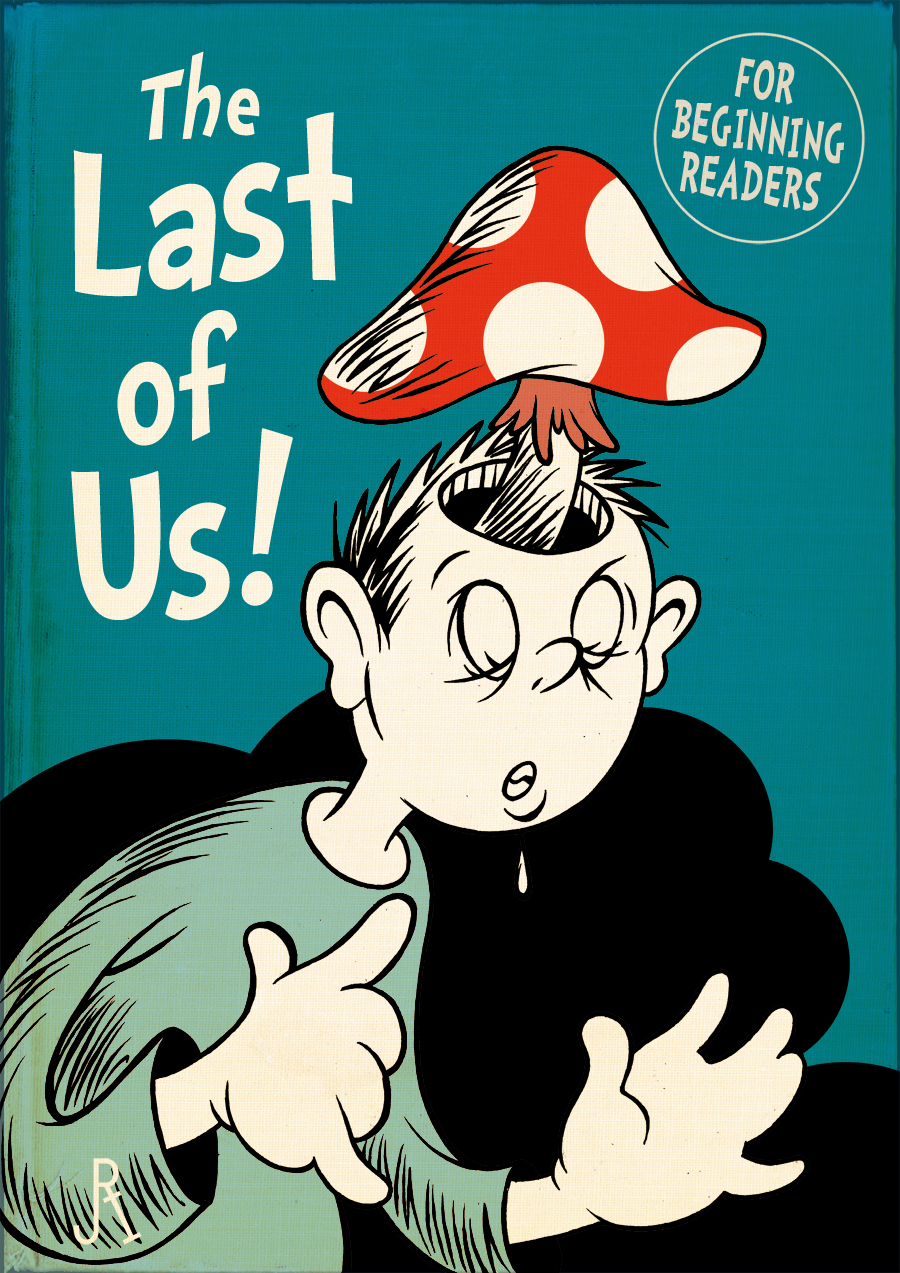
Yes, Cordyceps / Beauveria fungal infections do brain-hack insects to spread their spores to other insects.3 But contra “The Last of Us” and “The Girl with All the Gifts“, this does not generalise to mammals so you do not need to worry that your tinea pedis infection will compel you to spend time exercising at the gym to spread athlete’s foot to other people in the showers.
Not to be outdone, other researchers felt compelled to torture their own data to confess to their own findings of psychological / behavioural correlates of gondification. Betteridge’s Law may apply to this Finnish-Latvian-Mexican study:
Javier I. Borráz-León, Markus J. Rantala , Indrikis A. Krams , Ana Lilia Cerda-Molina , Jorge Contreras-Garduño Are Toxoplasma-infected subjects more attractive, symmetrical, or healthier than non-infected ones? Evidence from subjective and objective measurements PeerJ (2022) doi: 10.7717/peerj.13122
“A conclusion that toxoplasma infection increases attractiveness seems a step too far based on these results.”
Matt Hodgkinson
It would have been nice if Flegr’s supporters could settle among themselves whether T. gondii slows or accelerates the ravages of Alzheimer’s Disease.
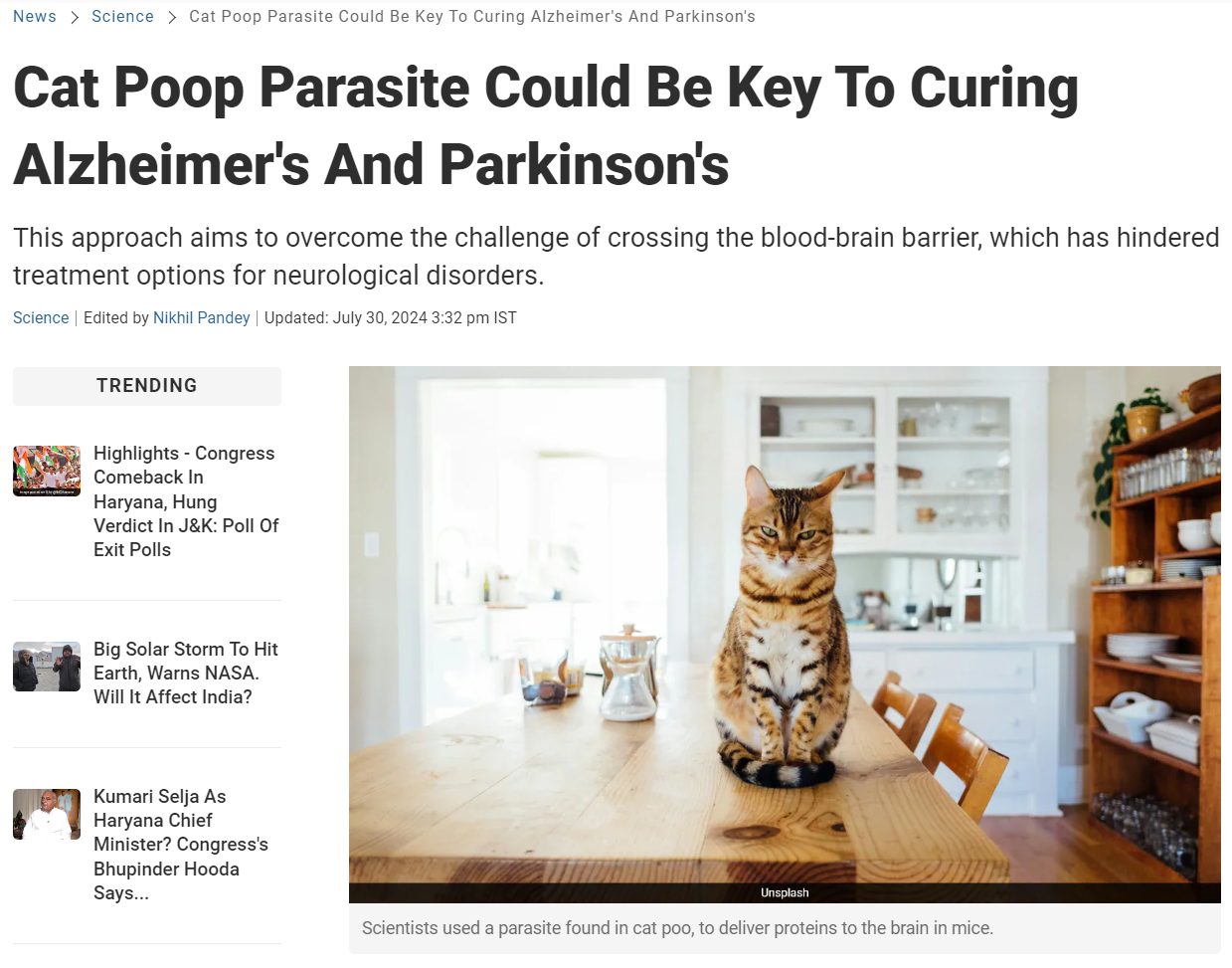
We also mustn’t forget the Glasgow / Tel Aviv collaborators who want to treat Alzheimer’s with a gene-engineered T. gondii that can work as a delivery vehicle for synthesising drugs or missing proteins within the patients’ neurons. For Better Science readers may be familiar with some of the authors, Oded Rechavi and Adriano Aguzzi.
“One of the systems ‘shoots’ a ‘harpoon’ into the neuron, to enable penetration. Once inside, the parasite forms a kind of cyst in which it continues to secrete proteins permanently. We engineered the parasite’s DNA to make it produce and secrete the proteins we want, which have therapeutic potential.”
Prof Oded Rechavi
There are concerns:
Shahar Bracha, Hannah J. Johnson , Nicole A. Pranckevicius , Francesca Catto, Athena E. Economides , Sergey Litvinov , Karoliina Hassi , Marco Tullio Rigoli , Cristina Cheroni, Matteo Bonfanti , Alessia Valenti , Sarah Stucchi , Shruti Attreya , Paul D. Ross , Daniel Walsh , Nati Malachi , Hagay Livne , Reut Eshel , Vladislav Krupalnik , Doron Levin , Stuart Cobb Petros Koumoutsakos, Nicolò Caporale, Giuseppe Testa, Adriano Aguzzi, Anita A. Koshy, Lilach Sheiner, Oded Rechavi Engineering Toxoplasma gondii secretion systems for intracellular delivery of multiple large therapeutic proteins to neurons Nature Microbiology (2024) doi: 10.1038/s41564-024-01750-6


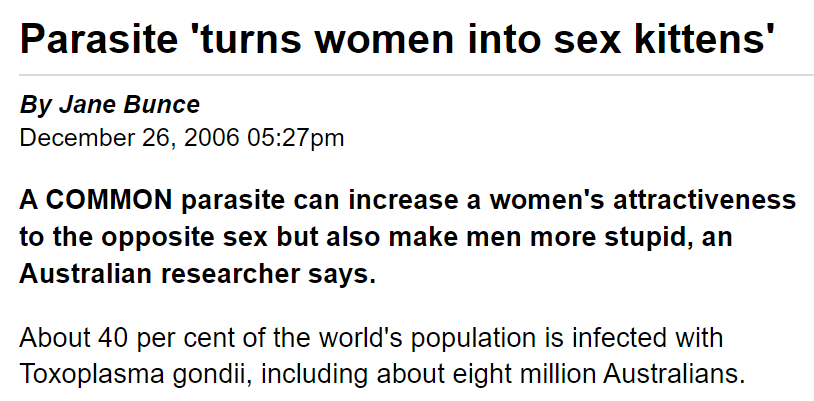 The rolling snowball of simplistic clickbait gathered momentum, to the delight of tabloid churnalists who were spared the effort of making up bullshit by themselves.
“In short, it can make men behave like alley cats and women behave like sex kittens”
Dr Nicky Boulter
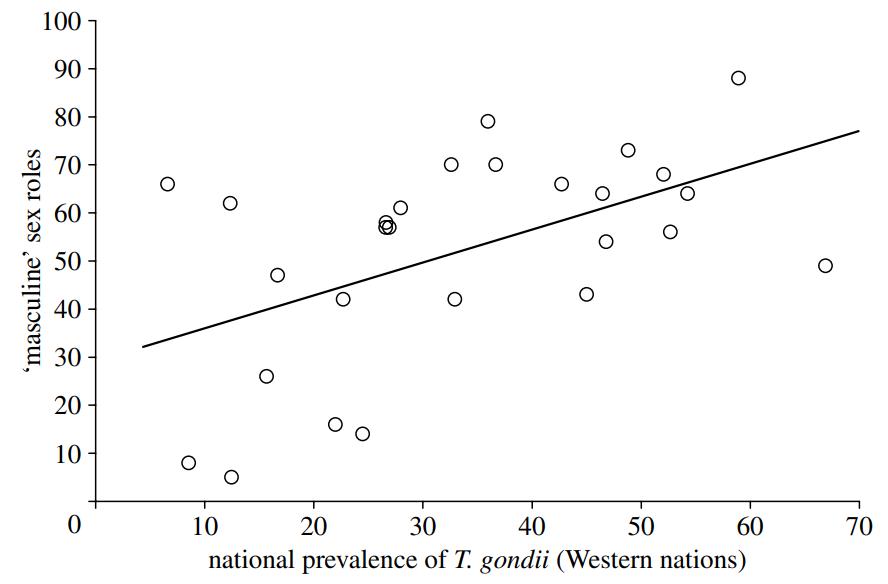 The symphony of silly-buggers reached a crescendo with the 2006 announcement by Kevin Lafferty (advised by Flegr) that variations in Toxo prevalence explain inter-country average differences along personality scales (therefore explaining cultural differences)… the correlations are significant as long as you ignore outliers or confine the analysis to only Western countries.
Kevin D. Lafferty Can the common brain parasite, Toxoplasma gondii, influence human culture? Proc. R. Soc. B (2006) doi: 10.1098/rspb.2006.3641
And Serious Public Intellectuals swallowed the whole bolus of bobbins as if it were a cat-turd straight from the litter-tray.
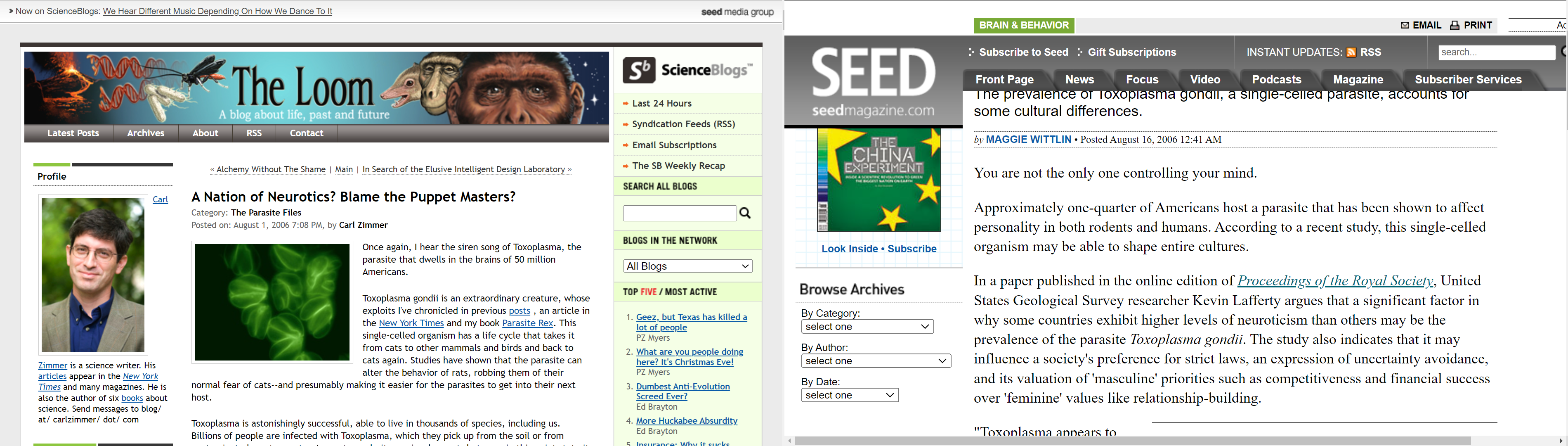
“Do viruses, intestinal worms, and other pathogens that can linger in the body for decades have their own influence on human personality? How much is the national spirit the spirit of a nation’s parasites?”
Carl Zimmer
Then the bubble swung back (or the pendulum burst). Academics are not unanimous about how to account for the ‘decline effect‘ whereby spectacular, widely-fêted findings eventually become non-replicable.4 I incline towards the parsimonious explanation that headline-hunting announcements often inspire immediate imitators while the genuine experiments that disprove them take longer to perform and (especially) to get published. Anyway, it is hard to argue with the 2016 non-replication from the Dunedin Longitudinal Study. Arguing with Caspi never ends well [h/t Neuroskeptic]:
Karen Sugden , Terrie E. Moffitt, Lauriane Pinto, Richie Poulton, Benjamin S. Williams, Avshalom Caspi Is Toxoplasma Gondii Infection Related to Brain and Behavior Impairments in Humans? Evidence from a Population-Representative Birth Cohort PLOS One (2016) doi: 10.1371/journal.pone.0148435
“On the whole, there was little evidence that T. gondii was related to increased risk of psychiatric disorder, poor impulse control, personality aberrations or neurocognitive impairment”
And another negative result!… But only for women. The authors (including Flegr) discuss at length what other factors might have helped to hide the effect of Toxo.
Lasha Lanchava, Kyle Carlson, Blanka Šebánková, Jaroslav Flegr, Gideon Nave No Evidence of Association between Toxoplasma gondii Infection and Financial Risk Taking in Females PLOS One (2015) doi: 10.1371/journal.pone.0136716
“…future studies should further explore possible variables that might moderate the effects of TG on human [decision-making], such as the time since infection, personality, levels of testosterone and cortisol, and genotype.”
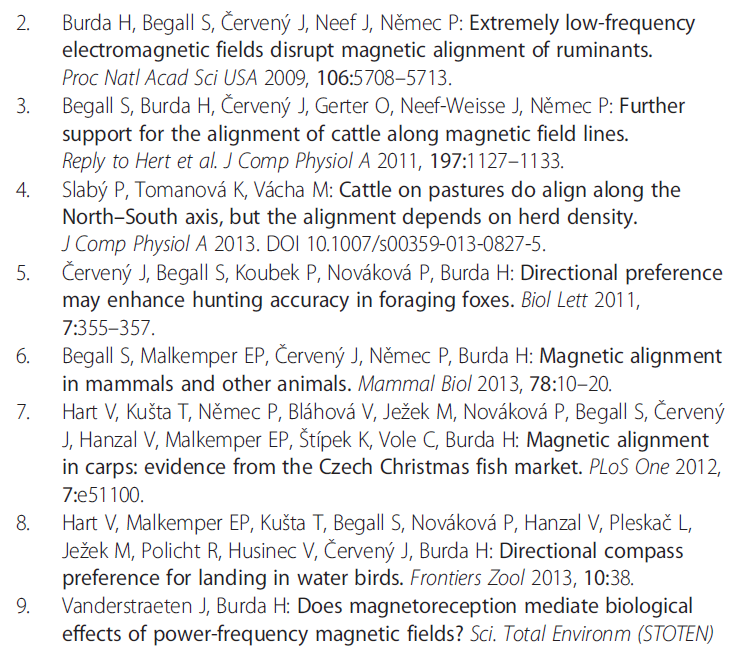 If Flegr et al. need new regions of the Brain Microbiome to explore, they could do worse than to team up with Hynek Burda of University of Duisburg-Essen in Germany and Czech University of Life Sciences in Prague. His group of Czech animal behaviorists keeps finding magnetoreception in every species they examine – most memorably in defecating dogs, for which they won the 2014 IgNobel Prize.5
Vlastimil Hart, Petra Nováková, Erich Pascal Malkemper, Sabine Begall, Vladimír Hanzal, Miloš Ježek, Tomáš Kušta, Veronika Němcová, Jana Adámková, Kateřina Benediktová, Jaroslav Červený & Hynek Burda Dogs are sensitive to small variations of the Earth’s magnetic field. Front Zool (2013). doi: 10.1186/1742-9994-10-80
Together they could work to isolate the magnetotactic bacterial symbiotes that (according to the Shepard Hypothesis) have colonised those animals’ brains. If the bacteria can be persuaded to infect humans as well, then the disinhibited impulsive T. gondii hosts could at least be given a functioning moral compass.
 The argument against a magnetotactic-bacteria explanation for magnetic sensitivity is that infections have the unmistakable side-effect of green retinal fluorescence. But I am not fully convinced by that aspect of Shepard’s research.
Contra the social-priming researchers, it is not that easy to manipulate people. You have to talk to them, and listen to them, and it’s not really worth all the trouble.
Feetnotes
- Fun facts about rabies:
– Birds can catch the virus, but can’t spread it because they don’t have salivary glands.
– There is at least one documented case of rabies transmission through oral sex. Mind the teeth! ↩︎ - Though I ain’t too sure about you. ↩︎
- The phylogenetic tree of the Cordyceps family is inspired by the map of California.
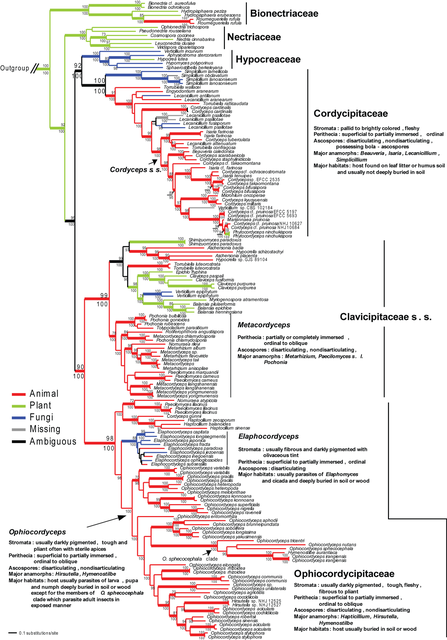 No-one knows why. ↩︎
 - This Decline Effect only seems to be a problem for psychology, new drug testing, and psi powers (but I repeat myself). Perhaps it deserves its own blogpost. ↩︎
- Apparently dogs like to be aligned with the Earth’s magnetic field when they poop, which is a useful thing to know if you are lost in the wilderness with a canine companion as your only help for orienting yourself. It is also a useful excuse if an owner wants to know why you are following them around the dog-exercise park with a camera. ↩︎
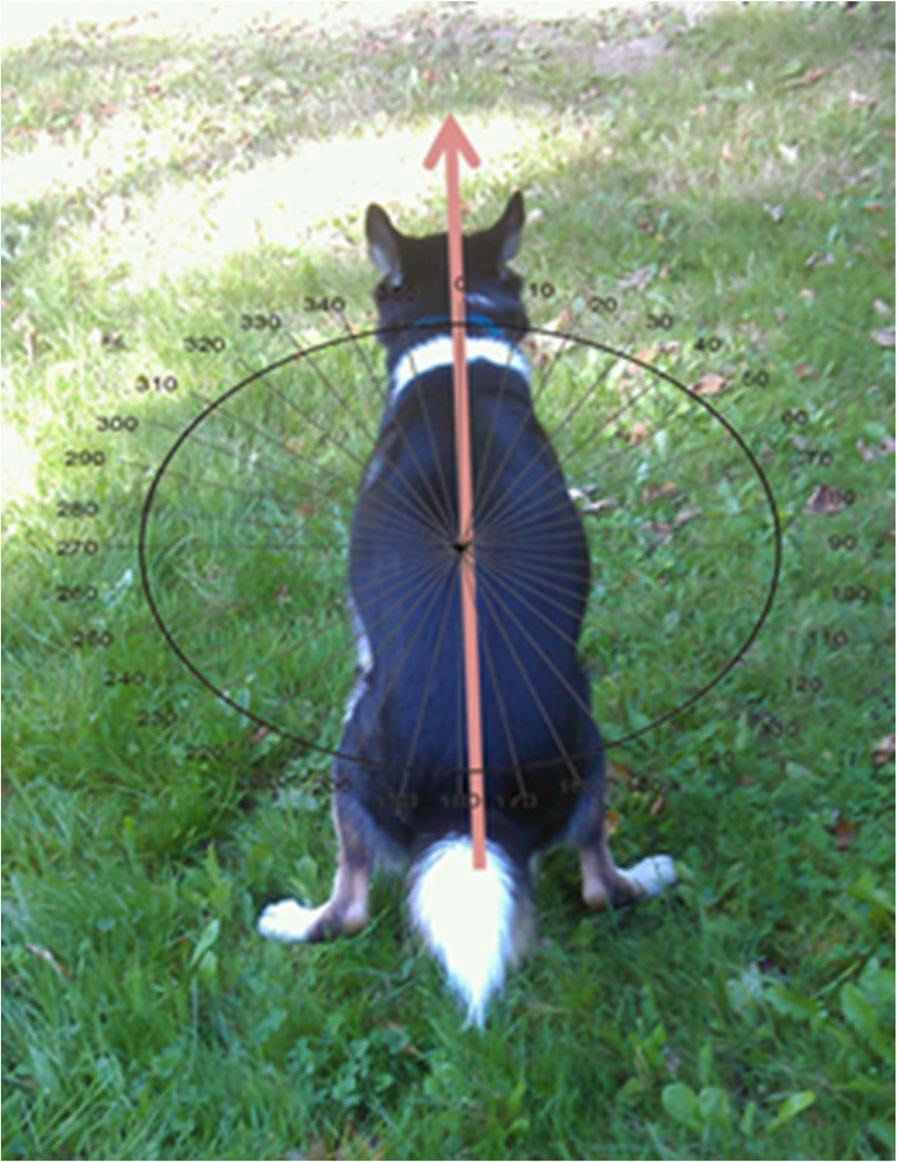
Dog seeking privacy beneath a very threadbare parasol
Donate to Smut Clyde!
If you liked Smut Clyde’s work, you can leave here a small tip of 10 NZD (USD 7). Or several of small tips, just increase the amount as you like (2x=NZD 20; 5x=NZD 50). Your donation will go straight to Smut Clyde’s beer fund.
NZ$10.00

 For Better Science

Drinking Pražačka and Becherovka in honour of Czech science.
LikeLike
Because of your last visit to Prague.
https://www.theguardian.com/world/2024/oct/15/prague-pub-crawl-ban-tourism-zdenek-hrib
LikeLike
Oh come on, why Pražačka? Got it, in honour of Czech “science”.
Need to finalize the study how beer turns men into zombies. Unfortunately, experiment it also on myself therefore every time at the end of the experiment do not collect the data. 😛
LikeLiked by 1 person
TBH, mainly because it’s cheap. I can’t afford Urquell.
LikeLike
And have you ever heard of the Frozen evolution? https://www.frozenevolution.com/
A scathing review of the book here: https://www.frozenevolution.com/sites/default/files/graur.pdf
LikeLike
“a checklist of the
most significant attributes of scientists and quacks”
That would be useful.
LikeLike
After reading Demonsts et al (1965) i can confirm that the study took place in a tuberculosis sanatorium and not an orphanage (litterally : “Service de Pneumophtisiologie de l’Hôpital de Brévannes” in the article).
The authors knew what they were doing.
In French :
Translation in english, from Deepl :
This experiment is disgusting, I’m speechless.
LikeLiked by 1 person
My gob is smacked; my flabber is ghasted.
“These children we’re looking after allowed themselves to get sick, and they’re probably poor. So they’re disposable.”
LikeLike
“The risk factor for schizophrenia is in-utero exposure to a maternal seasonal infection, is more in keeping with the data”. Methinks that Smut Clyde should examine those so-called “data” in little more depth before writing this. The supposed link between maternal infection or inflammation with schizophrenia or autism, which has spawn of whole field of neuroscience, is based on an astoundingly weak body of epidemiological data, not to say none.
LikeLiked by 1 person
I am prepared to learn. Can you recommend particular sources?
You are now legally obliged to write a guest-post about the issue…
LikeLiked by 1 person
Thank you for your offer of legal obligation, but I am not at all a specialist: it might have been irresponsible of me to manifest myself here on this subject; and it would be preposterous to pretend I can “teach” you anything; but now I have to answer you). I should say upfront that the story is not in the same league of ineptitude as the ones you usually lampoon; and that, in fairness, it is a very difficult type of epidemiological study that I was alluding to, given that the hypothetical trigger precedes the consequences by 15 years or more. I will just mention that the idea of maternal infection as a cause of psychiatric diseases was spawned in great part by two studies concerning the 1957 influenza pandemic (Mednick et al., Arch Gen Psychiatry 1988;45:189-192) (cited 1000 times) and O’Callaghan E. (Lancet 1991 337(8752):1248-50), which were later criticized, remade with more data and different assumptions (Crow and Done, British Journal of Psychiatry (1992), 161, 390-393), also Selten et al (Schizophrenia Bulletin vol. 36 no. 2 pp. 219–228, 2010 and Schizophrenia Research 183, 2017, 2-9), in ways that were not debunked (to my limited knowledge) — and the signal (probably not huge to begin with) quietly disappeared into the noise. Logically, the lack of uptick in schizophrenia after that pandemic is not only a lack of evidence for the influenza hypothesis of schizophrenia, but evidence against it. But my guess is that by then, it was too late to squash a fashionable hypothesis, animal studies had already kicked in and the story, or field, was too big to fail, so to speak. Now, there are thousands of animal studies, schizophrenic and autistic mice, pre-pulse inhibition tests, many paradigms of inflammation, etc. that I will refrain from commenting on. The other often cited body of epidemiological data comes from Alan Brown, Columbia University, who seems to have devoted pretty much his career to this and deals with prospective cohorts and retrospective serological studies (such as in: Prenatal exposure to maternal infection and executive dysfunction in adult schizophrenia. American Journal of Psychiatry 2009;166: 683-690). I remember that the statistical basis in these studies tended to be minuscule (but I am not a statistician), and one study involved women who had been hospitalized for an infection during pregnancy, suggesting (to me) that complications (possibly life threatening?), might have been the relevant correlate (if there was one), instead of what one usually thinks of as flu. I can’t find it now after a brief attempt. And over the years I noticed that, in the introduction or discussion of many papers, passing claims of strong epidemiological support for a maternal infection/inflammation cause of schizophrenia or autism usually refer to reviews, which refer to reviews, which refer to reviews, back to the original studies I mentioned. But it was all an act of amateurish sleuthing. The context, obviously, is that the dream of resorbing psychiatry into infectiology and of solving psychiatric diseases with the existing armamentarium of antibiotics and vaccines is immensely appealing…
LikeLike
Thanks for the pointers!
I encountered the ‘prenatal exposure’ idea many decades ago, when the strongest evidence was the seasonal variation in the birthdates of schizophrenics. So people have had plenty of time to run more rigorous studies. The failure to find convincing evidence is rather disappointing.
LikeLike