

Smut Clyde, like so many old men, grumpily complains about falling standards, infidelity and a general lack of morals among the young papermillers of today.
The topic today is non-coding RNAs in cancer, a very peculiar field of biomedical science once invented by fraudsters in Carlo Croce lab and turned into a gigantic billion-dollar garbage industry operated by Chinese papermills.
At least ImageTwin is there to help poor Smut with the search!
There will be erupting plots, xenograft-tumor fashion parades, western blot bunnies, survival curves of zero abluent mice, and flaw cytometry evicted from Smut’s memory palace. Yes, dear publisher executives, there is a spreadsheet, two in fact (here and here).

Grinding slowly but exceeding small
By Smut Clyde
 Volcano plots are inspired by Dahl’s romantic renderings of Vesuvius and Etna. if I understand correctly, each piece of hurtling lava is a single gene-expression fold-change from microarray data. The idea is to plot the range of relationships – drawing upon available archives and databases – to provide a rationale for studying one particular straw from the haystack as a potential needle. Less charitably, they are part of the Garbage-in-garbage-out processing machinery of ncRNA research, and they assist papermillers with their pretence that the components of the titles of their made-up manuscripts were scrupulously chosen before the purported experiments, rather than the outcome of a game of Mad-Libs.
 This is by way of introduction to some papermill reportage. To pad out this post to the length that readers have come to expect, I’ve strung several papermill oeuvres together. Not all are productive.
The tools for plotting volcano plots are accessible as freely as the raw data, so there really is no excuse for duplicating them across manuscripts. But if there is a corner, papermillers will cut it, and here we are. Full marks to the ImageTwin programmers who worked out the right combination of scene statistics and hash-codes that spot this kind of image duplication across millions of papers.

[right] Fig 1C from “The effects of lncRNA MALAT1 on proliferation, invasion and migration in colorectal cancer through regulating SOX9” (Xu et al 2018).
ImageTwin also recently improved its capabilities for finding flow-cytometry apoptosis scatterplots that match. We are relieved of the need to memorise them, which had taken over entire lobes of my brain and displaced the mental copies of Northern Renaissance artwork that I like to scroll past at night instead of sleeping. I spent a day in the Gemäldegalerie, refreshing the copies and redecorating my Memory Palace.

Doppelgängers as risk factors for illustrative bilocation
“For once I am not accusing the journal editors and peer-reviewers of incompetence and dereliction, nor calling for the literature reviewers who cite these fictions to be cashiered in the scholastic equivalent of a court-martial.”- Smut Clyde

More to the point, this enhanced capacity is revealing new depths to what I provisionally labelled the ‘Shanghai’ papermill. Apart from a disproportionate number of clients who are staff at the many Shanghai hospitals and medical schools, that mill was characterised by a particular style of Western Blot control bands, and a couple of distinctive gamuts of Flow-Cytometry scatterplots. Previous explorations of the mill’s oeuvre left me with a list of papers that were probably its products but lacked enough pubpeerifiable evidence. ImageTwin to the rescue!

Fig 8; Fig 11 from “Circular RNA-ZFR Inhibited Cell Proliferation and Promoted Apoptosis in Gastric Cancer by Sponging miR-130a/miR-107 and Modulating PTEN” (Liu et al 2018) [retracted]..

Fig 10D from “LncRNA UCA1 Impacts Cell Proliferation, Invasion, and Migration of Pancreatic Cancer through Regulating miR-96/FOXO3” (Zhou et al 2018) [retracted]
Fig 2D from “Study on Attenuating Angiogenesis and Epithelial–Mesenchymal Transition (EMT) of Non-Small Cell Lung Carcinoma (NSCLC) by Regulating MAGEC2” (Jiang et al 2018) [retracted].
Fig 2e from “Long noncoding RNA PVT1 modulates hepatocellular carcinoma cell proliferation and apoptosis by recruiting EZH2” (Guo et al 2018).

[below] Fig 2D from “Circular RNA-ZFR Inhibited Cell Proliferation and Promoted Apoptosis in Gastric Cancer by Sponging miR-130a/miR-107 and Modulating PTEN” (Liu et al 2018) [retracted].
 Then the same apoptosis-assay panels turned up in the work of what seems to be an unrelated papermill. I have no idea what is happening here, but fortunately it is not my job to adjudicate questions of who stole what from whom.
The xenograft-tumor fashion parades continue, with substitutions:

Fig 6b from “Tre2 (USP6NL) promotes colorectal cancer cell proliferation via Wnt/β-catenin pathway” (Sun et al 2019).
Fig 7A from “Knockdown of TRIM37 Promotes Apoptosis and Suppresses Tumor Growth in Gastric Cancer by Inactivation of the ERK1/2 Pathway” (Zhou et al 2020).
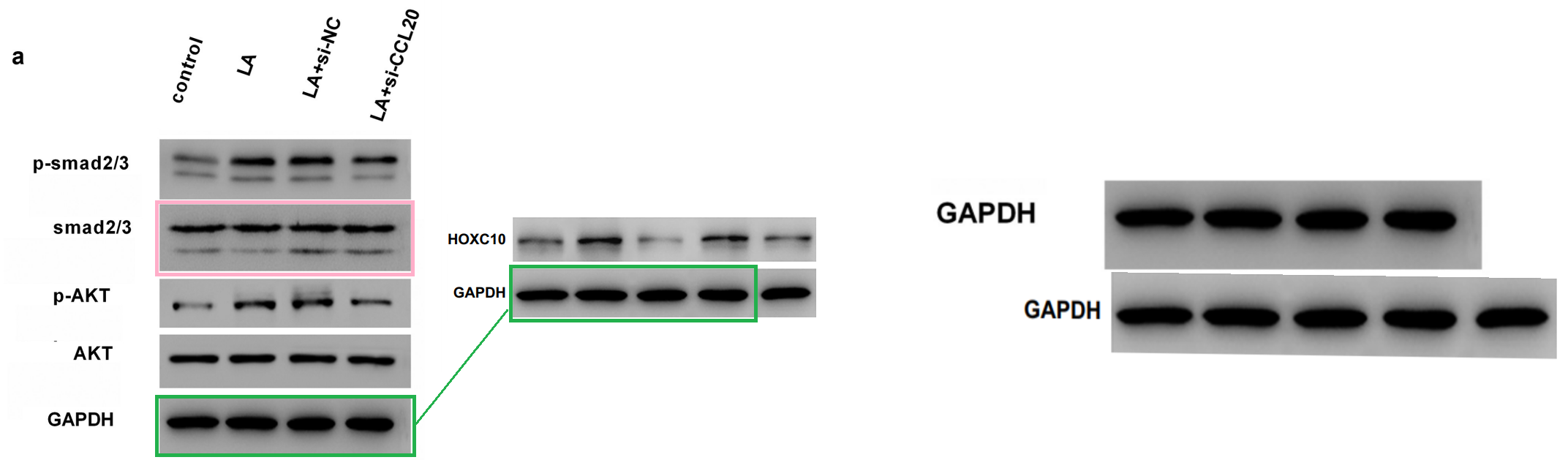

[right] Fig 3C from “Homeobox B7 accelerates the cancer progression of gastric carcinoma cells by promoting epithelial– mesenchymal transition (EMT) and activating Src– FAK pathway” (Wu et al 2019).
 Eighteen months ago, Hong Zhang reckoned that the Western-Blot duplications involving “ErHuang Formula Improves Renal Fibrosis in Diabetic Nephropathy Rats by Inhibiting CXCL6/JAK/STAT3 Signaling Pathway” (Shen et al 2020) were the fault of other researchers who had accessed their results through a shared research facility (totally not an outside laboratory), though Zhang promised to retract the paper for the good of the literature. Perhaps the discovery of further duplications will renew that determination.
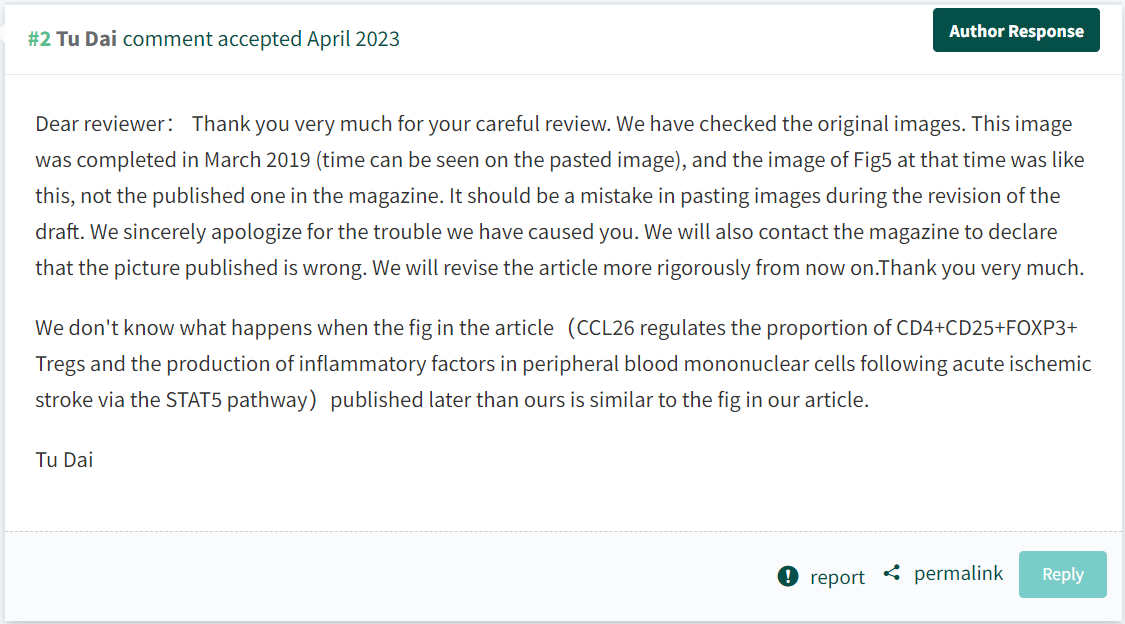 About the same time, Tu Dai – corresponding author of “Upregulation of ARHGAP30 attenuates pancreatic cancer progression by inactivating the β-catenin pathway” (Zhou et al 2020) – explained that the duplication of a loading-control band in their paper was totally an accident, and its earlier appearance in another paper must be the fault of the other authors. I don’t know how to tell them tactfully about the theft of their material by a third research group.
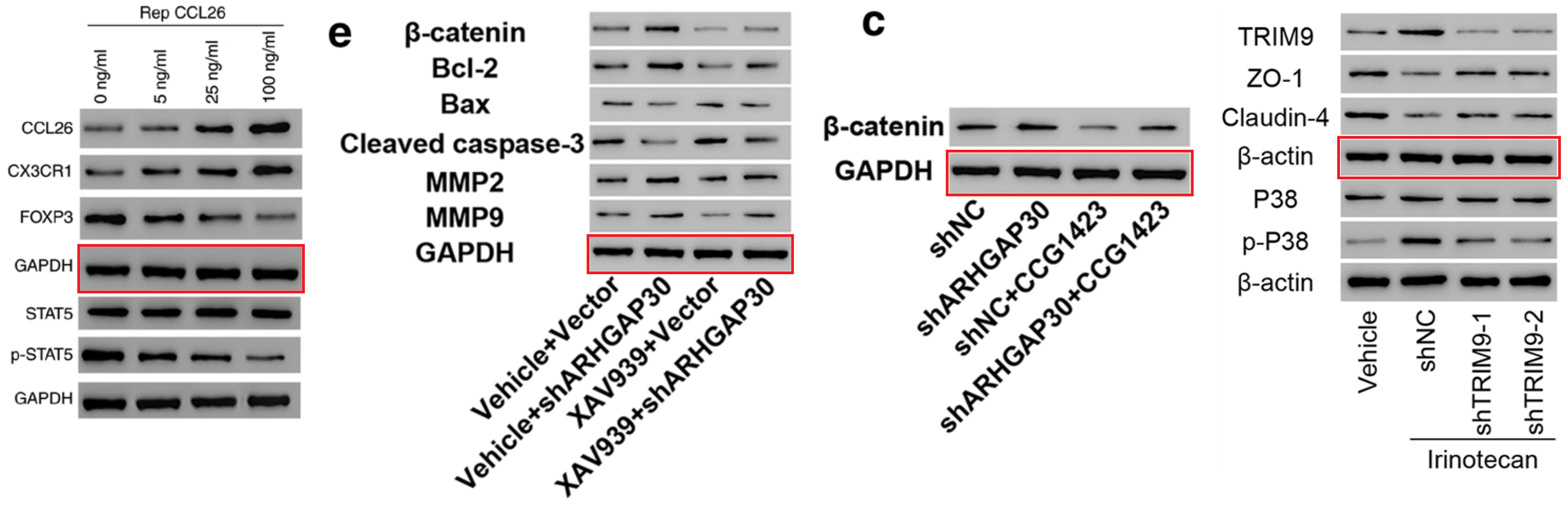
Fig 4e of “Upregulation of ARHGAP30 attenuates pancreatic cancer progression by inactivating the β-catenin pathway” (Zhou et al 2020).
Fig 5c from Zhou et al.
Fig 3F from “Knockdown of TRIM9 attenuates irinotecan‑induced intestinal mucositis in IEC‑6 cells by regulating DUSP6 expression via the P38 pathway” (Zhao & Wang 2021).
In fact Zhao & Wang helped themselves to more than one control band. This is not the first time that I have lamented the low morality of many participants in the papermill industry.

[right] Fig 4F from Zhao & Wang.
The spreadsheet of this mill’s probable products has passed 300 entries and I won’t be surprised if it eventually breaks four figures.

With Random Precision
“These skeezy fraud-friendly journals do have their uses. Once a papermill finds them, the fakes are concentrated in one place, undiluted by genuine research results, allowing a clear picture to crystallise and delineate its papermill style.” – Smut Clyde
Echo and the Bunnymill
The title comes from a three-fold manifestation of the titular lagomorphic Bunnyband within this mill’s WBs. Unless it’s a duck, of course. But “Condylocarpon amazonicum” had no hesitation in labelling the breed as a Black Havana cunniculus (“Being good hoppers and prolific breeders, care must be taken as these rabbits can readily escape and colonise new habitats“).

Fig 1J from “Oxymatrine suppresses the growth and invasion of MG63 cells by up-regulating PTEN and promoting its nuclear translocation” (He et al 2017).
Fig 2F from “miR-137 Inhibits Proliferation and Metastasis of Hypertrophic Scar Fibroblasts via Targeting Pleiotrophin” (Zhang et al 2018).
The mill primarily serves faculty at institutions attached to Shenyang University. Staff from the Reconstructive and Plastic Surgery department (General Hospital of Shenyang Military Region) have been regular customers in the course of building their careers… 19 papers coauthored by Bingyu Guo, for instance (15 of them by Kai Tao as well). I assume without deeper inquiry that these dudes rank highly enough in their departments for their names to go automatically into the authorship lists of papers purchased by their minions.
A caveat is required. In three early papers in this corpus (2015-2016), Guo was part of the Institute of Neurology at the same General Hospital. The lead author on those papers was one Xiaoming Li (whose later papers give less cause for concern).

Fig 3C from “Deoxypodophyllotoxin inhibits cell viability and invasion by blocking the PI3K/Akt signaling pathway in human glioblastoma cells” (Wang et al 2019) [retracted].
Fig 2D; Fig 3E from “Fangchinoline targets PI3K and suppresses PI3K/AKT signaling pathway in SGC7901 cells” (Tian et al 2015) [retracted].
Smaller clusters of papers within the spreadsheet served promotional needs at the Department of Orthopedic Surgery and the Department of Urology at Shengjing Hospital of China Medical University. The most frequent coauthors are Ming He and Liping Shan respectively. Both signed “Circular RNA circ_001621 promotes osteosarcoma cells proliferation and migration by sponging miR-578 and regulating VEGF expression” (Ji et al 2020), despite the lack of urology there.

Fig 4C from Ji et al (2020).
Fig 4F,G from “Naringin suppresses the growth and motility of hypertrophic scar fibroblasts by inhibiting the kinase activity of Akt” (Song et al 2018).
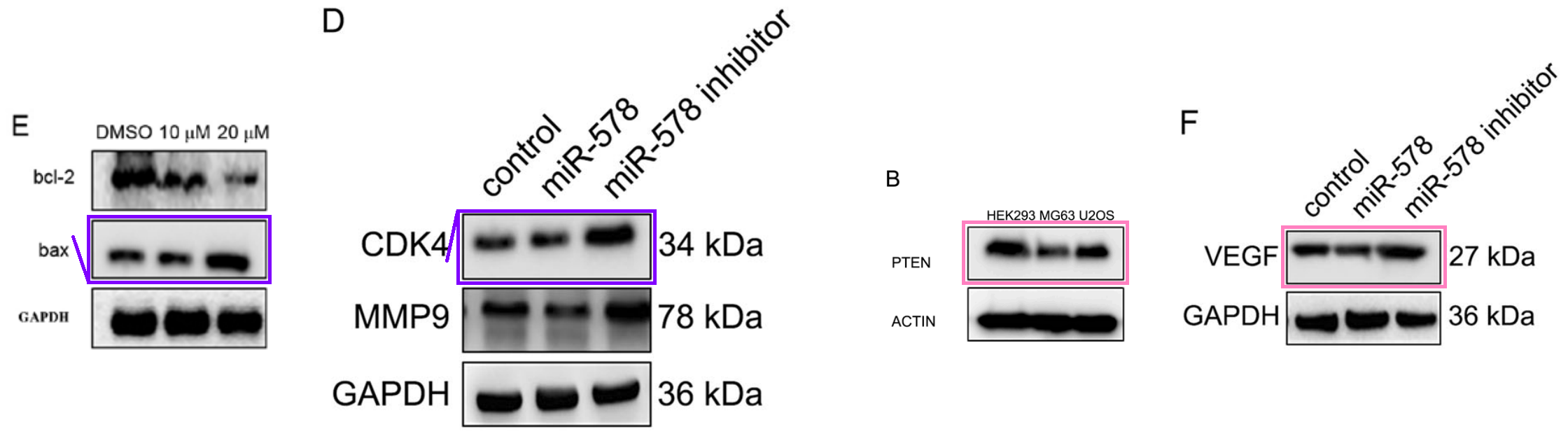
[right] Fig 1B from “Oxymatrine suppresses the growth and invasion of MG63 cells by up-regulating PTEN and promoting its nuclear translocation” (He et al 2017).; and Fig 2F from Ji et al.
There are other, smaller clusters of papers from repeat authors, but bored now. I will just add that Bingyu Guo has 20 entries on PubPeer, one more than can be attributed to the papermill. Imagine my sadness in reporting that its customers show a lamentable lack of loyalty, and patronise other papermills as well, to reach their publication targets.
There were other concerns:

Fig 1C from “Sodium cantharidate targets STAT3 and abrogates EGFR inhibitor resistance in osteosarcoma” (Ji & He 2019).

Fig 7D from “Extracellular vesicle derived miR-544 downregulates expression of tumor suppressor promyelocytic leukemia zinc finger resulting in increased peritoneal metastasis in gastric cancer” (Kong et al 2020).
Fig 4A/B from “Fangchinoline targets PI3K and suppresses PI3K/AKT signaling pathway in SGC7901 cells” (Tian et al 2015).
 In “KCNQ1OT1 promotes melanoma growth and metastasis” (Guo et al 2018), the millers gave us this scatterplot to show the interdependence between measurements of (a) the ncRNA of interest, and (b) a signalling-pathway protein. The relationship is perfectly linear (apart from four decorative outliers adorning the line), with none of the noise or other variables that one expects from biological systems and measurements.
Flow-cytometry cell-cycle histograms were recycled despite their weird features.
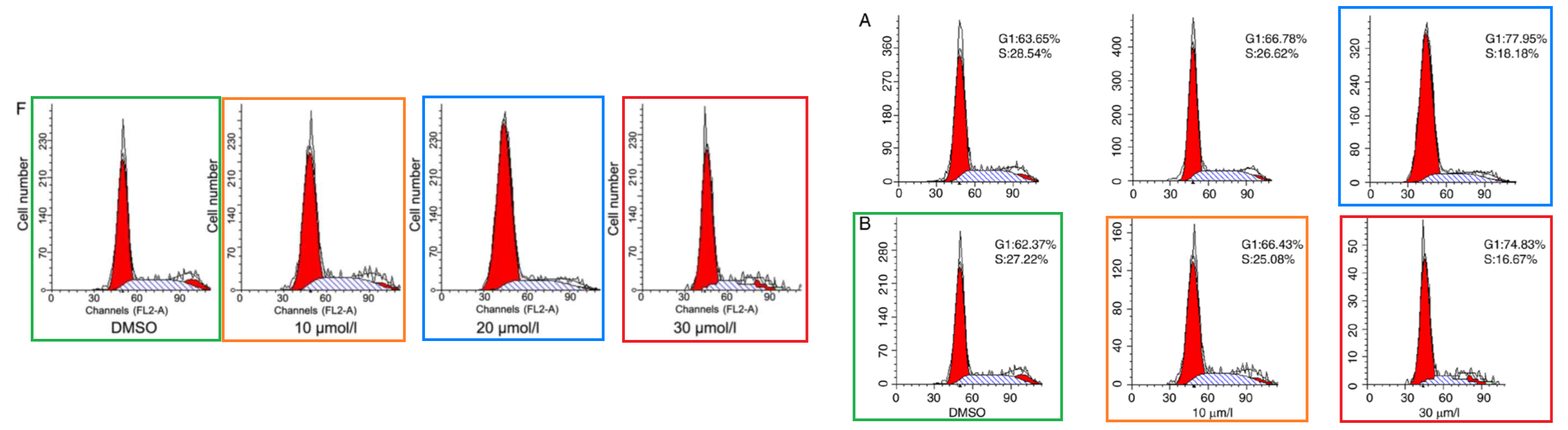
[right] Fig 2A,B from “Deoxypodophyllotoxin inhibits cell viability and invasion by blocking the PI3K/Akt signaling pathway in human glioblastoma cells” (Wang et al 2019).
Flow-cytometry apoptosis scatterplots were versatile, as they always are.


Fig 5C from “MiR-519d targets HER3 and can be used as a potential serum biomarker for non-small cell lung cancer” (Wang et al 2020).
Fig 4C from “MicroRNA‑525 enhances chondrosarcoma malignancy by targeting F‑spondin 1” (Liu et al 2019).

It is gratifying to report that the millers could draw on more than a single gallery of flow-cytometry panels.
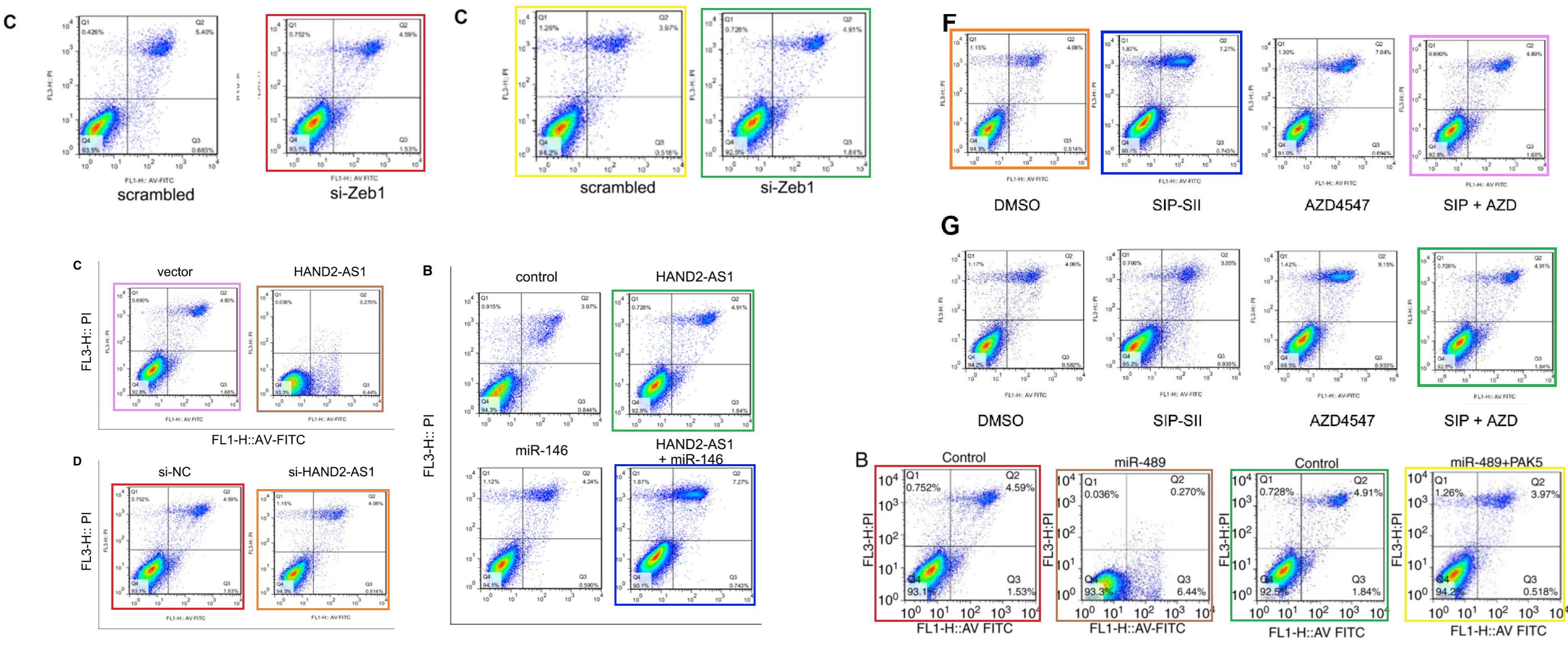
Fig.4F,G from “Sulfated polysaccharide of Sepiella maindroni ink targets Akt and overcomes resistance to the FGFR inhibitor AZD4547 in bladder cancer” (Shan et al 2019).
Fig 6B from “miR-489 promotes apoptosis and inhibits invasiveness of glioma cells by targeting PAK5/RAF1 signaling pathways” (Wang et al 2019) [retracted].
Figs 2C, 5B from “LncRNA HAND2-AS1 exerts anti-oncogenic effects on bladder cancer via restoration of RARB as a sponge of microRNA-146” (Shan et al 2021).

Dark Satanic Papermills
Smut Clyde investigates two more Chinese paper mills. One teamed up with an obscure Italian publisher, the other offers access to respectable society journals. How much of published and allegedly peer reviewed science is real?
Elucidation
Sadly, I cannot say the same for a small collection of 27 papers where the flow-cytometry scatterplots are all from the same small corner of ‘morphology space’.

To pick an example at random: Figs 4C, and 5E/F from “MiR-221-3p and miR-92a-3p enhances smoking-induced inflammation in COPD” (Shen et al 2021).

There is no pleasing the unsmiling critics who haunt PubPeer and pursue joyless feuds with the moderators there. We moan if the protein bands of Western Blots are too sharp-edged and high-contrast, but we also complain if they’re all blurry soft-focus. We complain if they have no backgrounds, just a flat featureless sheet of grey, but we are not satisfied either if the background texture repeats across bands and figures and papers. Mostly we grumble about Western Blots where the bands all show the same general configuration, not changing in shape as they migrate along the gel, so the blots come out looking like a designer abacus.
The full-service paper mill and its Chinese customers
An investigation by Elisabeth Bik, Smut Clyde, Morty and Tiger BB8 reveals the workings of a paper mill. Its customers are Chinese doctors desperate for promotion. Apparently even journal editors are part of the scam, publishing fraudulent made-up science.

In this case the Western Blot bands are blurry streaks such as the smoke of a candle might leave on paper moved slowly above it. They may be an hommage to Wolfgang Paalen and his fumage technique. I prepared a montage.

To be more specific: Figs 2A,B,C,D and 3D, 4A,B…

and Figs 5A-F from “Dual impacts of lncRNA XIST and lncRNA SNHG5 on inflammatory reaction and apoptosis of endothelial cells via regulating miR‐155/CARHSP1 axis” (Song et al 2020)

One suspects that the supply of these bands is inexhaustible, but the millers duplicate them anyway, because laziness.

[right] Fig 4A from “LncRNA NEAT1 reversed the hindering effects of miR-495-3p/STAT3 axis and miR-211/PI3K/AKT axis on sepsis-relevant inflammation” (Xia et al 2020).

 There are transwell panels. ImageTwin found two cases of image overlap within papers… but the overlaps are specific to the cells, while the backgrounds of pores in the putative Transwell membranes (though which the cells supposedly squeezed) do not match. It is almost as if cells and pores were separate layers of wallpaper in the Photoshop files used to generate these images.

At least one ID parade of mouse xenograft tumors is CGI or photoshop.

But the most recognisable and most easily-searched-for aspect of the millers’ products is their formulaic structure, with heavy reliance on a domesticated dinosaur beast of burden (Roget’s Thesaurus) to avoid monotony. This results in phrases that are stilted and invite accusations of “tortured’… “combined contributions” sometimes becomes “synthetic”.
The Abstracts have a combinatorial quality, combining a formulaic structure with the use of stilted synonyms to mask the underlying template. Certain features recur:
- This study / investigation was designed / intended / set out to study / elucidate / expound / ascertain / clarify…
- In the aggregate / altogether / totally, [we collected / recruited / gathered] X cases [were collected / recruited / gathered]. Hardly ever “in total”.
- A gratuitous “respectively” is often present, and a string of synonyms for “in addition”.

And “Abluent”.

 This ‘abluence’ paper (“LncRNA NEAT1 reversed the hindering effects of miR-495-3p/STAT3 axis and miR-211/PI3K/AKT axis on sepsis-relevant inflammation” (Xia et al 2020)) is remarkable in other ways. The authors begin with 30 mice in each group. Three hours after breaking legs and exsanguinating them, they killed (“executed”) 15 from each group; then the other 15 “around 24 h after trauma”. Also after 24 hours the authors injected the remaining 0 mice with sterile LPS and plotted survival curves for a further 48 hours. No ethical approval for mouse mutilation is mentioned, probably because none of this ever happened.
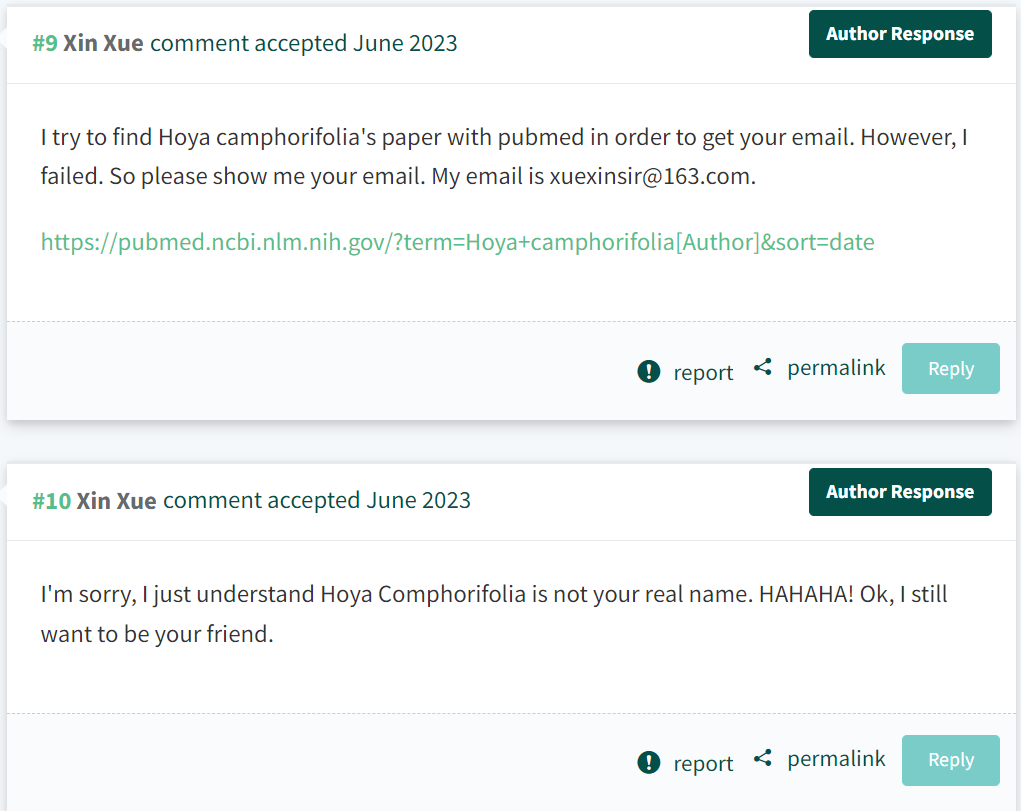 Am I alone in feeling uncomfortable when an author responds to questions about data by asking for the critic’s contact details so they can be friends?
Currently the spreadsheet for this papermill has the unimaginative label “Elucidation”. I am open to bribery if anyone wants the rare distinction of a papermill named after them.
Send bribes below:

Donate to Smut Clyde!
If you liked Smut Clyde’s work, you can leave here a small tip of 10 NZD (USD 7). Or several of small tips, just increase the amount as you like (2x=NZD 20; 5x=NZD 50). Your donation will go straight to Smut Clyde’s beer fund.
NZ$10.00

 For Better Science
Seeing this amount of chicanery and ne’er-do-wellism makes me feel abluent too.
LikeLiked by 1 person
Enjoy your writing as always! My data have never produced a volcano plot that tidy, but I’ve also never gotten a rabbit out of western plot, so perhaps it’s a wash.
LikeLike