

Alexander Magazinov turns his attention to the Silesian University of Technology in Gliwice, Poland. It seems to have more papermilling going on than it is common for an average post-PiS Polish university.
As every academic will sternly warn you, Science is of course always independent from politics. This is exactly why papermill industries are the strongest in totalitarian states like Iran, China and russia, and why science in certain authoritarian and chauvinist countries is full of quackery and fraud. Because of course academic positions are awarded on merit, yet what this merit exactly is, is defined locally.
In the PiS-ruled Poland, one could get ahead by publishing in catholic theology journals (read August 2024 Shorts), or by working with papermills, to satisfy the ridiculous metrics requirements the PiS government issued. Expert papermillers from Asia were recruited to Polish universities to boost metrics and rankings, and to share authorships with their hosts. Everyone profited, and it will take decades to clean up that mess.
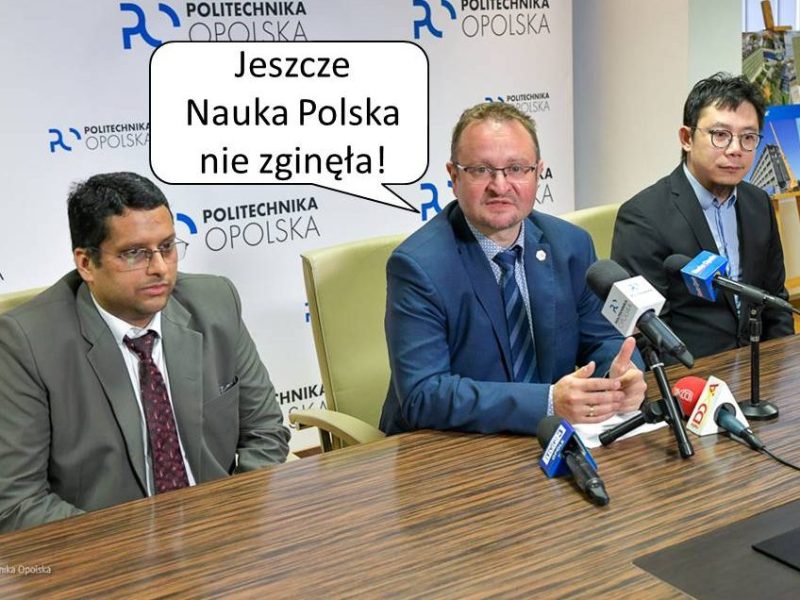
Polish science eaten by Papermill Krolczyk
“Prof. Grzegorz Królczyk, Vice-Rector for Science and Development of the Opole University of Technology, was elected President of the Council for Innovation in Higher Education and Science.”

Grzegorz Królczyk, the Vice-Rector of the Opole University of Technology, delivered probably the biggest papermill scandal in Poland so far. Krolczyk installed three Indian and Chinese fraudsters as Opole professors (read August 2024 Shorts). They all are part of a large international network which includes a papermilling ork called Danil Pimenov, a rascist in love with putin and kadyrov. This however didn’t prevent Krolczyk and his rector Marcin Lorenc to expose a Judeo-Ukrainian conspiracy by the russian secret agent Schneider (read July 2024 Shorts). At the end, Krolczyk had to resign from his newly acquired power position as chair of the governmental science council (read August 2024 Shorts).
And now, follow Magazinov to Gliwice.

The papermilling den of Gliwice
By Alexander Magazinov
Besides the affair of Grzegorz Królczyk, which enjoyed an extensive recent coverage on For Better Science, there are many other papermilling cases in Poland. For example, we have a good opportunity to revisit Anna Abalkina‘s work on the “International Publisher” enterprise, aka “123mi”. While this is a russian papermill, its operation had an important Polish twist:

Or this recent story on For Better Science, involving papermilling “scientists” from Wroclaw:

Retraction blackmail – new service by Iranian papermills
“I was asked to pay in bitcoin to avoid retraction”. – Zbigniew Leonowicz
This post is however devoted to Silesian University of Technology or Silesian Polytechnic (Politechnika Śląska), a Polish university, which has its main campus in the city of Gliwice and smaller campuses in Katowice and Zabrze. As you will see, there is a lot of papermilling happening in Gliwice, as if this place has suddenly become attractive to many “researchers” from different corners of the papermilling spectrum. Of course, it is possible that a small group of local people is responsible for adoption and coordination of papermilling activities. But if this is the case, these people clearly prefer to do their dirty work behind the scenes.
By the way, this is quite unlike the above mentioned Opole Polytechnic. First, in Opole, there is a single huge papermilling cluster; second, the “locals” in Opole demonstrate no shame: Grzegorz Krolczyk is signing dozens of papermill products and even rector Marcin Lorenc is accepting gift co-authorships.
In any case, there is quite a helpful Dimensions query. It yields all 2024 publications that mention Gliwice somewhere in the text. However crude this approach is, it is absolutely capable of uncovering papemilling activities. So here we go, let’s meet a handful of crooks who have infiltrated the Silesian Polytechnic.
Samrand Saeidi
Samrand Saeidi, professor at the Faculty of Energy and Environmental Engineering, is a travelling papermiller, probably a failed one. According to Dimensions, he has “only” a bit over 30 publications, but among those he could record co-authorships with such notorious figures as Dionysios Dionysiou (deceased, read June 2024 Shorts), Jiří Jaromír Klemeš (deceased), Yasin Orooji, Somchai Wongwises and Yong Sik Ok. Before arriving in Gliwice, Saeidi has been seen at the Malaysian campus of Nottingham University, in the German city of Bremen, and in two Hungarian universities – Budapest University of Technology and Economics and University of Szeged. You may read about Saeidi in this June 2024 edition of Shorts., but here we just quote his message:
“The security agency wants to interview you. It is a serious case. “
“Remember, I am a researcher at risk, of course, under security protection. It IS PLAYING WITH FIRE.“”
Here is a fine example of Saeidi’s junk science, in a MDPI outlet and co-authored by Dionysiou.
Narges Mohammadian, Seyyed M Ghoreishi, Samira Hafeziyeh, Samrand Saeidi, Dionysios D Dionysiou, Optimization of Synthesis Conditions of Carbon Nanotubes via Ultrasonic-Assisted Floating Catalyst Deposition Using Response Surface Methodology, Nanomaterials (2018), doi: 10.3390/nano8050316.
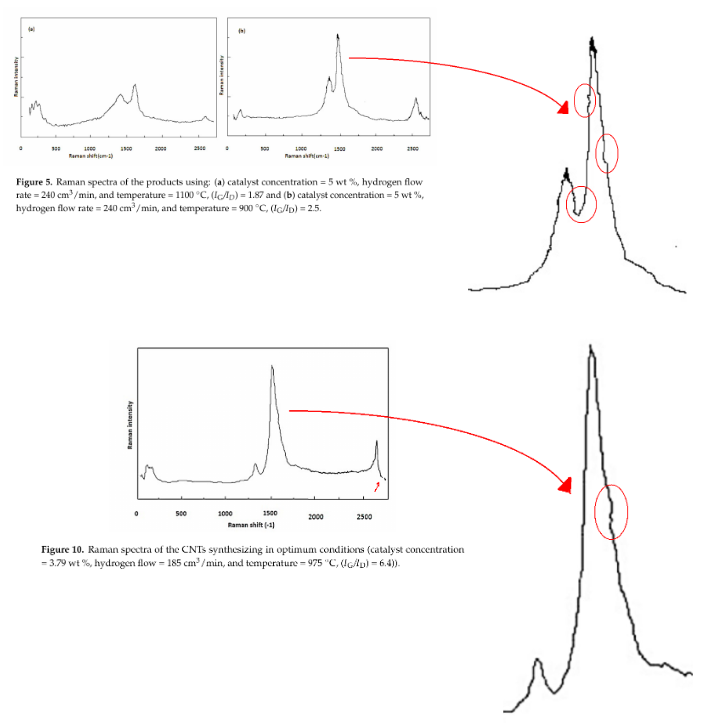
Or these animal-themed optimization algorithms, where the authors are willing talk about everything, except about how they obtained their actual data. In fact, it is fair to believe that their reactor belongs to the world of fantasy, and whatever is happening inside it, too. But anyway, you can enjoy Artificial Bee Colonies, Differential Evolution and Dragonflies!
- Sara Najari, Gyula Gróf, Samrand Saeidi, Fausto Gallucci, Modeling and optimization of hydrogenation of CO2: Estimation of kinetic parameters via Artificial Bee Colony (ABC) and Differential Evolution (DE) algorithms, International Journal of Hydrogen Energy (2019), doi: 10.1016/j.ijhydene.2019.01.020
- Sara Najari, Samrand Saeidi, Gyula Gróf, Frerich J. Keil, Alírio E. Rodrigues, Kinetic parameters estimation via dragonfly algorithm (DA) and comparison of cylindrical and spherical reactors performance for CO2 hydrogenation to hydrocarbons, Energy Conversion and Management (2020), doi: 10.1016/j.enconman.2020.113550
The first paper appeared in Elsevier’s papermill-only journal International Journal of Hydrogen Energy, which is run by a Turkish family:
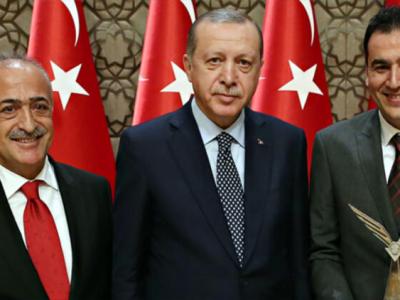
Erdogan’s academic elites
Önder Metin had a rogue PhD student whom he trusted “to ensure their academic growth”. But “mistakes were made by mistake”, conclusions are never affected. Yet those who still complain, will pay dearly.
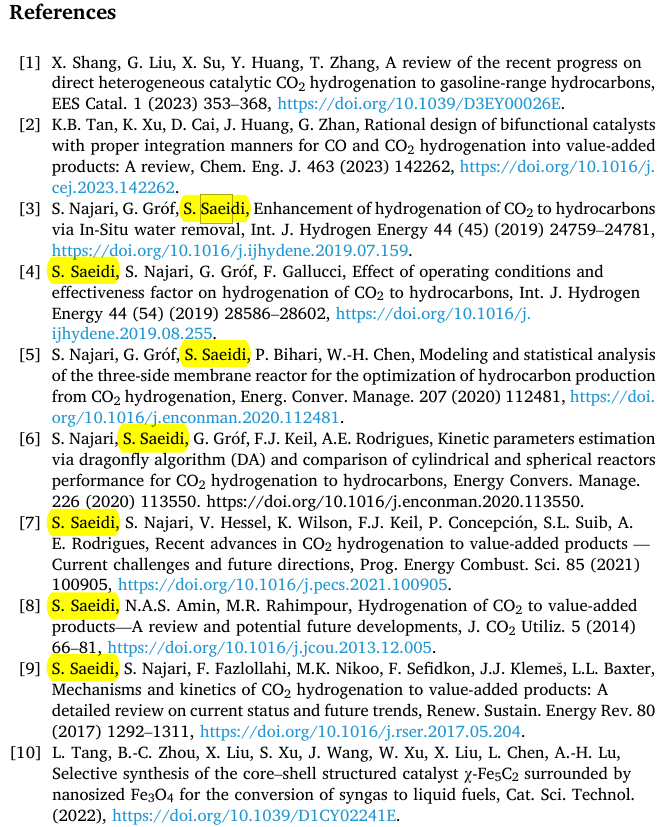
Now, the most recent piece by Saeidi, with Gliwice affiliation. You will recognize the self-citation trick from the above Shorts.
Sara Najari, Samrand Saeidi, András Sápi, Ákos Szamosvölgyi, Ádám Papp, Anastasiia Efremova, Henrik Bali, Zoltán Kónya, Synergistic enhancement of CO2 hydrogenation to C5+ hydrocarbons using mixed Fe5C2 and Na-Fe3O4 catalysts: Effects of oxide/carbide ratio, proximity, and reduction, Chemical Engineering Journal (2024), doi: 10.1016/j.cej.2024.149787
Mujahid Ali
Remember Roman Fediuk, a papermilling freak and a lieutenant-colonel of the ruscist army? If not, here is my post about him:

Russkiy Mir at Elsevier and MDPI
Alexander Magazinov presents you two russian professors whom Elsevier and MDPI consider respectable: a Lt Colonel of putin’s mass-murdering army, and a machine-gun totting rascist. Both buy from papermills.

I have great news! Fediuk has received his hard-earned promotion to colonel.
Roman Sergeevich Fedyuk – Doctor of Technical Sciences, Associate Professor, Professor of the Department of the Chief of Engineering Troops of the Military Training Center of FEFU, Colonel.
[…]
Under his leadership, with the active participation of colleagues and the student scientific community, a scientific school for the development of composites for special structures was created at the Military Training Center. The results of the researchers’ work have already become fiber-reinforced concrete with fibers as a reinforcing material, a special concrete composition for the construction of airfield runways and other new concretes of various compositions for protective and hydraulic structures, as well as construction in the Arctic.
Roman Fedyuk connects his life path with the development of scientific activity at FEFU.
Google-translated source (archived)
More great news: a certain associate of Fediuk, called Mujahid Ali, has landed precisely in Gliwice, as PhD Scholar at the Faculty of Transport and Aviation Engineering.
“Mujahid Ali is a Civil Engineering student, with having specialization in Transportation Engineering. Mr. Ali is currently pursuing his Doctor of Philosophy at Politechnika Śląska, also known as Silesian University of Technology, in Poland, where his Ph.D. research focuses on utilizing machine learning technologies to assess travel mode choice and conduct life cycle analysis of the greenhouse gas emissions from the transportation sector. He won a best PhD student award for the year of 20[2]3/2024. He accomplished his Master’s degree from Universiti Teknologi Petronas, Malaysia with minor corrections and received a title of graduation on time (GoT) award. Besides, he received several awards such as the Academic Excellence Award, High Impact Factor Award, and Best Postgraduate Student Award. After his Master’s studies, he was a research scientist at Universiti Malaya, Malaysia (QS # 65 in the world ranking). He has good experience in academia and published several articles in national and international journals and conferences. Mr. Ali has been publishing his work since 2020, and his research in the field of civil engineering has resulted in an extensive publication record in renowned scientific journals. In total, he has published over eighty (80) full-length, peer-reviewed papers. Mr. Ali’s published research has gone on to be highly impactful, resulting in over 1300 citations to his work to date.”
https://sciprofiles.com/profile/2794813 (archived)
Let’s recall the fabulous special issue in MDPI by Fediuk and Ali, where 25 of the 42 articles were co-authored by Fediuk himself, here their editorial:
Roman Fediuk, Mujahid Ali, Recyclable Materials for Ecofriendly Technology, Materials (2022), doi: 10.3390/ma15207133
The special issue has vanished since, its page returns a 404 error, but we have a snapshot. Here is how Fediuk commented on this situation on PubPeer:
“The first volume of our special issue was very successful, with more than 50 articles published. Therefore, the publishers of the MDPI offered us to organize the second volume. However, this proposal was later withdrawn without explanation. We think this is due to the fact that one of the guest editors from Russia….
Best Regards, Roman Fediuk“
Actually not true, MDPI loves everything russian and instead occasionally bans submissions from Ukraine (read February 2024 Shorts). It is rather that Fediuk’s excessive papermill fraud made them cautious.
Another “research” paper by Fediuk and Ali in an Elsevier journal with a MDPI-esque name:
Mujahid Ali, Muhammad Imran Khan, Faisal Masood, Badr T. Alsulami, Belgacem Bouallegue, Rab Nawaz, Roman Fediuk, Central composite design application in the optimization of the effect of waste foundry sand on concrete properties using RSM, Structures (2022) , doi: 10.1016/j.istruc.2022.11.013
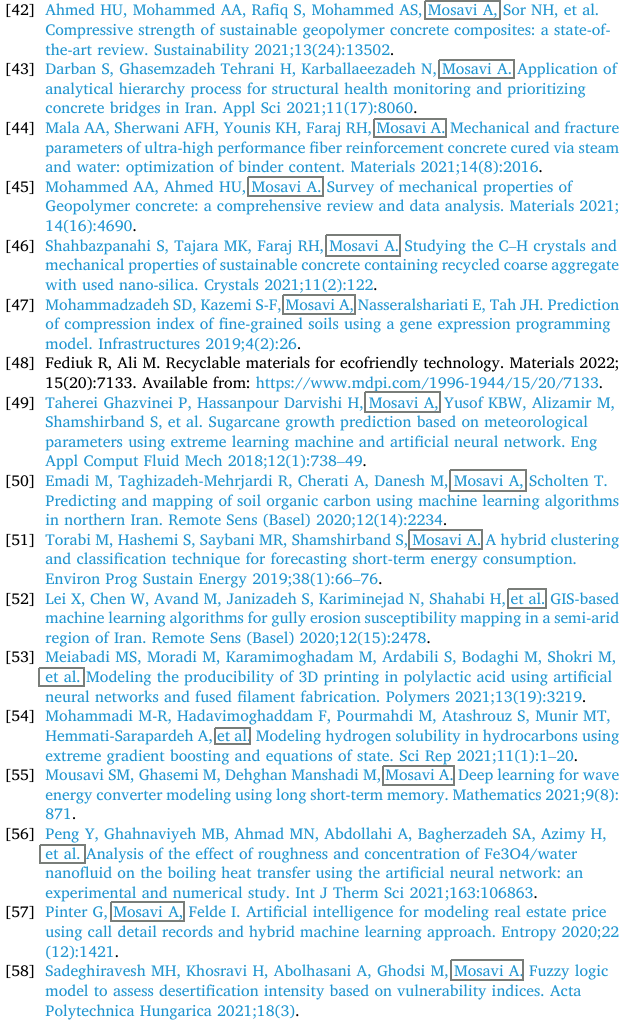
With loads of irrelevant citations to Germany’s “Green Talent” Amir Mosavi, read about him here:
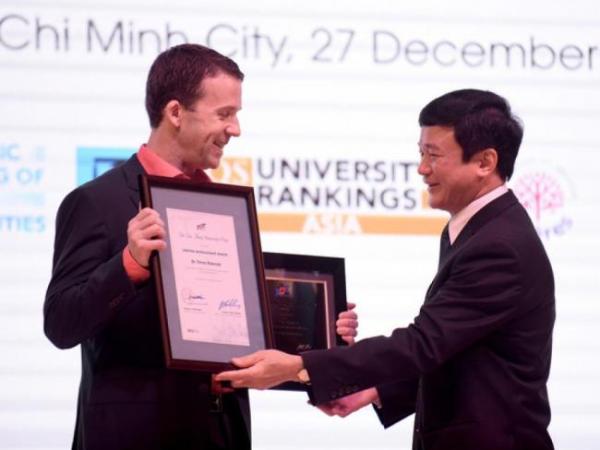
Karimipour Saga II: Vietnamese Bauhaus
“[Timon Rabczuk] is happily accepting 2 million euro of European money, whilst at the same time optimizing his return-on-investment on Vietnamese affiliation scam and cashing in on his ‘highly cited researcher’ accolades by also posing as King Saud researcher.” – Maarten van Kampen

Fediuk’s response (yes, a stupid one):
“Your arguments are baseless. The fact that the authors refer to the articles of their colleagues indicates that a large-scale and multi-dimensional long-term study was carried out.
Best Regards, Roman Fediuk“
Or this, with Mujahid Ali but without Fediuk, but likewise with inappropriate citations to Mosavi. And, not to leave Mosavi alone, some citations are gifted (sold?) to a massive citation fraudster, “a certain YM Chu”.
Panyu Tang, Mahdi Aghaabbasi, Mujahid Ali, Amin Jan, Abdeliazim Mustafa Mohamed, Abdullah Mohamed, How Sustainable Is People’s Travel to Reach Public Transit Stations to Go to Work? A Machine Learning Approach to Reveal Complex Relationships, Sustainability (2022), doi: 10.3390/su14073989

But apparently, Ali’s papermilling and ruscist connections are of no concern to anyone in Gliwice.
Shahid Mumtaz
Another acquirement for Silesian Polytechnic to be proud of: Shahid Mumtaz, professor at the Faculty of Automation, Electronics and Computer Science, is a prominent figure in the papermilling ecosystem which manifested itself first in Microprocessors and Microsystems, then in Hindawi. Look here,
Expression of Concern to SMART AGRI Special Issue, Microprocessors and Microsystems (2021), doi: 10.1016/j.micpro.2021.104307
“Subsequent to acceptance of these special issue papers by the responsible Guest Editor Vimal Shanmuganathan, the integrity and rigor of the peer-review process was investigated and confirmed to fall beneath the high standards expected by Microprocessors & Microsystems. Due to a configuration error in the editorial system, unfortunately the Editor in Chief or designated Handling Editor did not receive these papers for approval as per the journal’s standard workflow.
The journal is currently assessing final, paginated articles published within the Special Issue. If deemed necessary following this assessment, readers will be further updated in accordance with Elsevier and Committee on Publication Ethics best practices.”
The blame was put on one of the editors, but the full list is: Danilo Pelusi, Shahid Mumtaz, Smail Niar, Vimal S., Suresh A., Mazen A. R. Saghir.

A rule-based structure of three pigs
Smut Clyde came to check how the Elsevier journal Microprocessors & Microsystems so far handled its “problems caused by dishonest guest editors and reviewers”.

Evidently, this Elsevier whitewashing served as an encouragement for Mumtaz. So we got, for example, this, representing the Hindawi papermilling period:
Chengxiang Li, Shuhu Li, GuiJie Yu, Microscopic Interface and Multiscale Failure Analysis of Proposed Molecular Chain Polymers Based on Aifantis Strain Gradient Theory, Computational Intelligence and Neuroscience (2022), doi: 10.1155/2022/1153080
There is a clear emphasis on boosting the citation count of a certain S Mumtaz via irrelevant citations. The paper was retracted in July 2023:
“This article has been retracted by Hindawi following an investigation undertaken by the publisher [1]. This investigation has uncovered evidence of one or more of the following indicators of systematic manipulation of the publication process:
- (1) Discrepancies in scope
- (2) Discrepancies in the description of the research reported
- (3) Discrepancies between the availability of data and the research described
- (4) Inappropriate citations
- (5) Incoherent, meaningless and/or irrelevant content included in the article
- (6) Peer-review manipulation
The presence of these indicators undermines our confidence in the integrity of the article’s content and we cannot, therefore, vouch for its reliability.”
Never trust anything connected to Aifantis…
My heart belongs to Daddy, So I simply couldn’t be bad
“A complex fraud involving a Greek scientist and her network of international researchers has been uncovered by investigators from the European Anti-Fraud Office (OLAF).”
Citation farming by Mumtaz in Hindawi venues was intensive enough to get on the radar of Parashorea Tomentella, read here:

Hindawi Garbage Sorting System, Based on Citations
Parashorea tomentella continues their investigation of Hindawi’s uneasy collaboration with Chinese papermills. Can it be solved with the promised 511 retractions?

…I realized that Chunjiong Zhang was almost as prolific as Huang, and I thought he deserved his own cluster. […]
This cluster also includes Osamah Ibrahim Khalaf (Al-Nahrain University, Iraq), Rahman Ali (University of Peshawar, Pakistan), and Shahid Mumtaz (Instituto de Telecomunicações, Portugal), all of whom are guest editors at Hindawi. It is interesting to note that most of the citations they receive do not come from the special issues for which they are guest editors.”
And no, Mumtaz did not quit citation farming after the demise of Hindawi. A fresh one, published by Frontiers:
Zhan Shi, Delay and cost-balanced communication resource management for IoT-empowered distribution grid energy dispatch, Frontiers in Energy Research (2024), doi: 10.3389/fenrg.2024.1378320
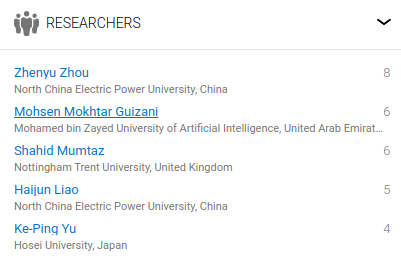
Mumtaz has at least one more affiliation other than Gliwice. He is now professor in England!
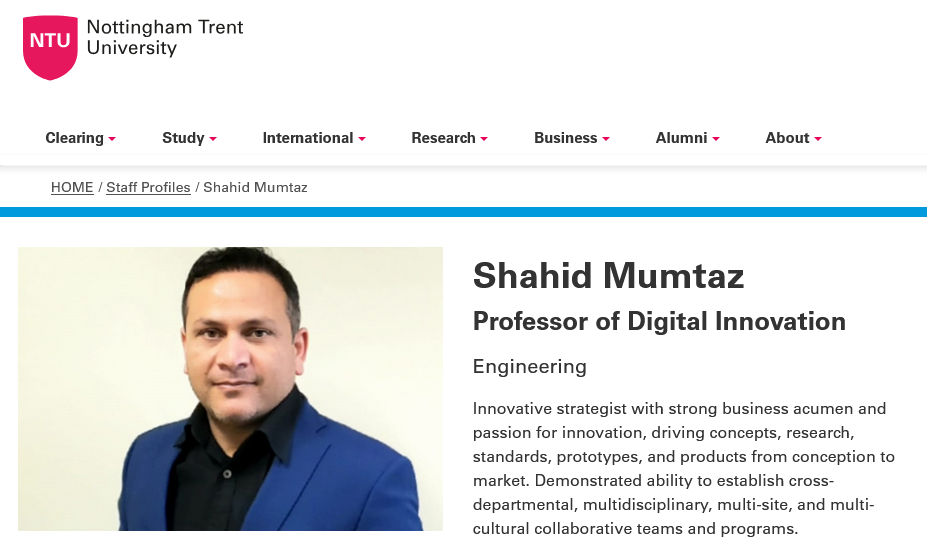
From Portugal, Mumtaz moved to Nuttingham Trash University, where he is now “Professor of Digital Innovation“, “with strong business acumen“, running “multi-cultural collaborative teams and programs“, all very unironically. A perfect fit for this university:

Nuttingham Trash University
“I will not by myself, or be instructing or encouraging any other person or howsoever othewise, publish or cause to be published words or otherwise howsoever make statements to others which wrongfully refer to Nottingham Trent University and/or their employees and for any person or any body associated with Nottingham Trent University”
Others: Robertas Damaševičius, Muhammad Ahsan, Sourbh Thakur, Witold Pedrycz
And there are more. Like a Lithuanian phrase-torturer from Kaunas University of Technology, Robertas Damaševičius (PubPeer record), who is also adjunct professor at Faculty of Applied Mathematics in Gliwice:
Najam-ur Rehman, Muhammad Sultan Zia, Talha Meraj, Hafiz Tayyab Rauf, Robertas Damaševičius, Ahmed M. El-Sherbeeny, Mohammed A. El-Meligy, A Self-Activated CNN Approach for Multi-Class Chest-Related COVID-19 Detection, Applied Sciences (2021), doi: 10.3390/app11199023

Then there is Muhammad Ahsan (PubPeer record), currently #opentowork on LinkedIn, but listed in March 2024 as student at the Faculty of Automatic Control in Gliwice. He was spotted in co-authorship with Mika Sillanpää and Reza Akhavan-Sigari:
Mohamed J. Saadh, Hussam Elddin Nabieh Khasawneh, Geovanny Genaro Reivan Ortiz, Muhammad Ahsan, Dinesh Kumar Sain, Kareem Yusuf, Mika Sillanää, Amjad Iqbal, Reza Akhavan-Sigari, Synthesis and characterization of ZrFe2O4@SiO2@Ade-Pd as a novel, recyclable, green, and versatile catalyst for Buchwald–Hartwig and Suzuki–Miyaura cross-coupling reactions, Scientific Reports (2023), doi: 10.1038/s41598-023-37680-2
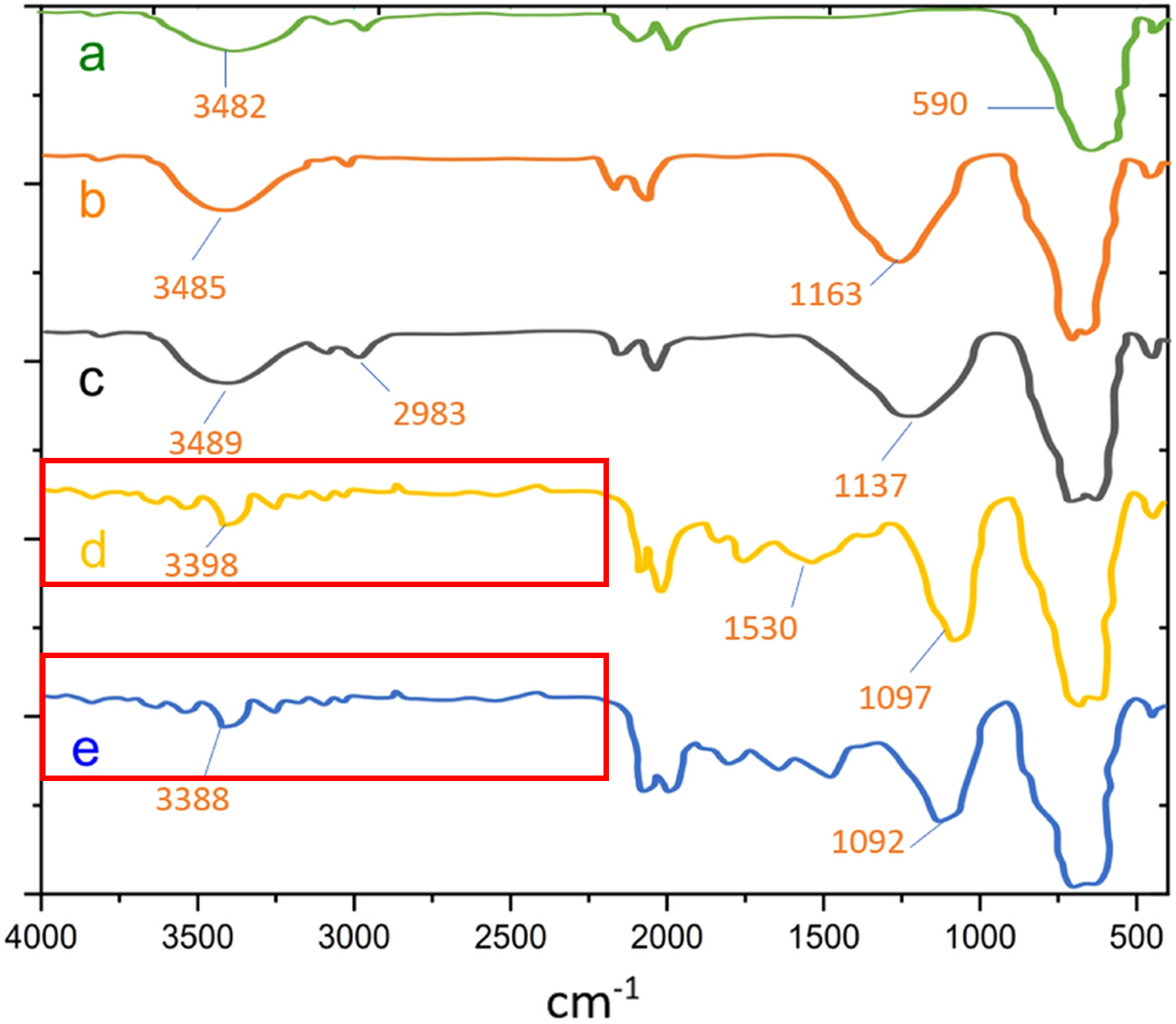
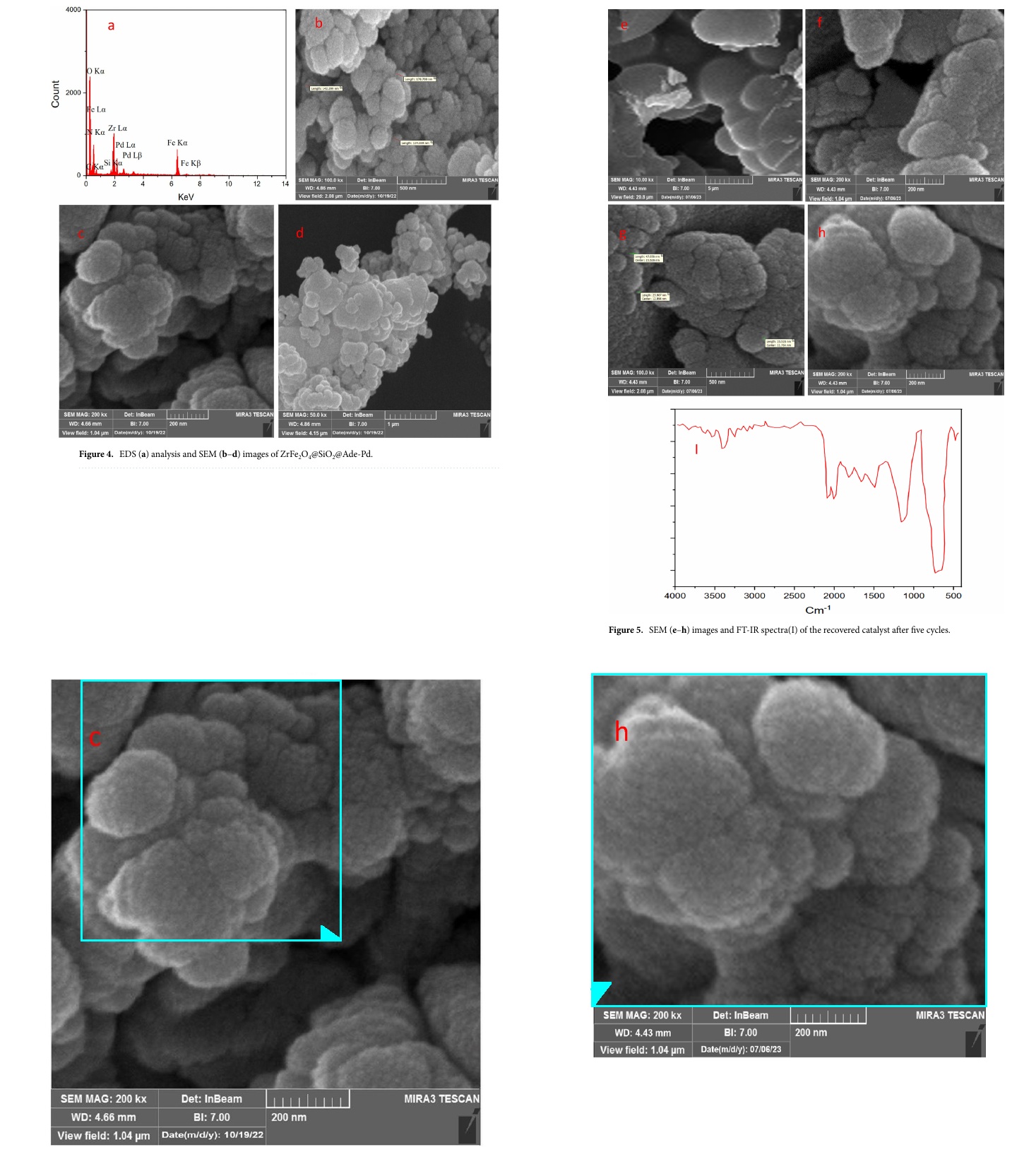
Yes, even with a typo in Sillan(p)ää’s surname, because this is how much this papermill cares about the content (i.e., doesn’t give even a flying toss). There are more image and text shenanigans, see the PubPeer discussion. All that was apparently too much even for Scientific Reports, hence a retraction in May 2024:
“The Editors have retracted this article.
After publication, concerns about the FTIR data in Figure 1 and XRD spectrum in Figure 2 were raised to the Editors. The Editors requested full raw data from the Authors, but the Authors did not provide a response, and the published Author Correction also does not address the concerns satisfactorily. The Editors have therefore lost confidence in the reliability of the article’s findings and conclusions.
Geovanny Genaro Reivan Ortiz agrees with this retraction. The remaining authors did not respond to correspondence from the publisher about this retraction.”
Those who are not familiar with Akhavan-Sigari or Sillanpää, can read about them on this blog:
Gardening goats and external papermills in Tübingen
One shooting and one falling star of University Clinic Tübingen. Meet the research ethics champion Julia Skokowa and the eternally affiliated Renaissance Man Reza Akhavan-Sigari,

More by Ahsan, with a failed papermiller Qusay Hassan (who recently received a retraction for plagiarizing Sasan Sadrizadeh – another researcher with less-than-flawless background), and also with Marek Jaszczur, another papermilling Polish professor, and vice-dean for education at the AGH University of Krakow. Jaszczur is Hassan’s former PhD mentor, who introduced him to the Iraqi papermills, but Jaszczur is also an associate of Afshin Davarpanah. Read here:

Anyone can start a papermill!
“There are no capital requirements or significant technological barriers, anyone can create papers by rewriting already published works, either themselves or with the assistance of ChatGPT or other software. With a Telegram channel or WhatsApp group the papermiller can easily organise the sale of authorship” – Nick Wise

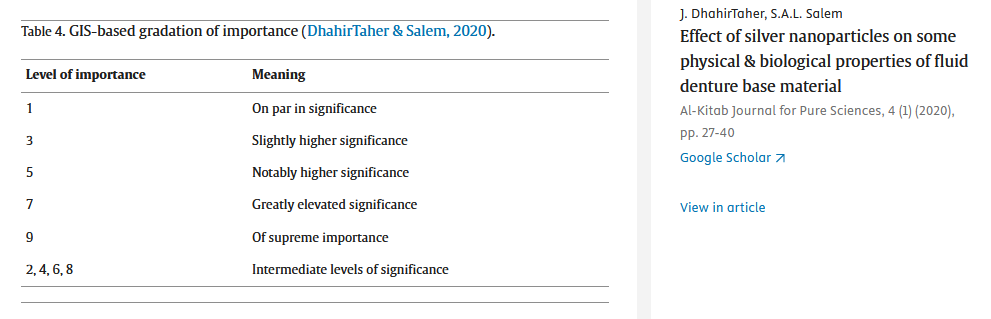
Here is their common paper with Ahsan, including the Iraqi papermill-provided references to the Al-Kitab Journal for Pure Sciences:
Qusay Hassan, Tariq J. Al-Musawi, Sameer Algburi, Muna Al-Razgan, Emad Mahrous Awwad, Patrik Viktor, Muhammad Ahsan, Bashar Mahmood Ali, Marek Jaszczur, Ghadban Abdullah Kalaf, Ali Khudhair Al-Jiboory, Aws Zuhair Sameen, Hayder M. Salman, Evaluating energy, economic, and environmental aspects of solar-wind-biomass systems to identify optimal locations in Iraq: A GIS-based case study, Energy for Sustainable Development (2024), doi: 10.1016/j.esd.2024.101386
And here Ahsan and Damaševičius join their efforts to fight COVID-19 with fuzzy bullshit:
Muhammad Saeed, Muhammad Ahsan, Muhammad Haris Saeed, Atiqe Ur Rahman, Asad Mehmood, Mazin Abed Mohammed, Mustafa Musa Jaber, Robertas Damaševičius, An Optimized Decision Support Model for COVID-19 Diagnostics Based on Complex Fuzzy Hypersoft Mapping, Mathematics (2022), doi: 10.3390/math10142472

More shady characters from Gliwice? Yes, please: meet Sourbh Thakur, an adjunct something at the Faculty of Chemistry. His PubPeer record right now consists of only 2 items, but what remarkable names we see in his circle!
Sourbh Thakur, Sadanand Pandey, Omotayo A. Arotiba, Development of a sodium alginate-based organic/inorganic superabsorbent composite hydrogel for adsorption of methylene blue, Carbohydrate Polymers (2016), doi: 10.1016/j.carbpol.2016.06.104
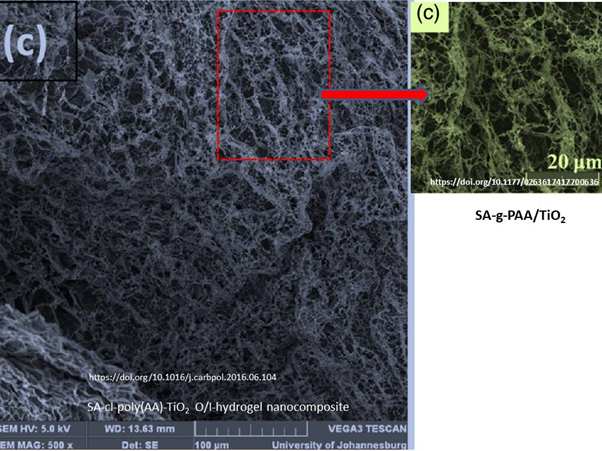
Here, Sadanand Pandey is another recognizable papermiller, who is seen on PubPeer with a whole constellation of familiar toxic characters: Rajender S. Varma, Abbas Rahdar, Mahmood Barani, Ghasem and Saman Sargazi, George Z. Kyzas and even Magali Cucchiarini! Read about them here:

The Highly Cited Researchers of Clarivate
“here is my advice to Clarivate: better get lost. ” – Alexander Magazinov

German Authorities on Papermills and Whistleblowing
“I am not familiar with Iranian papermills!” – Prof Dr med Henning Madry, Saarland University.
Another paper by Sourbh Thakur:
Samarjeet Singh Siwal, Qibo Zhang, Changbin Sun, Sourbh Thakur, Vijai Kumar Gupta, Vijay Kumar Thakur, Energy production from steam gasification processes and parameters that contemplate in biomass gasifier – A review, Bioresource Technology (2020), doi: 10.1016/j.biortech.2019.122481
And here, Sourbh Thakur meets Vijay Kumar Thakur, another big name of papermilling, previously spotted with Awais Bokhari, Jiří Jaromír Klemeš (deceased), Dai-Viet N. Vo (removed from administrative positions because of his papermilling – read August 2024 Shorts) and John F. Kennedy – not the dead US president, but a British papermilling ghoul. Read about all those here:
Bundesverdienst-Kümmerer am Bande
“Benign-by-design, circular economy in the plastics industry, biodegradable antibiotics – the sustainable design of chemistry is the central theme of Prof. Klaus Kümmerer’s work. “
Witold Pedrycz, a native Pole and professor at the University of Alberta in Canada, is a famous alumnus of the Siliesian Polytechnic, where he studied, graduated, and became associate professor under the communist rule. Noteworthy, the KGB and the Polish regime trusted him: Pedrycz was allowed to go as Visiting Assistant Professor to Canada in 1988, where he then stayed.
As an academic, Pedrycz is hyperprolific (2315 works on Dimensions as of now) and, of course, he is a Highly Cited Researcher. Recently, Pedrycz started to once again carry the Gliwice affiliation (next to the Canadian) on at least one recent paper from July 2024, his coauthors are from Oman and Egypt:
Rami Al-Hmouz , Witold Pedrycz , Medhat Awadallah , Ahmed Ammari Granular transfer learning Neurocomputing (2024) doi: 10.1016/j.neucom.2024.128126
Anyway, Pedrycz has a massive PubPeer record, thanks mainly to Rhipudura Albiventris. It reveals a familiar pattern of fuzzy bullshittery, typically with Chinese co-authors. An example:
Zhen-Song Chen, Lan-Lan Yang, Kwai-Sang Chin, Yi Yang, Witold Pedrycz, Jian-Peng Chang, Luis Martínez, Mirosław J. Skibniewski, Sustainable building material selection: An integrated multi-criteria large group decision making framework, Applied Soft Computing (2021), doi: 10.1016/j.asoc.2021.107903
Also note Luis Martínez, a Highly Cited Researcher from Spain and a participant of the Saudi affiliation scam; read about him in April 2023 Shorts.
This one, flagged by Smut Clyde, is even worse:
Yi-Jian Wang, Gai-Ge Wang, Fang-Ming Tian, Dun-Wei Gong, Witold Pedrycz, Solving energy-efficient fuzzy hybrid flow-shop scheduling problem at a variable machine speed using an extended NSGA-II, Engineering Applications of Artificial Intelligence (2023), doi: 10.1016/j.engappai.2023.105977
“The opening References seem random or transactional, sometimes promoting hijacked / pirated journals.”
Hoya Camphorifolia

We don’t need no education, We don’t need no thought control
“Of course the sentient rubber-stamps guest-editing Special Issues on behalf of papermills would have accepted anything – they don’t give two tugs on a dead dingo’s dick about content ” – Smut Clyde
In any case, Pedrycz is considered a superstar in Gliwice, hence a celebratory announcement:
“All employees, doctoral candidates and students will be able to listen via a YouTube channel to the live-streamed plenary papers taking place during the 21st PCC2023 on June 26-28 [2023 – A.M.]. Among them will be papers by people with very high citation indicators, the so-called Highly Cited Researchers – Prof. Hamid Reza Karimi from Politecnico di Milano in Italy and Prof. Witold Pedrycz from the University of Alberta in Canada. Professor Karimi will also meet with doctoral students during a seminar.”
The other Highly Cited Researcher and Gliwice collaborator in this announcement, Hamid Reza Karimi, is also quite a character. In 2022, he was slapped with at least 10 “notices of violation” of IEEE publication principles. A sample one reads,
“After careful consideration by a duly constituted committee, an author of this article, Hamid Reza Karimi, was found to have acted in violation of the IEEE Principles of Ethical Publishing by artificially inflating the number of citations to this article.”
Which, again, kinda fits to Gliwice.
Donate!
If you are interested to support my work, you can leave here a small tip of $5. Or several of small tips, just increase the amount as you like (2x=€10; 5x=€25). Your generous patronage of my journalism will be most appreciated!
€5.00

 For Better Science
You will find more things in Poland :), btw, our friend Wojciechowski was just promoted to full professor, thanks to MDPI and papermillers 🙂
LikeLike
PiS is no longer to blame. But we’re witnessing an already well-known pathology democracies can develop: the actual choice is between crooks and morons.
LikeLike
PiS is not gone, they are the strongest party in the parliament and still have huge support in the countryside.
The people they installed everywhere are mostly all still in their positions.
LikeLiked by 1 person
One thing I’ve just realised, Ali and Saeidi’s Malaysian university background got me thinking because I’ve been looking at some seriously problematic work by a group of Iranians at a university in the Netherlands that I’ve noticed over the last couple of weeks when I was looking at another problematic paper involving Marc Rosen. They work on energy storage, materials and nanofluids. They all went to the same university in the Netherlands from Malaysia.
Can it be a coincidence that there is such an intense flow of researchers from Malaysia to Europe and that almost all of them have an inflative publication record fully of articles and citations?
LikeLike
Well, Malaysia does look like a credentials laundry for Iranians. Because, indeed, why not?
LikeLike
I got a reply from Magdalena Kudewicz-Kiełtyka, Head of the Analysis and Development Office in Gliwice:
The last part was because I wonder why their entire leadership was male.
LikeLike
Wait untill you hear about 20+ PhD students with 10-20 publications per year.
LikeLike
Pingback: Fabryki artykułów pracują pełną parą - Forum Akademickie
The problem presented in the article is real, but not fully analyzed. Blaming the previous government (PiS) is wrong. It was the PiS government that introduced the rule that each employee submits a maximum of four best articles for university evaluation. This was to eliminate the effect of people who publish hundreds of articles (now we know that they can come from paper mills).
LikeLike
Thanks, interesting point about the PiS rule of 4 papers.
What about their journal ratings though which is based on either impact factor or Catholicism?
LikeLike
According to Retraction Watch Database Witold Pedrycz just earned 5 retractions in the Journal of Intelligent & Fuzzy Systems. This was part on an en masse retractions of more than 1500 papers in this journal. According to Richard van Noorden this constitutes “14% of the journal’s output over the past decade”
A new journal record: Sage title retracts 678 more papers, tally over 1,500 – Retraction Watch
LikeLike
Roman Fediuk also published multiple papers with a professor of Gdansk Tech (also affiliated with Universitybof Tripoli, Libya) H. Abdelgader https://mostwiedzy.pl/en/search?s=R+Fediuk
One of them also features Vatin.
LikeLike