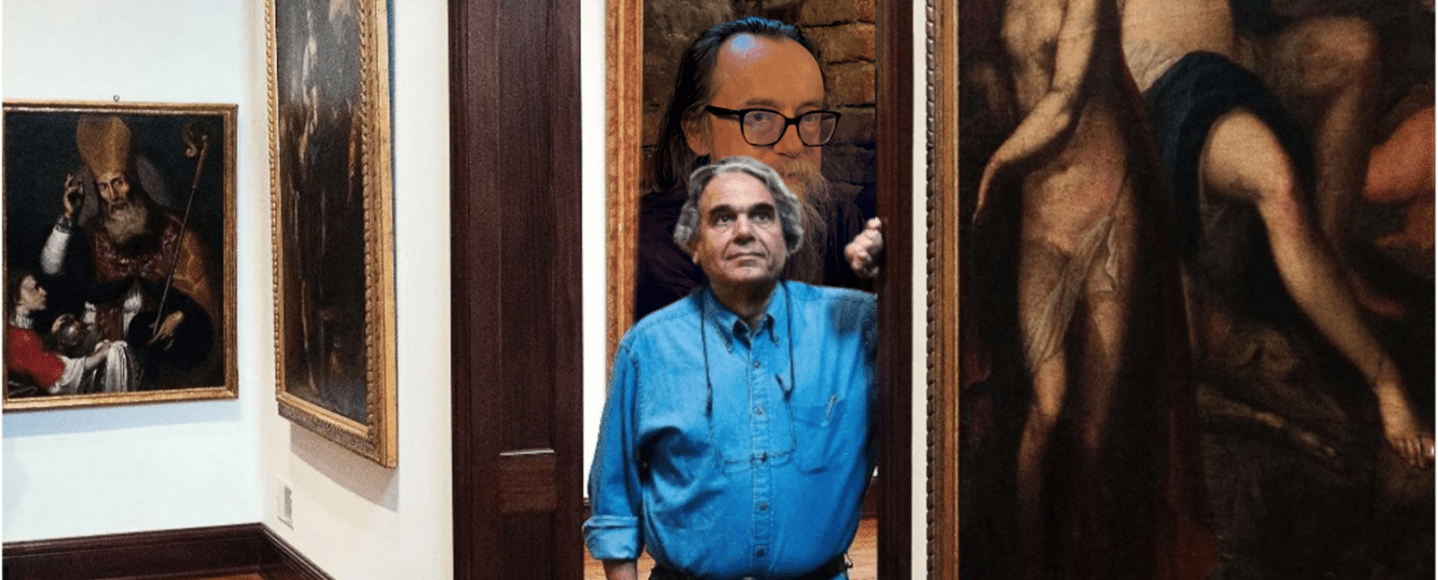

Everyone is talking about Carlo Croce‘s fake science. Smut Clyde want to talk about his fake copy-cat paintings. But then he talks about his copy-cat science anyway.
Carlo Maria Croce is a living legend. This old Italian man in USA may be one of the worst, if not the worst cancer researcher of all times. He has 14 retractions and way over a hundred fraudulent papers on PubPeer, anyone seen co-authoring papers with Croce can be safely assumed a fellow fraudster. And some were in fact proven as such, like his countryman Alfredo Fusco. Croce sued New York Times and his critics, sent lawyers to intimidate journal editors (yet failed to achieve anything but costs to all involved), and still, he remains employed on a fat salary at a the Ohio State University (OSU), which placed the research misconduct blame on some women in Croce’s circles in order to protect the don.
Croce is the personification of everything which is wrong with academic cancer research, especially in USA and in Italy. There never will be any actual progress in cancer therapies as long as crooks like him are in charge.
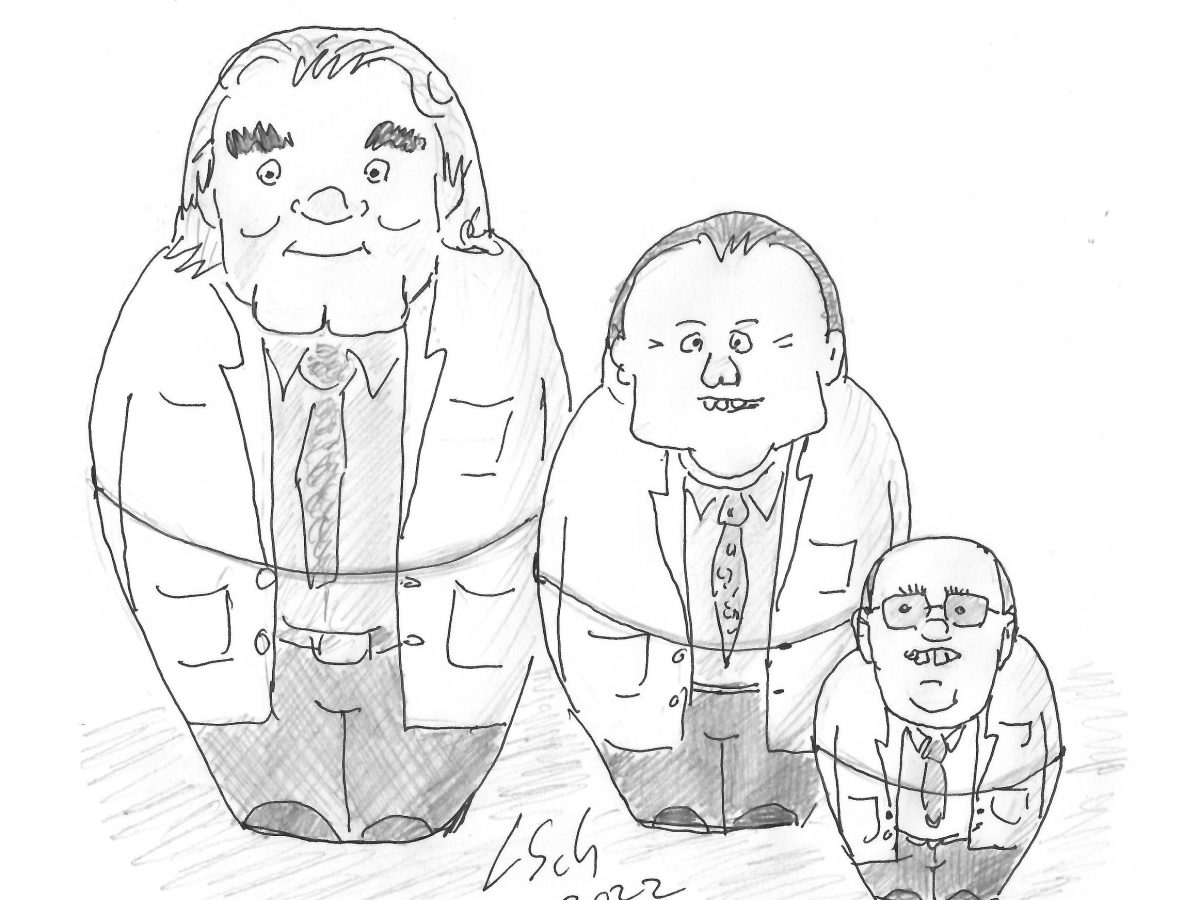

I wrote about Croce quite often, never a full article dedicated to him. Thanks to Smut Clyde, there is an article now. There is just so much fraud to sum up, and all media reporting considered, the case should be clear. It is apparently not. Ohio State still pays Croce almost $830k per year, an incredibly obscene sum even for an honest oncologist. And in Italy, Croce will remain for all eternity a national hero and a patron saint of science, make of this what you want:
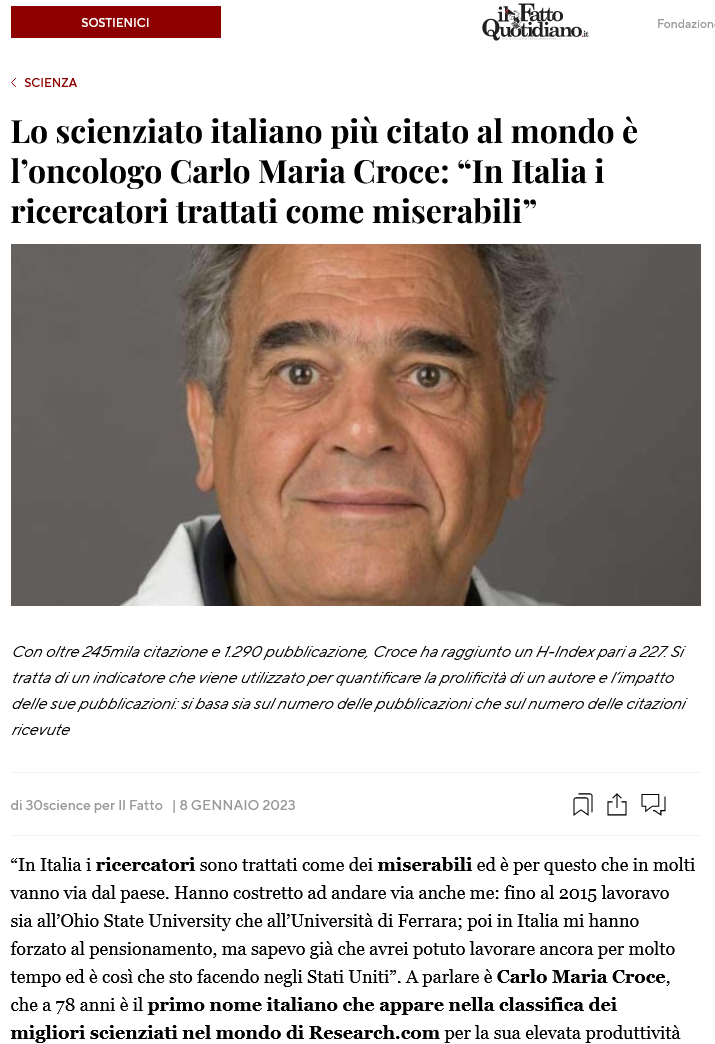
Well, how about this for a laugh: the purveyor of fake science fell for fake art! Croce used to publicly boast about his massive private collection of Italian baroque paintings, bought largely with public money, and was much admired and envied for this. Now that he needs money to pay the lawyers he engaged to defend himself against the lawyers he engaged to unsuccessfully sue his critics and then failed to pay… Croce had to sell his art collection. And Smut Clyde has proof that it is worthless. The paintings are cheap copies or even fakes.
Ha-ha-ha-ha.
The Crying at Lot 21
By Smut Clyde
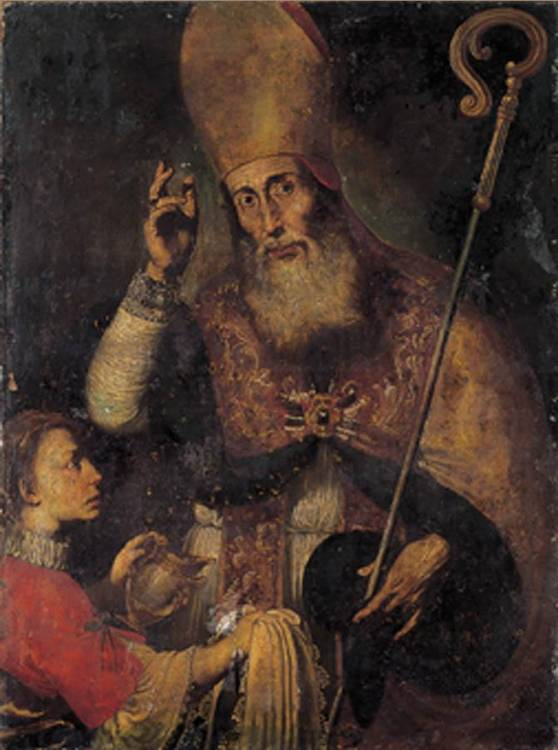 Behold Lot 21 that changed hands at the 2003 Sotheby’s art auction in Milan. Expected bidding range was only €4,000 – €6,000, because even genuine works by third-generation third-rate Caravaggisti are not high on the average collector’s shopping list. In the harsh words of a commenter at Retraction Watch,
“In Italian that sort of art is called “crosta”, means worthless painting.“
 The austere gentleman is Saint Nicolas of Bari, patron saint of brewers, pawnbrokers and repentant thieves (and also the inspiration for Santa Claus). Personally I rate for Ilya Repin‘s portrayal, in which three dudes are on the point of execution for wearing unsuitable frocks when St Nicolas arrives on the scene just in time.
The painting was “Attributed to Filippo Vitale Napoli“. In Artspeak ‘attributed’ means the same as “Circle of X” or “Style of X” or “After X” or “some contemporary of X who painted cheap knock-off copies”, all ways of saying “Not by X”… the canvas is without provenance or signature or evidence of brushwork to link it to X, only the fond consoling delusion of some previous slapdick owner.
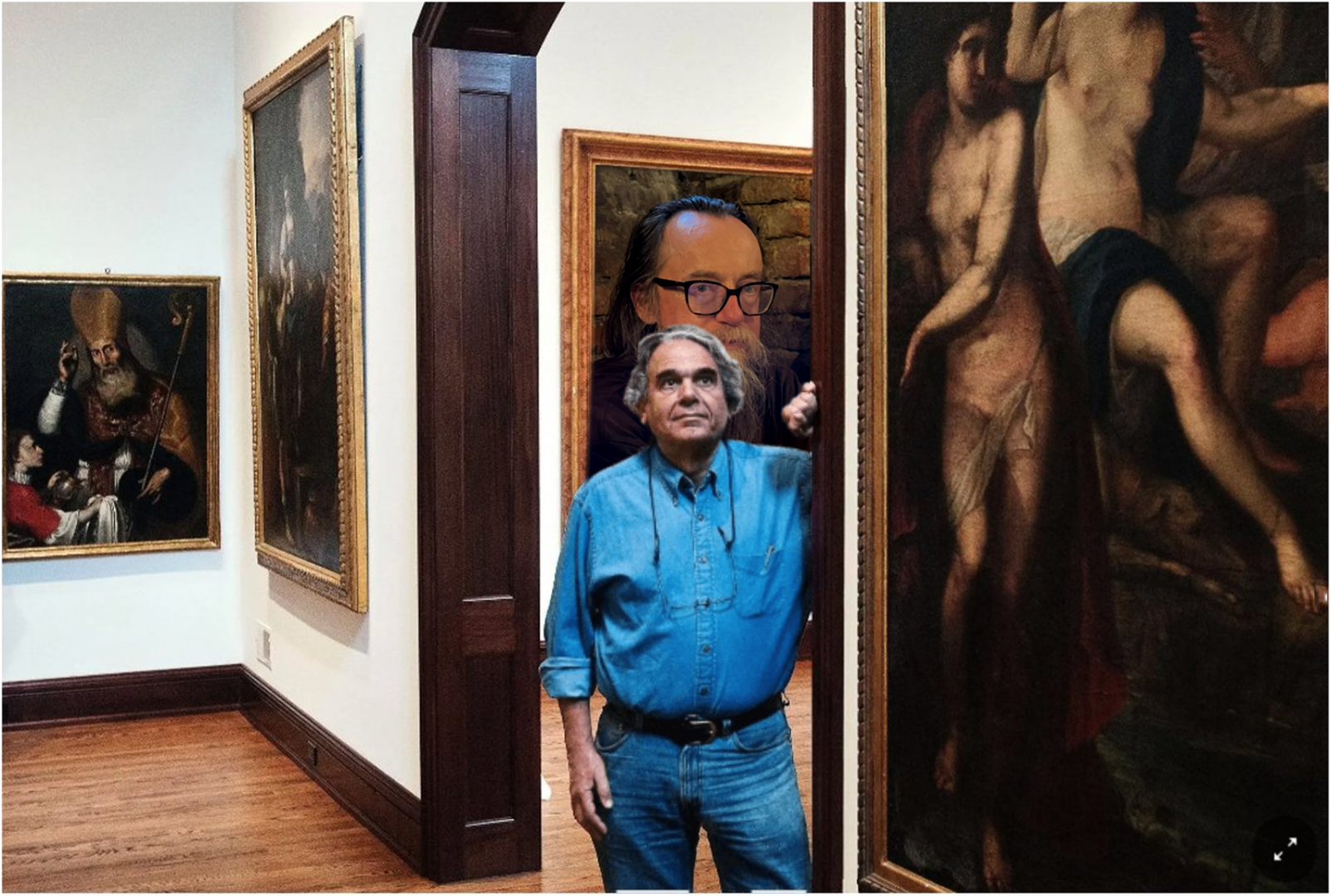
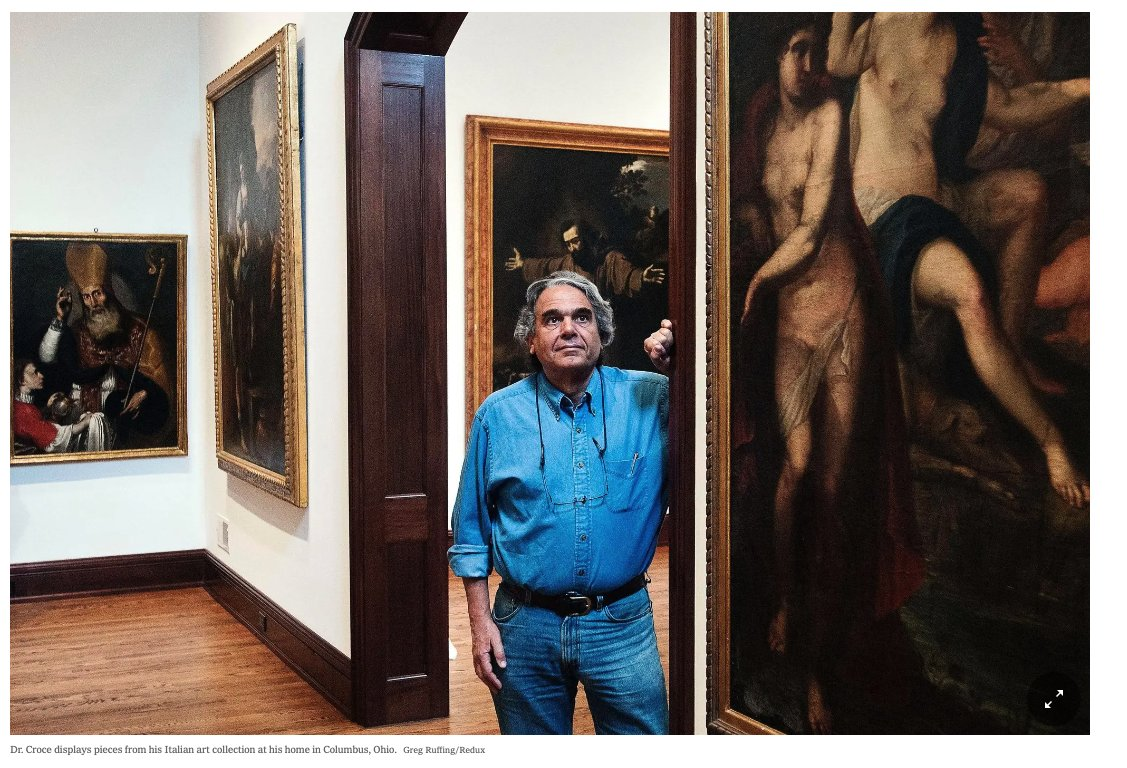 But wait, does the painting now adorn the back wall of Professor Carlo Croce, of Ohio State University? Slightly improved by professional restoration that stripped many layers of varnish? So it would seem, Socrates. Providing an excuse to revisit the Croce case!
In previous episodes, the Professor was vexed by a series of retractions, and launched retaliatory lawsuits against his perceived enemies (in the shape of OHU, the New York Times, and Dr David Sanders, who had voiced his concerns about Croce’s papers to the NYT). After the suits failed, he was sued by his lawyers for non-payment of fees. Then sued again for not paying the second team of lawyers he took on to defend him against the first team.
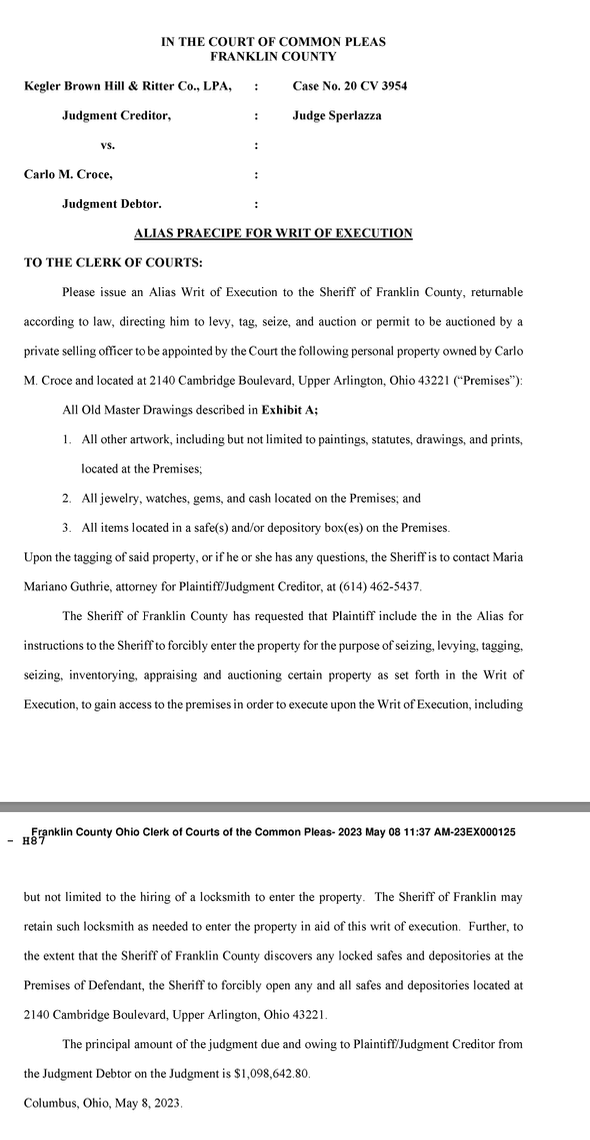 With the bills, court costs, interest, and stamp tax accumulating to over $1,000,000, things culminated in a court judgement that paintings and drawings from the Croce Collection could be seized to pay debts, “to be auctioned by a private selling agent to be appointed by the court” (which turned out to be Sotheby’s). The drawings-on-paper part of the resulting haul was documented on-line by the ‘Franklin County Ohio Clerk of Courts of the Common Pleas‘, though the images are grainy grey low-rez half-tones, so the Clerk of Courts really needs to upgrade the dial-up modem and the 8086 microcomputer that currently houses the office’s website. Even so, I shall be bidding on the Salvator Rosa drawing, which is quite possibly genuine IMHO.
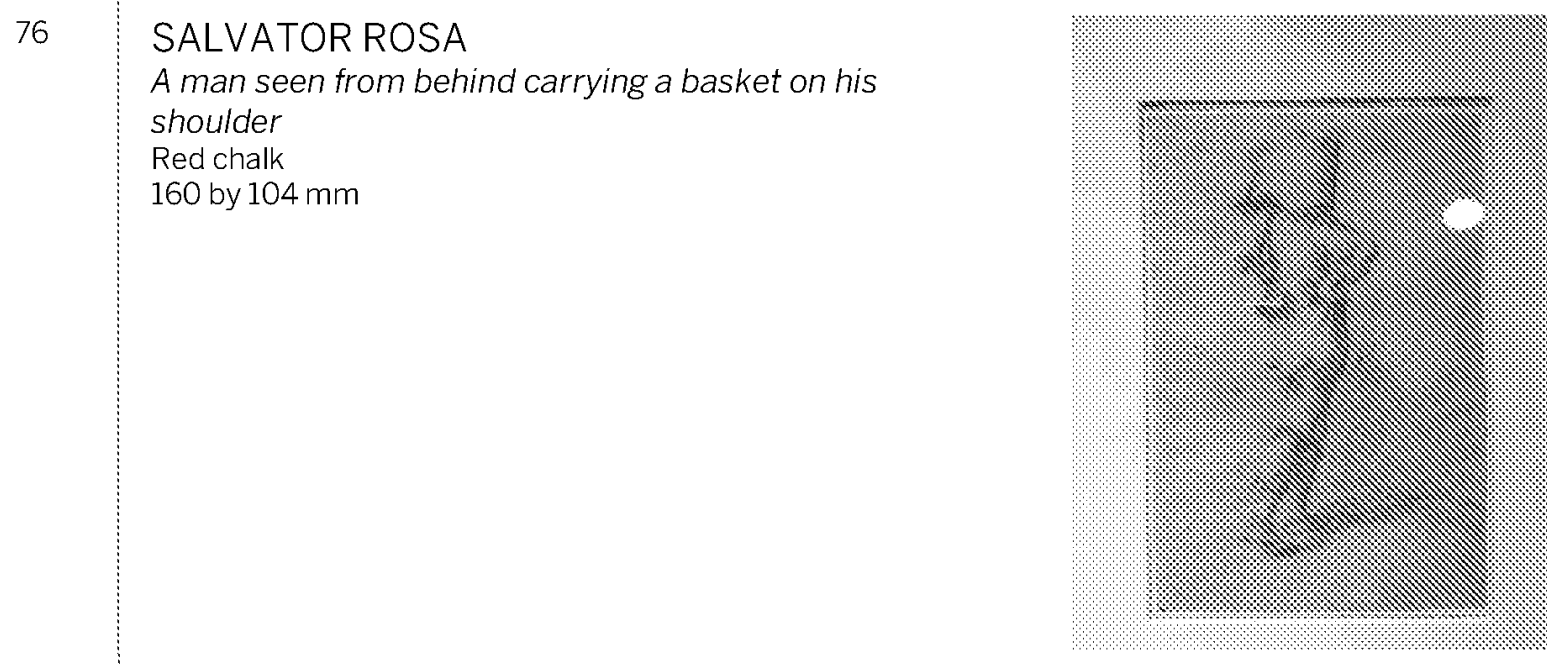
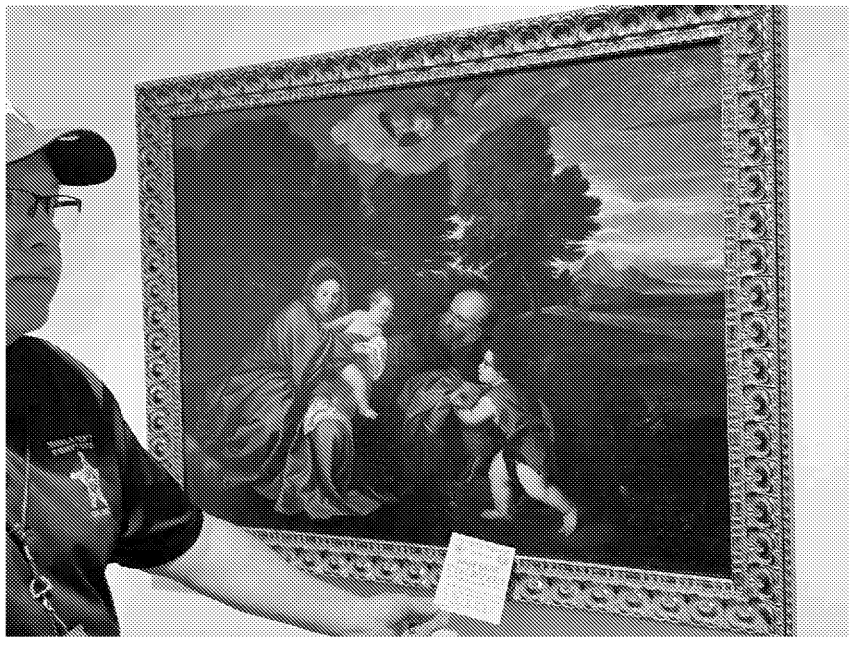
The seizure of paintings was captured in forensic detail in a series of photographs in which the county Sheriff provides scale, looking ill-at-ease and plainly wishing that he were back in the unreleased Coen Brothers movie from whence he came. I’ll return to those photos below.
Not to be outdone, Croce is now suing Sotheby’s – in their role as financiers as well as art auctioneers – for undervaluing the treasures of his collection. The mind boggles that he can still find representation, but lawyers are incorrigible romantics, sustained by eternal optimism that they will succeed in being paid where all before them have failed. We learn from court filings that our man’s current representatives can’t spell, though I am assured that this is standard in the legal profession and not an index of inexperience.

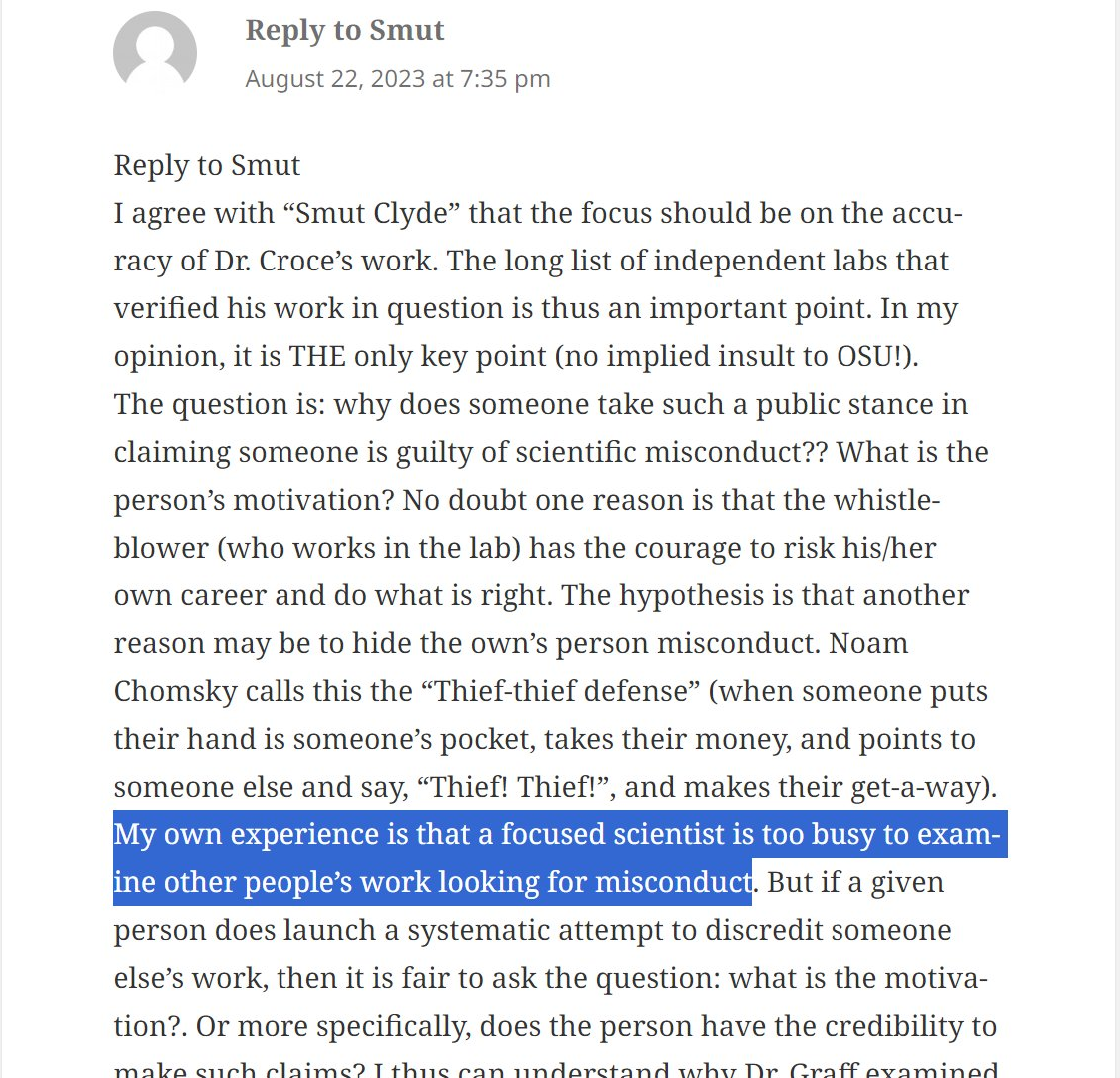 But the case is convoluted, so before proceeding to an attempt to explain it, I must note that not everyone is sanguine about the retractions of Croce’s papers.
Notably, a certain ‘Jerry’ and fellow-pseudonyms ‘Reply’ and ‘Reply to Smut’ responded to a recent update on Retraction Watch, arguing that anyone querying the Croce corpus must have ulterior motives, e.g. distracting from their own misconduct. Thus critics become legitimate targets for the kind of accusations that are not legitimate when levied against Croce himself.
 The corollary follows (as corollaries do) that critiques of Croce’s work are suspect because no real scientist would have time to criticise. ‘Jerry’ only accepts allegations of misconduct as credible if they come from an expert in the field who is too busy to make them.
The sockpuppets went on to argue that Croce’s fake results had been vindicated by subsequent replications, making him guilty of nothing more than excessive zeal in the cause of righteousness. As proof they cited an opinion piece in the Columbus Free Press, penned by Harry Graff (a retired, well-regarded lecturer in English Literature), who in turn adduced a list of 46 supposed replications.
Graff’s source, and the list’s compiler, was Gerard “Jerry” Nuovo… who is not entirely disinterested, being co-author on many of those retracted papers. Nuovo has a history of regrettable collaborations. He also co-wrote two since-retracted papers with Samson Jacob, and three with Terry Elton, obliging us to question his choice of colleagues as well as his discernment of data integrity.
I also worry about Nuovo’s grasp of OpSec, for the dossier sent to Dr Graff for him to weaponise (so that ‘Jerry’ could cite it indirectly) was signed with his name in the document metadata. Don’t they teach about basic tradecraft in schools any more?!

Graff’s other source was an apologia in Annals of Diagnostic Pathology (“The key role of the pathologist in both documenting and exonerating accusations of scientific misconduct”). I surmise that his copy came from Jerry Nuovo, who was, again, the author. It is the medical-journal equivalent of a roman-à-clef in which Croce is thinly disguised as the hypothetical case of a Dr Jane Doe, who cuts a few corners but whose discoveries are replicated by others.
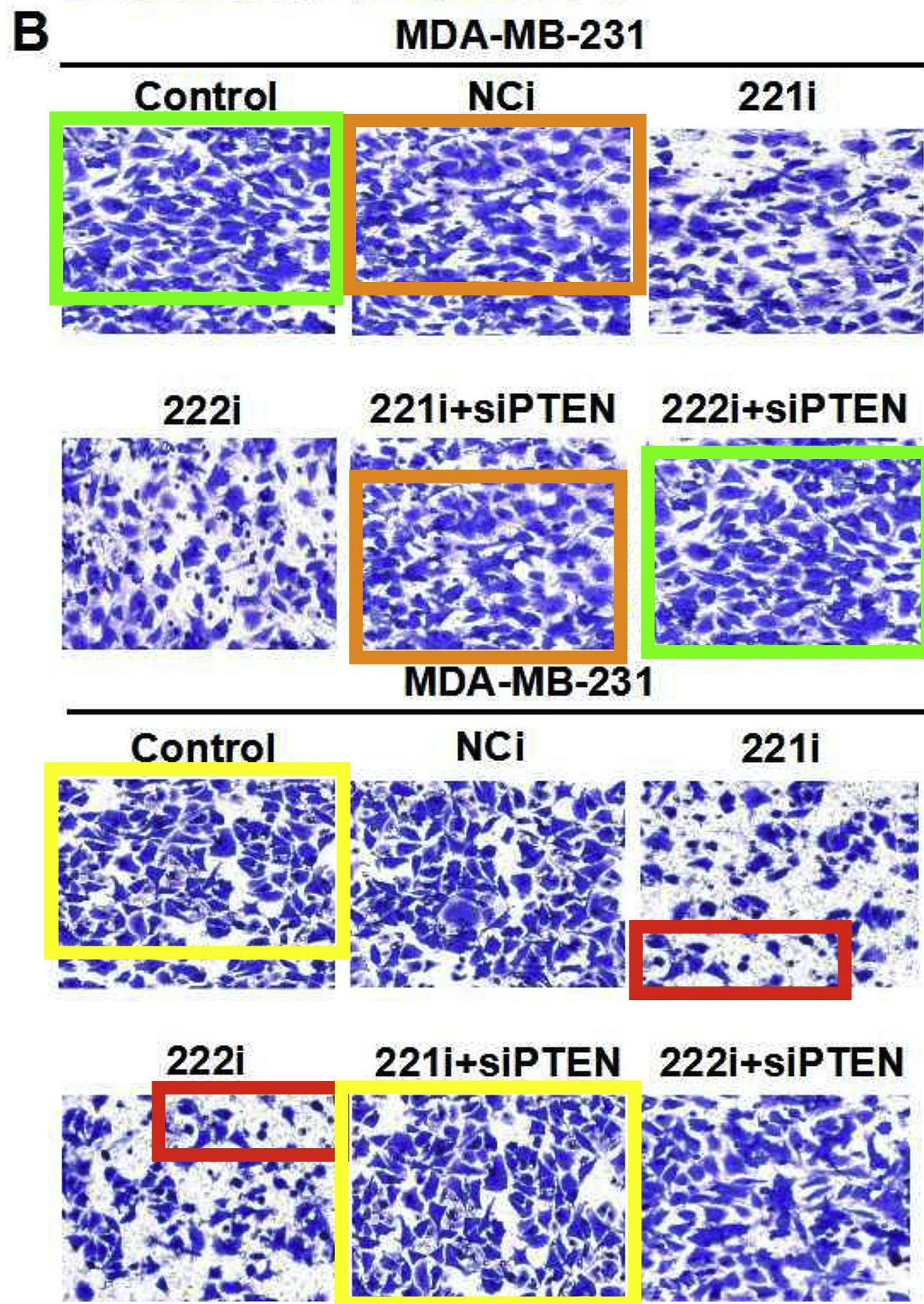
In lieu of a spreadsheet, I uploaded above an annotated copy of Nuovo’s Replication list, with links to the corresponding PubPeer threads… for many generated their own concerns and corrections (“We therefore use the data from an independent experiment to replace the published experiment”). It is far from convincing, and padded out with Literature Reviews, which IMHO are not “replications” per se. There is at least one papermill product, and at least one research team with a long track-record of data-fraud and a retraction that they blamed on a student.
So if nothing else, the list is useful for finding other science frauds. It also illustrates how any paradigm-breaking results – if sufficiently newsworthy and potentially lucrative – will attract bandwagon-jumpers and replications. Until word-of-mouth quietly circulates at conferences, that it’s OK not to be able to replicate them.
More to the point, it is hard to see how many of the listed papers vindicate Croce, except that they mention microRNAs in some context. I invited “Jerry” / “Reply” / “Reply to Smut” to explain which specific papers were linked to which specific Crocean retractions, so far without a response. So no chance to ask why he didn’t just link directly to his list, rather than stovepiping it through Graff.
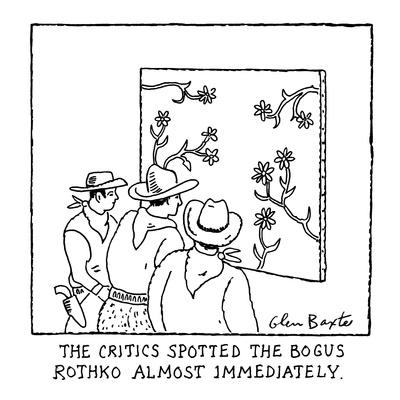 Setting that hilarity aside, I allow myself the reflection that though “replication” is a good thing in the scientific literature, it’s less favored in art where it invites the ugly word “plagiarism”. However, both intellectual magisteria do agree on the importance of priority and precedence.
This matters most for artists given to painting copies of their own successful compositions to sell to admirers of the original work. For later collectors, much hinges on which was the earliest version (and therefore ennobled by the Muse and imbued with Artistic Inspiration), and which are necessarily inferior self-plagiarised copies. The question involves art-history detection and trails of provenance, since blind taste-tests based only on artistic merit cannot be trusted to deliver an acceptable answer.
 And Drama ensues! Don’t worry, this is leading back to Croce’s lawsuit. I draw upon the documents in the case, including a draft Auction Prospectus prepared by Sotheby’s for the Franklin County Clerk of the Court of Common Pleas.
One of these versions of Jusepe de Ribera’s “Madonna & Child” is in the Ringling Museum, one was auctioned as “Follower of Ribera” and one is a treasure of the Croce Collection; and in this crazy mixed-up world, who is to say which is the authentic original and which are cheap knock-offs? Or which is worth $150,000-$200,000? Only iron self-control prevents me from alternating the images in a strobing, jerking animation.
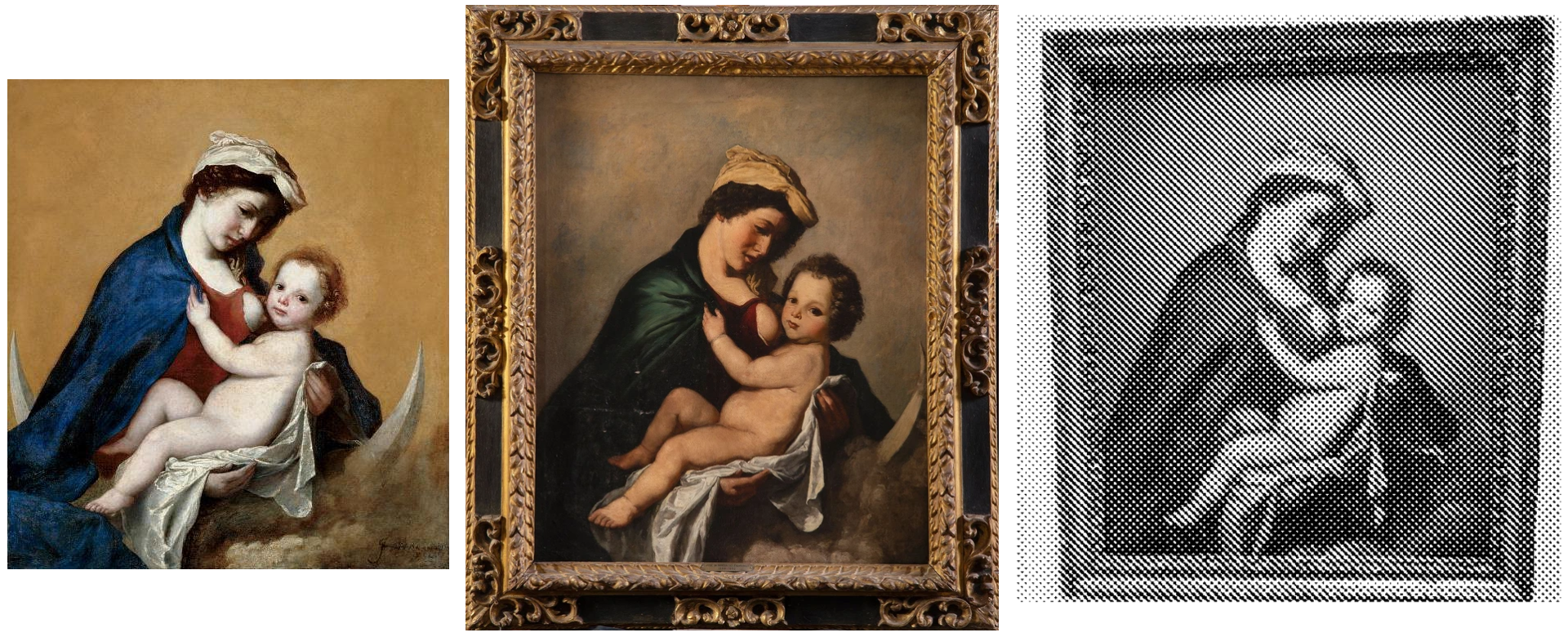
Ribera belongs to the counter-Reformation Spanish Baroque pantheon, after Murillo and Zurbarán and of course Velasquez, and normally I would cross a room at the Prado for a look at his work… but to tell the truth, this is his least inspired composition, vapid and insipid. Nothing but vapor and insipor. No, spellchecker, “insipor” is a word, or it should be.
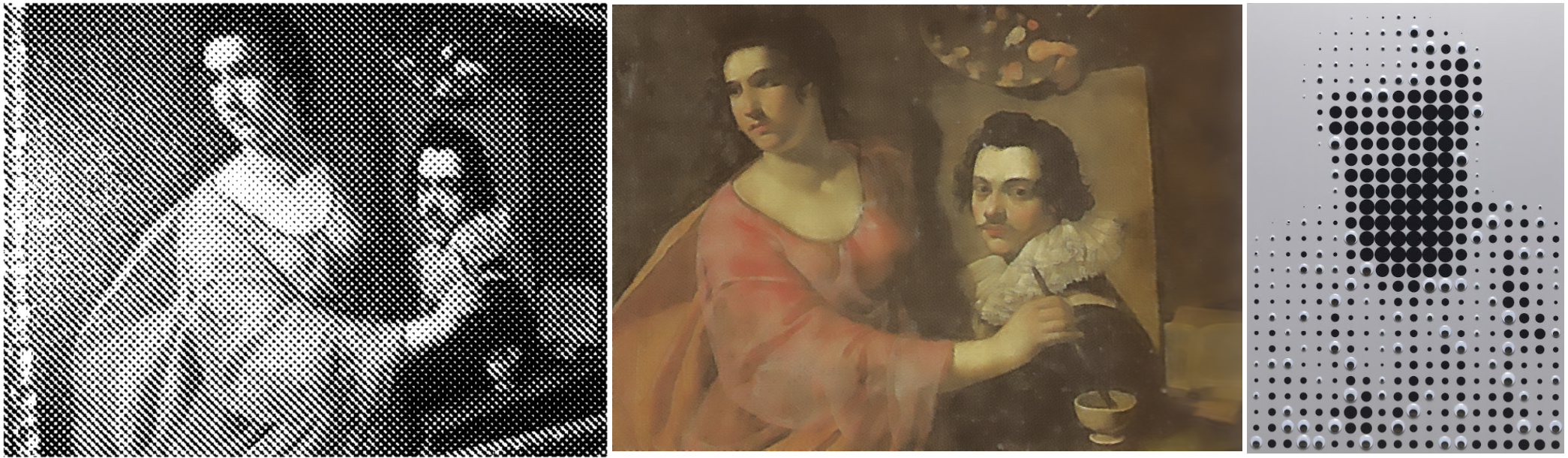
 This Allegory of Painting “from a private collection” is by Virginia Vezzi, and therefore worth $800,000… though “this estimate is pending further research”, because according to the Wikimedia entry, the work is “doubtfully attributed” and probably worthless. Is it wrong of me to imagine the half-tone version with the dots replaced with googly eyes?
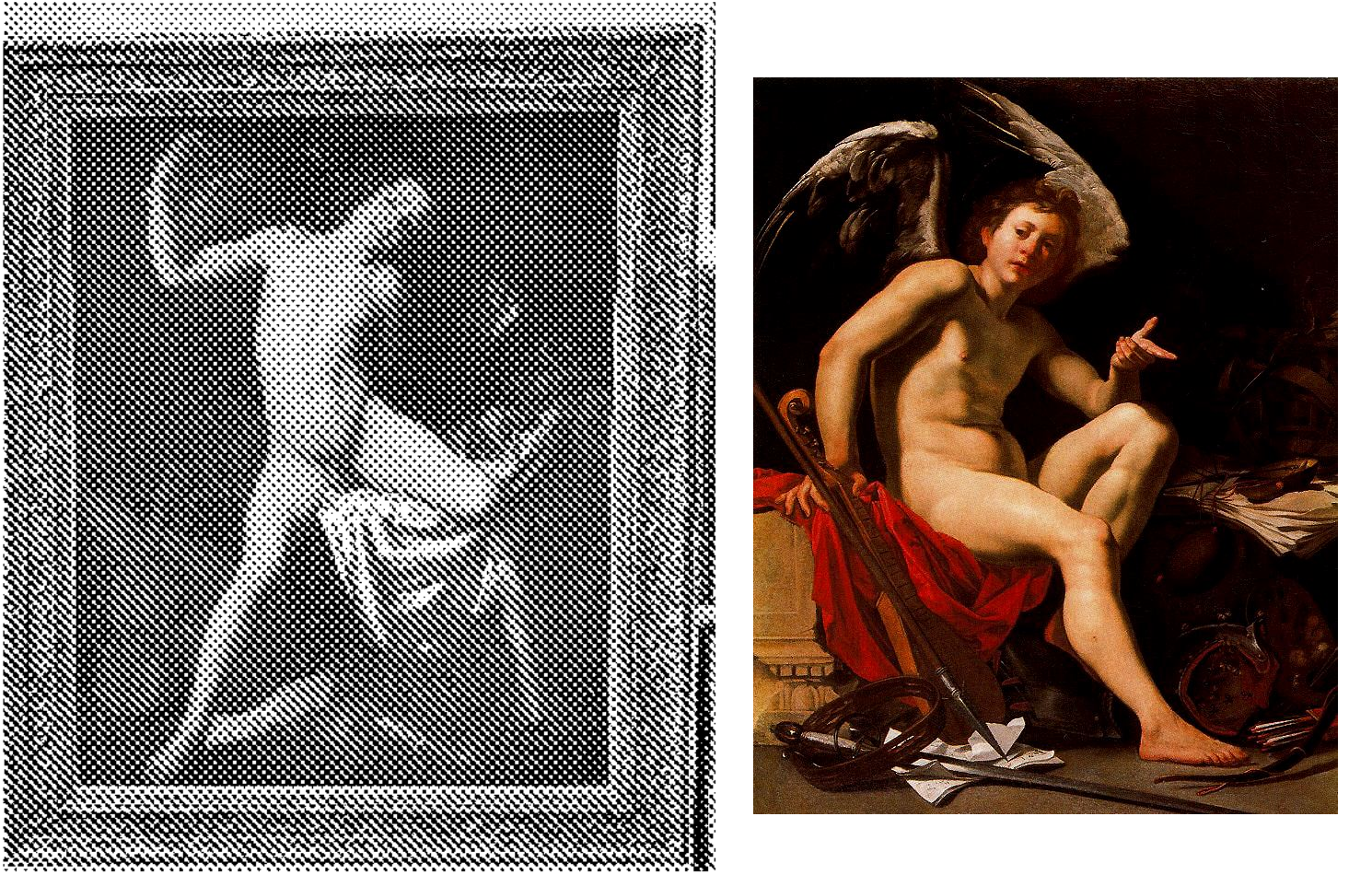
In their role as auction-price-maximisers, Sotheby’s would have us believe that the crude, louche pastiche of Caravaggio’s Amor Vincit Omnia at left can be attributed to the same Orazio Riminaldi who painted the restrained, non-lubricious Amor Victorioso at right. I shall not be bidding the suggested $60,000 – $80,000.
One of these below is in the possession of the dealers Trinity Fine Art, waiting for a Forever Home, and one is part of the Croce Collection. Who am I to say which one is the real unfinished panel by Bartolomeo Schedoni (as catalogued in the Costabili Collection in 1835) and therefore worth “$3 to 3.5 million“; and which is an unfinished copy (perhaps by a student)?

Opinion is divided on the subject. As a career contrarian, naturally I side with “Professor Emilio Negro, the foremost expert on Schedoni” and his mavericky preference for the Croce version, rather than with all the other art experts who accept Trinity Fine Art’s evidence for the authenticity of their version.
Now we can return at last to Croce vs. Sotheby’s, as spelled out in Croce’s complaint. Which is totally not a venereal disease.
For auctioning artworks, with a duty to talk up their value, is only one of the services that Sotheby’s offer. They are also financiers, lending money on the collateral of works they’ve appraised… an upmarket version of a pawnbroker, if you like, and therefore under the aegis of St Nicolas of Bari’s patronage. And they appraise art. In that role they have a conservative incentive to under-value the items brought to them, so that they can be sure of recouping the loan by auctioning the collateral if repayment goes t-u.
It is unclear why Croce needed a $3-million loan in August 2022, given the staggering salary he receives from Ohio State University for making shit up. Perhaps it was to buy another painting, or to not pay a lawyer. Anyway, Christopher Apostle enters the story, Sotheby’s Senior Vice President and Appraiser-in-Chief, predestined by his surname for a career in religious art assessment. Apostle visited Croce’s gallery to choose the collateral.
Retrospectively, Croce is under the impression that Apostle was obligated to accept his own higher valuations (or rather, the higher valuations of his preferred authorities). The disputed Schedoni panel comes into it, with Apostle first accepting and then rejecting its authenticity.
- “Sotheby’s devaluation of Croce’s Schedoni was wrongful because Sotheby’s failed to follow established practices for authentication and valuation. It should have consulted Professor Emilio Negro, the foremost expert on Schedoni who stated that the Trinity Fine Art Schedoni is a copy of the Schedoni painting owned by Croce. Sotheby’s did not consult Professor Negro, a clear violation of appraisal standards and practice in the art world.“
It is not recorded whether Croce responded to Sotheby’s incompetence by asking Professor Emilio Negro to lend him $3 million instead.
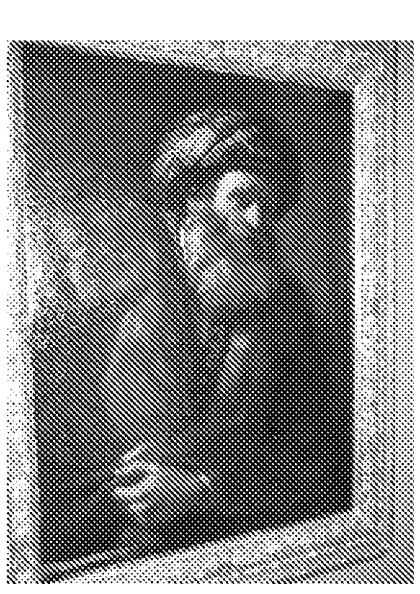
Also in question are a Portrait of Giorgio Centurione, and Judith and Her Maidservant, purportedly by van Dyck and Orazio Gentileschi respectively, which Apostle declined to evaluate because he doubted their authenticity. And Double Portrait of Virginia da Vezzo, supposedly by Simon Vouet. And a portrait of Man With a Turban, perhaps by Il Guercino and “validated by Dennis Mahon, the world’s foremost expert on Guercino” – though having died in 2011, Denis Mahon wasn’t available to lend money on it. Anyway, getting tedious.
“Upon information and belief” does most of the work in Croce’s complaint.
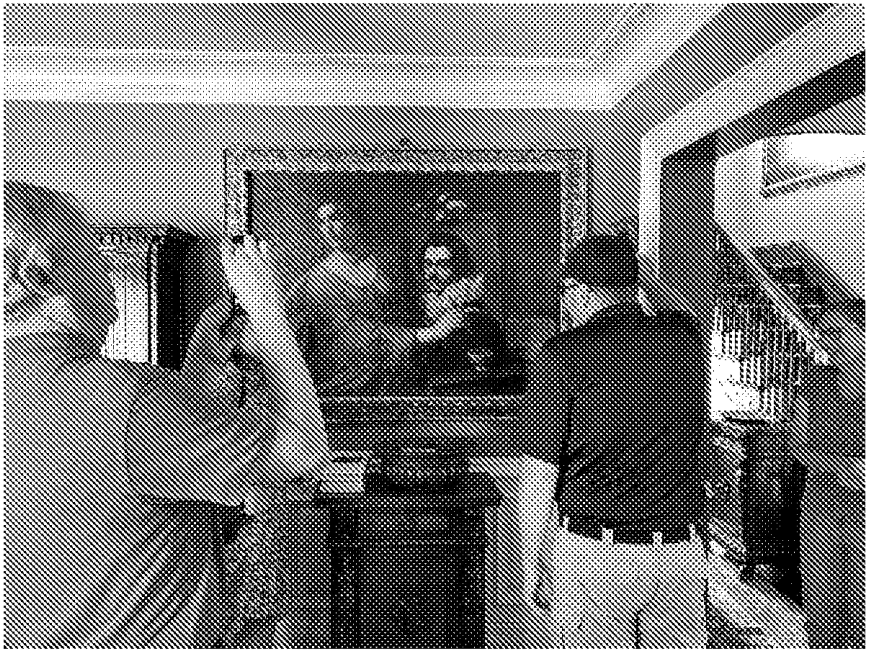
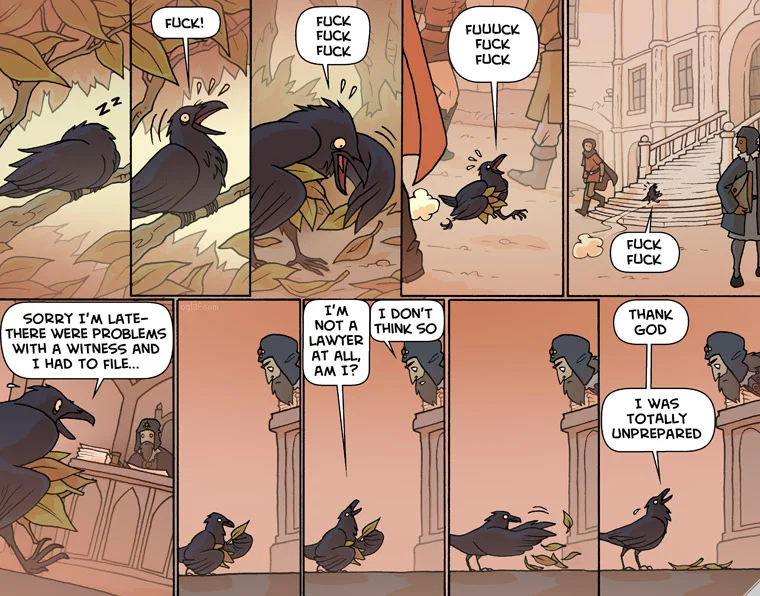
Croce’s specific grievance and complaint of injury seems to be that when the Franklin County Clerk called upon Sotheby’s to decide which seized artworks they could auction to pay his outstanding debts, they based their assessments on Apostle’s earlier decisions. So the whole world knows of those disparaging rejections, depressing their value; or at least the world knows now, having read Croce’s filing. Disclaimer: I am not a lawyer. We have therefore checked these paragraphs with Cheshire, who is not a lawyer either but may be a crow who thinks he’s a lawyer.
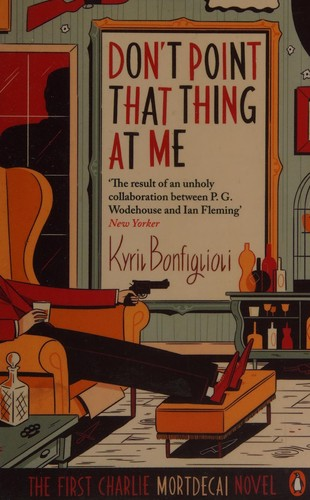 Croce also reckons that Sotheby’s failed their legal duty to ensure that he understood the exact nature of their appraisal / lending terms. As it was, he trusted them. This was foolish. One thing I learned from reading the ‘Mortdecai trilogy‘ is that art dealers are dissolute, larcenous, occasionally-murderous drunkards.
Harking back to Jerry Nuovo’s sockpuppets, they reckoned in their comments at Retraction Watch that it is unseemly to cover Croce’s legal misfortunes, and that the RW bloggers are only allowed to discuss science, which (I imagine) went down like trying to tell Leonid Schneider that a responsible science writer would be more conciliatory and less confrontational. I figure that Croce acquired his collection with his inflated remuneration from OSU, so his courtroom losses and the quality of that art are relevant to science. Relevant but less hilarious.
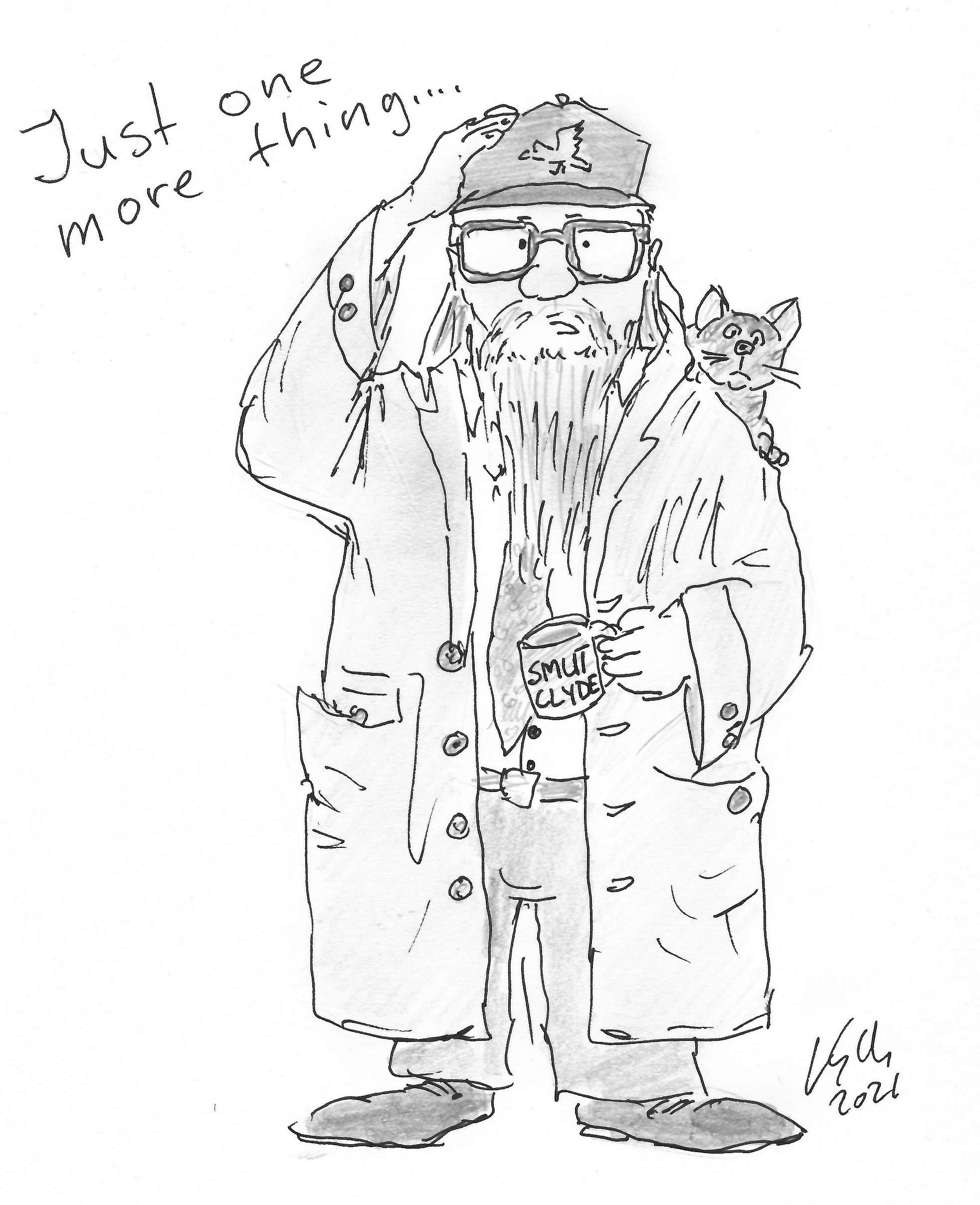
I have instructed Leonid not to spend any of your donations at the fire-sale without consulting me first.
Donate to Smut Clyde!
If you liked Smut Clyde’s work, you can leave here a small tip of 10 NZD (USD 7). Or several of small tips, just increase the amount as you like (2x=NZD 20; 5x=NZD 50). Your donation will go straight to Smut Clyde’s beer fund.
NZ$10.00

 For Better Science

.png)
Commedia dell’Arte at its best, what an enjoyable reading. Looking forward to more reporting on the marvelous adventures of our Hero Carlo the Brave
LikeLike
Does the increased management of science have anything to do with it?
Management systems like an autocratic. Gets all the shit into the boxes. Much easier to deal with than the usual U.S. way of letting faculty members vote.
Carlo Croce of the West Coast.
https://retractionwatch.com/?s=Dahiya
https://pubpeer.com/search?q=Rajvir+Dahiya
UCSF and the journals dragged their feet for years.
LikeLike
” Croce’s complaint. Which is totally not a venereal disease.”
My mother (an early 20th century graduate of Ohio University, an Ohio state university which is not An Ohio State University much less The Ohio State University) regularly impressed upon me a slogan she had learned there, that one night with Venus could lead to a lifetime with Mercury.
LikeLike
Fake science, fake art, real lawyers?! I’ve attempted to read your article in its entirety three times now, but it appears I can’t find the time. I still have to reproduce the numbers of this gem of a study first:
Who’s calling? Evaluating the accuracy of guessing who is on the phone
EXPLORE (2023) doi: 10.1016/j.explore.2023.08.008 issn: 1550-8307 pubmed: 37709571
LikeLike
Ah, I see you discovered Elsevier’s pride, the peer reviewed scholarly journal Explore.
Maybe show this to Tom Südhof, he allows only peer reviewed communication.
LikeLike
It’s really an amazing salary for a scientist. It’s hard to understand how it is justified!
LikeLike
Indeed. If I understand the numbers correctly, as of 9/20/2022, Croce was the best paid OSU professor by a wide margin (sort by salary and rank):
https://apps.hr.osu.edu/Salaries/Home/Salaries?JobTitle=Professor&Funding=0&Year=0&IsValid=TrueJobTitle=Professor&Funding=0&Year=0&IsValid=True
And earned just a little less than Kristina Johnson, OSU President:
https://apps.hr.osu.edu/Salaries/Home/Salaries?Firstname=Kristina&Lastname=Johnson&Funding=University&WhichSource=Salaries&Year=0&IsValid=True
LikeLike
“[Carlo Croce} has received more than $86 million in federal grants as a principal investigator
There are also dollars at stake. Of the $29.1 million Dr. Croce has received in federal funding as a principal investigator while at Ohio State, university records show, $8.7 million has gone directly to the university in overhead payments, a fairly standard cut for research institutions.”
LikeLike
If I did the maths right, Croce sports 122 PubPeer entries. Some entries (29) listed by the link in the article refer to other people.
LikeLiked by 1 person
Is this a rare example of art imitating life?
LikeLike
LikeLike
Another Carlo Croce retraction.
https://aacrjournals.org/cancerres/article/83/24/4181/731559/Retraction-Methylation-Mediated-Silencing-of
LikeLiked by 1 person
Fresh, highly problematic data comes to light for Carlo Croce amongst others. PubPeer – E2F1-regulated microRNAs impair TGFbeta-dependent cell-cycle… I know the Cancer Cell paper is from 2008, but it’s never to late.
LikeLike