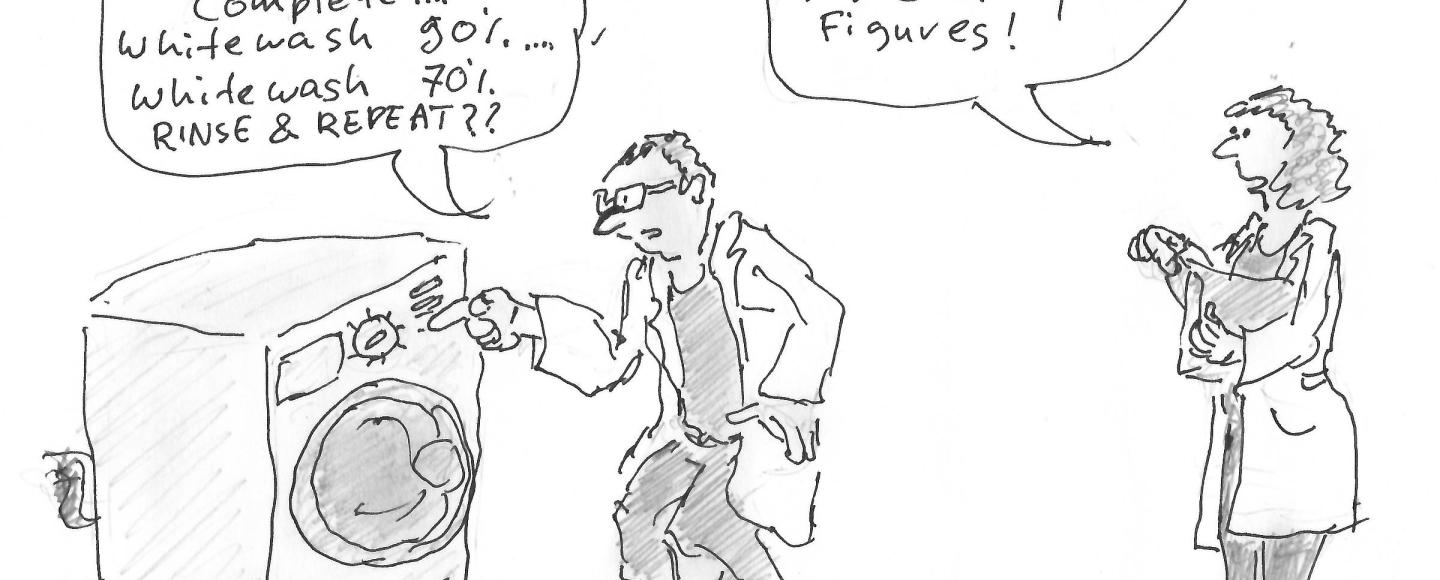

There is a very obscure German heart physiology researcher at Hannover Medical School (MHH) named Renate Scheibe. For some reason she never became a professor, despite leading a lab at MHH for almost three decades. Coincidence or not, Scheibe’s science is very dodgy. But some powerful men at MHH seem to see it differently. One of them is the head of research integrity commission and Scheibe’s direct boss, ironically the same who recently requested retractions of papers by Heike and Thorsten Walles. And the MHH Ombudsman office is even less enthusiastic.
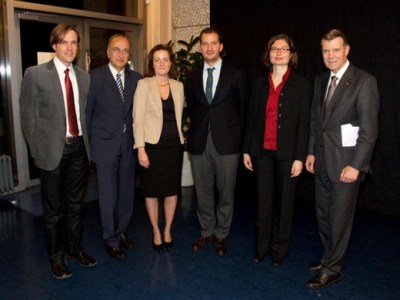
Hannover Medical School MHH: where doctor careers matter more than patient lives?
Philipp Jungebluth, formerly right-hand man and student of the lethal trachea transplant surgeon Paolo Macchiarini, is threatening another lawsuit against me. This time, he is unhappy about being associated with the 5 trachea transplant operations Macchiarini performed in Italy (only one of these five might still be alive, with a permanent brain damage). Jungebluth freely…

The MHH is a medical university in northern Germany, and it had its share of medical scandals. For example, declaring the MD dissertation of Ursula von der Leyen as “scientifically new, valid and of practical relevance” because they found no intention to cheat despite proven plagiarism. Among the otherwise unreported affairs: MHH is the place where the killer surgeon Paolo Macchiarini started his career in trachea transplanting, together with his subordinates, the aforementioned Walles couple. Macchiarini remains adjunct professor at MHH to this day. MHH’s then-rector even issued an order some years ago forbidding an investigation of the Macchiarini-supervised medical thesis of his right-hand man, Philipp Jungebluth. That MD thesis was about their very first trachea transplant, done in 2008 in Spain, a basis of a disastrous Lancet paper and a surgical killing spree, and it’s beyond dishonest. But not for MHH of course.
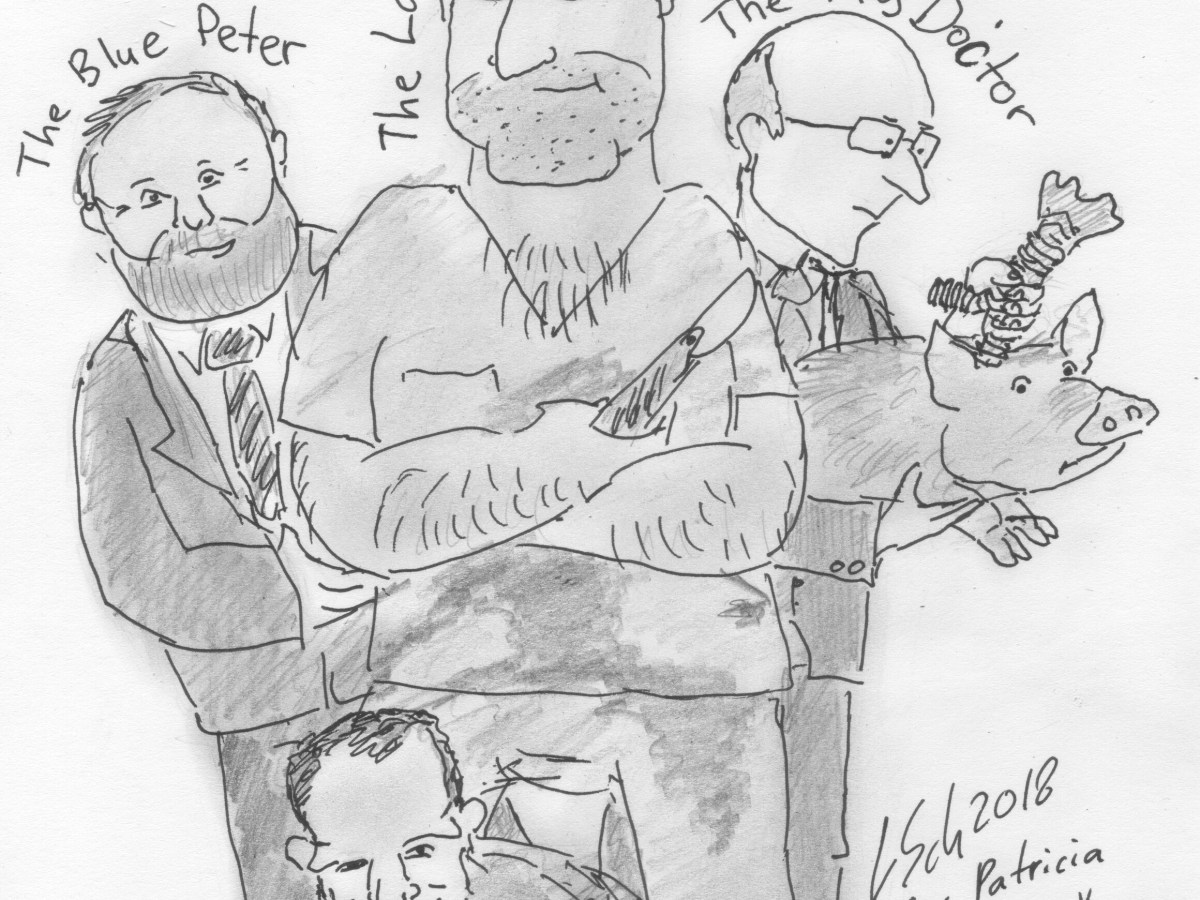
Time to retract Lancet paper on tissue engineered trachea transplants
Paolo Macchiarini affair: I reproduce the letter Patricia Murray, Raphael Levy, Peter Wilmshurst and myself published in The BMJ on 2 March 2022. I also publish Wilmshurst’s appeal to the UCL leadership.
Macchiarini’s patron at MHH, Axel Haverich, once had big plans to grow human hearts with the help of his Italian star. Failing that, Haverich set up a business of “growing” heart valves which he initially tested on children on Moldova to bypass German ethics oversight. Maybe he is one of the big alpha men at MHH preventing an investigation into Scheibe’s heart biology papers?
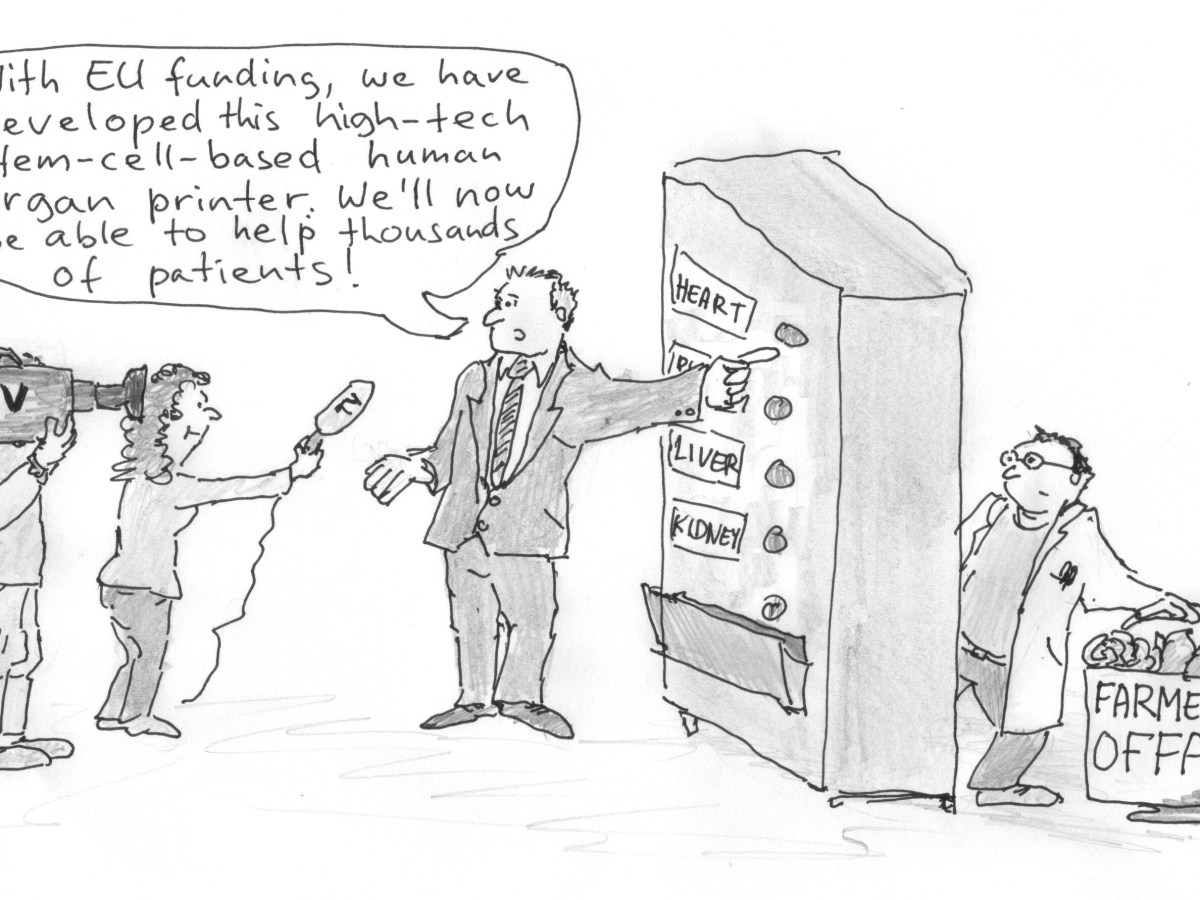
Regenerating in Hannover, Part 2: Axel Haverich’s “growing” heart valves
The science of the fallen star of regenerative medicine Paulo Macchiarini was simple: take a dead organ, strip it of its cells and seed the carcass with stem cells (usually the magic cells from bone marrow). After some days in a “bioreactor”, you take out a living trachea, esophagus, even heart, and implant it into a…
Clare Francis did the bulk of the work scrutinising Scheibe’s research, there is now a nice PubPeer record of almost 10 papers. And how did our sleuth find Scheibe? He followed another cheater, Angel Nebreda! This ICREA professor at the IRB Barcelona in Spain has a worrisome PubPeer record, his other collaborators are toxic figures like Eric Lam (sacked by Imperial College London), Pura Munoz-Canoves, or Manuel Benito and Angela Valverde. I briefly wrote about Nebreda in this article about another one of his German collaborators:

Bad Choices in Dresden II
“I cannot help but wonder to what extent you will systematically scrutinize all publications from my group.” – Prof Dr Marino Zerial
Now, this paper by Nebreda and Scheibe is really something:
Joachim D Meissner, Kin-Chow Chang, Hans-Peter Kubis , Angel R Nebreda, Gerolf Gros , Renate J Scheibe The p38alpha/beta mitogen-activated protein kinases mediate recruitment of CREB-binding protein to preserve fast myosin heavy chain IId/x gene activity in myotubes Journal of Biological Chemistry (2007) doi: 10.1074/jbc.m609076200
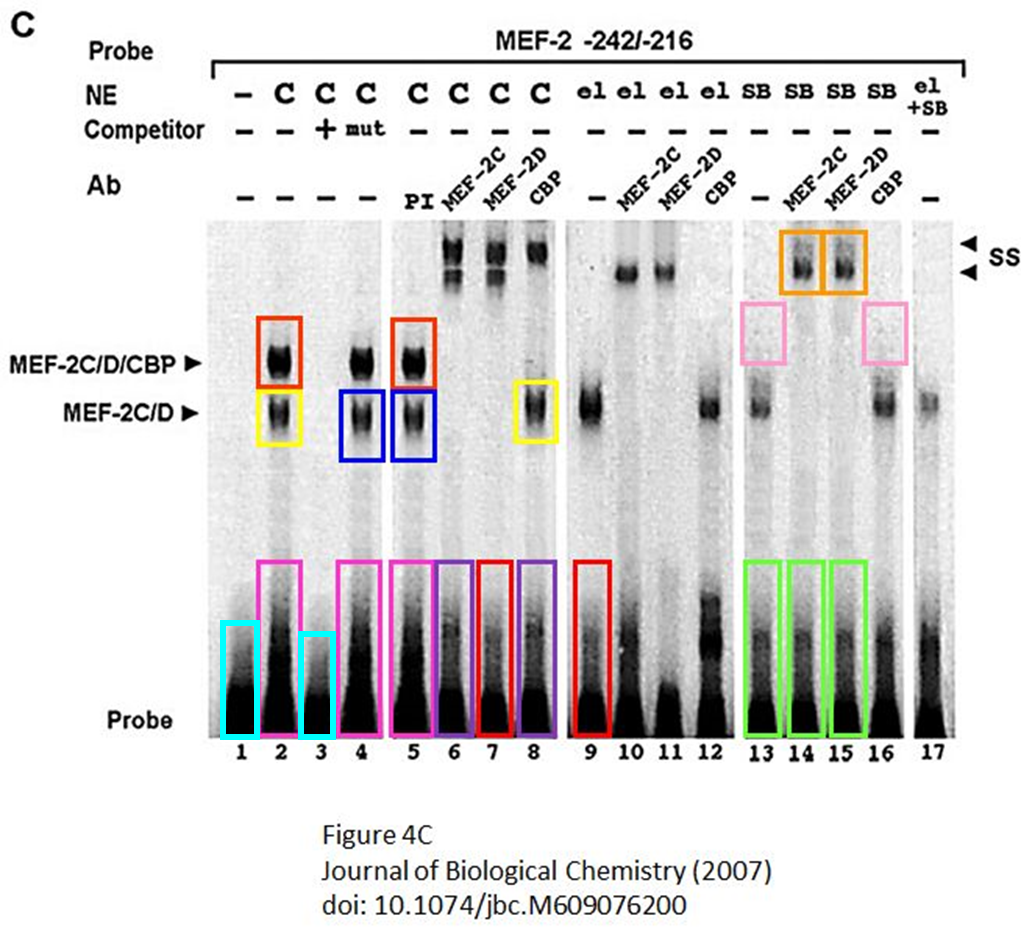


The first author Joachim Meissner spent his entire career at MHH and is currently a group leader there, studying stem cell-derived cardiomyocytes. Like Scheibe, also Meissner hasn’t made it to professor, maybe this stands in the way (and one can’t blame Nebreda here):
Joachim D Meissner , Robert Freund , Dorothee Krone , Patrick K Umeda , Kin-Chow Chang , Gerolf Gros, Renate J Scheibe Extracellular signal-regulated kinase 1/2-mediated phosphorylation of p300 enhances myosin heavy chain I/beta gene expression via acetylation of nuclear factor of activated T cells c1 Nucleic Acids Research (2011) doi: 10.1093/nar/gkr162

An overlay by Orchestes quercus:


Here, Scheibe uploaded images of raw data and stated:
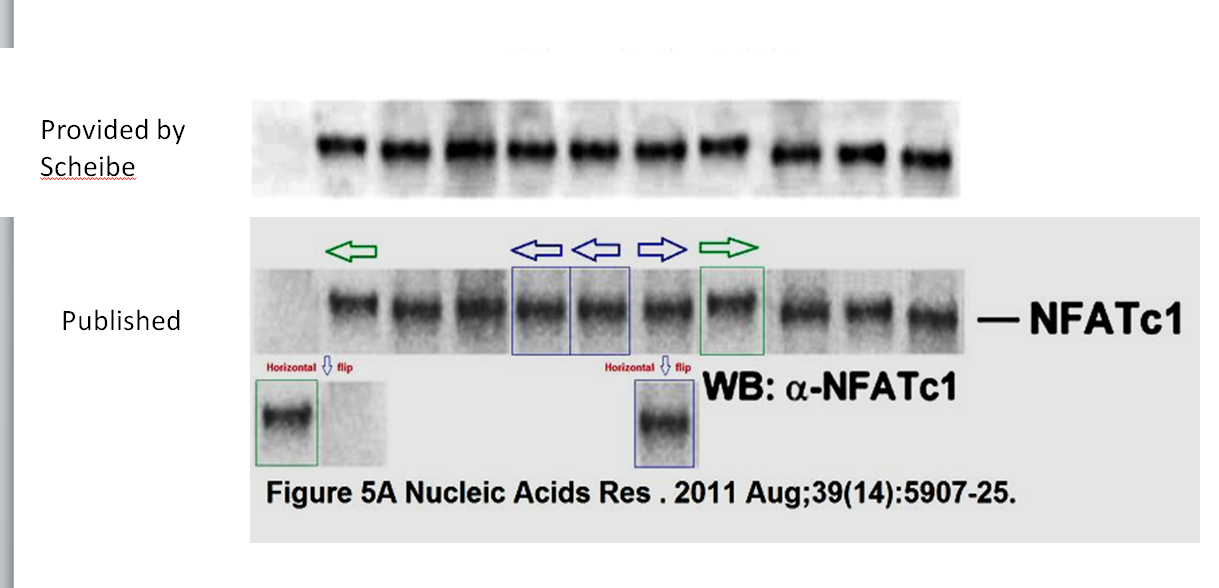
“The composite Figure 5 was generated in 2010 and consists of two images of large-scale electromobility shift gels and a bottom panel A. Each of these single panels had to be reduced in size and resolution prior to figure submission.
Figure 5, bottom panel A, date of file 11/11/2010 High resolution original image demonstrates that bands are similar but, in fact, not identical.“
The provided raw data for Figure 5 is of lower resolution than published figure. Strange in itself. How to explain that the published bands looks utterly identical, but the bands in the “raw data” do not, and now have a different background?
There was more wrong with Figure 5A as Cheshire noticed:
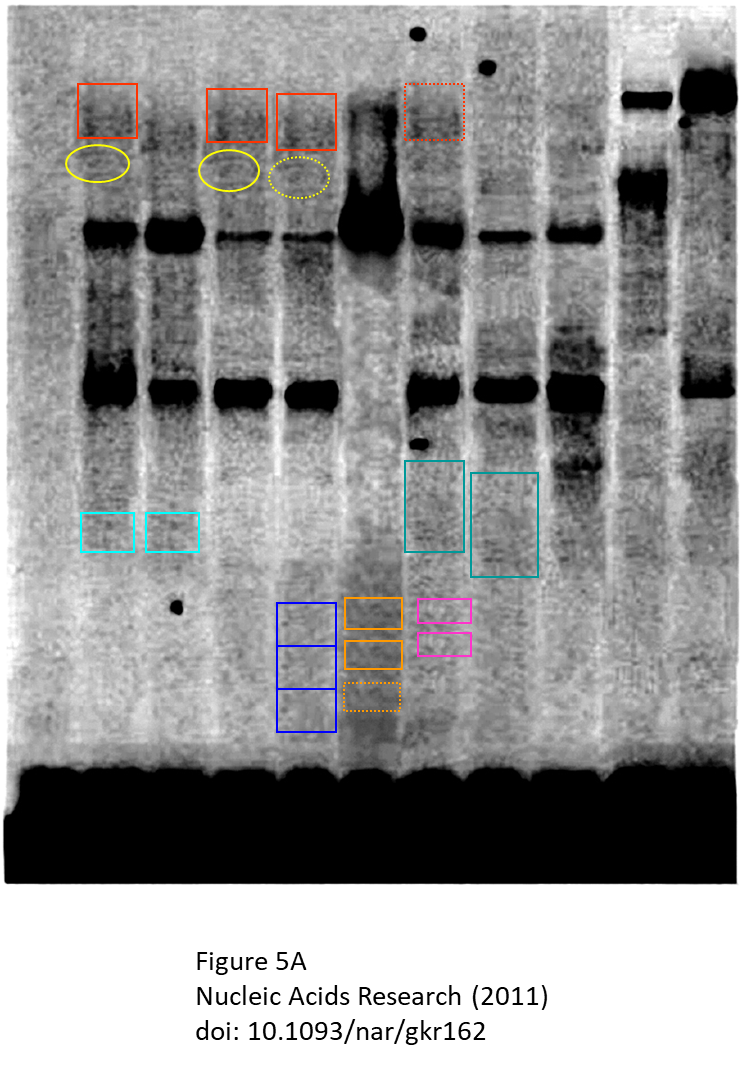
Scheibe didn’t reply to new evidence.
A coauthor on the above two papers is Gerolf Gros, emeritus professor and since 1986 head of the Vegetative Physiology lab at MHH. He shared his expert views on another study by Scheibe:
Renate J Scheibe , Gerolf Gros, Seppo Parkkila , Abdul Waheed , Jeffrey H Grubb , Gul N Shah , William S Sly , Petra Wetzel Expression of membrane-bound carbonic anhydrases IV, IX, and XIV in the mouse heart Journal of Histochemistry & Cytochemistry (2006) doi: 10.1369/jhc.6a7003.2006


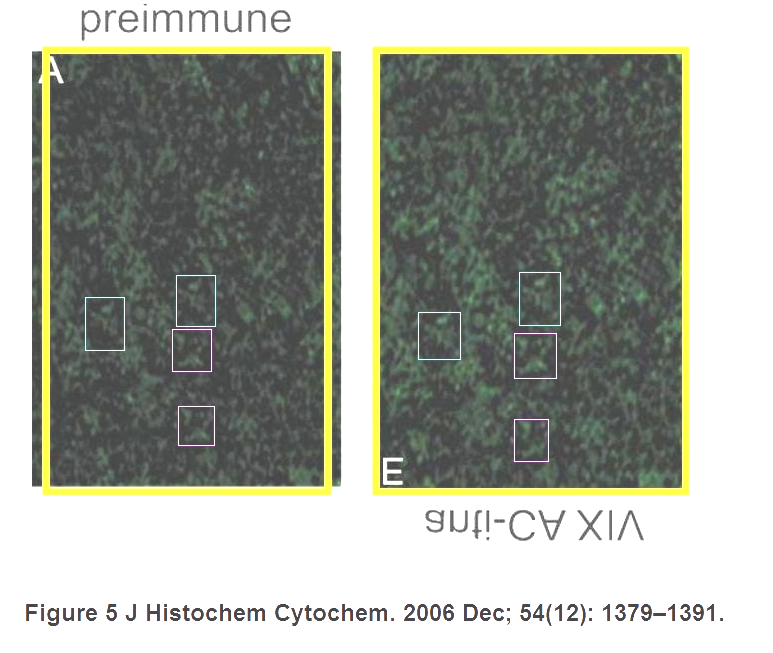
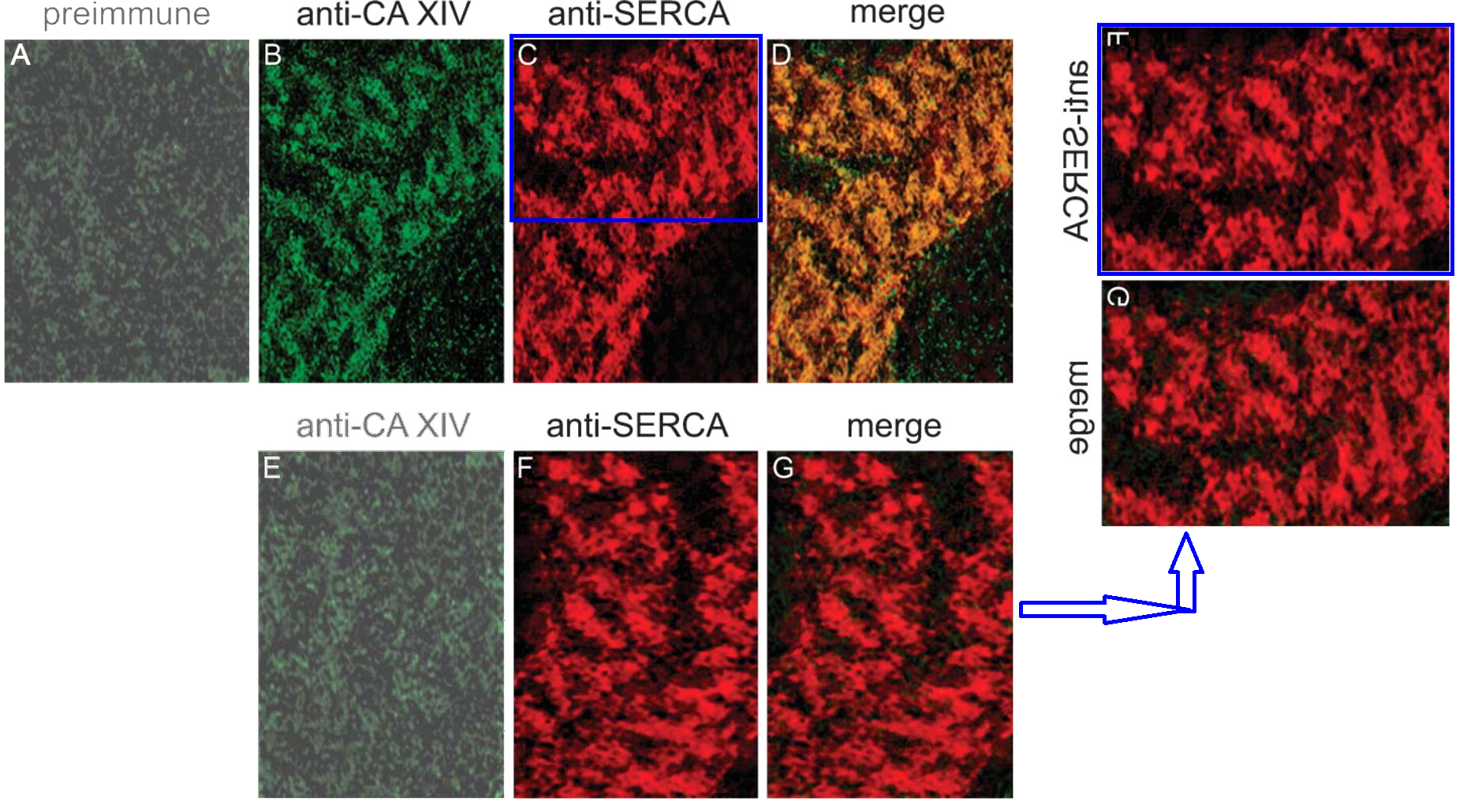
Gros weighted in on PubPeer (typos his):
“Similar but clearly not identical!! We are looking at highly regular structures. […] There has been no editing of all the figures! The (unknown) critical reader my himself look up photogrophs of light or electron microscopic pictures of sarcoplasmic reticulum and other highly regular structures in muscle, as published in the literature and in tetbooks or comprehensive reviews.“
Here another one by Scheibe, Gros and a Petra Wetzel, who did her “habilitation” (a German post-PhD degree) under Gros’ mentorship:
Renate J. Scheibe , Karsten Mundhenk , Tilman Becker , Janine Hallerdei , Abdul Waheed , Gul N. Shah , William S. Sly , Gerolf Gros , Petra Wetzel Carbonic anhydrases IV and IX: subcellular localization and functional role in mouse skeletal muscle AJP Cell Physiology (2008) doi: 10.1152/ajpcell.00228.2007
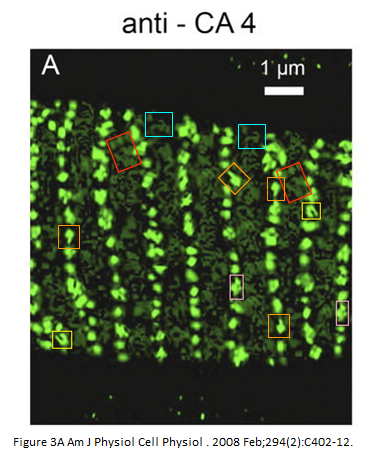

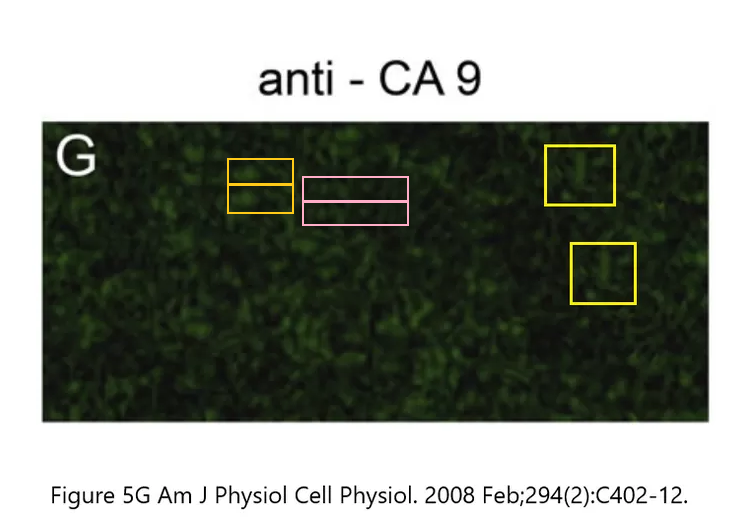

Quite possibly Gros also managed Scheibe’s and Meissner’s “habilitations”, I couldn’t find their CV to prove that. Have instead some vintage classics by Scheibe and Meissner:
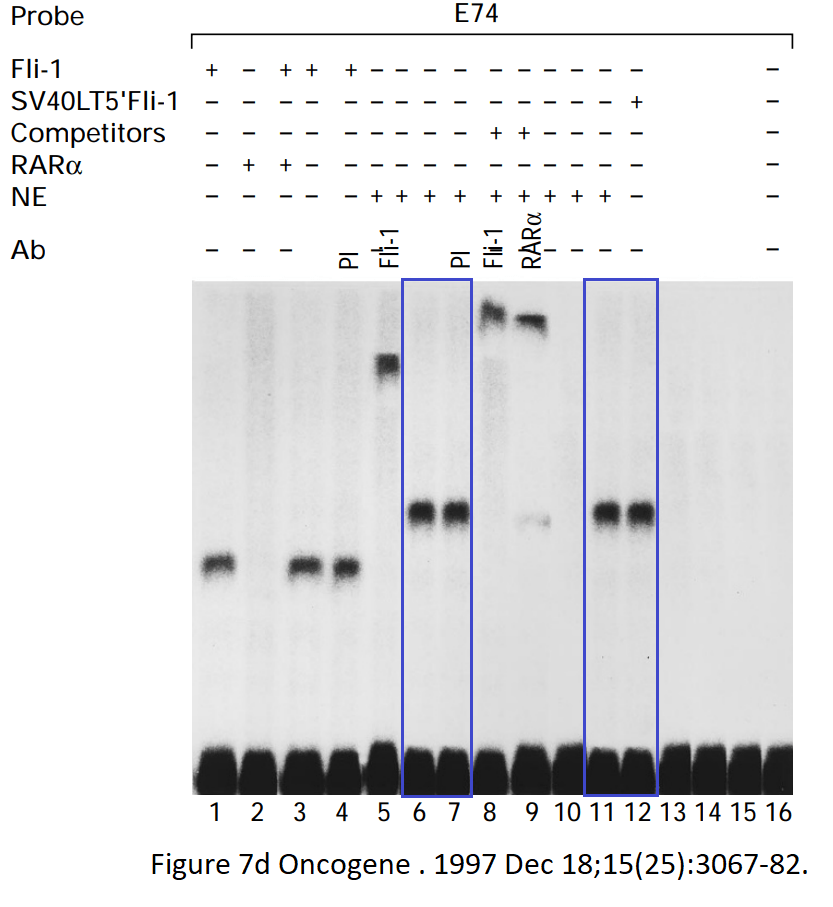
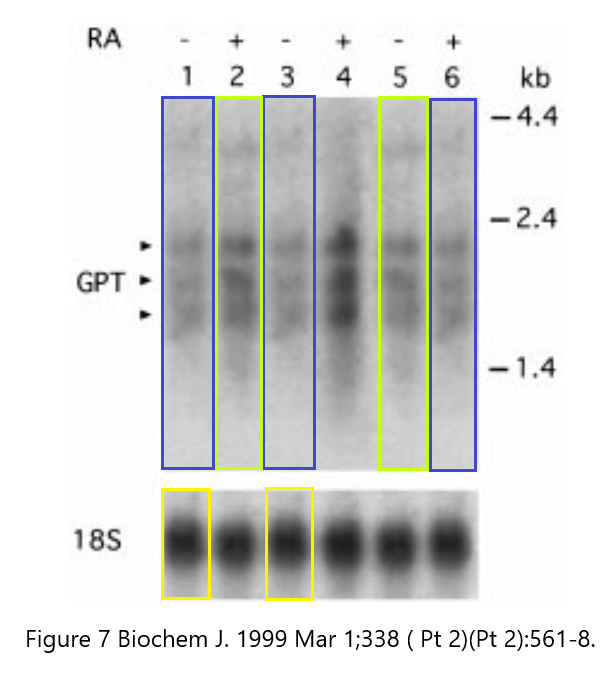
pubmed: 10024536


Scheibe and Meissner never replied to my email inquiries.
Now, to a very interesting paper. Because of its co-author, the MHH professor Matthias Gaestel, who is Director of the Institute for Cell Biochemistry where Scheibe’s works. Not just this: Gaestel is the Deputy Head of the Commission for Good Scientific Practice at MHH. Before you look at his paper with Scheibe, some backstory regarding the former MHH researchers and Macchiarini collaborators, Heike and Thorsten Walles.

Heike Walles guilty of research misconduct
Former star of German regenerative medicine Heike Walles gets slapped with research misconduct and a retraction by her former employer, the University of Würzburg. She and her husband, the Macchiarini-trained surgeon Thorsten Walles, left Würzburg years ago for Magdeburg where nobody minds.
Years ago, I caused an investigation of Walles’ papers at the University of Würzburg, at the Fraunhofer Institute in Stuttgart, and at the MHH. The former found Heike Walles guilty of research misconduct, the latter covered everything up, being responsible for the horrible suffering of two deceased tracheal transplant patients. But MHH unexpectedly investigated the Walleses. In February 2023, Matthias Gaestel posted this on PubPeer, for seven Walles papers:
” This publication was the subject of an investigation by the Commission for Good Scientific Practice (GSP Commission) of Hannover Medical School (MHH). Upon recommendation of the Commission, the MHH President requested the authors to retract this publication in April 2019. As this publication has still not been retracted by January 12, 2023, the MHH President has instructed the Chair of the GSP Commission to publish this commentary.”
The details of these 7 papers are in earlier Friday Shorts. None was retracted because Walles’ current employer, the University of Magdeburg in eastern Germany, seems to be preventing the retractions. Gaestel did not give me the investigative report or even its summary when I asked him.
Now, his paper with Scheibe:
Madeleine Scharf , Stefan Neef , Robert Freund , Cornelia Geers-Knörr , Mirita Franz-Wachtel , Almuth Brandis , Dorothee Krone , Heike Schneider , Stephanie Groos , Manoj B Menon , Kin-Chow Chang , Theresia Kraft , Joachim D Meissner , Kenneth R Boheler , Lars S Maier , Matthias Gaestel , Renate J Scheibe Mitogen-activated protein kinase-activated protein kinases 2 and 3 regulate SERCA2a expression and fiber type composition to modulate skeletal muscle and cardiomyocyte function Molecular and Cellular Biology (2013) doi: 10.1128/mcb.01692-12
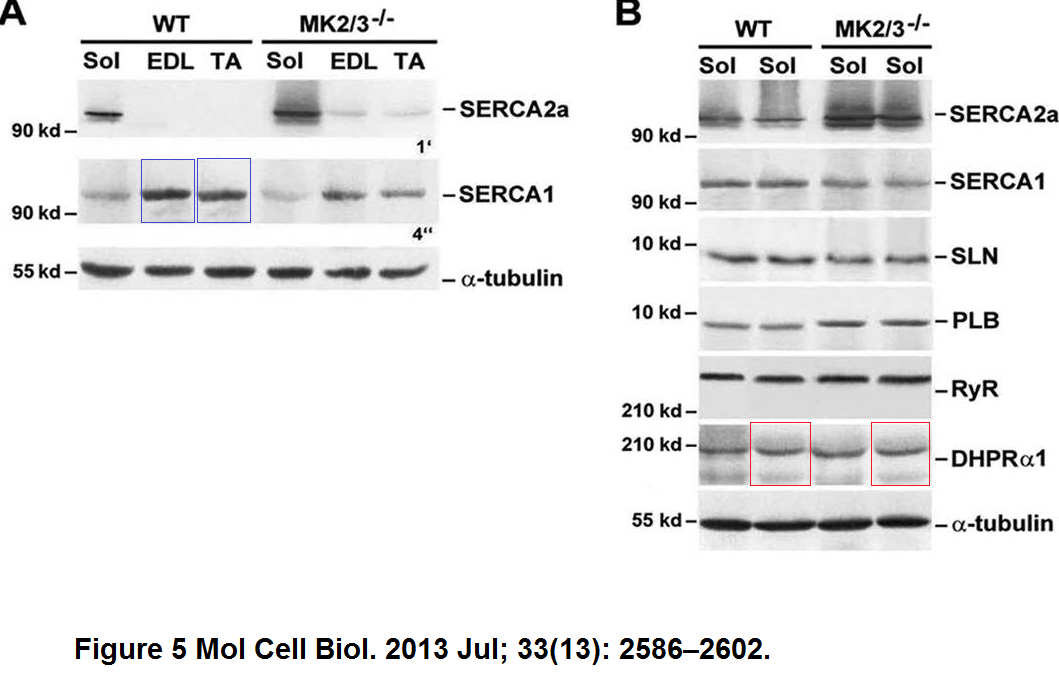
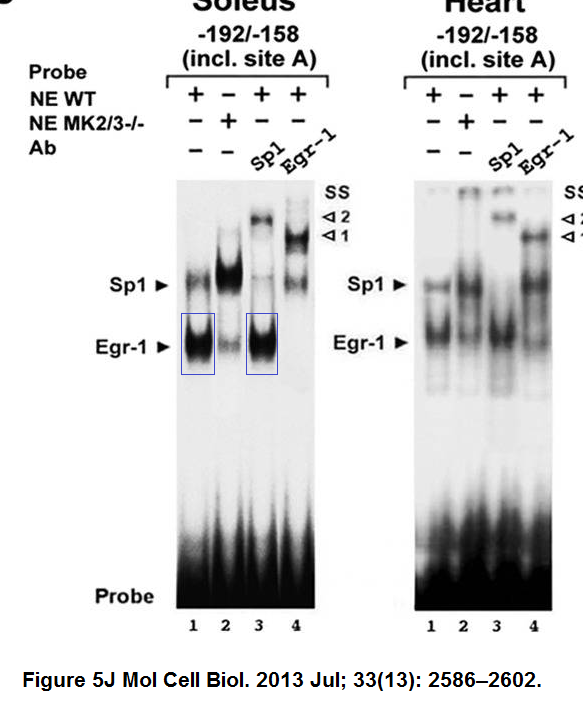
Also here, Scheibe shared images of raw data and declared:
“These higher resolution images demonstrate that, although the lanes of question seem very similar, they are, however, not identical. Figure 5, Panel B, date of file 3/24/2009 Figure 5, panel J, date of file 5/14/2008. The composite Figure 5 was generated in 2011 and consists of a large number of 12 single panels from A-L, all related to the same thematic issue.”
In an email to me, Gaestel agreed (translated):
“…Dr. Scheibe presented to me the original blots (from 2008 and 2009) in electronic form and put them in PubPeer as an author’s response. I think that’s pretty convincing.”
He refused to change his mind when challenged with this evidence of raw data fabrication:

Scheibe’s boss and deputy head of research integrity commission Gaestel told me that he sees no conflict of interests here and would only recuse himself when this paper of his would be subject of investigation. In any case, he explained, his commission can only investigate cases if the Ombudsman Thomas Werfel and the President of the MHH Michael Manns allow it. As a reminder, the investigation of Jungebluth’s MD dissertation was forbidden in 2017 on explicit order of the then-MHH president, Christopher Baum. That’s how academic freedom works at MHH.
I received no reply from Werfel. The person in charge of MHH Ombudsman office, Beate Schwinzer, replied only after many attempts. Translated:
“To date, neither the ombudsman nor one of the ombudspersons has received an official report of a suspected violation of the GWP (reports that only reach us in the cc are not processed).
When suspected cases regarding good scientific practice are reported, the responsible committees at the Hannover Medical School are bound by the guidelines of the Hannover Medical School for safeguarding good scientific practice and procedural rules for dealing with scientific misconduct to strict confidentiality. Absolute confidentiality and the protection of everyone involved in a suspected case is one of the basic requirements that the DFG also makes when dealing with suspected cases. Therefore – and of course also for reasons of data protection – we are not allowed to give any information. The usual procedure at the MHH in suspicious cases can be found in our guidelines (§13).
Please understand that we are therefore unable to answer your inquiries.“
I asked Schwinzer if that means she, Werfel and Gaestel refuse to admit my notification, and even if they would eventually allow me to jump through hoops to place it, they would never tell me when they reject it as baseless and unfounded. No reply. Schwinzer also did not deny my supposition that MHH knew for years of the problems with Scheibe’s and Meissner’s research.

If my supposition is true, MHH considers the case as dealt with ages ago. Fact is, Scheibe and Meissner spent already 3 decades at MHH and were still not given the title of professor. It seems everyone knows what kind of science they produce, even the national founder, the German Research Council (DFG). Scheibe’s only recorded DFG grant was a modest “Individual Research Grant” (Sachbeihilfe), financed 2009-2020. Meissner’s one and only DFG grant was also a Sachbeihilfe, financed 2006-2010. Basically, they fully depend on MHH’s goodwill for their jobs, research funds, and lab members. Both Scheibe and Meissner hardly ever publish papers, in recent years they were mostly picked up as coauthors. From their publication records, the patronage of Gros is more than obvious.
It’s not really a big fraud scandal, but a trashy provincial farce.
I don’t think Scheibe or Meissner are that important to the MHH bigwigs (except for Gros who retired anyway). These two bring no money whatsoever, only costs and embarrassment. But MHH is categorically unable to admit to any malpractice, they will cover up and suppress everything by default. That’s why Haverich was allowed to run the heart clinic as his private fiefdom, why Jungebluth can still call himself Dr med, and why Macchiarini is still adjunct professor at MHH.
Let’s end with Jungebluth singing. Really.
Note: the cell biologist Renate Scheibe of MHH shouldn’t be confused with the plant scientist Renate Scheibe of the University of Osnabrück, a member of the DFG Ombuds Committee for scientific integrity in Germany.
I thank all my donors for supporting my journalism. You can be one of them!
Make a one-time donation:
I thank all my donors for supporting my journalism. You can be one of them!
Make a monthly donation:
Choose an amount
Or enter a custom amount
Your contribution is appreciated.
Your contribution is appreciated.
DonateDonate monthlyI thank all my donors for supporting my journalism. You can be one of them!
Make a one-time donation:
I thank all my donors for supporting my journalism. You can be one of them!
Make a monthly donation:
Choose an amount
Or enter a custom amount
Your contribution is appreciated.
Your contribution is appreciated.
DonateDonate monthly
 For Better Science
Apart from the 2013 Mol Cell Biol paper with Matthias Gaestel, head of department, Renate Scheibe’s problematic papers stop in 2011.
In 2011 the problematic publications by Silvia Bulfone-Paus became news in Germany. It seems likely that the researchers at the Hannover Medical School read the newspaper reports, and the mention of 13 retractions in Laborjournal, a German science magazine aimed at people who work in the laboratory. Perhaps this is the reason for the end of the string of problematic publications. Others may have said that it was wiser to stop. Funny to think that Silvia Bulfone-Paus may have left a legacy in Germany!
https://pubpeer.com/publications/81B38C13E9B1011B357E332C0C6316
https://www.abendblatt.de/ratgeber/wissen/article107931810/Spitzenforscherin-steht-unter-Betrugsverdacht.html
https://www.abendblatt.de/ratgeber/wissen/article107931810/Spitzenforscherin-steht-unter-Betrugsverdacht.html
LikeLike
2021.
https://doi.org/10.3390/medicina57040396
The p38/MK2 Axis in Monocytes of Fibromyalgia Syndrome Patients: An Explorative Study
by Boya Nugraha1, Renate Scheibe, Christoph Korallus, Matthias Gaestel and Christoph Gutenbrunner
In MDPI even!
LikeLike
My apologies.
“In 2011 the problematic publications by Silvia Bulfone-Paus became news in Germany. It seems likely that the researchers at the Hannover Medical School read the newspaper reports, and the mention of 13 retractions in Laborjournal, a German science magazine aimed at people who work in the laboratory.”
LikeLike
Ramifications in the U.K..
https://www.nottingham.ac.uk/vet/people/kin-chow.chang
Padding in the CV (no importance), or convenient stepping stones to a Professorship?
https://pubpeer.com/publications/81B38C13E9B1011B357E332C0C6316
https://pubpeer.com/publications/1A5FEF46F25A73B3135FAC8B01E0BE
https://pubpeer.com/publications/2777A7DF421B08F222BC266EFA4695
LikeLike
Mol Cell Biol, J Biol Chem and Nucleic Acids Research papers in Professor Kin-Chow Chang’s CV will look good, and will have been counted in grant and fellowship applications.
“To he who has shall be given..”
The Matthew principle works in science, just like in other walks of life.
LikeLike
Camille:
In case you have any French readers: we also have Hervé Maisonneuve in France, who hunts down scientific fraud.https://www.redactionmedicale.fr/about (about Hervé Maisonneuve)
Since 2016, he has been actively involved with the International Institute for Research and Action on Academic Fraud and Plagiarism (IRAFPA, Geneva).
Maisonneuve supports Handicap International, Médecins sans Frontières and Reporters sans frontières
LikeLike
In my opinion ALL the bands in Figure 3 of Mueller et al. 2000 JCP are duplicated.
LikeLike
It does look like this.

https://pubpeer.com/publications/CC1ACA655641EBBB74F285C87849D0
Please post your version on PubPeer!
LikeLike
I agree. All the bands look like stretched,
re-sized versions of each other. Might be early version of Photoshop, commercially available since February 1990, or old-fashioned photocopier.
LikeLike
Penultimate author Matthias Gaestel may have overlooked problematic data in
Molecular and Cellular Biology (2013) doi: 10.1128/mcb.01692-12
This does not take away from the fact that Matthias Gaestel investigated Heike Walles finding her guilty of research misconduct and recommending that seven papers be retracted, although it is difficult to understand how he is not swayed by more evidence about that paper in the context of several other problematic papers.
Similarly a report by Ulf Rapp (renowned discoverer of the RAF oncogene) into one of the most spectacular scientific fraud cases in Germany since WWII does not take away from the fact that Ulf Rapp does not check his data all the time, and may have been a victim of a Zoledronic acid scam.
https://pubpeer.com/publications/99AFB68AFEC85112AA0071DFEC1AC5
“Its report concludes that self regulation has obviously failed in the cases of Hermann and Brach. Of 347 papers published by Hermann between 1985 and 1996, only 132 were cleared of any suspicion of fraud. In 94 papers data manipulation was apparent; 121 papers could not be completely cleared and may contain wrong data.”
https://pubpeer.com/search?q=Ulf+Rapp+
And
https://pubpeer.com/publications/99AFB68AFEC85112AA0071DFEC1AC5
Zoledronic acid scam.
https://pubpeer.com/search?q=Alberto+Abbruzzese
LikeLike
As well as Alberto Abbruzzese, searching Pubpeer for Piersandro Tagliaferri brings up more problematic data.
A la familgia thing?
https://www.corrieredellacalabria.it/tag/piersandro-tagliaferri/
https://pubpeer.com/search?q=P+Tagliaferri
LikeLike
The dyslexia of old age
La famiglia?
LikeLike
In the 19th century, and well into the 20th century, many believed that there was a criminal “type”, or even criminal “types”. This has subsequently been debunked, but still appeals to eugenicists.
https://www.metmuseum.org/art/collection/search/301897
You cannot tell by looking at portraits of laboratory heads/ group leaders if their scientific output is kosher. Looking at their data might give you a clue.
LikeLike
“In any case, he explained, his commission can only investigate cases if the Ombudsman Thomas Werfel and the President of the MHH Michael Manns allow it.”
Michael Manns reviews 2022 at Hannover Medical School (MHH)
From the video Michael Manns seems an individual committed to patient care, the training of health professionals, and scientific research.
The problematic Renate Scheibe publications only appeared on Pubpeer in December 2022. Too early to get a mention.
Probably won’t get a mention in the 2023 review, but you never know.
LikeLike
President Hannover Medical School (MHH), Michael P Manns has published about a paper a week over most of the last 25 years.
How does he have time for anything else?
Perhaps his team publishes the papers.
Even with collaborations, reviews, guidelines, that is a publishing feat!
https://pubmed.ncbi.nlm.nih.gov/?term=Manns+mp&filter=years.2019-2019&timeline=expanded&sort=date
LikeLike
No, he is just that intelligent
LikeLike
https://pubmed.ncbi.nlm.nih.gov/?term=Manns%20mp&sort=date&ac=yes
According to Pubmed Michael P Manns has 1460 publications. These will tend to soak up the funding and squeeze other, different, minds out of the field of liver disease. German academia, like the U.S., does go in for quantity over quality. Anybody in Germany, or elsewhere, might give up, avoid that field, out of desperation.
1460 publications may not be a good thing for science
Michael P Manns warned not so long ago about sugar (diabetes mellitus) and fat bombs. He should consider publication bombs.
https://oiger.de/2017/12/31/leberstiftung-warnt-vor-suess-und-fettbomben-zum-jahreswechsel/166329
LikeLike
Problematic Michael P Manns Paper.
https://pubpeer.com/publications/D32658D40D8D156EFDF97450141971#1
LikeLike
Last author KL Rudolph!
LikeLike
https://en.m.wikipedia.org/wiki/Staatsexamen#:~:text=The%20Staatsexamen%20(%22state%20examination%22,well%20as%20surveyors%20have%20to
I hope that none of the problematic Renate Scheibe (Hannover Medical School) data finds its way into the first part of the German Staatsexamen for medical students. This basic science exam is taken quite seriously and tests things like muscle physiology.
“In medicine, the Staatsexamen (Ärztliche Prüfung, or physician exam) consists of three parts as of 2013. The first part is taken after the first two years of the six-year medical degree, i.e., after the basic sciences part of the degree (somewhat similar to U.S. pre-med)…”
LikeLike
“MHH (Hannover Medical School) is the place where the killer surgeon Paolo Macchiarini started his career in trachea transplanting, together with his subordinates, the aforementioned Walles couple. Macchiarini remains adjunct professor at MHH to this day”
https://www.independent.co.uk/news/paolo-macchiarini-ap-swedish-italian-stockholm-b2361526.html
LikeLike
Renate Scheibe, and the other researchers in Hannover, should not worry.
The eventual 13 (12 retractions at the time of the Spiegel article below) by Silvia Bulfone-Paus hardly causes a ripple.
https://www.spiegel.de/wissenschaft/mensch/dfg-erteilt-immunologin-bulfone-paus-ruege-wegen-fehlverhaltens-a-871920.html
“Milde Strafe für Spitzenforscherin
Es war einer der größten deutschen Forschungsskandale der vergangenen Jahre: Die Immunologin Silvia Bulfone-Paus musste gut ein Dutzend Veröffentlichungen wegen manipulierter Daten zurückziehen. Jetzt wurde der Fall geahndet – doch die Ermittler zeigen sich nachsichtig.”
LikeLike
https://regionalheute.de/braunschweig/mit-laufschuhen-im-gepaeck-hans-drexler-geht-in-ruhestand/
Down the road in Braunschweig. Prolific author
What are we learning. How often do you need “Updates’?
https://pubpeer.com/publications/9E63CA6A74D1D59B610FB6B95A13F2
https://pubpeer.com/publications/2A070EBD100D2D47AFB7560B740019https://pubpeer.com/publications/9A8315D7CB8D1DB857583D5020056D
https://pubpeer.com/publications/33FB6E69F2BC3CDD48D90EBDFC1CFB
LikeLike
Another problematic Hannover paper. This time in PLoS One.
https://pubpeer.com/publications/28CC0BB8E1417B80A3EC6344F2CF07#1
LikeLike
Problematic data Hannover.
https://pubpeer.com/publications/FD9E0DB6600E49F479786E0545B74C
LikeLike
“MHH professor Matthias Gaestel, who is Director of the Institute for Cell Biochemistry where Scheibe’s works.”
Matthias Gaestel is a co-author on a problematic paper by the prolific guru, world authority on protein phosphorylation, Philip Cohen, Dundee.
https://pubpeer.com/publications/6F51D53475836F56ECE6DD1D84F655
LikeLike
04 December 2023 retraction.
https://journals.plos.org/plosone/article?id=10.1371/journal.pone.0295635
After this article [1] was published, concerns were raised about some of the immunocytochemical images in Fig 1. Specifically:
Multiple sections of the CA IV panels in Fig 1a in [1] appear similar to sections of Figs 3A-C in [2] but the full panels are not duplicated. In Fig 1b, there appear to be similarities between two sets of two areas within the left CA IV panel. During editorial follow-up on these issues, the authors stated that the histochemical images in Fig 1a in [1] and Figs 3A-C in [2] may have been from serial sections from the same muscle fiber bundle, and that areas in question are similar but not identical. The authors also stated that the raw image data underlying figures of concerns in this article [1] are no longer available.
A member of the PLOS ONE Editorial Board reviewed the concerns and authors’ responses, and advised that whilst repetitive transverse lines are expected for this type of experiment due to the striated pattern of transverse tubules, different images or different regions within an image would not be expected to have the level of similarity observed in these figures.
Without the original images we cannot resolve the concerns about the integrity and reliability of results reported in Fig 1. Therefore, the PLOS ONE Editors retract this article.
GG, SP, and RJS did not agree with the retraction. JH, AW, WSS, PW, and VE either did not respond directly or could not be reached.
References 1.Hallerdei J, Scheibe RJ, Parkkila S, Waheed A, Sly WS, Gros G, et al. (2010) T Tubules and Surface Membranes Provide Equally Effective Pathways of Carbonic Anhydrase-Facilitated Lactic Acid Transport in Skeletal Muscle. PLoS ONE 5(12): e15137. https://doi.org/10.1371/journal.pone.0015137 pmid:21179203
2.Scheibe RJ, Mundhenk K, Becker T, Hallerdei J, Waheed A, Shah GN, et a. (2008) Carbonic anhydrases IV and IX: subcellular localization and functional role in mouse skeletal muscle. Am J Physiol Cell Physiol 294: C402–C412. pmid:18003750
LikeLike