
Is this the real life?
Queen (1975)
Is this just fantasy?
Caught in a landside,
No escape from reality
Vojtech Adam, a star of Czechia’s cancer and nanotechnology research, just won the election to the rectorship of the Mendel University in Brno. Instead of celebrating and announcing his vision for the university which he currently serves as Vice-Rector for Research, Adam has been given 3 weeks to explain the evidence of research fraud found in over 20 of his papers. Then a joint investigation will begin, by his Mendel University and two other research institutions Adam is since recently affiliated with: the Brno University of Technology (BUT) and the Central European Institute of Technology (CEITEC), based also in Brno.
Almost all PubPeer comments were posted by Elisabeth Bik, some are over a year old. Adam, a holder of a €1.4 million ERC research grant, whose ORCID record shows over 900 co-authored papers, himself claims to “have never fraud or falsify data.” and is busy contacting all his co-authors for raw data and explanations.
This will be the second story of faulty nanotechnology in Czechia I report. Before, we had the affair of Radek Zbořil at the Palacky University in Olomouc, also in the Moravia region. The difference is: Zboril was exposed by inside whistleblowers with exact knowledge and expert understanding of the science Zboril abused, some from inside Zboril’s lab with access to raw data. In Adam’s case, the digital image data fudgery in his papers was exposed by Elisabeth Bik who simply looked at some of the figures.
A a caveat first: our hero, the star nanotheranostics researcher Vojtech Adam, is not to be confused with the Czech politician and former Health Minister Adam Vojtech. We shall now start, because this is cancer research after all, with what might be the worst toxic dump in the field of cancer fraud, the journal Oncotarget:
Miguel Angel Merlos Rodrigo , Simona Dostalova , Hana Buchtelova , Vladislav Strmiska , Petr Michalek , Sona Krizkova , Ales Vicha , Pavla Jencova , Tomas Eckschlager , Marie Stiborova , Zbynek Heger , Vojtech Adam Comparative gene expression profiling of human metallothionein-3 up-regulation in neuroblastoma cells and its impact on susceptibility to cisplatin Oncotarget (2018) doi: 10.18632/oncotarget.23333
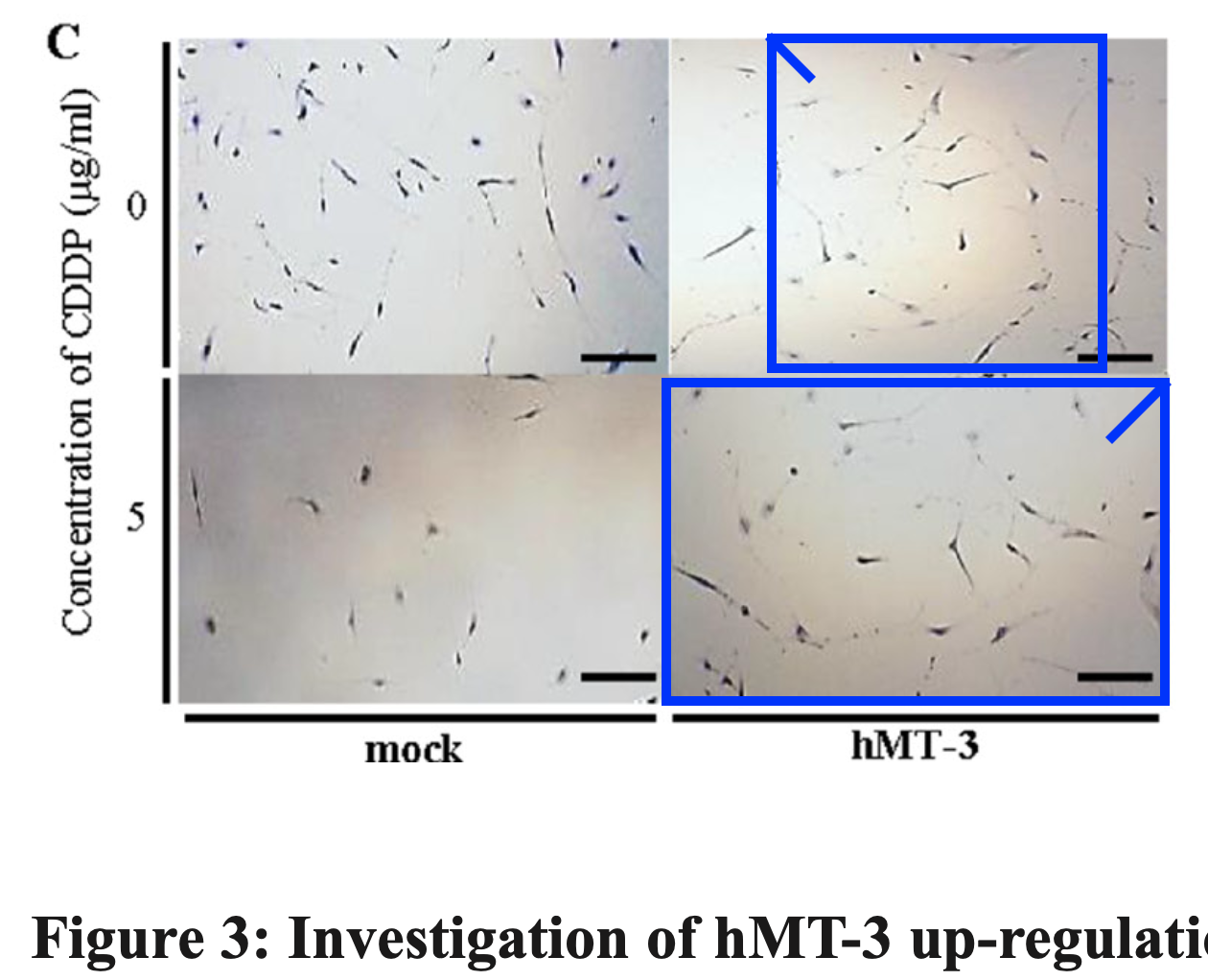
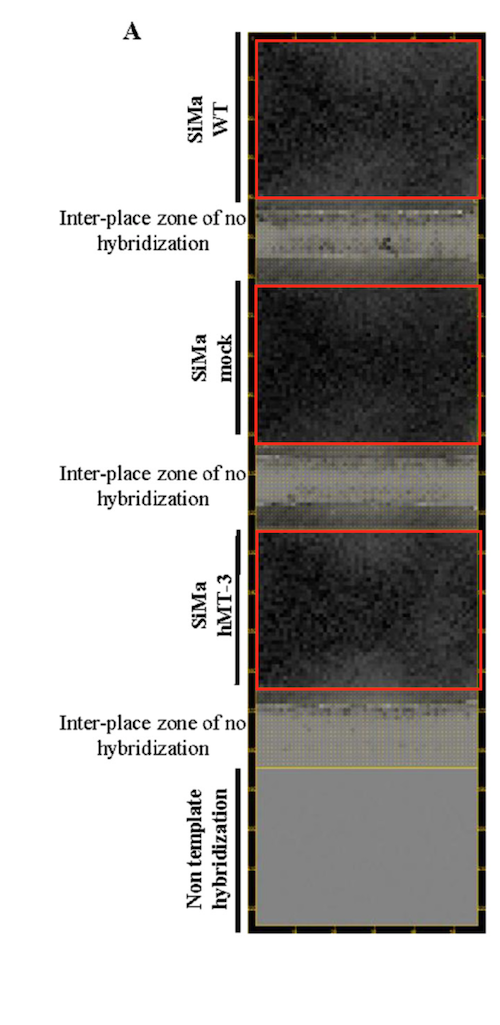
Treating cancer and bacterial infections with metal ligand drugs is Adam’s speciality, for which he is regularly celebrated in Czech media. In 2018, he received an ERC grant of almost €1.4 million, titled “Towards the Understanding a Metal-Tumour-Metabolism” where Adam promised:
“The precise description of the tumour related pathways coping with metal ions based on metallothioneins will direct new highly effective treatment strategies.”
A year ago, in 2020, that prestigious EU grant earned Adam a PI position at CEITEC, where he set up a Smart Nanodevices research group. This in turn automatically got him a his second professorship, at the CEITEC-affiliated Brno University of Technology (BUT). As Adam said in a public announcement:
“Currently, the Smart Nanodevices research group is divided into five smaller teams that deal with a range of issues from medicine to the environment to nanofertilizers. “But we all try to use modern materials,”
Modern materials? How many Photoshop licences does Adam need for his labs to compete with the bigwig cheaters abroad? He explained in a press release:
“why we are not reaching the level of giants like Oxford and Cambridge is primarily a question of funding. Their science is much better funded. And science is simply about money. “
It is the indeed the high art of burning enormous sums of research money to produce phony science while protecting the cheaters at all costs which elite places like Oxford and Cambridge did perfect! Look, they even recruit the very best people from over the world:
What Bik found in Adam’s papers are sometimes really lazy image duplications, often just slightly shifted (Buchtelova et al 2018), or darkened:
Ana Maria Jimenez Jimenez , Amitava Moulick , Sukanya Bhowmick , Vladislav Strmiska , Milica Gagic , Zuzana Horakova , Rom Kostrica , Michal Masarik , Zbynek Heger , Vojtech Adam One-step detection of human papilloma viral infection using quantum dot-nucleotide interaction specificity Talanta (2019) doi: 10.1016/j.talanta.2019.07.006
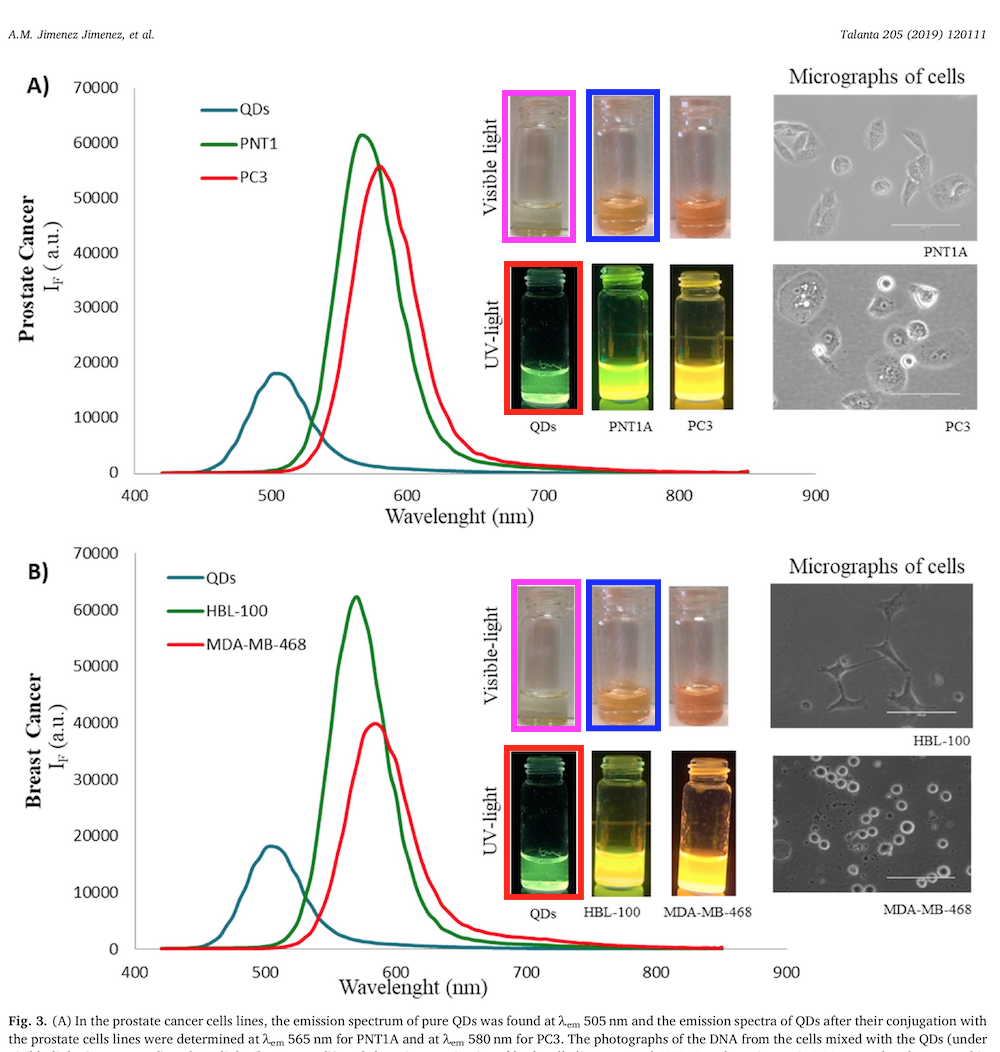
But no, of course Adam is really the hapless innocent victim of a conspiracy by everyone else here. He replied swiftly to my email about his growing PubPeer record:
“During my career, I have written and co-authored hundreds of scientific papers. I am glad that there are projects verifying the quality of the data published in there. It is important to have such an objective and independent control. I can honestly say that I have never fraud or falsify data. In the cases you have mentioned below, I am extremely sorry and, at the moment, I have already started to communicate with the co-authors as well as editorial offices to prepare errata of the issues identified in the published papers.“
Apparently, having produced “hundreds of papers” is an excuse to occasionally getting caught on having published fraud. The sheer amount of papers also conveniently deters image sleuths from checking – too much work.
The next paper however has been commented upon already a year ago, and the tack next to Adam’s and other authors’ names suggests they have been notified by email right away:
Zbynek Heger , Miguel Angel Merlos Rodrigo , Petr Michalek , Hana Polanska , Michal Masarik , Vitezslav Vit , Mariana Plevova , Dalibor Pacik , Tomas Eckschlager , Marie Stiborova , Vojtech Adam Sarcosine Up-Regulates Expression of Genes Involved in Cell Cycle Progression of Metastatic Models of Prostate Cancer PLoS ONE (2016) doi: 10.1371/journal.pone.0165830
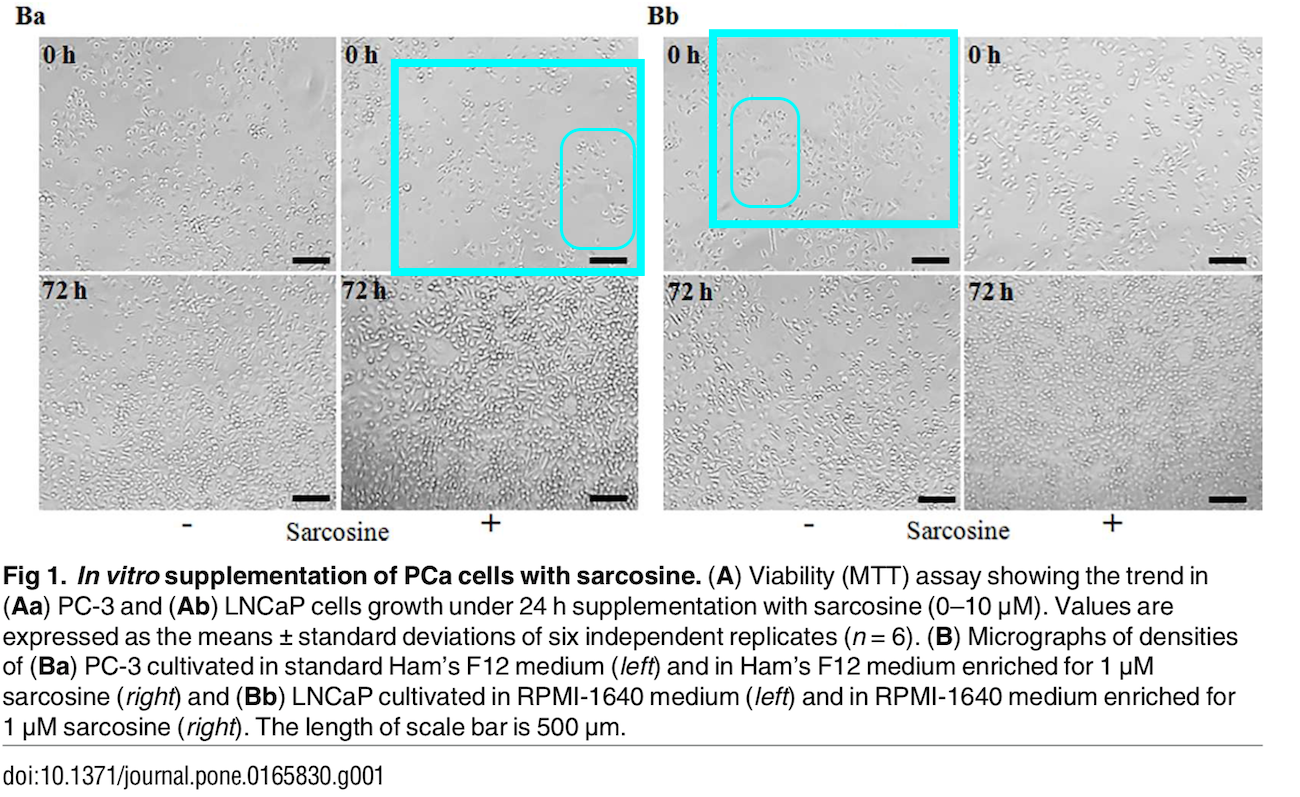
Probably just a mistake, easily fixable with a correction? Wait!
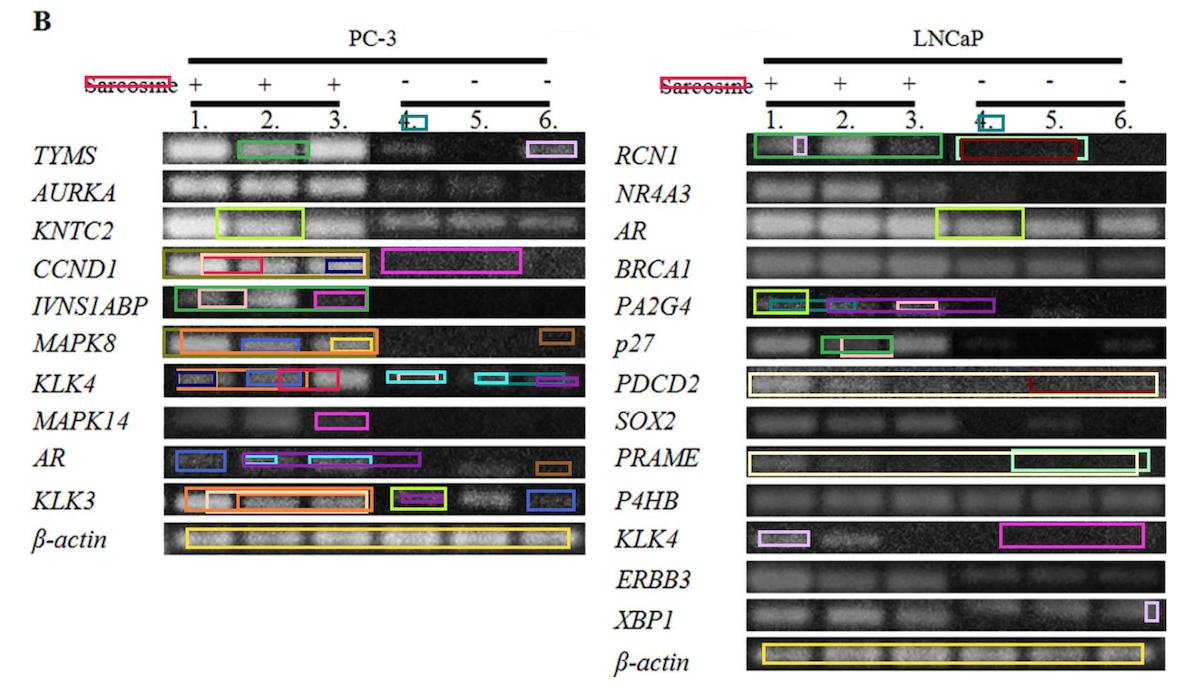
Adam however insisted in an email that he first “was notified on Monday“, i.e. on 18 October 2021. He then however seemed to agree that he might have overlooked the notifications, having at least 4 work email addresses. He also announced:
“I am going to check all raw data. I will do it one by one to solve all issues.“
Adam later clarified:
“At the papers, where I am not corresponding author, I will contact the responsible colleague to discuss it.“
Gosh, so much to discuss here:
Miguel A. Merlos Rodrigo, Vladislav Strmiska , Eva Horackova , Hana Buchtelova , Petr Michalek , Marie Stiborova , Tomas Eckschlager, Vojtech Adam, Zbynek Heger Sarcosine influences apoptosis and growth of prostate cells via cell-type specific regulation of distinct sets of genes The Prostate (2018) doi: 10.1002/pros.23450
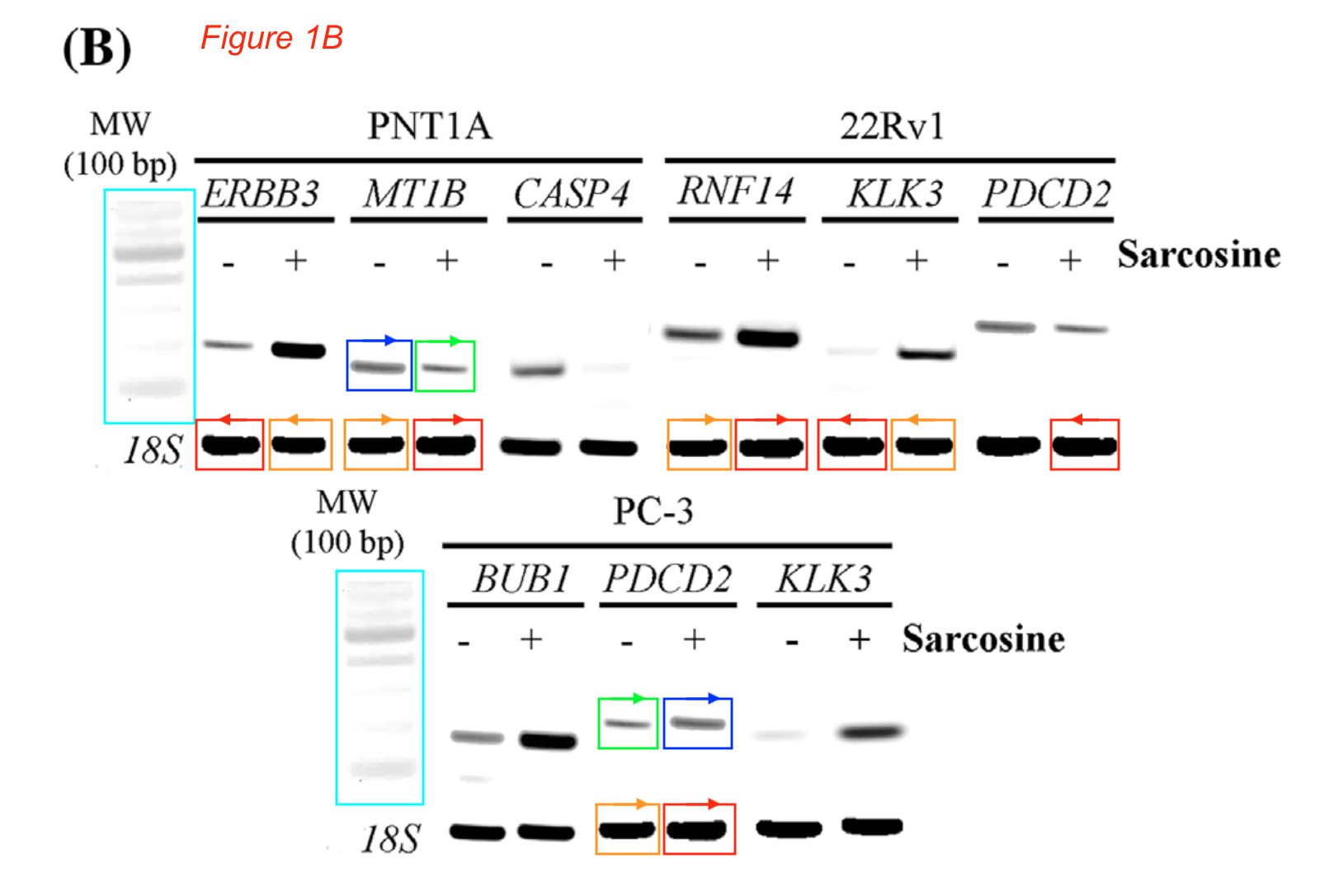
The key author on these above papers, Zbyněk Heger, is associate professor at Mendel University, now also affiliated with CEITEC, where he is senior researcher at Adam’s “Smart Nanodevices” team. You will keep encountering the name of this mentee of Adam’s. Another name you will keep encountering is that of René Kizek, professor of pharmacology at the Masaryk University in Brno, who in turn himself is the mentor of Adam.
Dagmar Chudobova, Simona Dostalova, Branislav Ruttkay-Nedecky , Roman Guran, Miguel Angel Merlos Rodrigo , Katerina Tmejova , Sona Krizkova , Ondrej Zitka, Vojtech Adam, Rene Kizek The effect of metal ions on Staphylococcus aureus revealed by biochemical and mass spectrometric analyses Microbiological Research (2015) doi: 10.1016/j.micres.2014.08.003
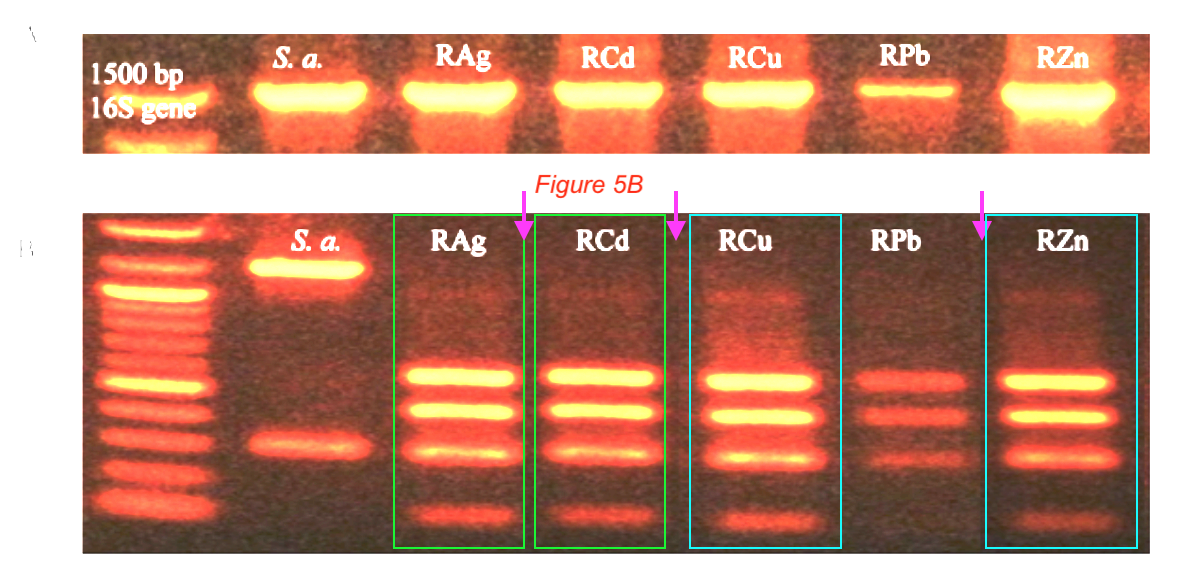
Pink arrows: Vertical sharp transitions appear to be visible between lanes.
Green boxes: The RAg and Rcd lanes look more similar than expected.
Cyan boxes: The RCu and RZn lanes look more similar than expected, albeit shown at different exposure times“
Fake gels seem to be a tradition, here another one from Kizek and Adam:
Soňa Křížková, Michal Masařík, Tomáš Eckschlager , Vojtěch Adam , René Kizek Effects of redox conditions and zinc(II) ions on metallothionein aggregation revealed by chip capillary electrophoresis Journal of chromatography. A (2010) doi: 10.1016/j.chroma.2010.07.022
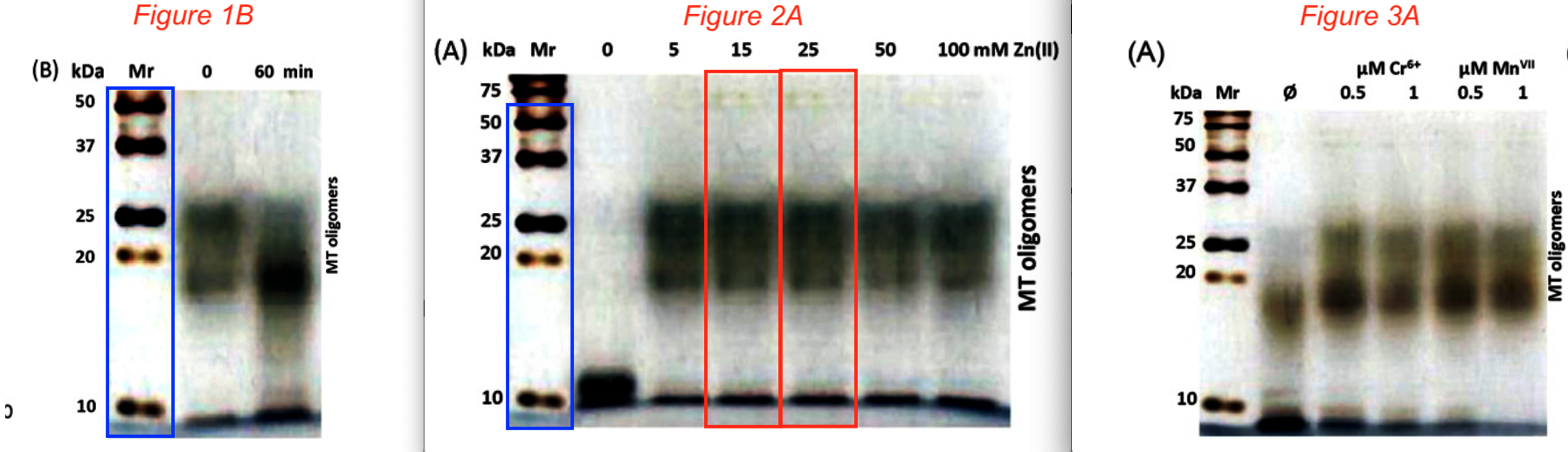
Red boxes: In Figure 2A, the 15 mM and 25 mM Zn(III) lanes look remarkably similar.“
I bet they won’t have the raw data for that paper because it is just about older than 10 years. But what about the rest?
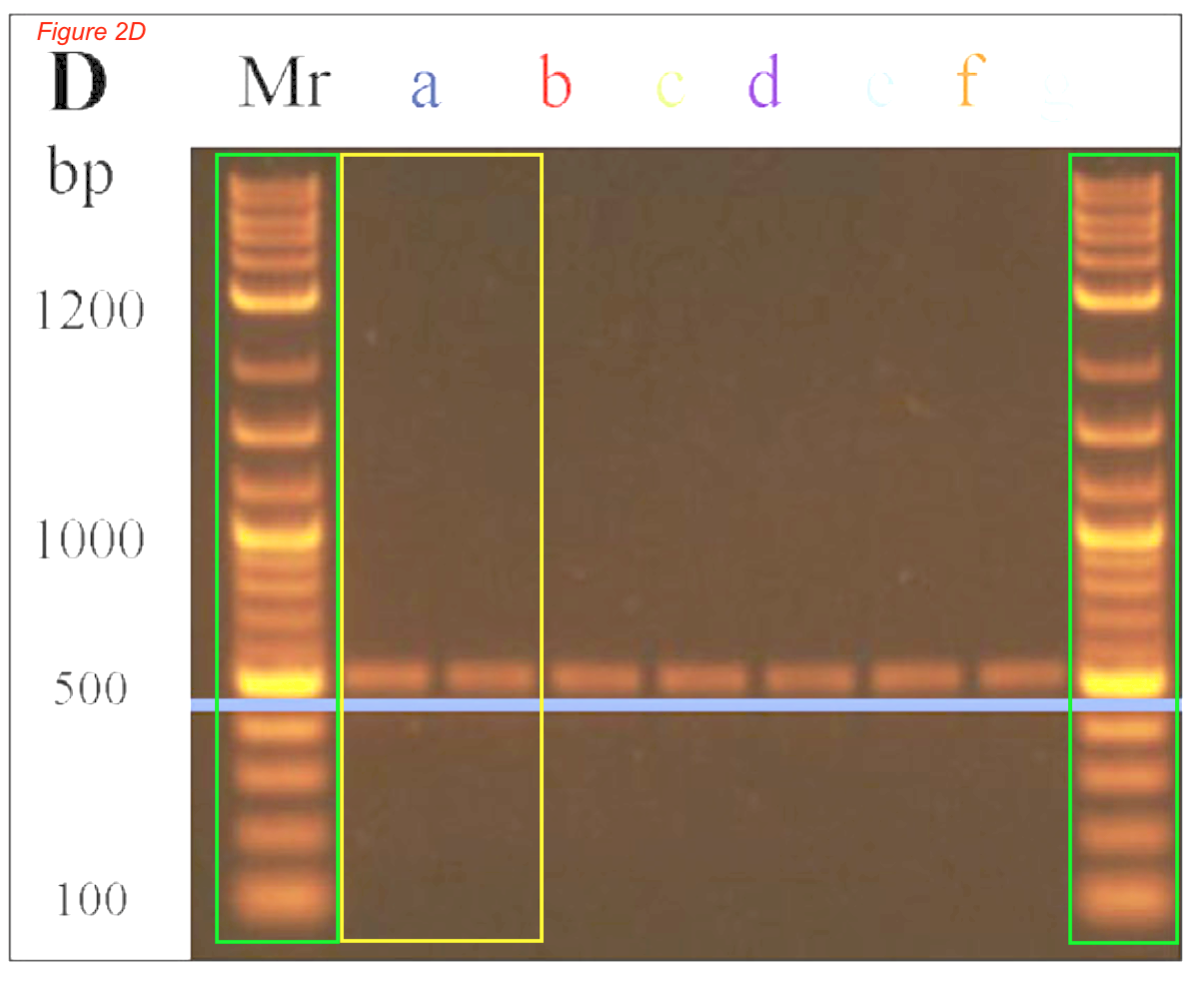
Lukas Nejdl , Branislav Ruttkay-Nedecky , Jiri Kudr , Sona Krizkova , Kristyna Smerkova , Simona Dostalova , Marketa Vaculovicova , Pavel Kopel , Josef Zehnalek , Libuse Trnkova , Petr Babula , Vojtech Adam, Rene Kizek DNA interaction with zinc(II) ions International Journal of Biological Macromolecules (2014) doi: 10.1016/j.ijbiomac.2013.12.013
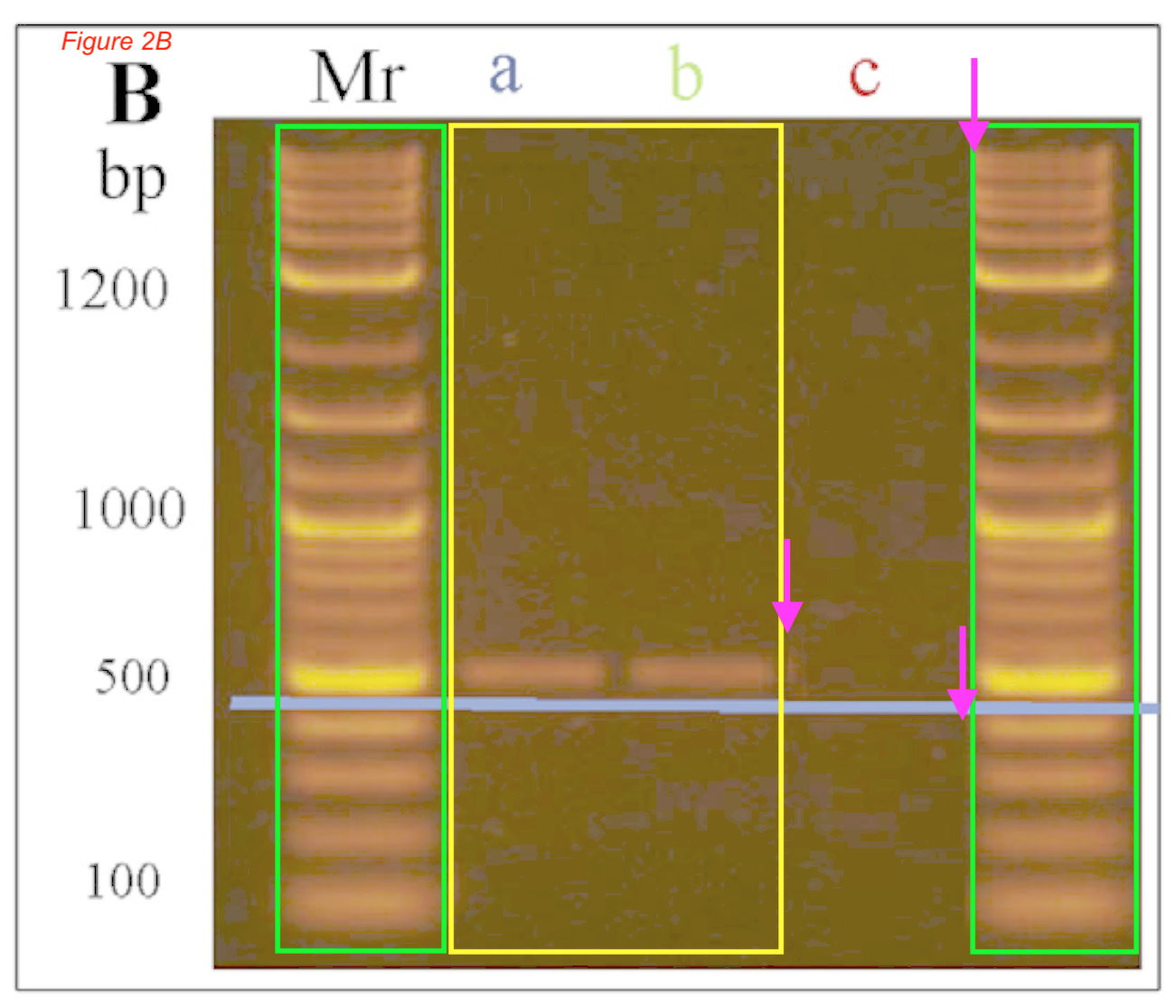
Green boxes: The Mr lanes look very similar between 2B and 2D, and also appear duplicated within the panels.
Pink arrows: Sharp background transition lines are visible, suggesting splicing of lanes.” Similar issues in Fig 4D
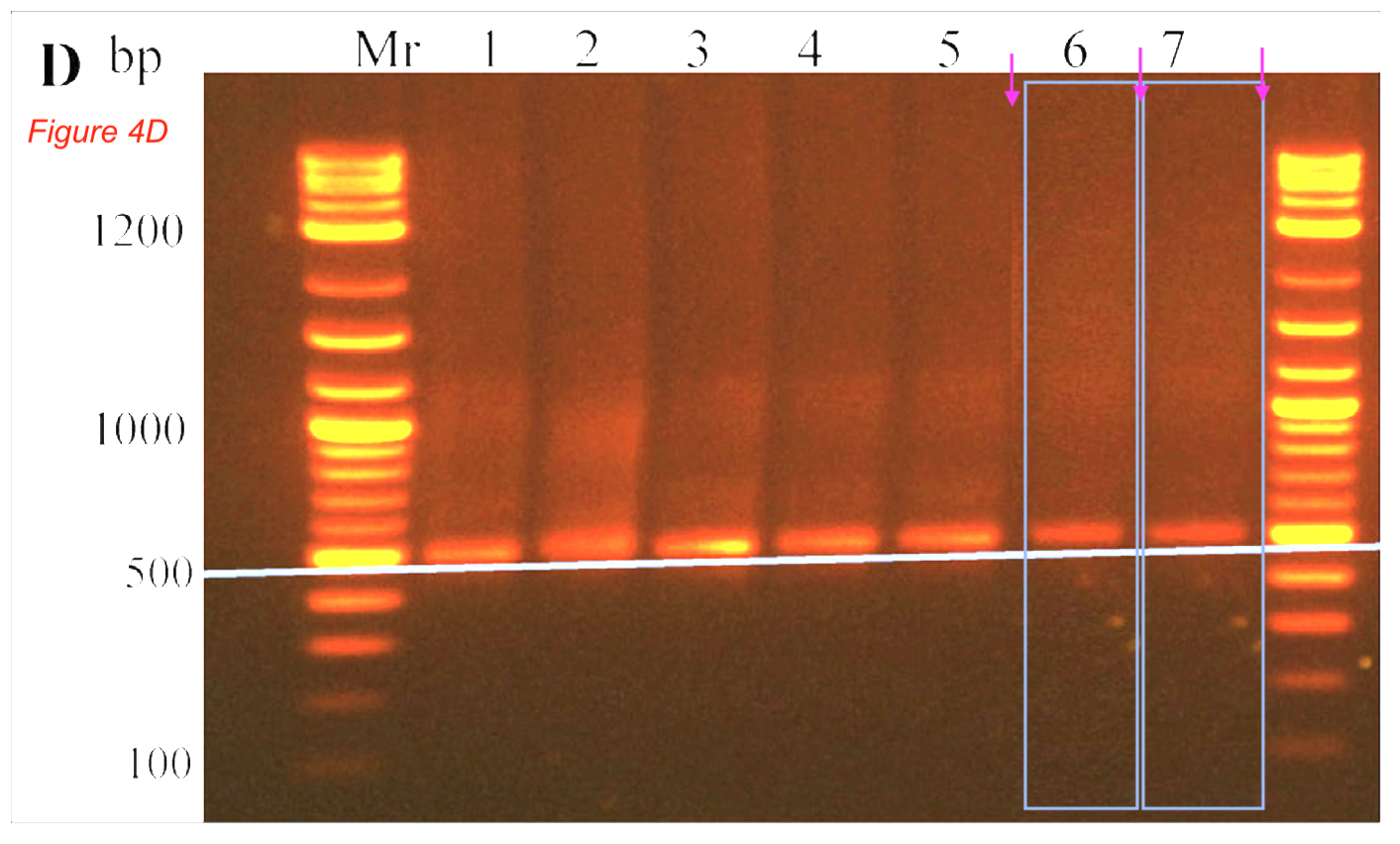
Another name you will keep encountering is Pavel Kopel, former staff scientist in Brno who recently earned himself a professorship and his own lab at the Palacky University in Olomouc. Yes, the university of the nanofabricator Radek Zbořil!
We are entering the Mendelian Paradox.
Gregor Mendel, the monk from Brno who discovered the rules of genetic inheritance, was also accused of fraud once modern scientists figured out that his Mendelian distribution data was just too good to be true, e.g. to account for the statistically expected noise and the reality of meiotic recombination between alleles. Various explanations to address the Mendelian Paradox were put forward, like unconscious bias, sheer luck, crooked sneaky assistants or indeed intentional yet forgivable data forgery, because “some giants of scientific discovery” did it, too. As Nissani 1994 explained:
“Apart from the statistical and circumstantial evidence above, everything we know about Mendel suggests that he was unlikely to engage in either deliberate fraud or large-scale, unconscious, adjustment of his observations. […]
In most cases, adjustment of data is rightly frowned upon, for it betrays an important rule of scientific conduct and, at the same time, it retards the growth of knowledge. Fraud undertaken for selfish, ideological, and other extrascientific reasons, is indeed reprehensible.
Sometimes, however, the demand to faithfully report one’s data must be sacrificed for the higher value of advancing knowledge.”
I love this argument from authority (argumentum ad verecundiam), it’s so stretchable, to the point where the only real fraudsters are the critics and whistleblowers who besmirch the truth-seeking elite scientists. Let’s use it to absolve the new Mendel University rector, no?
Here for example, so what if the gel bands and the nanoparticles were copy-pasted in Photoshop:
Simona Dostalova , Tereza Cerna , David Hynek , Zuzana Koudelkova , Tomas Vaculovic , Pavel Kopel , Jan Hrabeta , Zbynek Heger , Marketa Vaculovicova , Tomas Eckschlager , Marie Stiborova , Vojtech Adam Site-Directed Conjugation of Antibodies to Apoferritin Nanocarrier for Targeted Drug Delivery to Prostate Cancer Cells ACS Applied Materials & Interfaces (2016) doi: 10.1021/acsami.6b04286
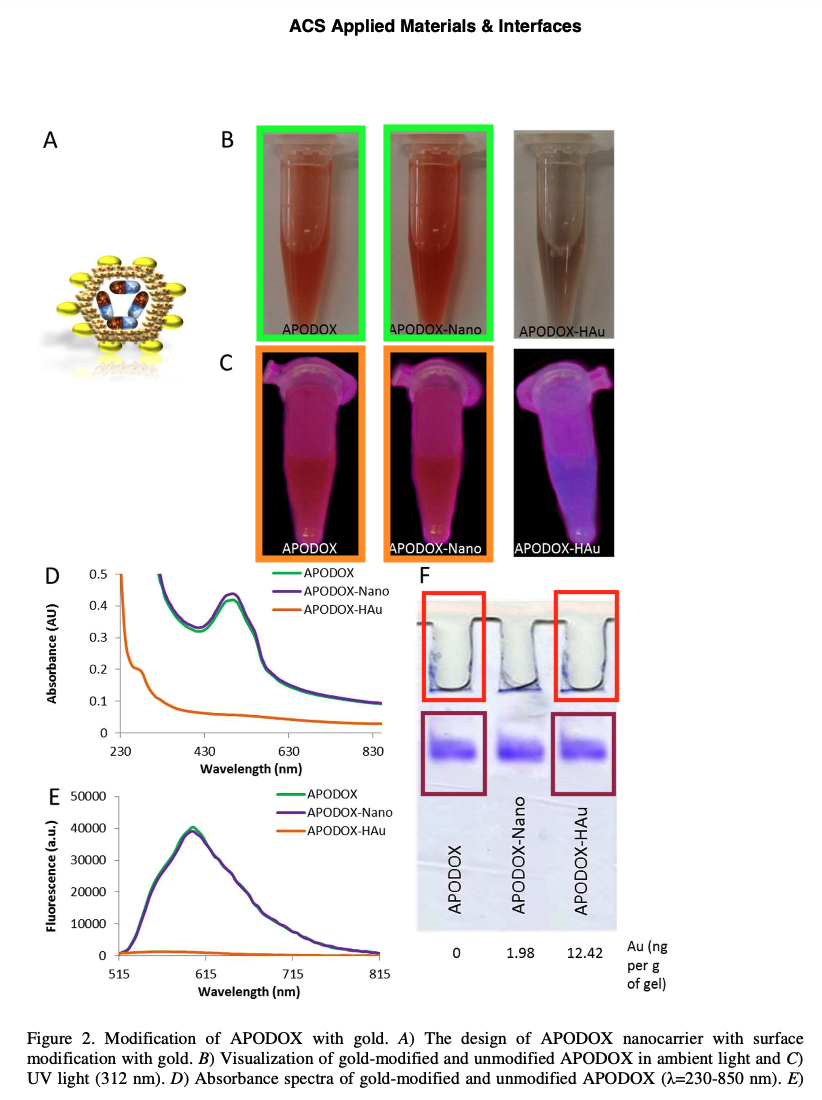
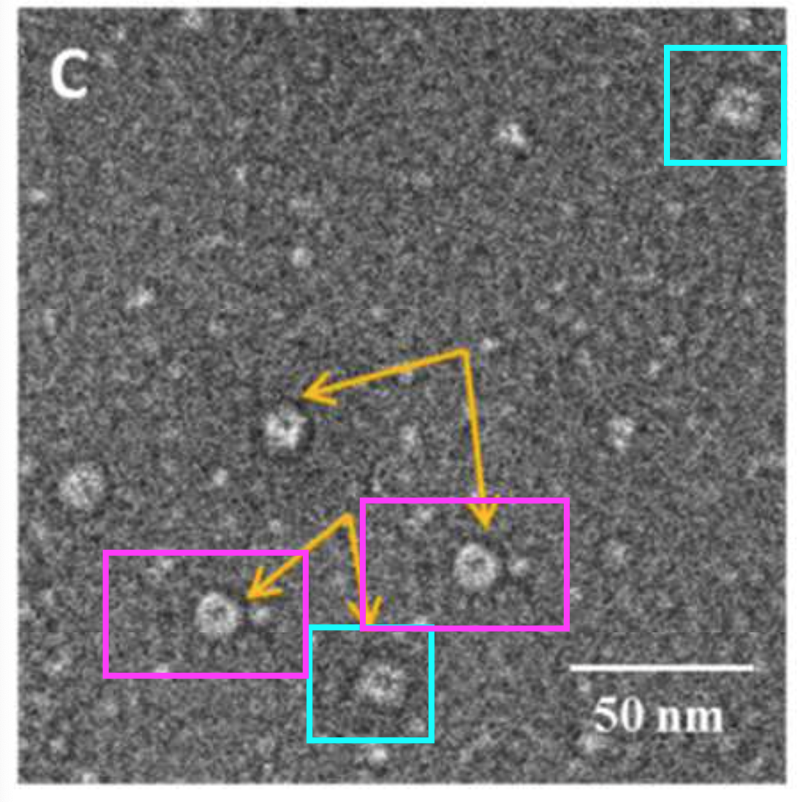
The yellow arrows were part of the original figure.“
Bik on Fig 2 (left):
- “Green boxes: In Figure 2B, the APODOX and APODOX-Nano panels look remarkably similar
- Orange boxes: In Figure 2C, the APODOX and APODOX-Nano panels look remarkably similar
- Red and dark red boxes: In In Figure 2F, parts of the APODOX and APODOX-Hau lanes look remarkably similar“
The good news is that this ACS journal is where science fraud is cherished and protected. Expect a correction at best, where fake figures will be replaced and conclusions will be declared unaffected.
Kizek, Vojtech, Heger, Kopel, it’s a male dynasty of factory-made trash science, populating and dominating Czech academia with its “creative” offspring, devouring among themselves the scare jobs and research funds, while honest Czech scientists get politely told to seek “alternative careers”. Meet another high-flyer:
Vedran Milosavljevic, Yazan Haddad , Miguel Angel Merlos Rodrigo , Amitava Moulick, Hana Polanska , David Hynek , Zbynek Heger, Pavel Kopel , Vojtech Adam The Zinc-Schiff Base-Novicidin Complex as a Potential Prostate Cancer Therapy PLoS ONE (2016) doi: 10.1371/journal.pone.0163983
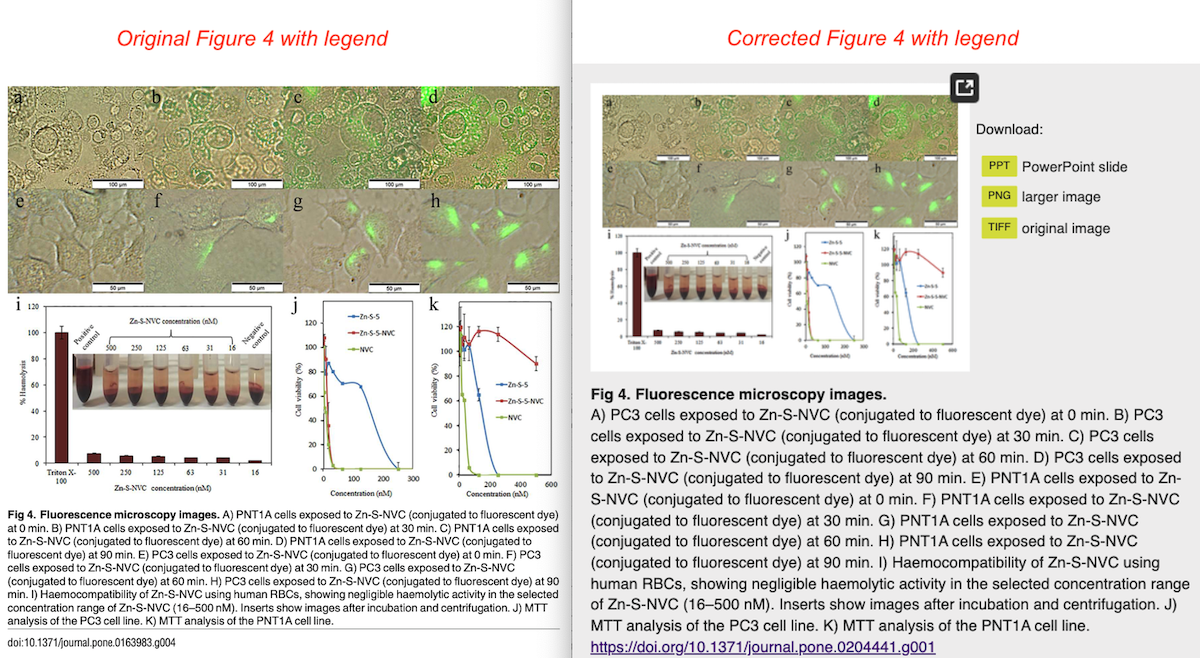
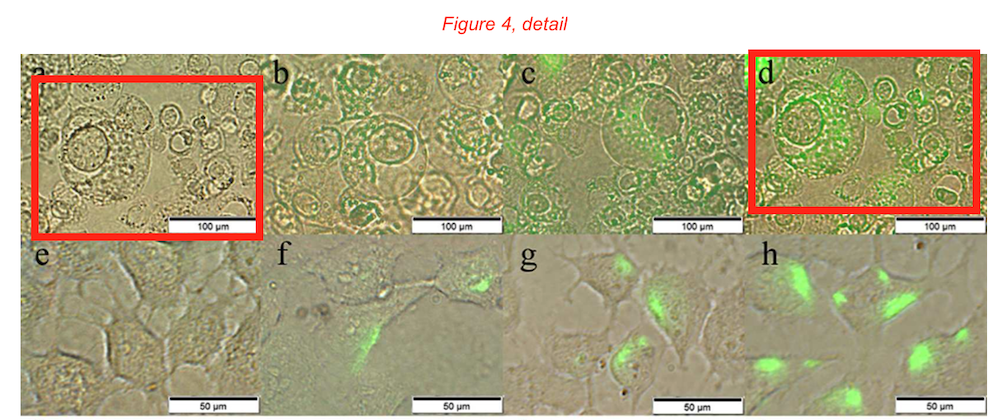
The Mendel University assistant professor and CEITEC researcher Vedran Milosavljevic explained on Pubpeer:
“we found that we uploaded the wrong image. Indeed the figure a and d are the same, only figure d represents the merge between ambient light and fluorescence.“
He then uploaded a replacement picture and offered to send it to Bik by email. What Milosavljevic did not offer though, was to issue another Correction at PLOS One. And he also decided not to comment on this paper of his, again with his mentor Adam:
Jindrich Kynicky , Vedran Milosavljevic , Pavlina Jelinkova, Yazan Haddad, Miguel Angel Merlos Rodrigo, Hana Buchtelova , Zuzana Bytesnikova, Martin Brtnicky , Lukas Richtera , Pavel Kopel , Vojtech Adam Europium and terbium Schiff base peptide complexes as potential antimicrobial agents against Salmonella typhimurium and Pseudomonas aeruginosa Chemical Papers (2018) doi: 10.1007/s11696-018-0400-3
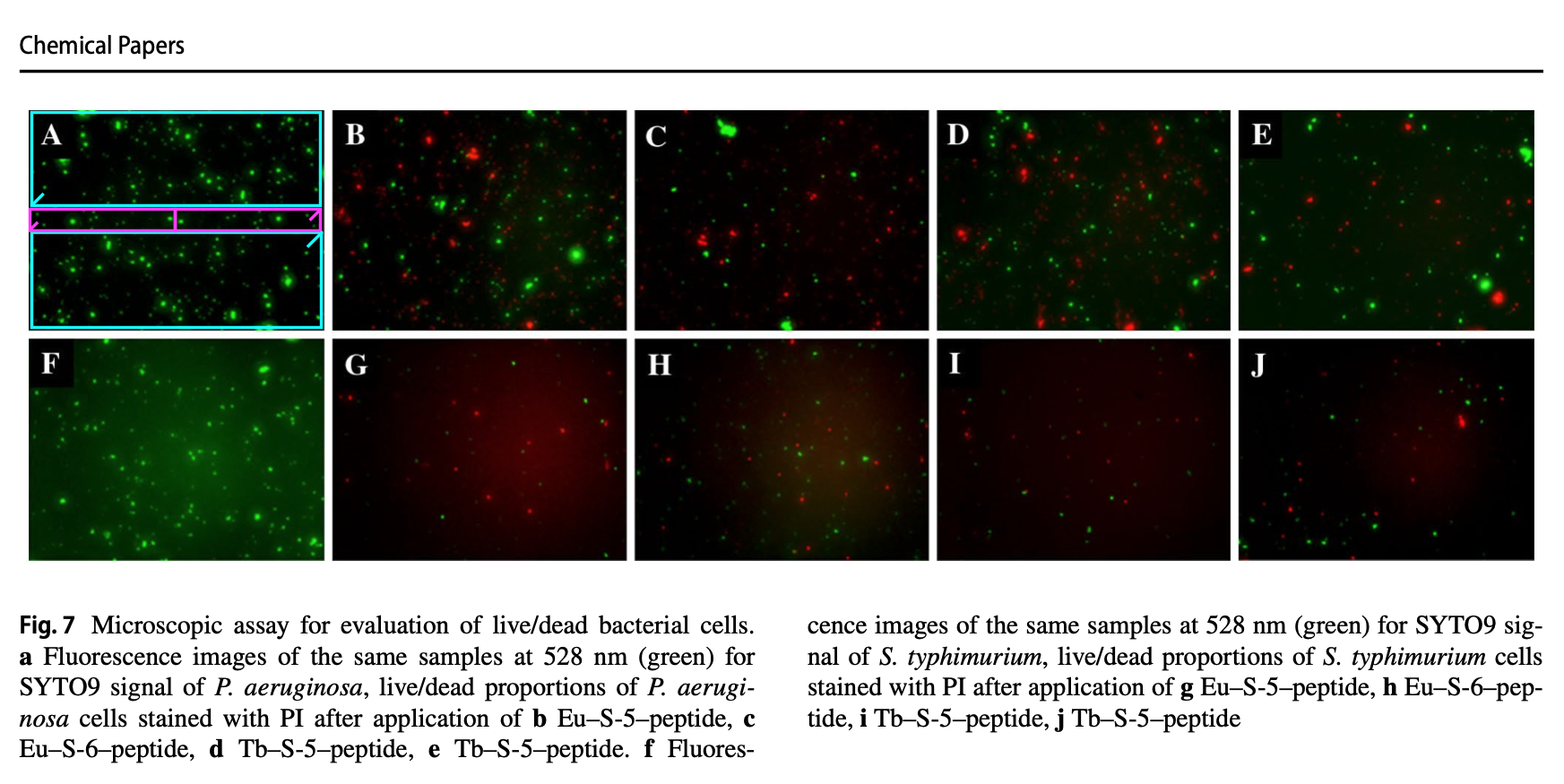
Silence instead. Not even a replacement picture you could offer to email, Dr Milosavljevic? Hello? Maybe here, Vedran? Ask your teacher, maybe Prof Adam has a spare picture somewhere.
Vedran Milosavljevic , Pavlina Jelinkova , Ana Maria Jimenez Jimenez , Amitava Moulick , Yazan Haddad , Hana Buchtelova , Sona Krizkova , Zbynek Heger, Lukas Kalina , Lukas Richtera , Pavel Kopel , Vojtech Adam Alternative Synthesis Route of Biocompatible Polyvinylpyrrolidone Nanoparticles and Their Effect on Pathogenic Microorganisms Molecular Pharmaceutics (2017) doi: 10.1021/acs.molpharmaceut.6b00807
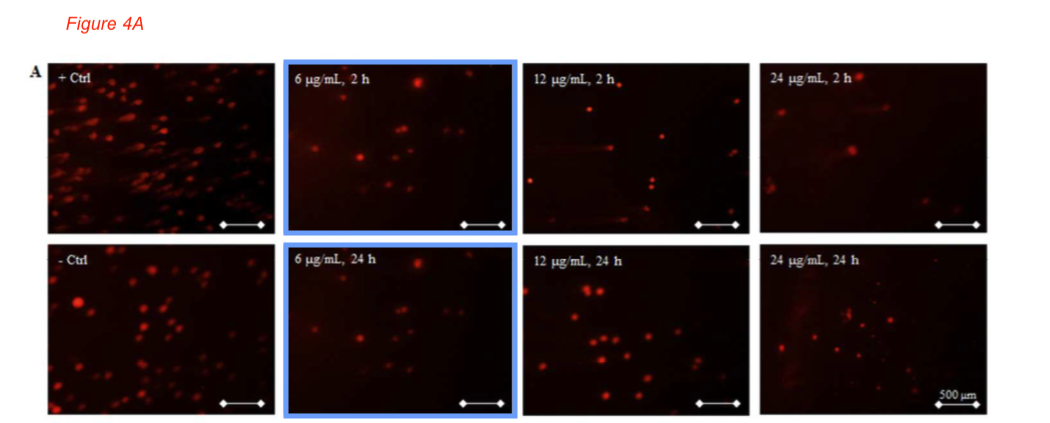
I’m sorry, Professor Adam and especially Professor Milosavljevic, who is already last author on this groundbreaking biomaterials research, but might you two wise scholars have a replacement picture for us there?
Milica Gagic , Silvia Kociova , Kristyna Smerkova , Hana Michalkova , Milena Setka , Pavel Svec , Jan Pribyl , Jiri Masilko , Radka Balkova , Zbynek Heger, Lukas Richtera, Vojtech Adam, Vedran Milosavljevic One-pot synthesis of natural amine-modified biocompatible carbon quantum dots with antibacterial activity Journal of Colloid and Interface Science (2020) doi: 10.1016/j.jcis.2020.06.125
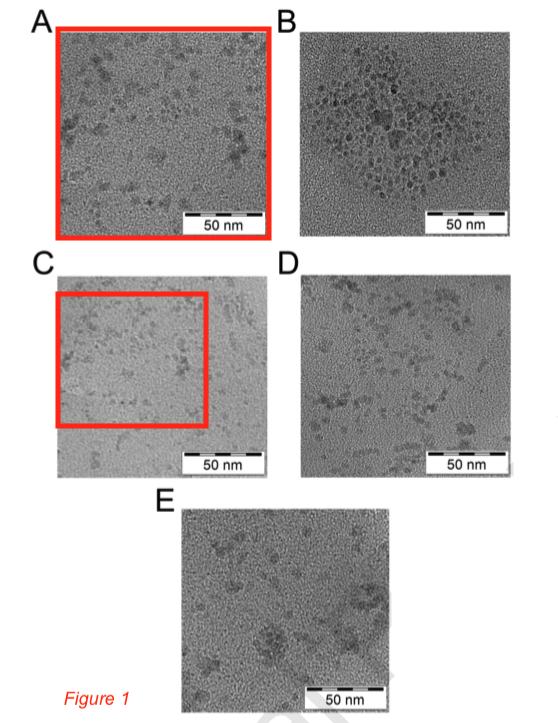
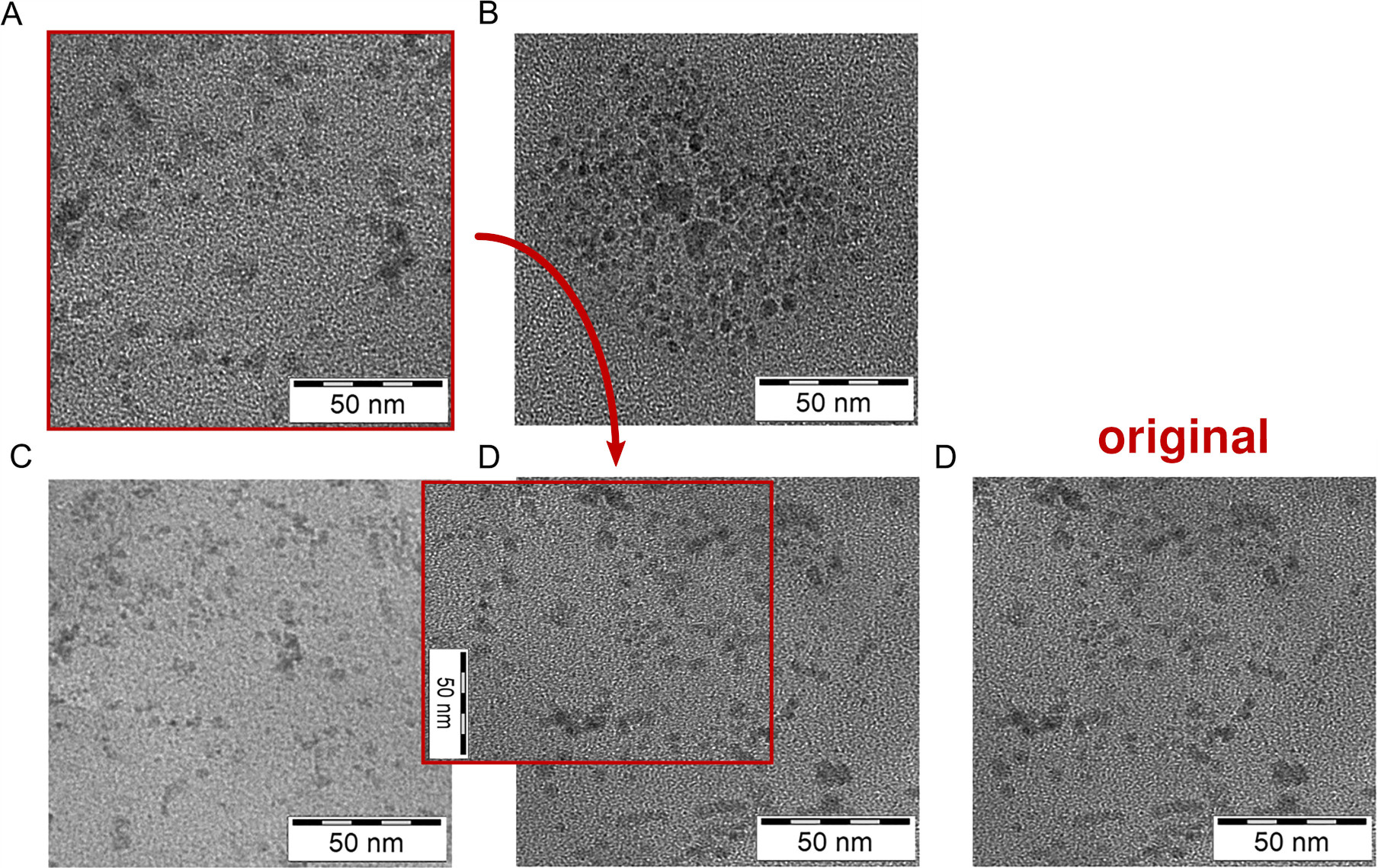
Silence from the authors. Ok, let’s look at yet another fake gel then, courtesy of Kizek and Adam.
Dagmar Chudobova, Simona Dostalova, Iva Blazkova, Petr Michalek, Branislav Ruttkay-Nedecky, Matej Sklenar, Lukas Nejdl, Jiri Kudr, Jaromir Gumulec, Katerina Tmejova, Marie Konecna, Marketa Vaculovicova, David Hynek, Michal Masarik, Jindrich Kynicky, Rene Kizek, Vojtech Adam Effect of ampicillin, streptomycin, penicillin and tetracycline on metal resistant and non-resistant Staphylococcus aureus International Journal of Environmental Research and Public Health (2014) doi: 10.3390/ijerph110303233
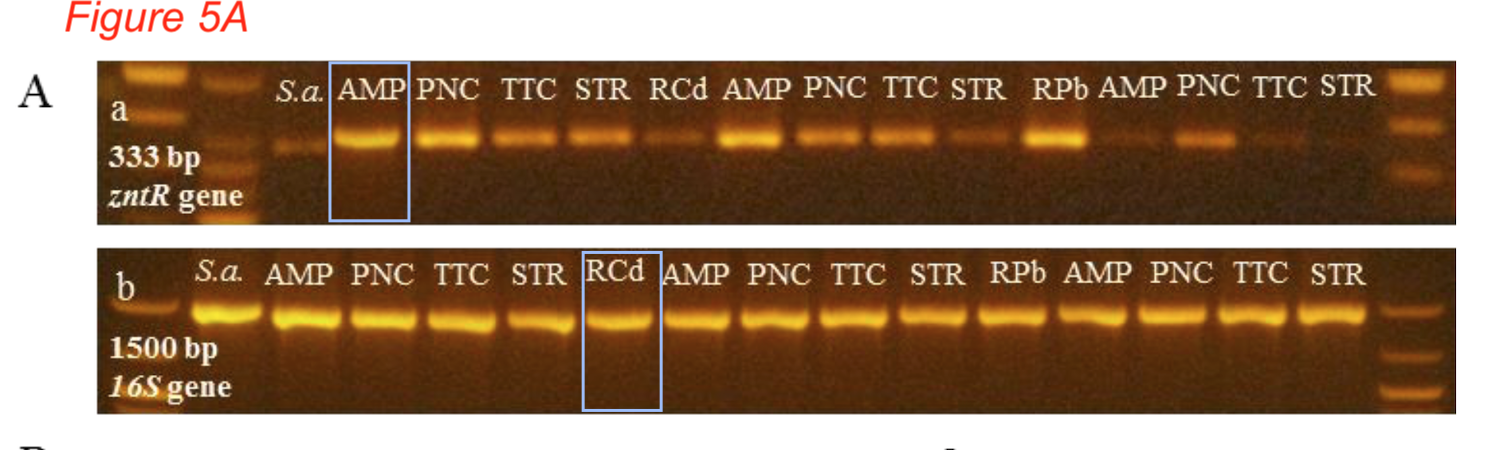
More Mendelian Paradoxes:
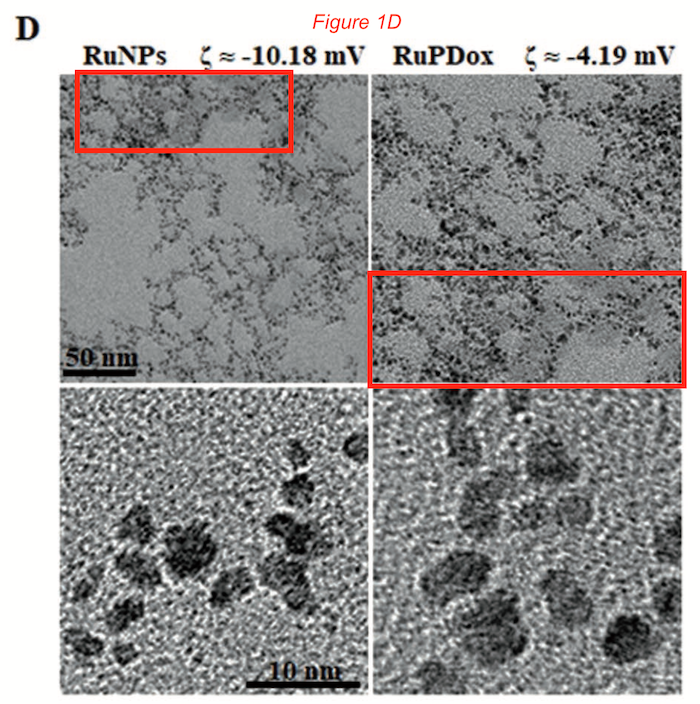
Hana Buchtelova , Vladislav Strmiska , Simona Dostalova, Petr Michalek, Sona Krizkova , Pavel Kopel, David Hynek, Lukas Richtera, Vojtech Adam, Zbynek Heger pH-Responsive Hybrid Organic-Inorganic Ruthenium Nanoparticles for Controlled Release of Doxorubicin Particle & Particle Systems Characterization (2017) doi: 10.1002/ppsc.201700289
Bik on Fig 5E: “Boxes of the same color highlight photos of vials that look quite similar. Of course, different vials might look alike, but could the authors perhaps provide higher resolution images to take away any possible concern?“
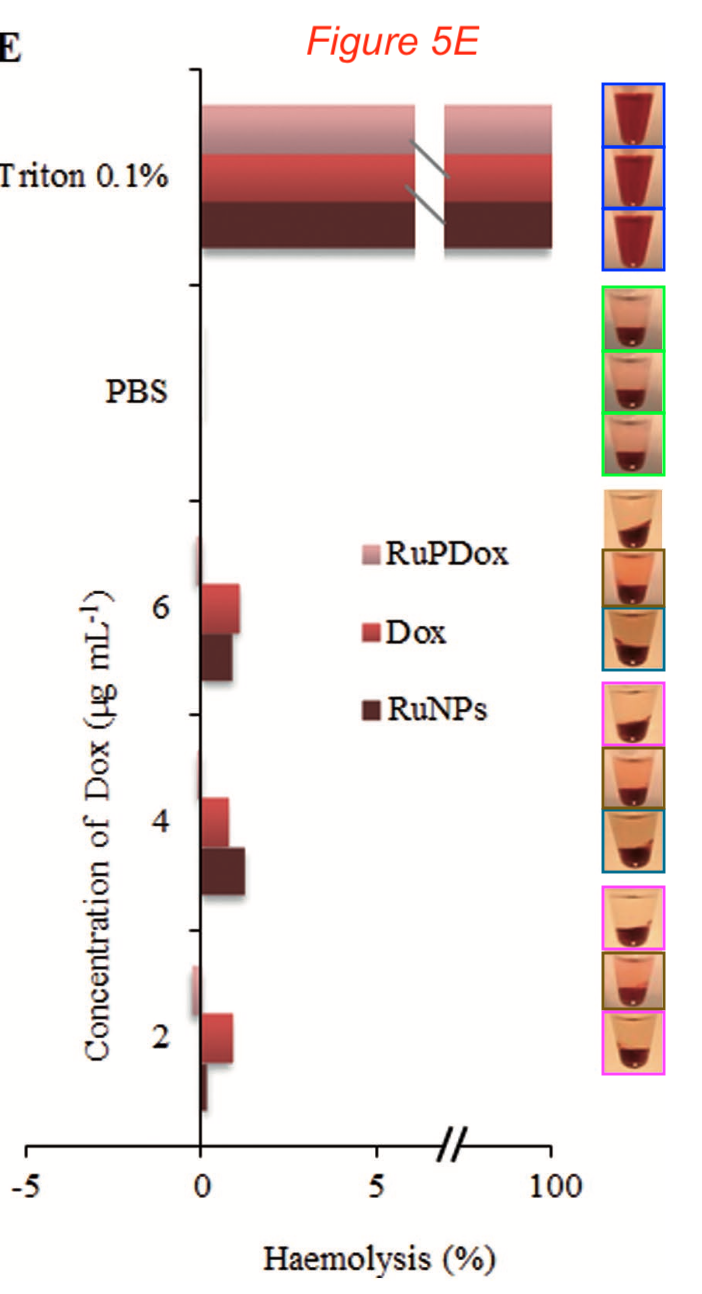
Surely all this unfortunate image reuse doesn’t really matter when the real goal is to find a cure for cancer? And if you don’t like these papers, well, Professor Adam has literally many hundreds others.
Hana Michalkova , Zuzana Skubalova , Hanna Sopha , Vladislav Strmiska , Barbora Tesarova , Simona Dostalova, Pavel Svec , Ludek Hromadko , Martin Motola , Jan M. Macak , Vojtech Adam, Zbynek Heger Complex cytotoxicity mechanism of bundles formed from self-organised 1-D anodic TiO2 nanotubes layers Journal of Hazardous Materials (2020) doi: 10.1016/j.jhazmat.2020.122054
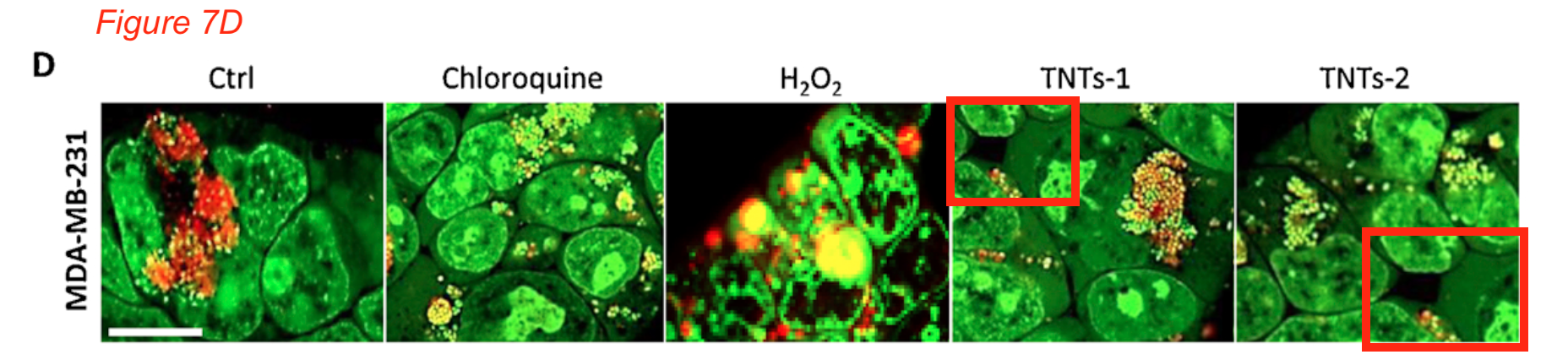
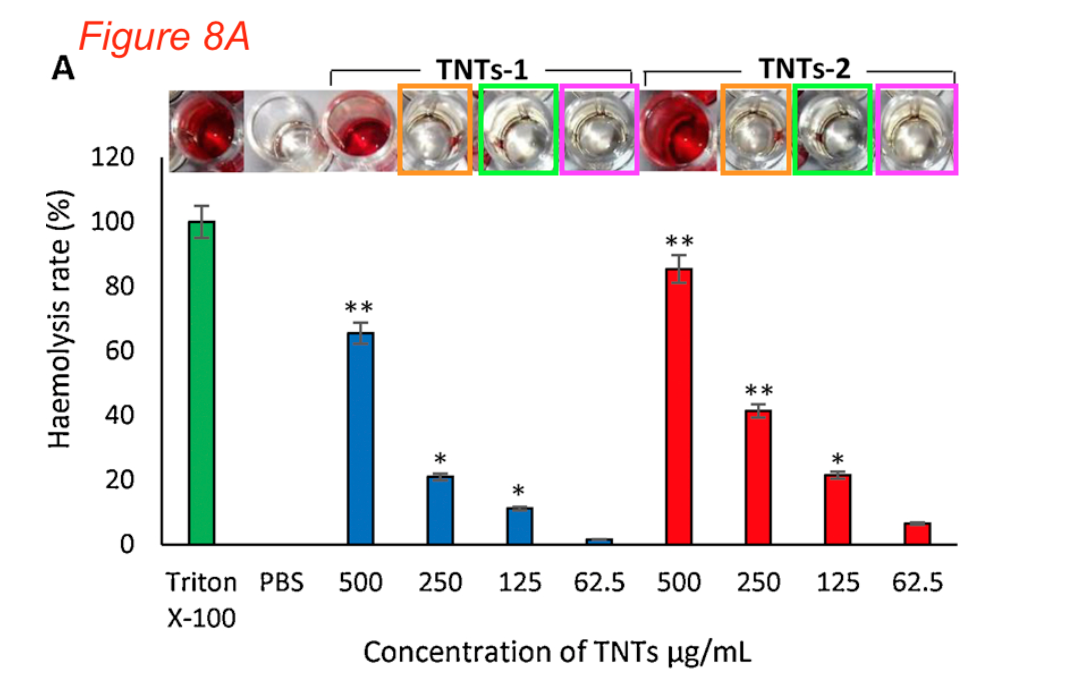
There are of course more papers of Adam’s on PubPeer. This is the oldest thread, commented upon two years ago in 2019 not by Bik, but by Thallarcha Lechrioleuca, who told me to have found that fraud by doing their Fake Spectra Googling exercise.
Vinh Dinh Nguyen, Jindrich Kynicky, Pavlina Ambrozova , Vojtech Adam Microwave-Assisted Synthesis of Goethite Nanoparticles Used for Removal of Cr(VI) from Aqueous Solution Materials (2017) doi: 10.3390/ma10070783

“
I guess they had to remove some undesired peaks…. Luckily it’s an MDPI journal, and the other papers are mostly safe with Elsevier and ACS. No retractions to be expected there!

Adam seemed truly surprised and overwhelmed about what happened on PubPeer. He even asked me:
“Please, can you tell me more about the web page and mechanism behind? Is there any “scheme” of scanning published papers?“
It’s like those papers were not supposed to be actually studied. Just numbers, score points, impact factors, hundreds of meaningless studies, to add to your h-index and your next grant/job application.
And it worked great. ERC grant, two professorships, several labs. Starting February 2022, the vice-rector for Research Adam will take over the position of the Mendel University’s rector, having just won the elections. His acting predecessor, Danuše Nerudová, wrote to me:
“Based on your information, I have asked prof. Adam to clarify and explain all the individual cases, giving him three weeks for this. As soon as I will receive his answer, I am going to shift the material to ethical comitee of Mendel University. I will also speak with director of CEITEC to initiate the same procedure on the University of Technology.”
Heads might roll, at least of those not yet tenured. Or maybe not even that. Nerudova also added:
“I have mandate till the end of January. We are creating special ethic comitee only for this case as a consortium of two universities and one research institution. With the specialists on chemistry. You can be sure I will deeply investigate this matter. “
The Mendel University, the Brno University of Technology and CEITEC all issued press releases on 22 October 2021. The CEITEC press release declared:
“….we observe with concern that certain inconsistencies have been highlighted in some publications of Vojtech Adam (Research Group Leader at CEITEC BUT) and there are questions over their scientific integrity. Vojtech Adam was asked to explain the identified ambiguities in the published data within the standard internal procedures of the Brno University of Technology and Mendel University in Brno, to which his research group is affiliated. The director of the CEITEC consortium, Pavel Tomancak, will work with these partner institutions and will use his international experience and contacts to objectively assess the gravity of the presented facts.”
They don’t have much time. The main investigation will remain with the Mendel University, because this is where the criticised research was done – Adam’s other two affiliations happened only afterwards, in 2020. Once Adam is installed as the Mendel University rector, and the university’s power structures are remodelled according to new loyalties, we might have to prepare ourselves for something similar to the Giorgio Zauli and University of Ferrara affair.
Update 27.10.2021
Oh dear, who made those gels in Figure 5…
Michal Masarik, Jaromir Gumulec , Marketa Sztalmachova , Marian Hlavna , Petr Babula , Sona Krizkova , Marketa Ryvolova , Michal Jurajda , Jiri Sochor , Vojtech Adam , Rene Kizek Isolation of metallothionein from cells derived from aggressive form of high-grade prostate carcinoma using paramagnetic antibody-modified microbeads off-line coupled with electrochemical and electrophoretic analysis Electrophoresis (2011) doi: 10.1002/elps.201100301
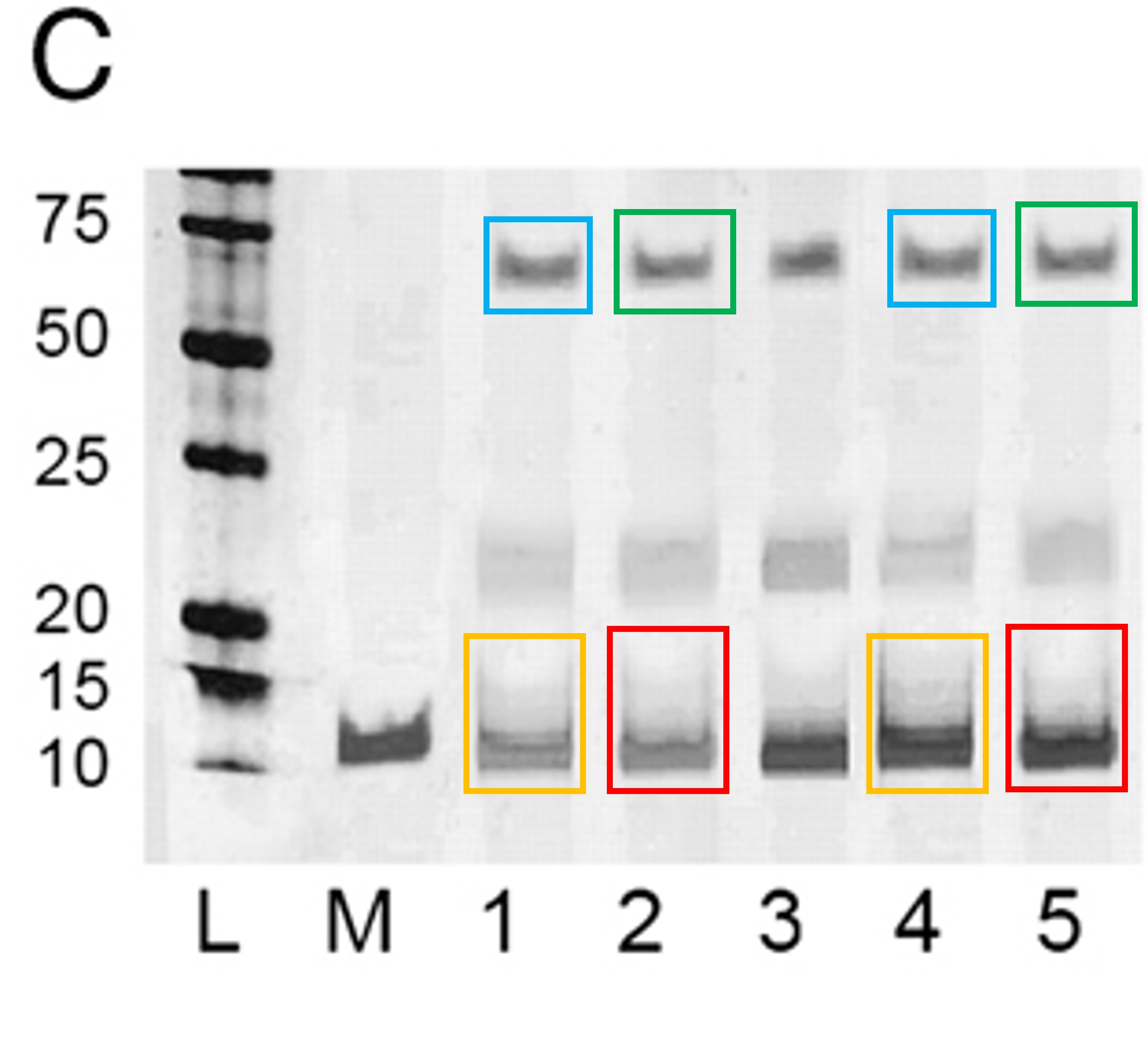
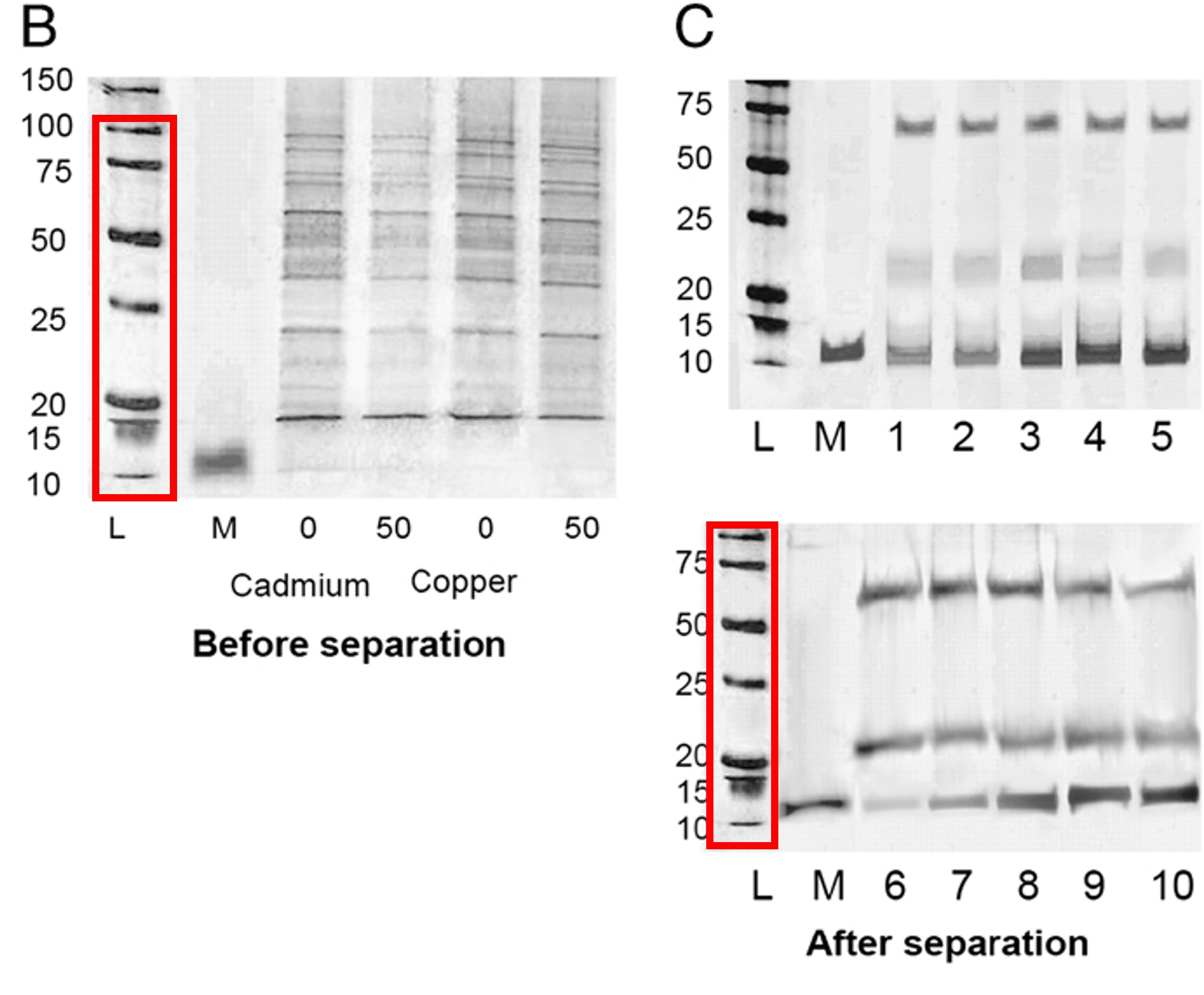
Update 25.01.2022
Mendel University Brno in Czechia found its own newly appointed rector Vojtech Adam guilty of research misconduct, a report has been published online. Out of 12 investigated papers, 6 were recommended for retraction and 3 were declared as considered for retraction.
“The Committee met for the first time on November 15, 2021 and decided that the investigation will focus on the 12 publications flagged on PubPeer where Vojtěch Adam is the corresponding author (see References). […] On December 6, 2021 the requested materials were delivered to the Committee. In addition, Prof. Adam and his team submitted errata for 8 out of the 12 papers, three of which were already published by the respective journals (Kynicky et al., 2018; Merlos Rodrigo et al., 2019; Milosavljevic et al., 2016). The Committee has received the information that two papers will be retracted, however the status of the decision at the journals is currently unknown.”
There is no direct reference to my article and my misconduct notification to the university’s current rector and member of investigative committee, Danuše Nerudová.
“The Committee came to the consensus that this argument together with the errata is not sufficient to convincingly correct the scientific record. Scientific work relies crucially on extreme rigour and requires maximum integrity in the presented data. Whenever discrepancies are so obvious that they can be discovered simply by visual inspection, a doubt is cast on the entire piece of work. It is irrelevant whether the manipulations are intentional or result from negligence. The only meaningful defence in such a case is to identify the source of the discrepancy by inspecting the raw data and thus dispel any notion of misconduct.
Apparently, Prof. Adam did not grasp the Committee’s definition of raw data. The microscopy images he provided were in most cases low-resolution jpeg files that were used to assemble the composite figures. The Committee expected to receive the raw data files from microscopy software. Without exception, single images were presented as if no other data supporting the conclusions of the work exist. If mistakes were made, one would expect that wrong images were picked from a large pool of data – perhaps due to ambiguous naming of the files. Since almost none of the datasets were accompanied by laboratory notebook records, no such scenarios could be envisaged. This approach to raw data management is not in line with a good scientific practice.
For images of molecular biology gels, the Committee was expecting to receive raw scans of complete experiments with individual lanes labelled and, when appropriate, sufficiently replicated. Instead, Prof. Adam’s laboratory apparently assembled gels in PowerPoint as collages of objects cropped from the raw data. This, however, is not an acceptable scientific practice. Moreover, occasionally the band objects were arbitrarily placed regardless of molecular weight, duplicated and mirrored (Merlos Rodrigo et al., 2018 in Oncotarget; Merlos Rodrigo et al., 2018 in Prostate). This is a clear case of scientific misconduct.”
The report contains this illustration:
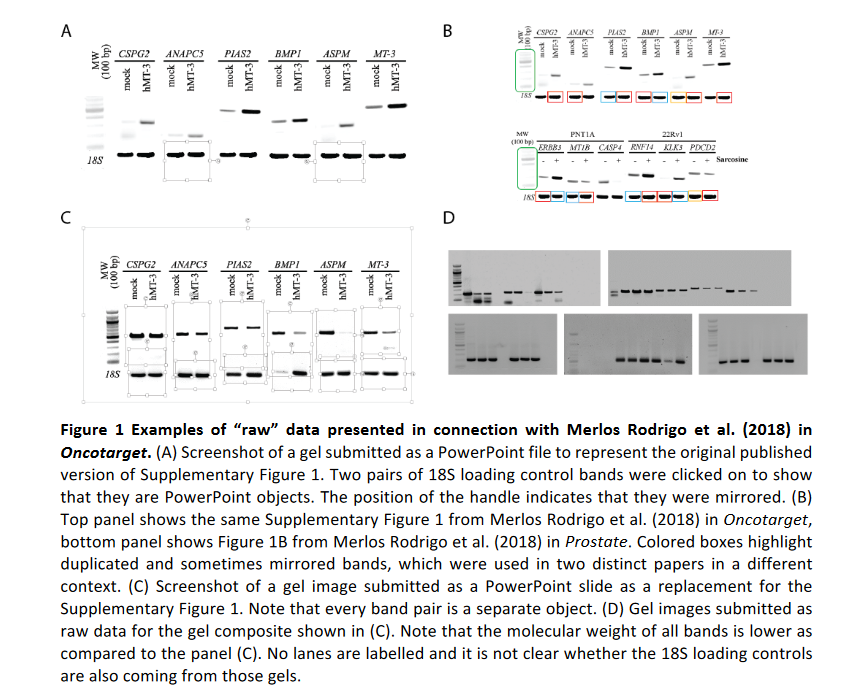
It continues:
“Preparing Figures for scientific publications is a meticulous effort that demands attention to every detail. For many of the figures that the Committee studied, this level of care was not apparent. Some of the duplications were glaringly obvious and should have been detected by the authors. This oversight might be attributed to the unprecedented volume of publications that the group of Prof. Adam produced over the years. Adaptive behaviour towards high volume publishing is detrimental to the quality of science.
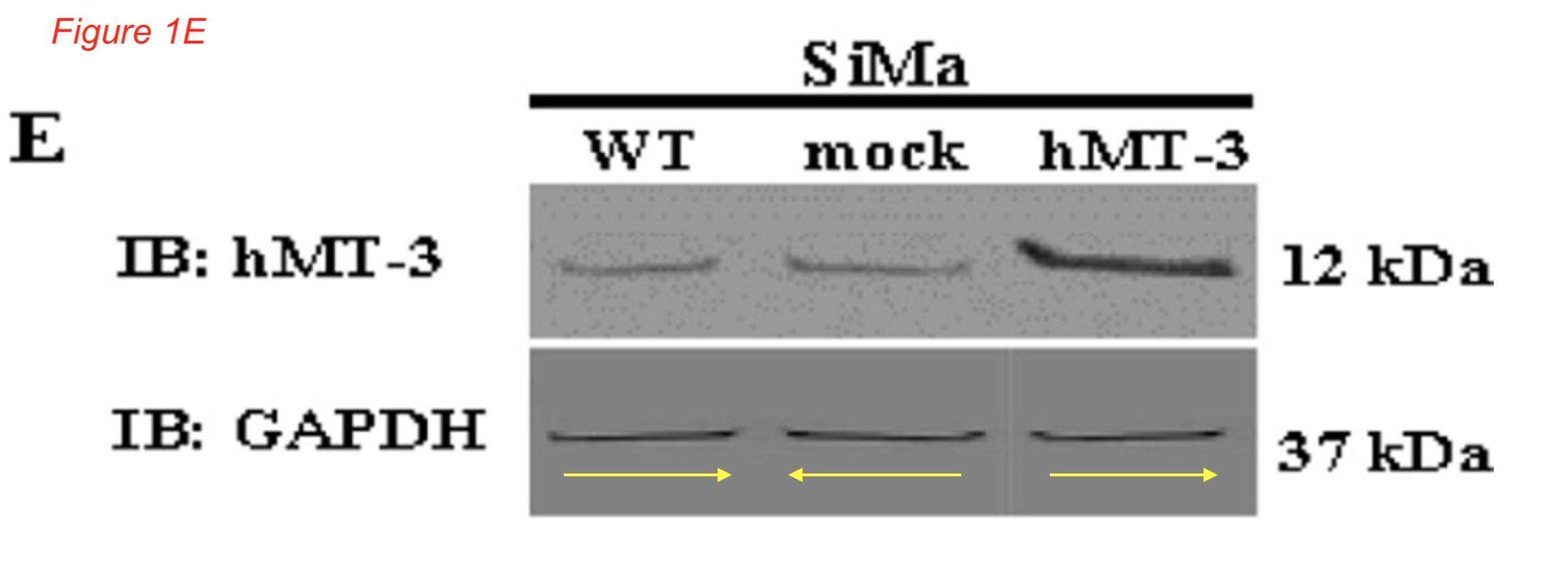
It was particularly concerning that in at least two cases, discrepancies appeared also in the data provided to the Committee as corrections. Moreover, the explanation of the discrepancies presented to the Committee differed from the explanations given to the media (Figure 1E in Merlos Rodrigo et al., (2018) commented on in DenikN newspaper1). The Committee leaves the interpretation of these observations to others.
Finally, the Committee was struck by the poor level of peer review and editorial handling of most of the papers in questions. Given the superficial nature of the editorial processes, the Committee recommends to disregard the errata that these publishers so easily accepted.
Scientists should strive to publish their work in journals with higher standards.
Conclusion Taken together, the Committee concludes that the published work carried out in the laboratory of Prof. Adam and evaluated by the Committee did not adhere to the principles of good scientific practice. The issues ranged from gross negligence in quality control to clear signs of data manipulation. The Committee recommends retracting at least 6 papers to correct the scientific record.”
Actually, 3 more retractions were advised, making it 9 recommended retractions in total. Also the report says nothing in this regard, Adam is unlikely to take his rectorship position now.
Update 26.01.2022
Email from Pavel Tomančák, head of CEITEC Consortium, MPI-CBG group leader and one of Adam’s investigators:
“As of 1st of February 2022, Professor Adam resigned on his position of Research Group Leader at CEITEC BUT. Management of the CEITEC BUT has decided that the style of Vojtech Adam´s research group scientific practise will be examined by a control audit. Additionally, I am planning to take steps to increase awareness regarding good scientific practice among CEITEC consortium researchers at all career levels. “
ERC spokesperson told me:
“The Integrity Standing Committee of the ERC’s executive agency is examining Prof Vojtech Adam’s case.“
In my view, since Adam’s ERC-funded research was located at CEITEC/VUT, his running grant is not tenable anymore, for formal reasons alone.
And for Adam’s mentor and corresponding author of many fraudulent papers, the Masaryk University professor Rene Kizek, it’s literally game over. Here is what Michaela Pokorná, Rector’s spokesperson, wrote to me:
“Shortly after the incorporation of the Faculty of Pharmacy into the structure of Masaryk University in July 2020 (previously, the Faculty was part of the University of Veterinary and Pharmaceutical Sciences Brno), the current management of MU instructed the management of the Faculty of Pharmacy, where Prof. Kizek worked at the time, to immediately implement the academic ethical standards of Masaryk University. The new management of the Faculty of Pharmacy MU then terminated its cooperation with Prof. Kizek as of 31 December 2021. Therefore, Prof. Kizek is no longer employed by Masaryk University.“
I am now an even bigger fan of Czechia than I was before.
Update 3.02.2022
Adam resigned a srector, as Mendel University announced on 31 January 2022, there will be new elections soon. Here is Adam’s statement, quote:
“Errors occurred and under these I was signed as a correspondent author. My goal was from the beginning to search for and to correct mistakes, even if it was a simple and in fact a legitimate way to point at the members of my team who were in charge of the given work segments. Still, I didn’t do it and I will never do it. I believe in a team, which is why I accept my share of responsibility for mistakes.”
The current office holder Danuše Nerudova also issued a statement:
“I fully respect the independence of the Academic Senate, and therefore its decision not to deduce from the report of the Ethics Committee the next steps. However, I consider the conclusions of the commission to be serious and incompatible with the function of the rector. That’s why after the meeting of the academic senate on January 26, I asked prof. Adam to consider resignation.”
Contact Form


Make a one-time donation
Make a monthly donation
Choose an amount
Or enter a custom amount
Your contribution is appreciated.
Your contribution is appreciated.
DonateDonate monthly
 For Better Science
Adam resigned as a rector today. Probably keeps his other positions, it is not mentioned in the article.
https://mendelu.cz/35124n-prof.-adam-rezignoval-na-pozici-rektora-mendelu
LikeLiked by 1 person
It surprised me he resigned considering he was downplaying the issue and got support from some people from MendelU (and even Academic Senate chairperson saw no such big deal in the findings). Considering the people from MendelU who supported him were heard more than people who wanted him to resign (mostly he was critized from outside of MendelU) I am worried the Academic Senate might elect someone not willing to investigate with Adam perhaps keeping some important research position on MendelU (and even if not, I am worried he might get a prominent post sooner or later elsewhere).
LikeLike
It seems like he keeps the position of a department’s head. No changes, no investigation in there, currently. Only excellent science, surely.
LikeLike
It’s over, over my shoulder: Rector-elect Adam gave up, and resigned from the post – before even taking over it:
Click to access vyjadreni-vojtech-adam.pdf
Click to access vyjadreni-danuse-nerudova.pdf
LikeLiked by 1 person
CEITEC BUT terminated the research group of Vojtěch Adam as of the end of 2022 and claims it identified people responsible for manipulating data and terminated their contracts (but doesn’t give specific names). Interetingly, it also states “However, in line with the findings of the internal investigation of the ethical committee of the ERCEA agency regarding the scientific integrity of Prof. Adam himself, the ERC project will be allowed to continue to its natural end by the first quarter of 2023.” https://www.ceitec.cz/research-group-of-prof-vojtech-adam-terminated/t11068
LikeLike
I saw this, and don’t understand if Adam is also being sacked like the others, or not.
LikeLike