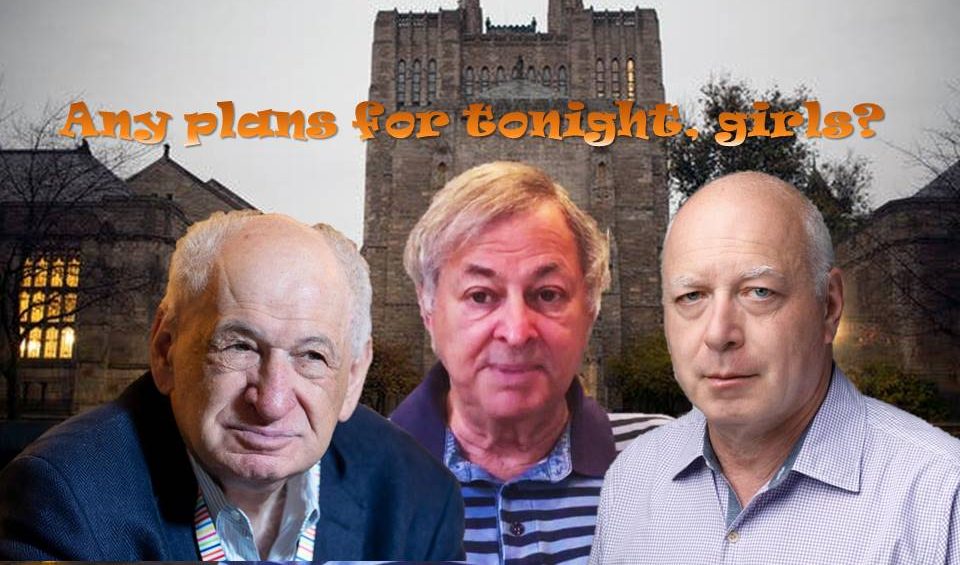
Dirty Old Men
Does being a science genius entitle you to sexual harassment, as academic authorities in Yale and elsewhere insist? Let’s look at papers by Michael Simons, Joseph Schlessinger and Arnold Levine.
By Leonid Schneider, on research integrity, biomedical ethics and academic publishing
Does being a science genius entitle you to sexual harassment, as academic authorities in Yale and elsewhere insist? Let’s look at papers by Michael Simons, Joseph Schlessinger and Arnold Levine.
“I have NEVER faked data. If you wish to carry on what appears to be a vendetta please supply me the name of your lawyer and I will have my lawyer contact him.” – Sal Pizzo, Duke University
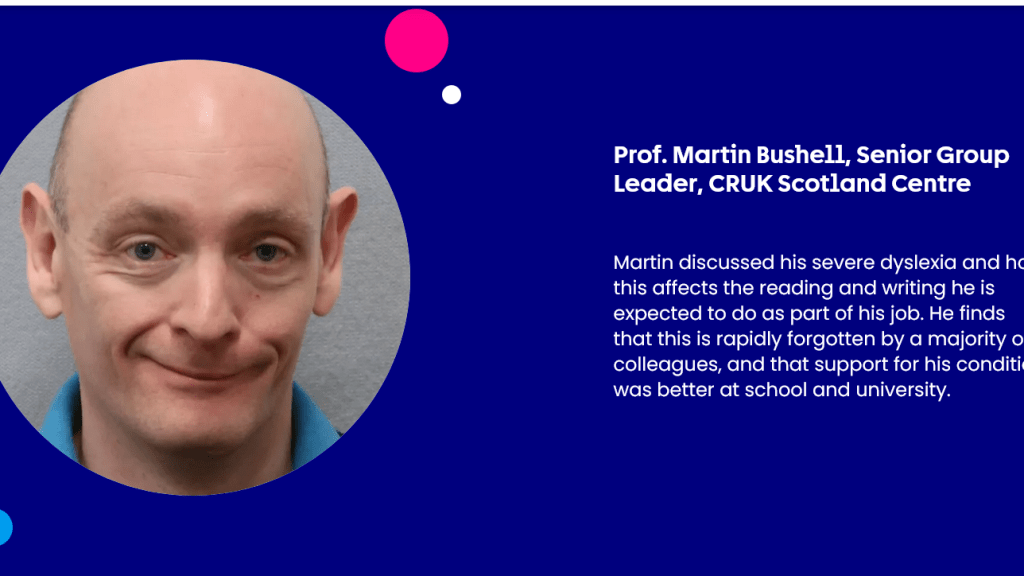
“No paper — I would wager quite heavily that a large percentage, probably over 90% of papers in the public domain, have errors in them. Whether or not they be known, I would suggest that would be the case.” – Prof Martin Bushell
“I have no idea what is happening here, but fortunately it is not my job to adjudicate questions of who stole what from whom.” – Smut Clyde
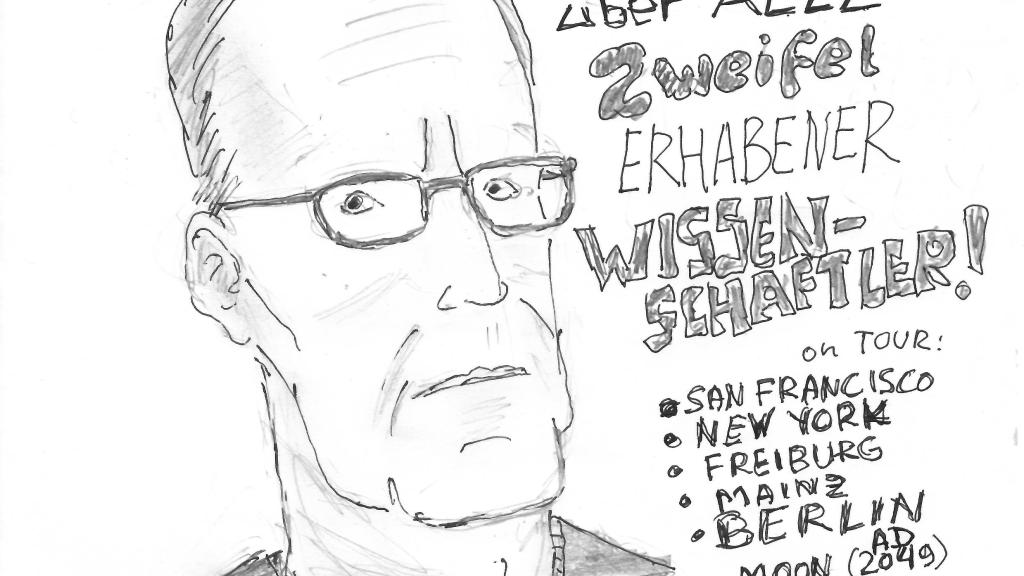
“The Investigative Committee notes that the infractions to normal scientific conduct surveyed in this report were blatant and repeated. Dr. [XY] should be dealt with in a manner consistent to the flagrant nature of the misconduct and data manipulation.” 2004 Berkeley report, illegal in Germany
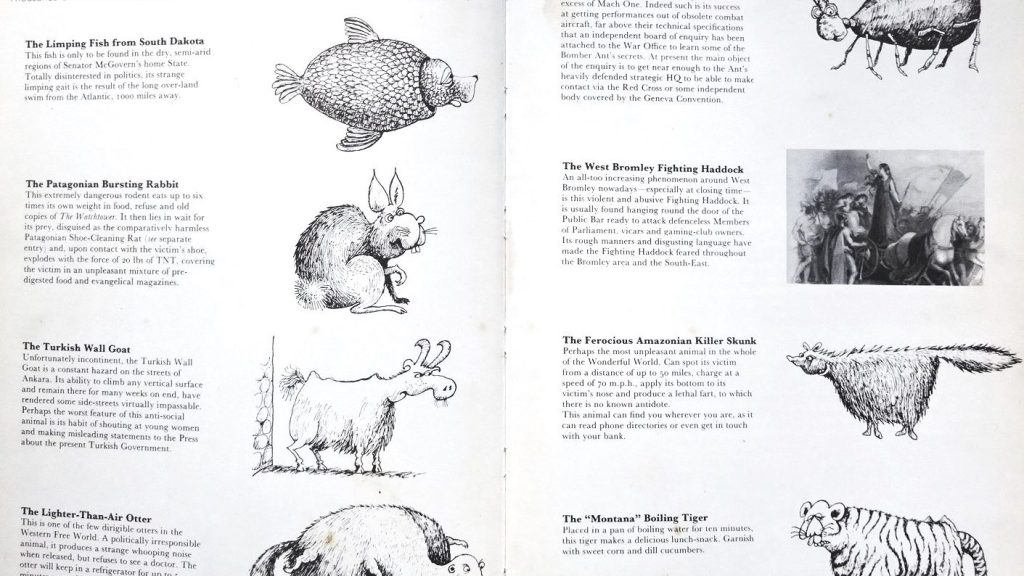
“These skeezy fraud-friendly journals do have their uses. Once a papermill finds them, the fakes are concentrated in one place, undiluted by genuine research results, allowing a clear picture to crystallise and delineate its papermill style.” – Smut Clyde

“You may think this is just a silly prank with zero impact on whatsoever, but no. […] this initiative is useful for something. It provides solid numbers for quantifying the extent of scientific misconduct in Italy and beyond” – Aneurus Inconstans

“It is cowardly to be anonymous.
[…] This is harassment, for whatever benefit you will gain from this.
Please cease and desist” – David Goltzman

“My former and current lab members can attest that I have lectured the importance of scientific rigor and image rigor in our meetings several times each year.” – Andrew Z Wang
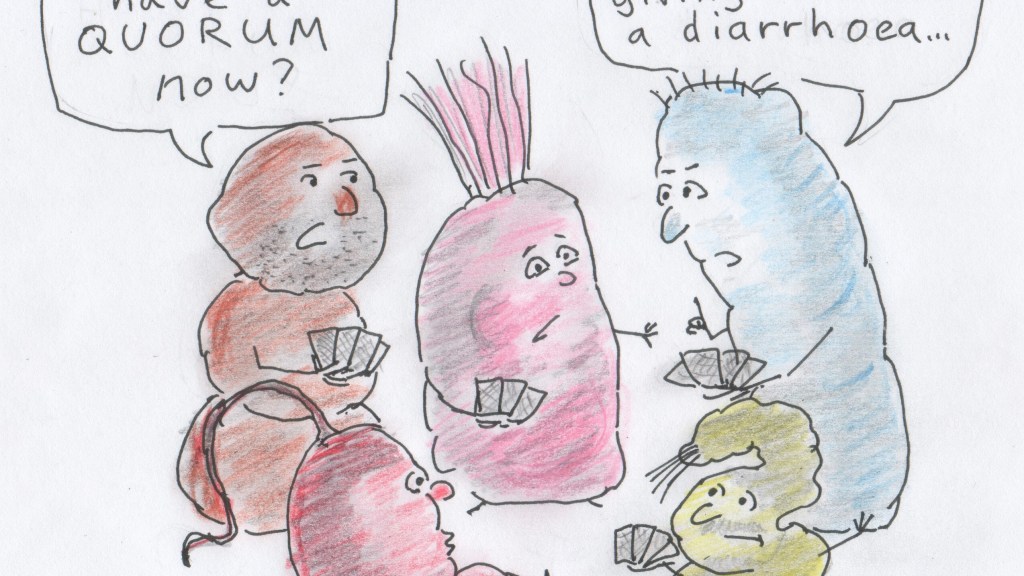
“WE DONT PAY FOR PAPERS. YOU MUST KNOW THAT THESE BEST IN THE PLANET JOURNALS GO THROUGH RIGOROUS PEER REVIEW” – Abhijit Dey, papermiller

 For Better Science