Bad Choices in Dresden IV
A guide on what qualities universities in Germany, Italy and elsewhere in Europe expect from their foreign PhD students and postdocs.
By Leonid Schneider, on research integrity, biomedical ethics and academic publishing
A guide on what qualities universities in Germany, Italy and elsewhere in Europe expect from their foreign PhD students and postdocs.
“We can always make mistakes in our publications but never acting intensionally. Regarding Prof. Eder works, I know him well and I don’t believe he has anything wrong” – Glaydson S. Dos Reis
Celebrating the ten greatest science geniuses of the King Saud University.
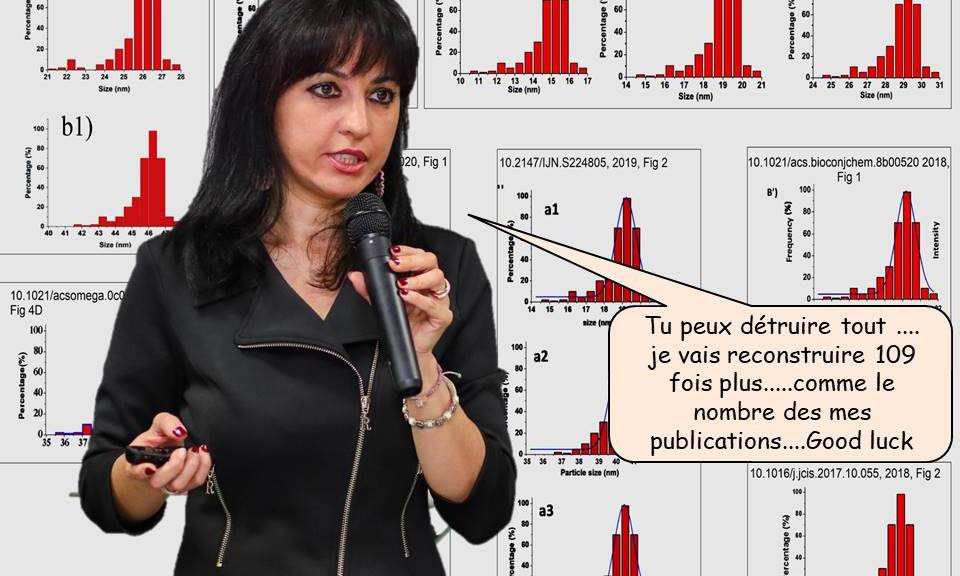
CNRS research director Jolanda Spadavecchia was sanctioned with two years suspension for “serious and repeated breaches of her duty of scientific integrity”, 19 retractions were requested.
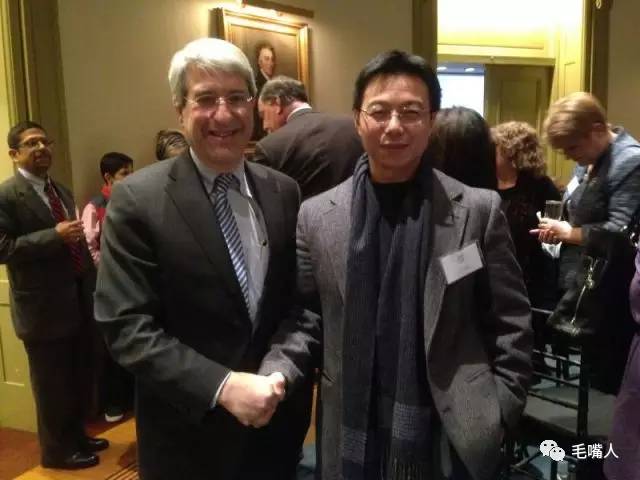
“An attractive new prospect: Install the Chinese paper mill directly at Yale University, where research oversight is presumably less stringent than at the PRC and NIH funds are more easily accessed to piss up the wall.” – Sholto David
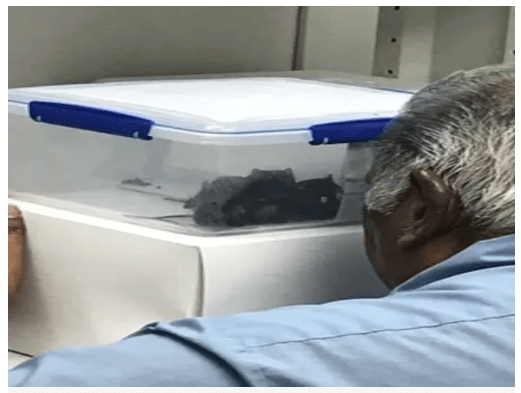
“Do Cohen’s colleagues and superiors know or care that he hosts wizards in his lab? Or perhaps this is simply common place, wizards roam throughout MD Anderson free range, blasting the cancer-mice with their mind powers.” – Sholto David
“One of the UK research system’s strengths is having established processes that allow for this review so that we maintain an accurate and robust research record. Promoting and improving this system, and encouraging more openness and transparency, is why I became involved in the UK Committee on Research Integrity.” – Andrew J T George
Celebrating the German cancer research maverick Margot Zöller of Heidelberg.
Sir Philip and Lady Tricia Cohen, and their heir Dario Alessi, plus other first and second generation offspring. A Scottish soap opera!
“To date, he has authored over 700 peer-reviewed articles, 150 book chapters, 25 edited books, and 10 editorial-type scientific articles in various areas of Science and Engineering. Dr. Bilal has a h-index of 94 with 34 000 citations (Google Scholar).”