

Schneider Shorts of 10 April 2026 – a cheater psychologist sacked in The Netherlands, Italian boys investigated themselves, with an Indian secret to a Polish career, Portuguese anti-aging, retractions in Brazil and Turkey, and with Texas Gibbons!
Table of Discontent
Science Elites
- Human or technical errors – Yannick Griep laments being sacked and investigated
- Texas Gibbons – more fraud from MD Anderson!
- Lego-like Chemistry – Fernanda Borges stumbles into anti-aging business
Scholarly Publishing
- Claims that remain valid – Gerry Melino and Mauro Piacentino investigate themselves, blame woman
- Unconventional thinking and pioneering solutions – an Indian secret to a Polish career
Retraction Watchdogging
- Validity of work should not be judged solely by representative images – Rui Prediger must rue his sins
- A numerical reporting error – Ben Mol brings down a fraudulent clincial trial
Science Elites
Human or technical errors
A psychology fraudster exposed in an article from 2 April 2026 in the student magazine Vox, authored by Stan van Pelt and Ken Lambeets, wasn’t named, but easy to guess:
“The former Radboud University researcher who manipulated data was an associate professor in the social sciences department. This was revealed by an investigation by Vox. In 2025, he was summarily dismissed for invoice fraud. In a recent publication, the psychologist expresses his outrage at his former department.”
The Vox article then quotes from a scholarly paper, specifically this utterly unhinged but peer-reviewed and well-referenced rant by an unstable manchild who was just sacked by his university:
Yannick Griep , Kevin S. Cruz Calling the Time of Death on Academia: An Obituary and An Autopsy Group & Organization Management (2026) doi: 10.1177/10596011261431423
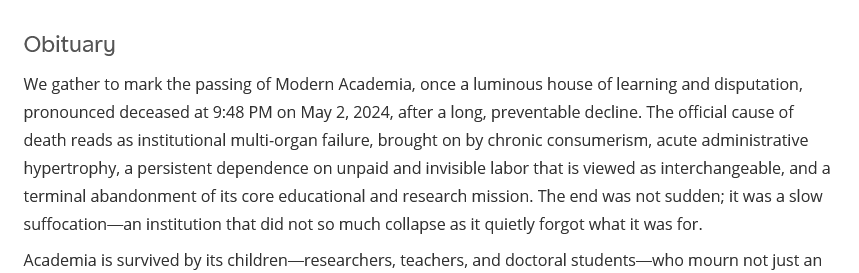

The scholar in question is clearly Yannick Griep, former associate professor at Radboud University, Nijmegen, now senior advisor at Samergo, an institution by the Dutch Ministery of Health, Wellbeing and Sports. Griep is also Editor-in-Chief of this Sage journal, while his coauthor Kevin Cruz is Senior Associate Editor. I guess we can close the file on how that dirge got accepted and passed peer review.
Vox now reveals that Griep was fired not just for invoice fraud, but also for data manipulation:
“On March 23 it became clear that something was seriously wrong with a Nijmegen scientific publication, when Radboud University announced that a complaint regarding data manipulation and/or fabrication by a former employee had been found to be valid. The Executive Board (CvB) also decided to have other research by this researcher scrutinized “due to the seriousness of the breach of scientific integrity.”
The provided description matches exactly to this paper by Griep in Elsevier:
Yannick Griep , Johannes M. Kraak , Wieke M. Knol , Johannes Dolislager , Elizabeth M. Beekman The ripple effect of abusive supervision: A longitudinal examination of psychological contract breach, turnover intentions, and resilience among third parties Journal of Business Research (2025) doi: 10.1016/j.jbusres.2024.115141
The raw data from this survey of 274 participants was deposited on OSF, but Griep now deleted it and all of his other previously published datasets there – so much for the presumed permanance of the doi. Before the removal, those same whistleblowers who caused his sacking for invoice fraud grabbed a copy and had a look at Griep’s research:
“When the complainants examined the response tables on OSF, they saw that many numbers appeared multiple times. As many as 233 of the 274 subjects had values that were identical to those of another participant, they discovered. […] Several columns from the dataset also appeared to have been copied and pasted elsewhere in the table, but then jumbled up. […]
The complainants strongly suspect that the research never actually took place, but that G. used data from a former student’s thesis (who is also a co-author of the article) and “duplicated” it. The average values in the publication closely resemble those in the thesis, which concerned an entirely different study and also involved a different number of subjects.”
During the investigation, Griep admitted the duplications, but explained those as “human or technical errors“. he even invited a friendly statistician to confirm this. The investigators took a different view, found the paper fraudulent, and started scrutinising other publications of the former professor. Giep argued the university was not allowed to investigate his research because of the previous settlement which was arranged to get rid of him.
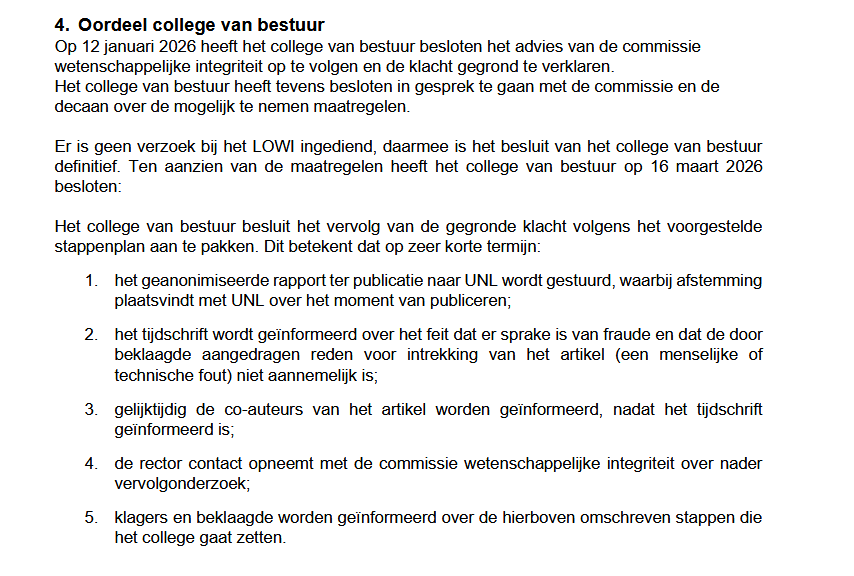
Vox writes that “The publication in the Journal of Business Research has not yet been retracted, although the university has forwarded the findings of the integrity investigation“, there isn’t even an Expression of Concern, presumably because Griep’s lawyers wrote to the journal. Fittingly: “The journal’s editors-in-chief, including professor Mirella Kleijnen (Vrije Universiteit), did not respond personally to emails or phone calls.” We are used to this attitude from Elsevier towards Dutch universities. Unless Griep himself asks for retraction, it won’t happen.
Fousteri affair: Dutch integrity thwarted by academic indecency
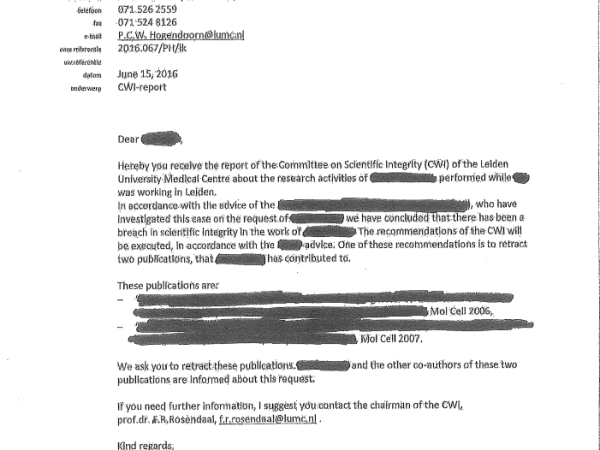
Two and a half years after Maria Fousteri was found guilty of scientific misconduct by her former employer, the Leiden University Medical Center (LUMC), exactly nothing at all happened. ERC and Molecular Cell ignored LUMC letters from June 2016, while Fouster’s British co-authors interfered to save own papers. Of 4 scheduled retractions, none took place.

Texas Gibbons
Meet an American cancer researcher with a funny name: Don L. Gibbons, professor of thoracic oncology at MD Anderson Cancer Center in Houston, Texas.
Here the most spectacular paper from the Gibbons Lab:
Joshua Kapere Ochieng , Samrat T Kundu , Rakhee Bajaj , B Leticia Rodriguez , Jared J Fradette , Don L Gibbons MBIP (MAP3K12 binding inhibitory protein) drives NSCLC metastasis by JNK-dependent activation of MMPs Oncogene (2020) doi: 10.1038/s41388-020-01463-0
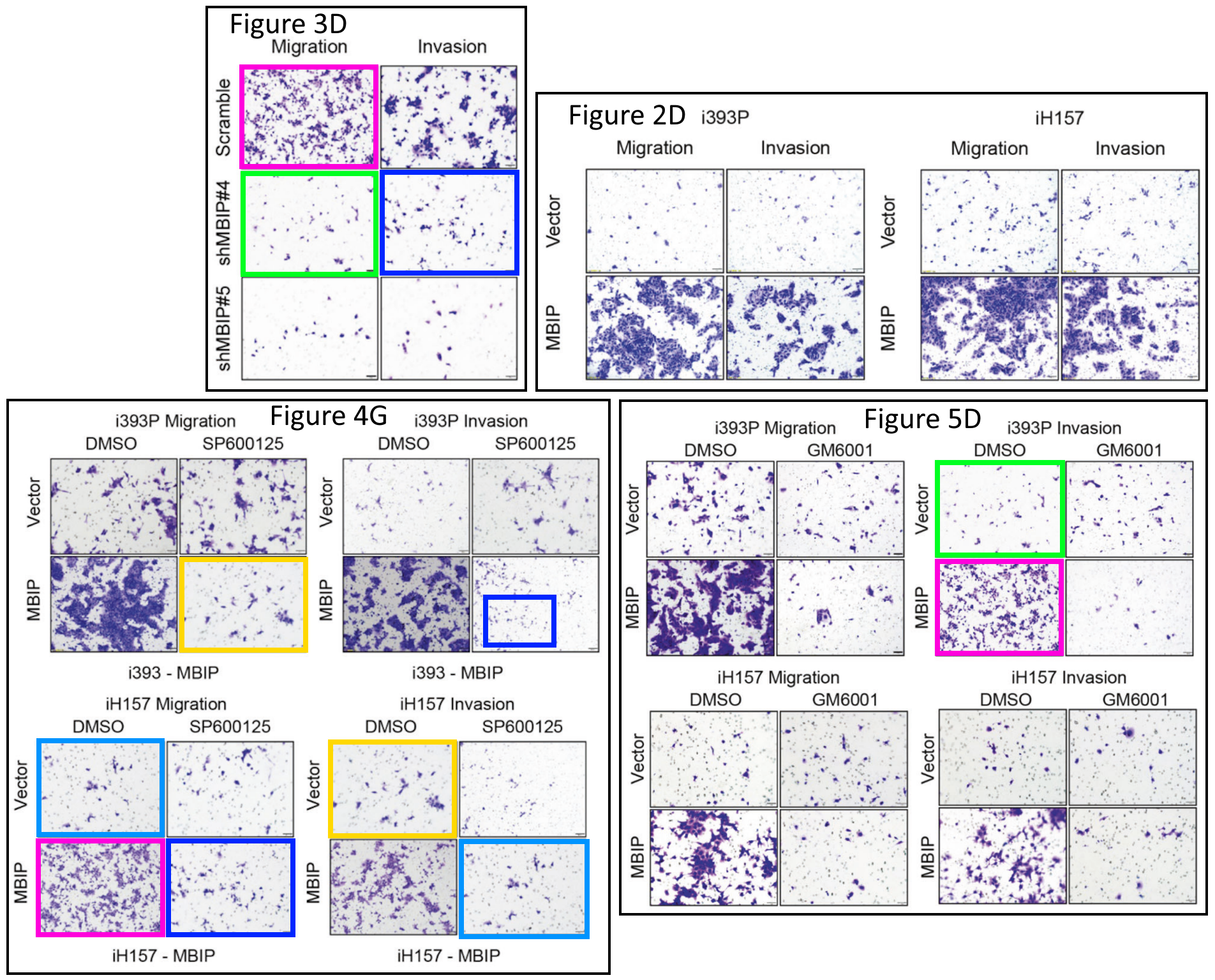

“Figure 6B: There’s an overlap between images that should be stained for different proteins.”
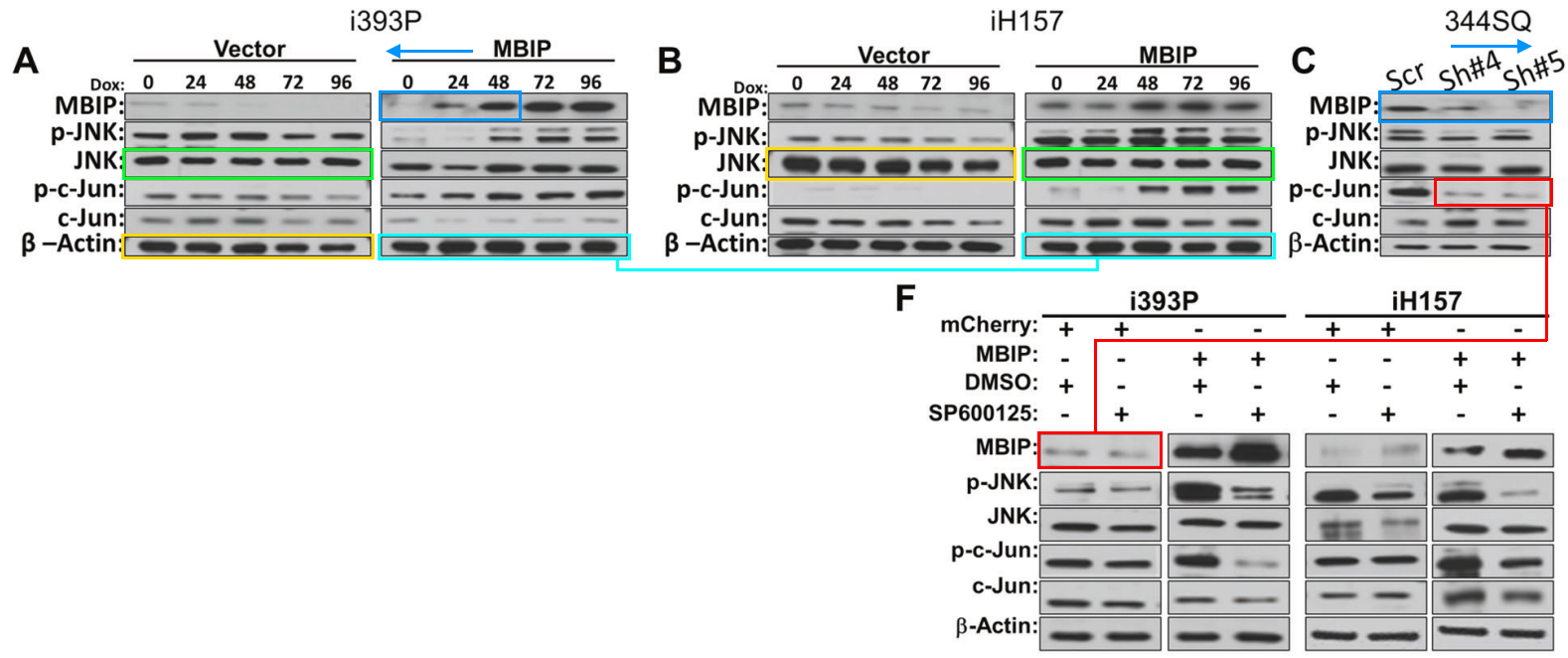
Another sleuth found copy-pasted western blots in this paper by Gibbons with Chad Creighton, professor at the neighbouring Baylor College of Medicine:
Christin Ungewiss , Zain H. Rizvi , Jonathon D. Roybal , David H. Peng , Kathryn A. Gold , Dong-Hoon Shin , Chad J. Creighton , Don L. Gibbons The microRNA-200/Zeb1 axis regulates ECM-dependent β1-integrin/FAK signaling, cancer cell invasion and metastasis through CRKL Scientific Reports (2016) doi: 10.1038/srep18652
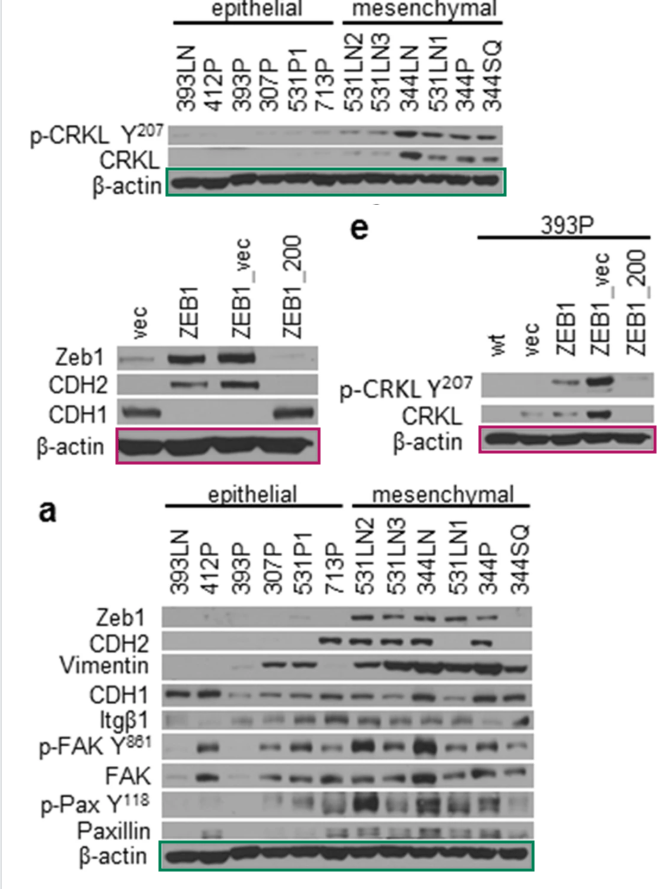
Viola sheltonii: “The same two western blot images for beta-actin have been reused throughout the paper,”
Fig 4e , Fig 1c , Fig3a
This isn’t bad either, with MD Anderson colleague Jonathan Kurie, an endowed professor:
David H Peng , Bertha Leticia Rodriguez , Lixia Diao , Limo Chen , Jing Wang , Lauren A Byers , Ying Wei , Harold A Chapman , Mitsuo Yamauchi , Carmen Behrens , Gabriela Raso , Luisa Maren Solis Soto , Edwin Roger Parra Cuentes , Ignacio I Wistuba, Jonathan M Kurie, Don L Gibbons Collagen promotes anti-PD-1/PD-L1 resistance in cancer through LAIR1-dependent CD8 T cell exhaustion Nature Communications (2020) doi: 10.1038/s41467-020-18298-8

More Gibbons are on PubPeer. Here another one of his with Kurie, Creighton, and Ignacio Wistuba (until last year department chair at MD Anderson, now at Moffitt Cancer Center). It was corrected right after publication, because “During the preparation of this manuscript, incorrect labels were inadvertently introduced into Figure 3, B and G, and Figure 5H“, the publisher took the full blame. Now another correction is needed:
Xiaochao Tan, Priyam Banerjee , Xin Liu , Jiang Yu , Don L. Gibbons , Ping Wu , Kenneth L. Scott, Lixia Diao , Xiaofeng Zheng, Jing Wang , Ali Jalali , Milind Suraokar , Junya Fujimoto , Carmen Behrens, Xiuping Liu , Chang-gong Liu , Chad J. Creighton, Ignacio I. Wistuba, Jonathan M. Kurie The epithelial-to-mesenchymal transition activator ZEB1 initiates a prometastatic competing endogenous RNA network Journal of Clinical Investigation (2018) doi: 10.1172/jci97225

Sholto David: “Figure 1 and Figure 2: Unexpected image duplication.”
Creighton, Kurie, Gibbons and their department chair John Heymach (who has more papers on PubPeer, including with Anil Sood!) prove here that any research about “miRNA in cancer” is bound to be fake:
Jonathon D. Roybal , Yi Zang , Young-Ho Ahn , Yanan Yang , Don L. Gibbons , Brandi N. Baird , Cristina Alvarez , Nishan Thilaganathan , Diane D. Liu , Pierre Saintigny , John V. Heymach , Chad J. Creighton , Jonathan M. Kurie miR-200 Inhibits lung adenocarcinoma cell invasion and metastasis by targeting Flt1/VEGFR1 Molecular Cancer Research (2011) doi: 10.1158/1541-7786.mcr-10-0497
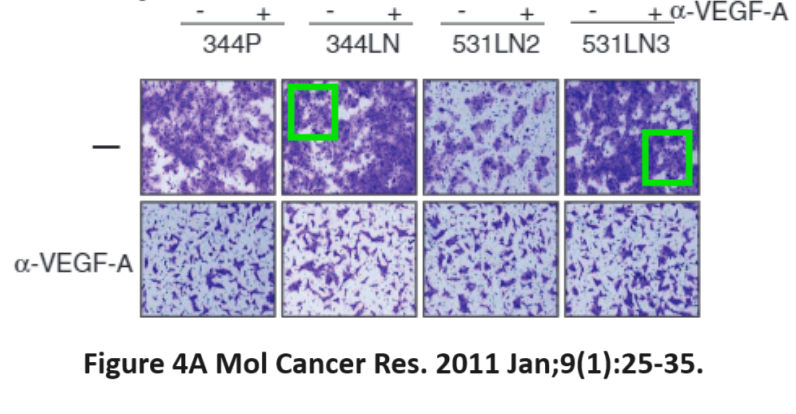
It is therefore no surprise to find all these cheaters on a bad paper with even bigger cheaters – Lewis Cantley, Nathanael Gray, Ned Sharpless and Pasi Jänne, also Nabeel Bardeesy is around. The latter functions as a kind of biomarker for fake papers, as you can see on PubPeer.
Yan Liu , Kevin Marks , Glenn S. Cowley , Julian Carretero , Qingsong Liu , Thomas J.F. Nieland , Chunxiao Xu , Travis J. Cohoon , Peng Gao , Yong Zhang , Zhao Chen , Abigail B. Altabef , Jeremy H. Tchaicha , Xiaoxu Wang , Sung Choe , Edward M. Driggers , Jianming Zhang , Sean T. Bailey , Norman E. Sharpless , D. Neil Hayes , Nirali M. Patel, Pasi A. Janne, Nabeel Bardeesy, Jeffrey A. Engelman, Brendan D. Manning, Reuben J. Shaw, John M. Asara, Ralph Scully, Alec Kimmelman, Lauren A. Byers, Don L. Gibbons, Ignacio I. Wistuba, John V. Heymach, David J. Kwiatkowski, William Y. Kim, Andrew L. Kung, Nathanael S. Gray, David E. Root, Lewis C. Cantley, Kwok-Kin Wong Metabolic and functional genomic studies identify deoxythymidylate kinase as a target in LKB1-mutant lung cancer Cancer Discovery (2013) doi: 10.1158/2159-8290.cd-13-0015
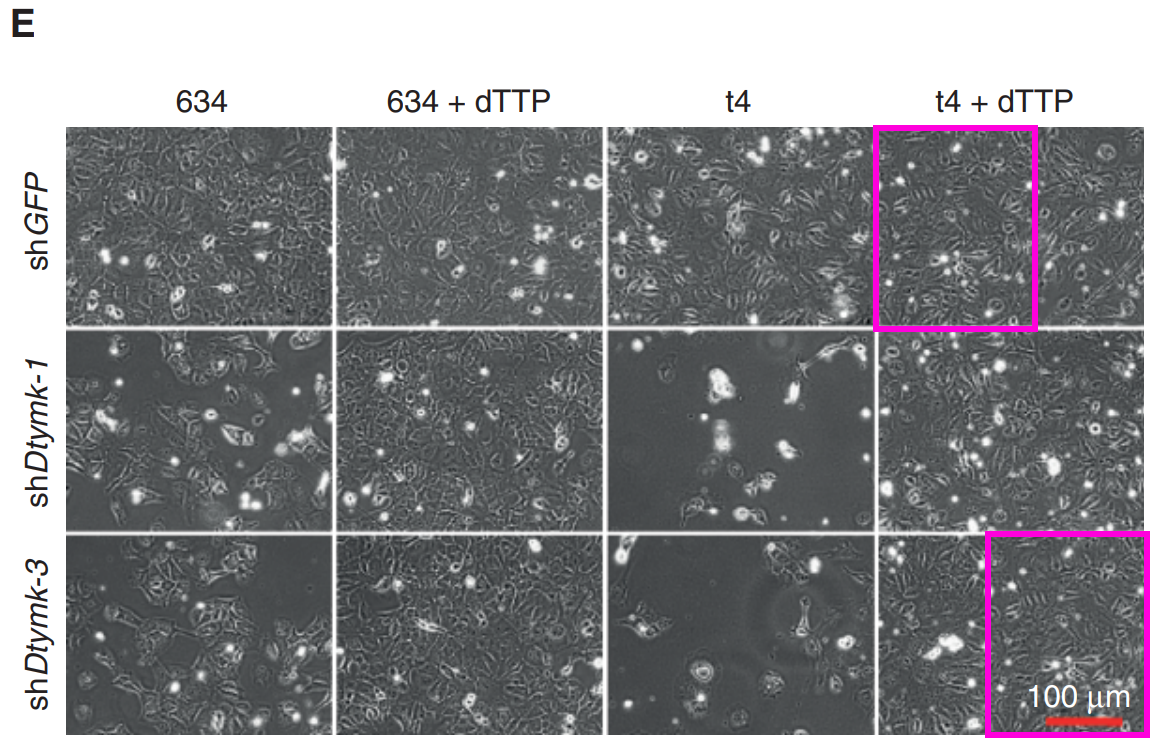
Mycosphaerella arachidis: “Figure 2E: There is an overlap between images which should show different experimental conditions.”
The last author above is another serious cheater: Kwok-Kin Wong, former mentee of former MD Anderson President Ronald DePinho, now professor at NYU Langone Health with almost 30 papers on PubPeer. Here a fake paper by Heymach and Wong, no Gibbons here unfortunately:
Jacqulyne P. Robichaux , Yasir Y. Elamin , Zhi Tan , Brett W. Carter , Shuxing Zhang , Shengwu Liu , Shuai Li , Ting Chen , Alissa Poteete , Adriana Estrada-Bernal , Anh T. Le , Anna Truini , Monique B. Nilsson , Huiying Sun , Emily Roarty , Sarah B. Goldberg , Julie R. Brahmer , Mehmet Altan , Charles Lu , Vassiliki Papadimitrakopoulou , Katerina Politi, Robert C. Doebele, Kwok-Kin Wong, John V. Heymach Mechanisms and clinical activity of an EGFR and HER2 exon 20-selective kinase inhibitor in non-small cell lung cancer Nature Medicine (2018) doi: 10.1038/s41591-018-0007-9

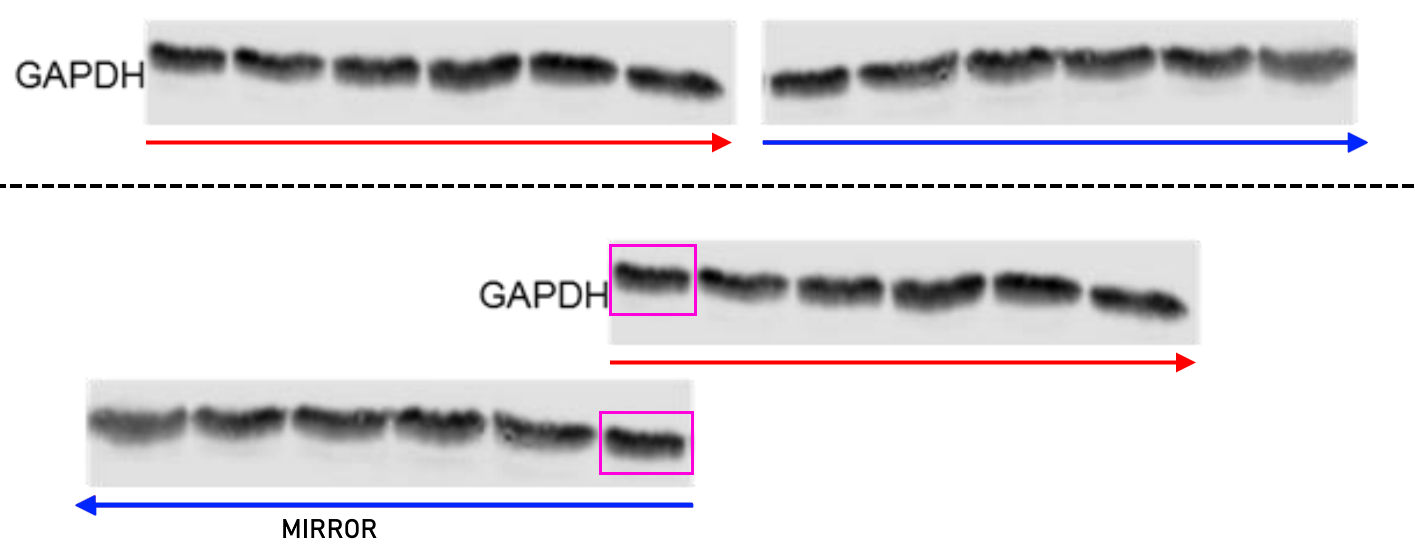
An August 2024 Correction explained “in Supplementary Fig. 7c, the ERK1/2 blot (afatinib treatment) was flipped“.
MD Anderson is the cancer. The money wasted there on outright fraud every day could save millions, were it sent instead to Doctors without Borders.
Lego-like Chemistry
Meet the Portuguese researcher Fernanda Borges, associate professor at the Center for Research in Chemistry of the University of Porto (CIQUP) . In 2018, she discovered her passion for entrepreneurship and co-founded a company called MitoTAG, which aims to sell anti-aging cosmetics and supplements, both for humans and dogs. Borges described her patented technology as such: “We link a natural antioxidant to a chemical group that works as a navigation aid“, and it targets mitochondria. According to her registered patent, the focus is on hydroxybenzoic acids derivatives – substances found in berries and grapes.
There is absolutely no reason to doubt Borges’s business model of rejuvenation with plant extracts. None at all. Here is a relevant study of hers with her MitoTAG co-founder Paulo Oliveira, Principal Investigator at the University of Coimbra in Portugal, it was flagged on PubPeer by Mu Yang:
Carlos Fernandes , Sofia Benfeito , Ricardo Amorim , José Teixeira , Paulo J. Oliveira , Fernando Remião , Fernanda Borges Desrisking the Cytotoxicity of a Mitochondriotropic Antioxidant Based on Caffeic Acid by a PEGylated Strategy Bioconjugate Chemistry (2018) doi: 10.1021/acs.bioconjchem.8b00383

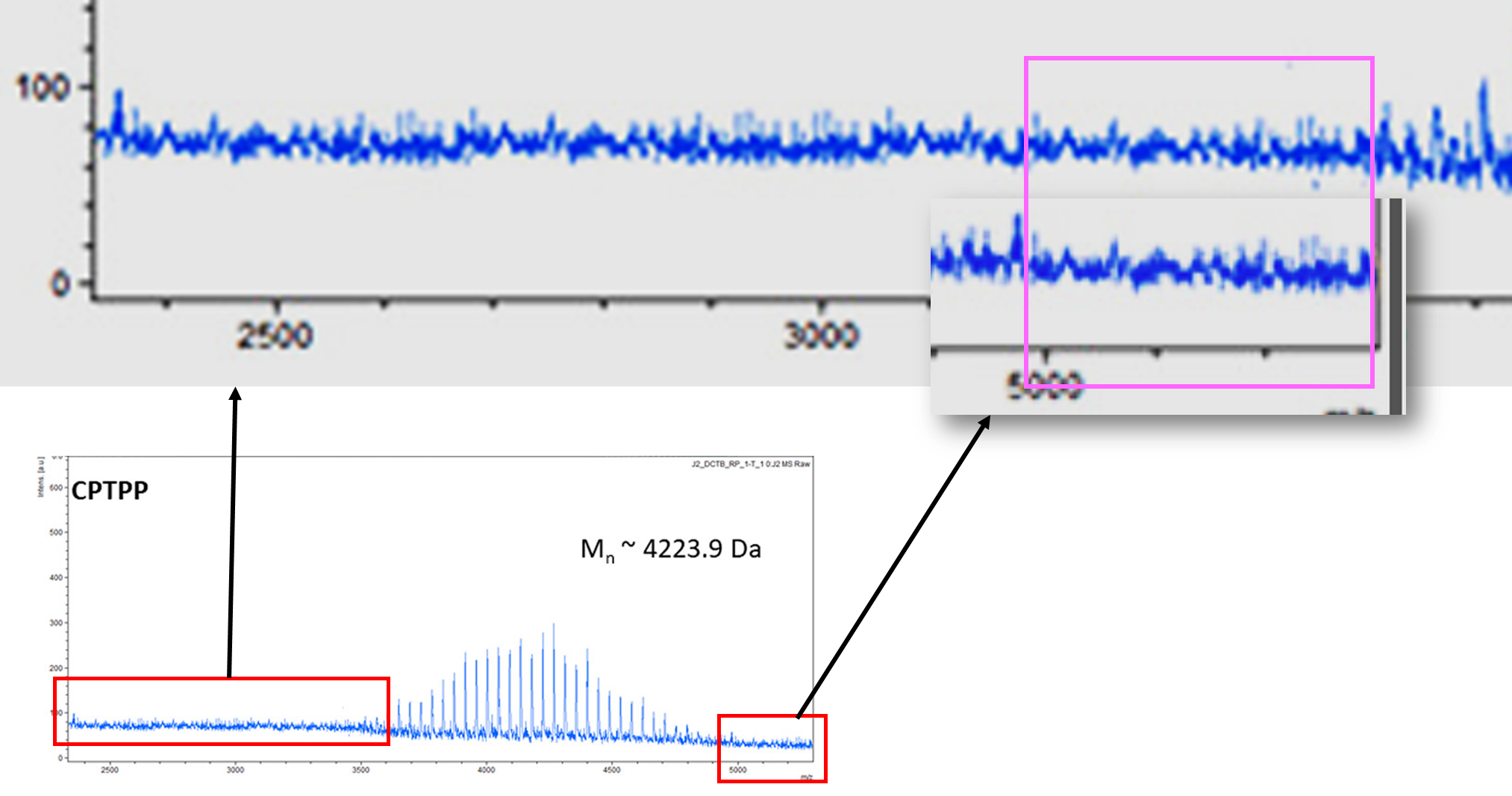
Here are two papers by Borges and Oliviera flagged by Mu Yang, again on the topic of natural anti-oxidants, where spectra seem to have been edited in Photoshop:
Carlos Fernandes , Miguel Pinto , Cláudia Martins , Maria João Gomes , Bruno Sarmento , Paulo J. Oliveira , Fernando Remião , Fernanda Borges Development of a PEGylated-Based Platform for Efficient Delivery of Dietary Antioxidants Across the Blood–Brain Barrier Bioconjugate Chemistry (2018) doi: 10.1021/acs.bioconjchem.8b00151

Lego-like chemistry doesn’t mean assembling spectra from bits and pieces:
Sofia Benfeito , Carlos Fernandes , Daniel Chavarria , Sandra Barreiro , Fernando Cagide , Lisa Sequeira , José Teixeira , Renata Silva , Fernando Remião , Paulo J. Oliveira , Eugenio Uriarte , Fernanda Borges Modulating Cytotoxicity with Lego-like Chemistry: Upgrading Mitochondriotropic Antioxidants with Prototypical Cationic Carrier Bricks Journal of Medicinal Chemistry (2023) doi: 10.1021/acs.jmedchem.2c01630
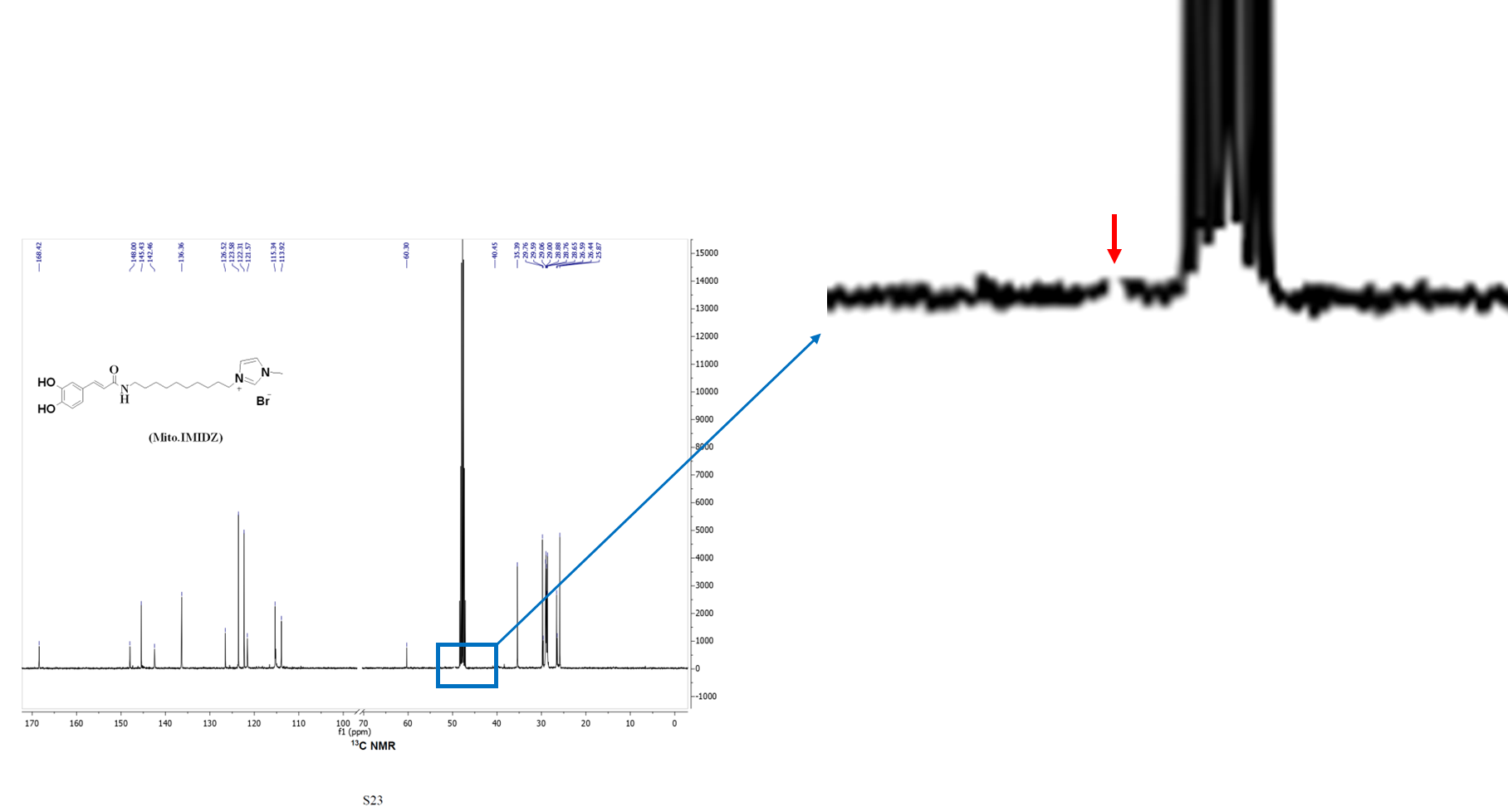
Dysdera arabisenen : “Fig. S23: As shown in the close-up, there appears to be a clear gap on the baseline in the section marked by the blue box.”
Maybe you now wish to see a fake gel?
Ricardo Amorim , Fernando Cagide , Ludgero C. Tavares , Rui F. Simões , Pedro Soares , Sofia Benfeito , Inês Baldeiras , John G. Jones , Fernanda Borges , Paulo J. Oliveira , José Teixeira Mitochondriotropic antioxidant based on caffeic acid AntiOxCIN4 activates Nrf2-dependent antioxidant defenses and quality control mechanisms to antagonize oxidative stress-induced cell damage Free Radical Biology and Medicine (2022) doi: 10.1016/j.freeradbiomed.2021.12.304

Dysdera arabisenen: “Fig. 3b: As shown in the (darkened) close-up, the chloroquine lanes in the LC3B panel seem to have been spliced in. The β-actin gel was uninterrupted. The LC3B image may have been assembled separately from the loading control.”
I can’t tell you if University of Porto researcher Anabela Borges is related to Fernanda, but here is some dodgy statistics by these two:
Miguel M. Leitão , Ariana S.C. Gonçalves , Joana Moreira , Carlos Fernandes , Fernanda Borges , Manuel Simões , Anabela Borges Unravelling the potential of natural chelating agents in the control of Staphylococcus aureus and Pseudomonas aeruginosa biofilms European Journal of Medicinal Chemistry (2025) doi: 10.1016/j.ejmech.2024.117163

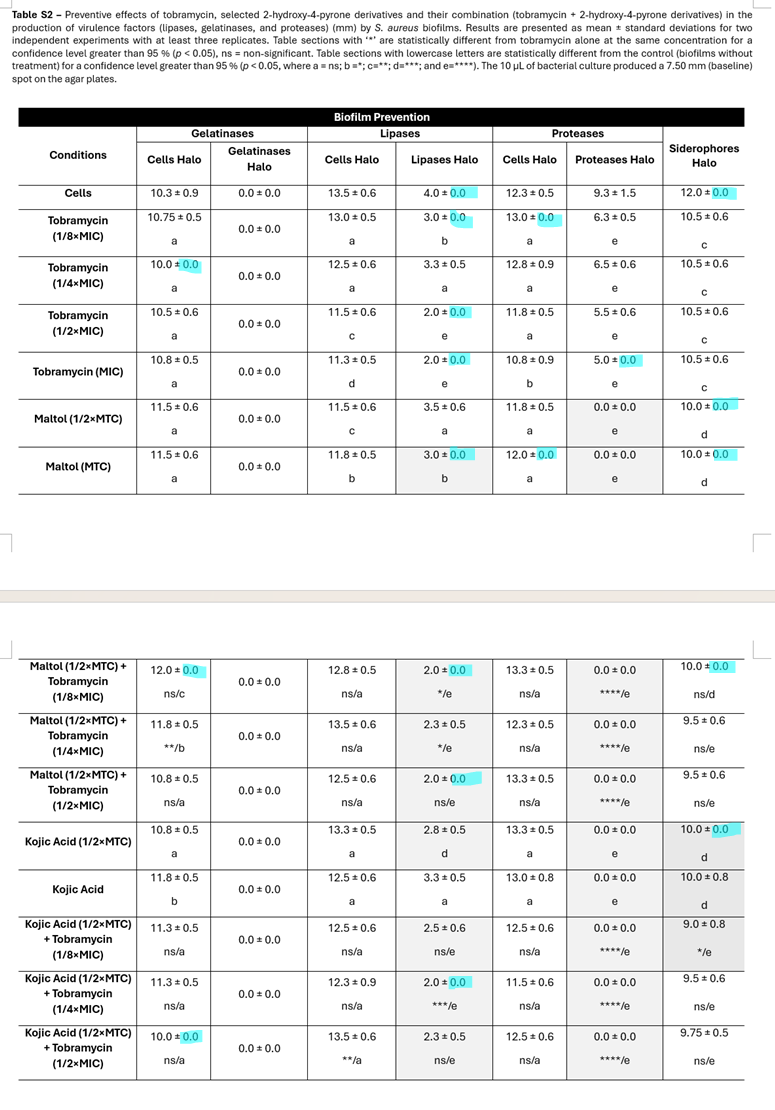
Another paper by the two Borgeses and their Porto colleague Manuel Simões, Oliviera et al 2019, has similar problems with improbable numbers. And how to explain this:
Karolline Krambeck, Vera Silva , Renata Silva , Carlos Fernandes , Fernando Cagide , Fernanda Borges , Delfim Santos , Francisco Otero-Espinar , José Manuel Sousa Lobo , Maria Helena Amaral Design and characterization of Nanostructured lipid carriers (NLC) and Nanostructured lipid carrier-based hydrogels containing Passiflora edulis seeds oil International Journal of Pharmaceutics (2021) doi: 10.1016/j.ijpharm.2021.120444
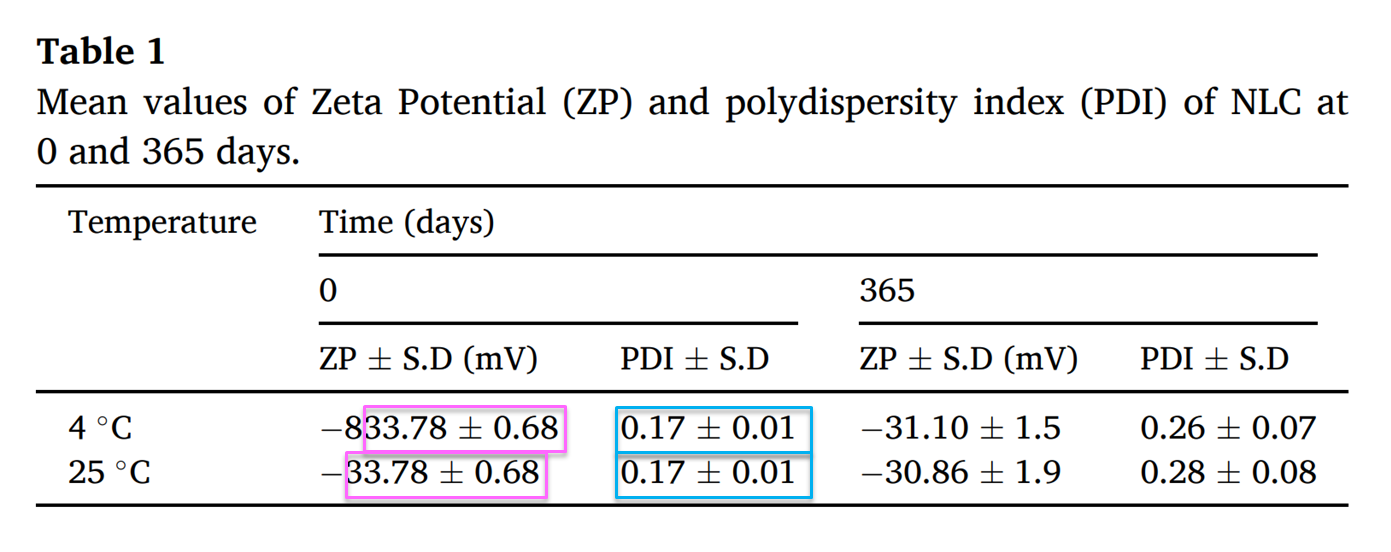
A year ago, Fernanda Borges was appointed as scientific coordinator of the Paul Ehrlich MedChem Euro PhD Network, which includes 65 institutions from 23 European countries. What will she teach all these students?
Scholarly Publishing
Claims that remain valid
Gerry Melino, Editor-in-Chief of the “Cell Death and Depravity” journal family (part of Nature group), likes to have his cake while eating it. He published massive fraud himself while pretending to fight research fraudsters, and occasionally on his own accord investigates and retracts papers by fraudsters but only when they are outside his friends network. He proudly boasted to me to have cleaned stables by kicking out Guido Kroemer as editor, while in reality he keeps him on the editorial board. Read about Melino and his journal here:
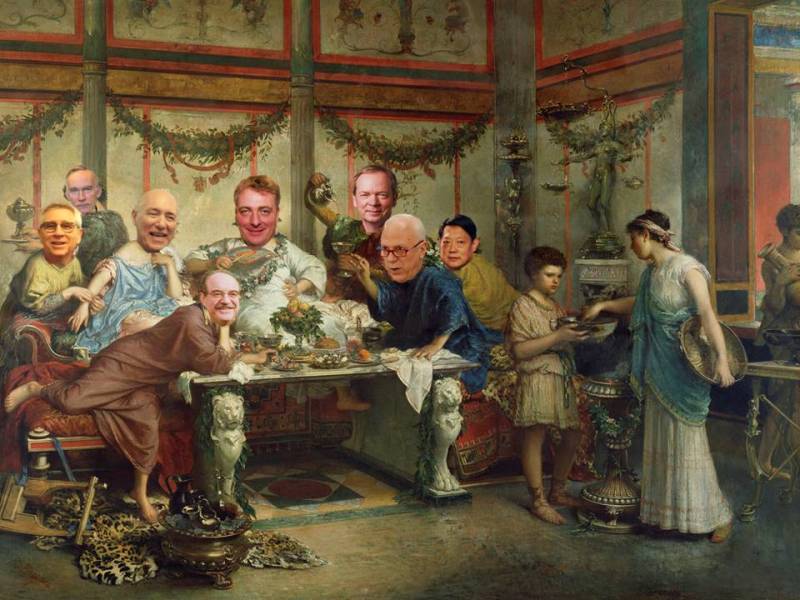
Cell Death and Depravity
Is the journal Cell Death and Disease a disease itself, parasitised by Chinese paper mills? Can it be cured? Not with this team of doctors on editorial board.
Melino is professor at University of Rome “Tor Vergata” in Italy, he also used to be professor at an MRC unit in University of Cambridge in UK, but when that ended, he acquired an affiliation at DZNE Helmholtz Institute in Bonn, Germany, where his friend and fellow Italian, Pierluigi Nicotera, remains director despite all of his own bad science. Melino the ethics champion also boasts a former professorship and a honorary doctorate from St Petersburg, russia.
And this is how Melino deals with his own papers, here is one which last author is Melino’s friend Mauro Piacentini, another cheater and editor at Cell Death & Depravity:
W Malorni , M G Farrace , P Matarrese , A Tinari , L Ciarlo , P Mousavi-Shafaei , M D’Eletto , G Di Giacomo , G Melino , L Palmieri , C Rodolfo , M Piacentini The adenine nucleotide translocator 1 acts as a type 2 transglutaminase substrate: implications for mitochondrial-dependent apoptosis Cell Death & Differentiation (2009) doi: 10.1038/cdd.2009.100

On 8 April 2026, this bizzarre Editorial Expression of Unconcern was issued (highlights mine):
“Following publication of this article, an external anonymous reader reported an apparent error in Figure 3A, specifically concerning the flow cytometry panel. Upon internal review, all authors agreed that the observation is correct. In response to this observation, the authors collectively undertook a verification process aimed at reconstructing the origin of the duplication and identifying the appropriate original data. The FACS profile in figure 3A were performed over 19 years ago by Paola Matarrese in the laboratory of Walter Malorni (Istituto Superiore Sanita’, Roma). The authors recognize this as a figure-assembly error introduced during the preparation of the submission figures. All authors are still confident in the integrity of the entire work, as indicated below.
Claims that remain valid, primary importance
- TG2 modulates mitochondrial function through ANT1. […] The claim stands independently of the JC-1 experiment.
- Loss of TG2 alters mitochondrial membrane potential. […] Removal of Figure 3A eliminates single-cell JC-1 distributions, but does not negate the existence of a genotype-dependent difference in membrane potential.
- Atractyloside exerts a selective effect on TG2−/− mitochondria. This claim remains robust. […] Figure 3A strengthened the presentation but is not structurally required.
- TG2 determines apoptotic susceptibility via the ANT–mitochondrial axis. This conclusion is supported […] is logically independent of Figure 3A.
Claims that remain valid, secondary importance
- TG2 maintains ANT1 in a conformation less sensitive to atractyloside. This claim remains supported […] Removal of Figure 3A eliminates one cellular visualization, but does not invalidate the mechanistic inference.
- Observed mitochondrial differences are not due to subcellular contamination. Mitochondrial purity controls are independent of Figure 3A and remain unaffected.
Claims that fail
- Quantitative distribution of hyperpolarized and depolarized cells measured by JC-1. All numerical percentages and population stratifications derived from JC-1 dot plots depend exclusively on Figure 3A. Once that figure is removed, both the graphical evidence and the quantitative basis for these specific claims are lost. They are not recoverable without new data.
Overall assessment
- The core model linking TG2, ANT1, mitochondrial function and apoptosis remains intact.
- The discriminatory effect of atractyloside between TG2+/+ and TG2−/− systems remains supported.
- Mitochondrial membrane potential differences based on TMRM and isolated mitochondria remain valid.
- Only the JC-1 single-cell distribution claims linked specifically to Figure 3A are lost.
The authors M. Piacentini, W Malorni, Farrace MG, Melino G, M D’Eletto have read and fully agree with the present Note of Concern; the other authors failed to respond or we not found. We would like to thank the anonymous reader who alerted us on this concern and we would like to apologize with all readers if this has caused difficulties in the scientific literature.”

Top Italian Scientists
“You may think this is just a silly prank with zero impact on whatsoever, but no. […] this initiative is useful for something. It provides solid numbers for quantifying the extent of scientific misconduct in Italy and beyond” – Aneurus Inconstans

The male editors Melino and Piacentini investigated themselves, blamed some woman for minor forgery which doesn’t affect the conclusions. Melino has almost 80 very problematic papers on PubPeer, he never retracted any of them. Here one, in the same journal:
Tania Velletri , Yin Huang , Yu Wang , Qing Li , Mingyuan Hu , Ningxia Xie , Qian Yang , Xiaodong Chen , Qing Chen , Peishun Shou , Yurun Gan , Eleonora Candi , Annicchiarico-Petruzzelli Margherita , Massimiliano Agostini , Huilin Yang , Gerry Melino , Yufang Shi, Ying Wang Loss of p53 in mesenchymal stem cells promotes alteration of bone remodeling through negative regulation of osteoprotegerin Cell Death & Differentiation (2021) doi: 10.1038/s41418-020-0590-4
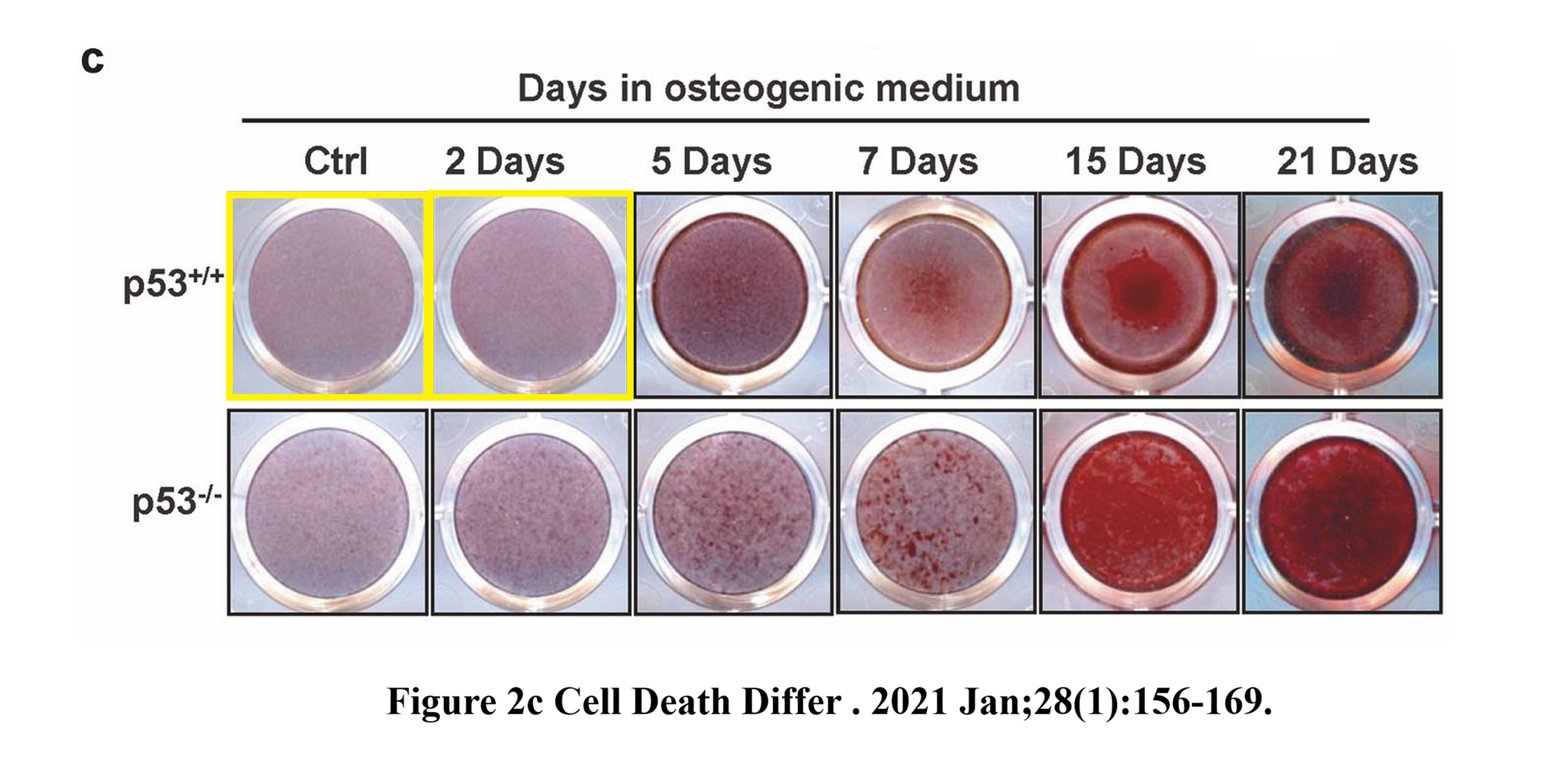
Simultaneously to this of his in Cell Death & Differentiation, the Editor-in-Chief Melino handled and published another paper by same collaborator of his, Tania Velletri of IEO in Milan: Velletri et al 2021 (last authors are Saverio Minucci and Giuseppe Testa). Velletri and Melino have another problematic paper together, with Melino’s partner as Editor-in-Chief of Cell Death & Depravity, Tak Mak:
Tania Velletri , Francesco Romeo , Paola Tucci , Angelo Peschiaroli , Margherita Annicchiarico-Petruzzelli , Maria Victoria Niklison-Chirou , Ivano Amelio , Richard A Knight , Tak W Mak , Gerry Melino , Massimiliano Agostini GLS2 is transcriptionally regulated by p73 and contributes to neuronal differentiation Cell Cycle (2013) doi: 10.4161/cc.26771
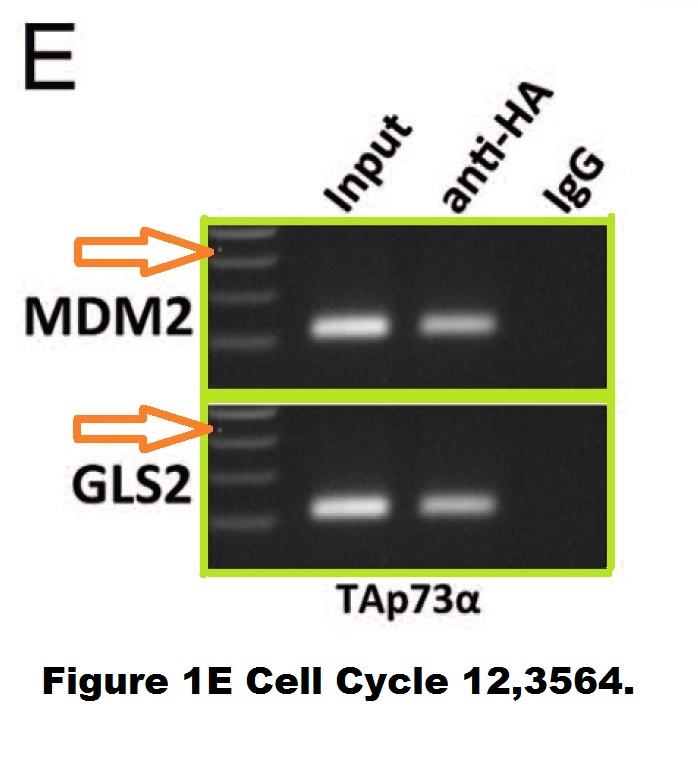
2015 Corrigendum: “The E appeared incorrectly in print and online. The correct is provided on the next page. […] The authors apologize for any inconvenience caused.”
Here another recently flagged paper by Melino, with fellow cheaters from USA and UK, Douglas Green and Karen Vousden:
Mario Rossi , Vincenzo De Laurenzi , Eliana Munarriz , Douglas R Green , Yun-Cai Liu , Karen H Vousden , Gianni Cesareni , Gerry Melino The ubiquitin–protein ligase Itch regulates p73 stability The EMBO Journal (2005) doi: 10.1038/sj.emboj.7600444
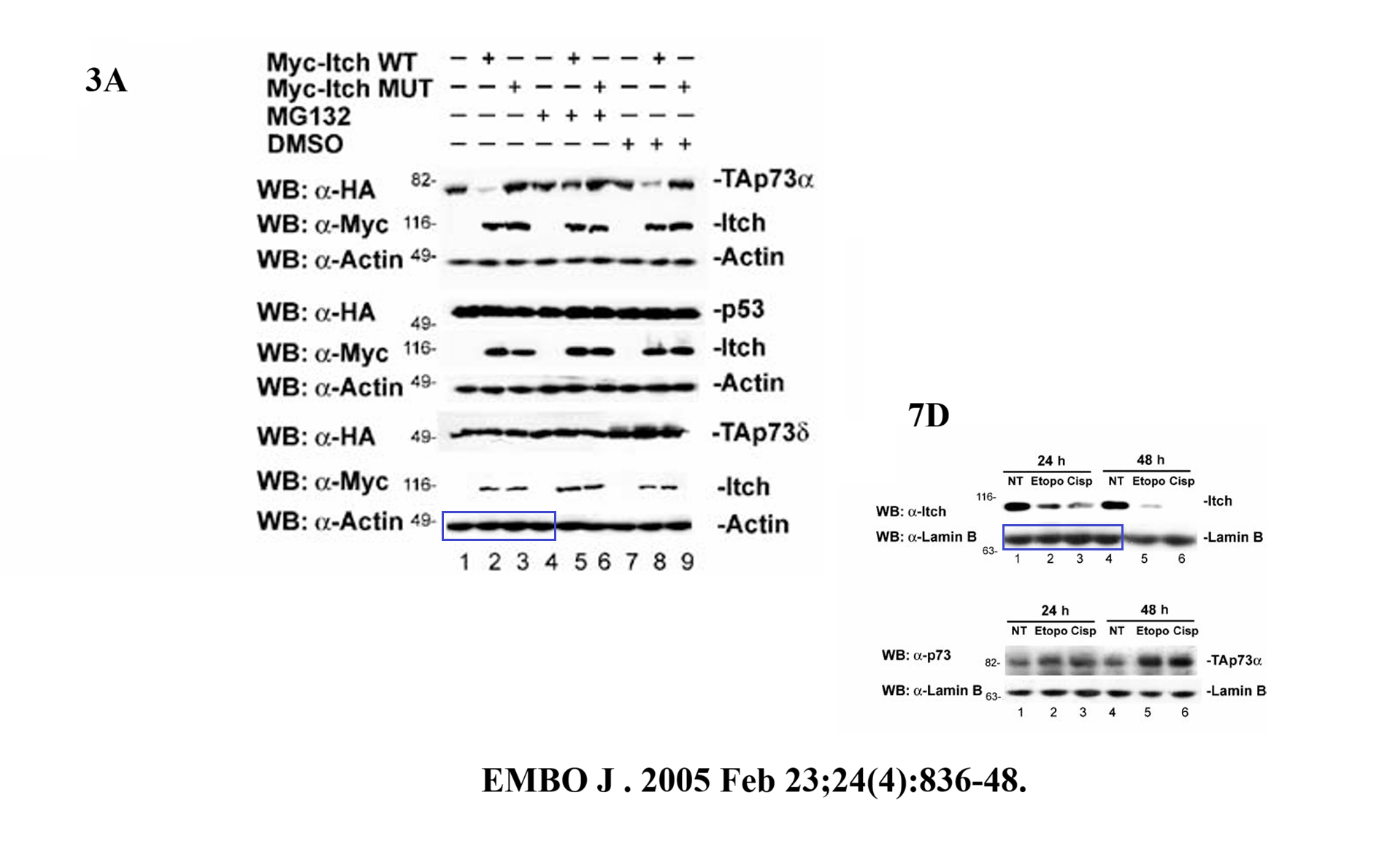
Returning to the Cell Death & Depravity paper with editorial unconcern, the official culprits Paola Matarrese and her boss Walter Malorni have some other bad papers on PubPeer, including this, again with Piacentini:
Carlo Rodolfo , Elisabetta Mormone , Paola Matarrese , Fabiola Ciccosanti , Maria Grazia Farrace , Elvira Garofano , Lucia Piredda , Gian Maria Fimia , Walter Malorni , Mauro Piacentini Tissue transglutaminase is a multifunctional BH3-only protein Journal of Biological Chemistry (2004) doi: 10.1074/jbc.m410938200
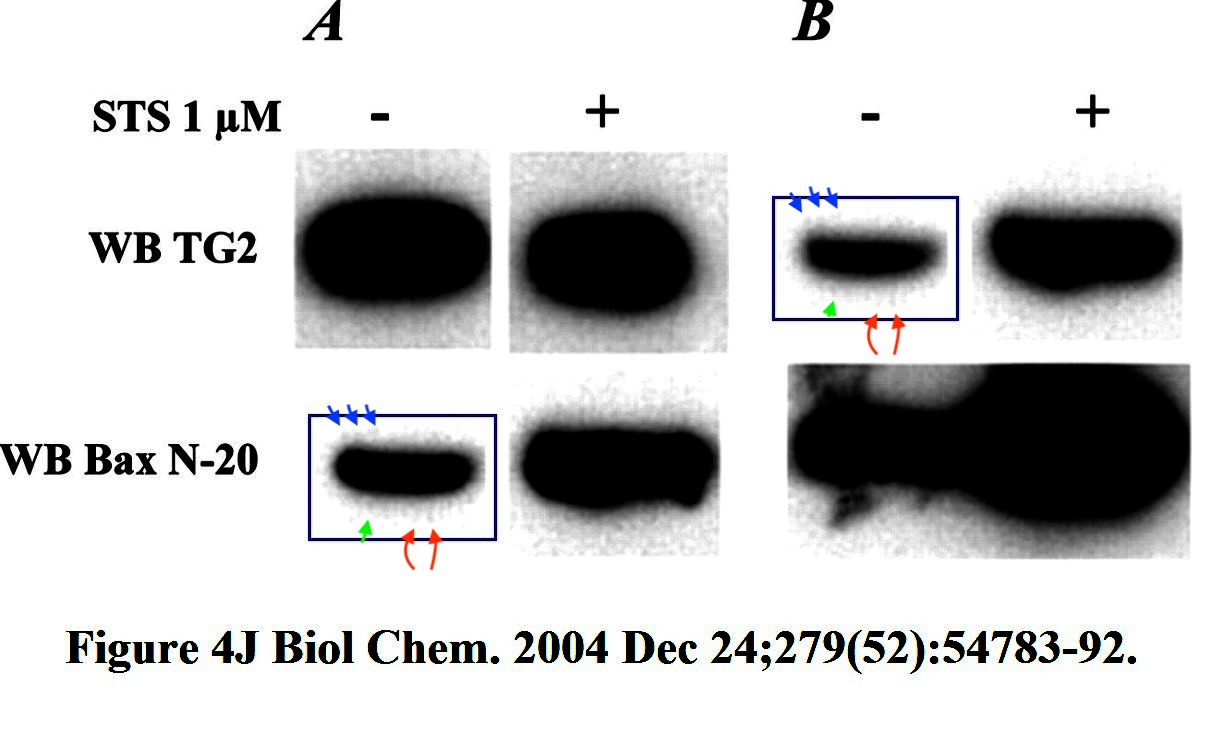
I guess Melino and Piacentini aren’t friends with Malorni anymore.
Unconventional thinking and pioneering solutions
If anyone missed Ashutosh Tiwari‘s closest associate and his loyal business partner, Mikael Syväjärvi, well, just like Ashu, also Mikael was seen papermilling.

The Indefatigable Ashutosh Tiwari
Four years after Ashutosh Tiwari’s scamferences and research fraud were exposed, his impressive-sounding yet fictional “International Association of Advanced Materials”, or IAAM, still opens doors, hearts and wallets.
This paper appeared in a trash journal by some predatory publisher called FoundAE:
Cornelia Victoria Anghel , Glenaldo Achmad Zhafran Evito , Mikael Syväjärvi Geothermal Waters from the Alpine Mountain Region, Europe: A Comprehensive Geochemical and Isotopic Analysis International Journal of Hydrological and Environmental for Sustainability (2024) doi: 10.58524/ijhes.v3i3.5331
The corresponding author is some Glenaldo Achmad Zhafran Evito, located in Japan. Thing is, a reader shared with me a pdf of this same paper with one minor difference: instead of Evito, the middle author is a certain Polish researcher named Marta Michalska-Domańska, who is also the corresponding author on that alternative version.
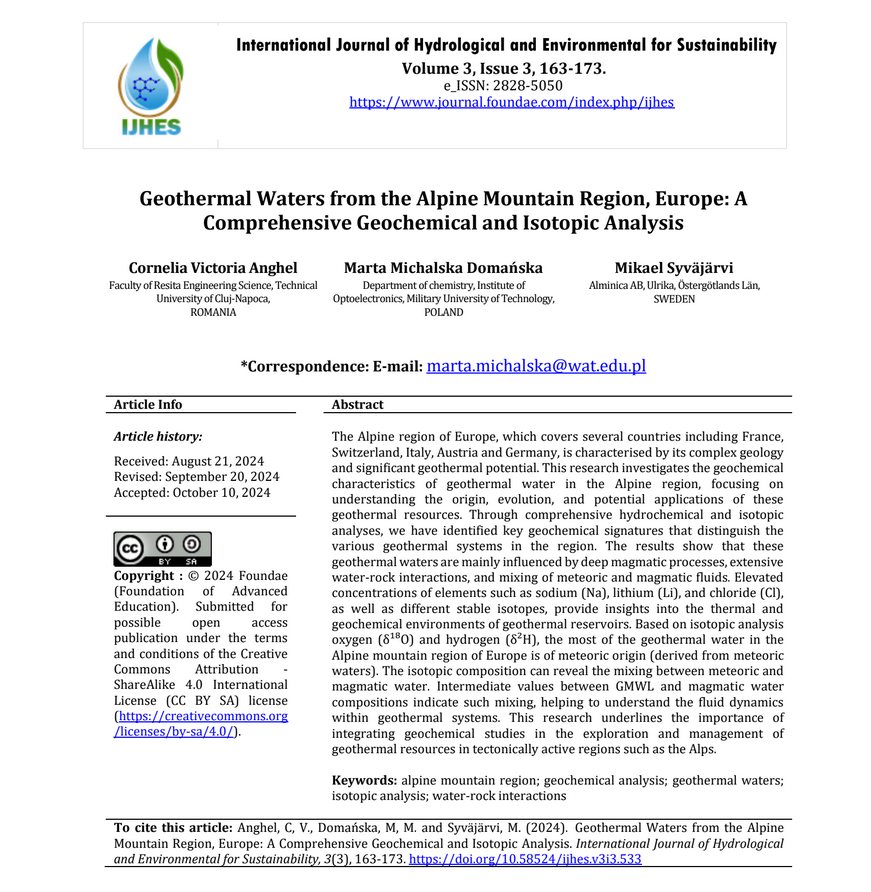

Michalska-Domanska is assistant professor at of Military University of Technology in Warsaw, in 2023 she was awarded by the European Center for Economic Development as Innovation Ambassador 2023, for her “unconventional thinking and pioneering solutions“.
Now, those “unconventional thinking and pioneering solutions” involve certain collaborations. The most common coauthor of Michalska’s papers is a certain Sanjay Dhoble. Who is a massive fraudster.
Dhoble may have a relatively modest PubPeer record of currently just 9 papers, but it the quality of his fraud which is breathtaking. One such paper, Panse et al 2020, featured in November 2021 Shorts and got retracted in November 2025, where Dhoble and his mates openly admitted to have used a papermill, stating “that the experimental work was generated by an external laboratory and that the original data were no longer available.” That paper had a figure with many cloned fragments, just like this one:
Gaurav Rahate , V R Panse, S J Dhoble , N S Kokode , Khushbu Sharma Photoluminescence studies and synthesis of KSrPO4:Ce3+, Eu3+ blue and orange-red emitting phosphor IOP Conference Series: Materials Science and Engineering (2021) doi: 10.1088/1757-899x/1120/1/012005
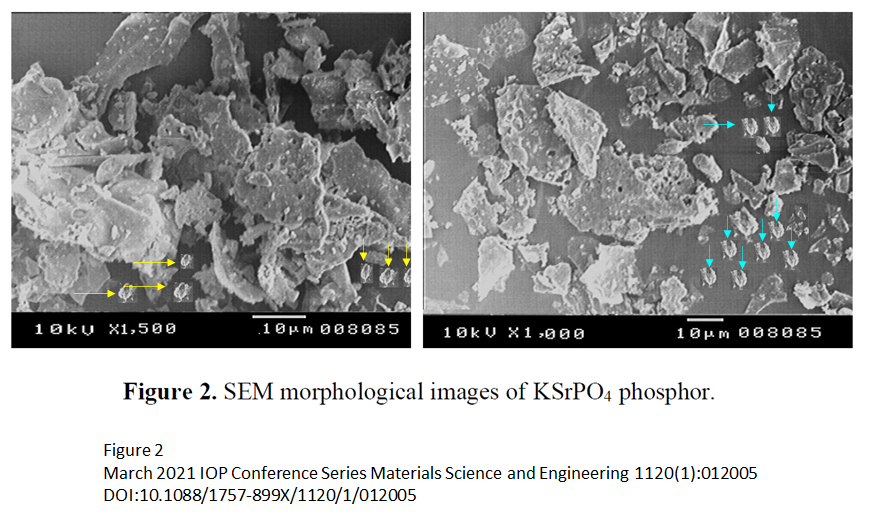
Another fabrication by Dhoble and friends:
V.R. Panse , N.S. Kokode , Alok Shukla , A.N. Yerpude , S.J. Dhoble Green, orange and reddish color emitting rare earth activated Ca2BO3Cl phosphor for solid state lighting applications Optik (2016) doi: 10.1016/j.ijleo.2016.04.031
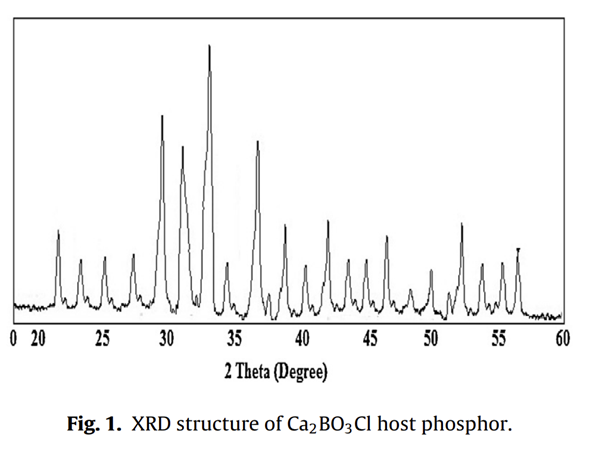

Dhoble is clearly a shameless papermiller, he might even operate his own mill, as some Indian professors do.
I have almost 100 manpower with me at any time
“WE DONT PAY FOR PAPERS. YOU MUST KNOW THAT THESE BEST IN THE PLANET JOURNALS GO THROUGH RIGOROUS PEER REVIEW” – Abhijit Dey, papermiller
The papers Kadam et al 2019, Bhat et al 2021 Kadam & Dhoble 2022, Kadam & Dhoble 2023 used such hilariously funny tortured phrases like “blood-mind boundary”, “bosom milk”, “watery arrangement”, “substantial metals”, “overwhelming metals”, “counterfeit neural system”, “ladies of childbearing-age”, “memory misfortune”, “untamed life”, “insusceptible framework”, “tainted individuals”, “profound learning”, “cardiovascular breakdown” and “focal sensory system”.
Dhoble is professor at Rashtrasant Tukadoji Maharaj Nagpur University, in October 2024 The Times of India celebrated him for securing “17 patents in the last three months” and having published almost a thousand papers.

“Quantum Dots: Emerging Materials for Versatile Applications“
Edited by
N. Thejo Kalyani, Sanjay J. Dhoble, Marta Michalska-Domanska, et al
Please appreciate this bizarre retraction, the study was not flagged on PubPeer before:
Geetanjali Tiwari , Nameeta Brahme , Ravi Sharma , D. P. Bisen , Sanjay K. Sao , S. J. Dhoble A study on the luminescence properties of gamma-ray-irradiated white light emitting Ca2Al2SiO7:Dy3+ phosphors fabricated using a combustion-assisted method RSC Advances (2016) doi: 10.1039/c6ra04913c
In March 2019, Royal Society of Chemistry (RSC) issued an Expression of Concern, where it was mentioned:
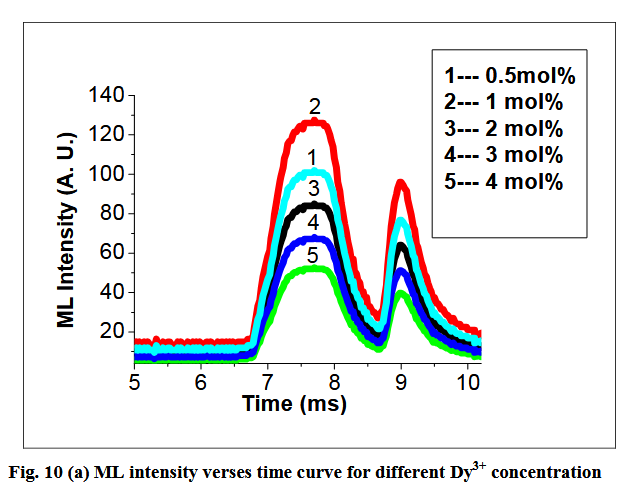
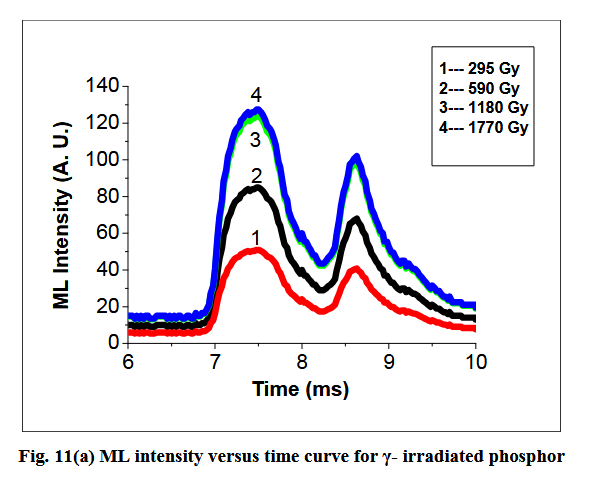
“The authors have rechecked their data and repeated experiments and have found errors with the data reported in Fig. 10(a, b), 11(a, b), 12(a, b), 15, 18 and 19, and the method of calculation of the activation energy (Table 2).
The authors have provided replacement data and figures for consideration and say that the new data does not affect the conclusions of the paper. The Royal Society of Chemistry has asked the affiliated institution (Pt. Ravishankar Shukla University, India) to investigate this matter […]”
Here are those problematic figures:

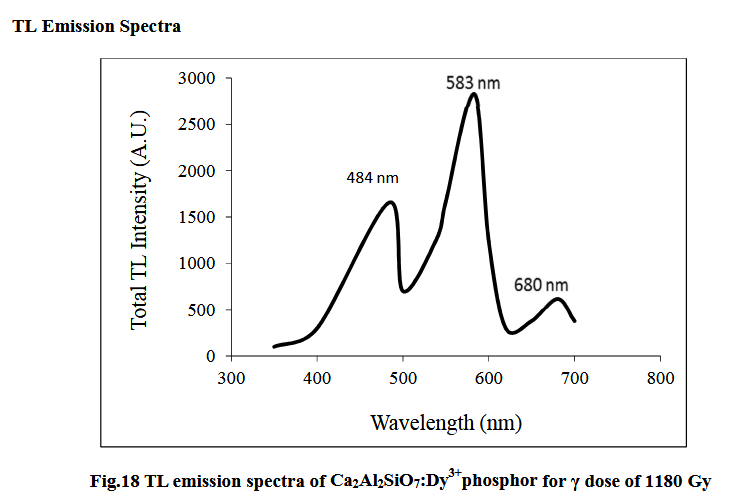
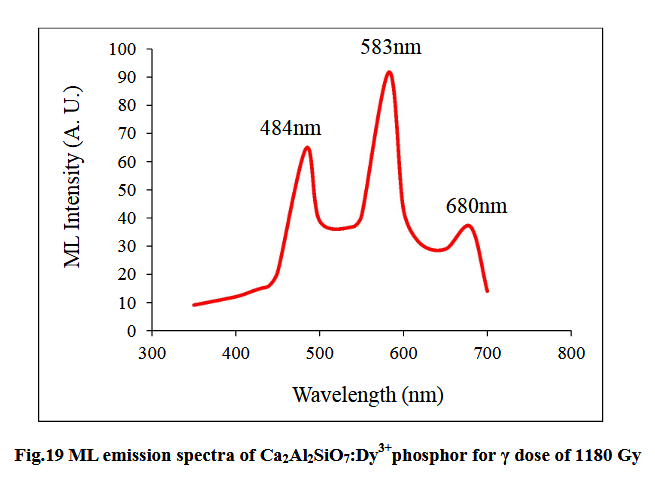
And then it became crazy. In January 2020, RSC issued a gigantic “Correction and removal of expression of concern” where all the fake figures and associated text were replaced:
“[…]The accuracy and integrity of the new data has been confirmed by the affiliated institution (Pt. Ravishankar Shukla University, India). Their enquiry concluded that “the data and figures provided by the corresponding authors in the correction notice are accurate representations of the experiments. The corrected figures, calculation of activation energy by peak shape method and the correction conclusion part do not affect the original conclusions of this paper. According to the above conclusions, the data and figures provided in this correction notice maintain the accuracy and integrity of the experiments.”
The new data and figures have also been reviewed by an independent expert and are provided below in order to fulfil the journal’s responsibility to correct the scientific record, in accordance with the guidelines provided by the Committee on Publication Ethics. [….]
This correction supersedes the information provided in the Expression of Concern related to this article. The Royal Society of Chemistry apologises for these errors and any consequent inconvenience to authors and readers.”
I don’t know why this happened, maybe Dhoble and his friends took some family members of RSC editors hostage? In any case, sanity returned in October 2022 when this paper was retracted:
“The Royal Society of Chemistry hereby wholly retracts this RSC Advances article due to concerns with the reliability of the data.
Following the previous publication of a correction, which was published after an institutional investigation, to correct errors in Fig. 10(a, b), 11(a, b), 12(a, b), 15, 18 and 19, further instances of data concerns have been identified within the corrected Fig. 10a, 11a and 12a. The corrected Fig. 10a, 11a, and 12a contain sections of identical noise and these concerns undermine the integrity of this article.
Given the significance of these concerns, the findings presented in this paper are no longer reliable.
This retraction supersedes the information provided in the correction related to this article and the correction is no longer valid.”
Bringing us back to where we started, Dhoble is also a proud member of Tiwari’s and Syväjärvi’s scamference business IAAM:

Retraction Watchdogging
Validity of work should not be judged solely by representative images
A Brazilian neuroscientist unexpectedly lost a paper which was considered as saved. Rui Daniel Schröder Prediger is professor at of Federal University of Santa Catarina, and has an obviously German name which means “preacher”. Yet it is not morals and honesty which he preaches! This paper was originally flagged on PubPeer in June 2021:
D. Rial , F.S. Duarte , J.C. Xikota , A.E. Schmitz , A.L. Dafré , C.P. Figueiredo, R. Walz , R.D.S. Prediger Cellular prion protein modulates age-related behavioral and neurochemical alterations in mice Neuroscience (2009) doi: 10.1016/j.neuroscience.2009.09.005

Right away, the coauthor and assistant professor Claudia P. Figueiredo announced “to retrieve the original data to correct the figure“, a Correction was published in December 2022, but then hidden or removed by the publishers Elsevier and International Brain Research Organization (IBRO) for reasons which will soon be clear. Thanks to PubPeer users, it got preserved:
“‘It has been brought to our attention a problem in Fig. 6 […] Apparently, the image shown in panel 6E was replicated and inverted in panel 6F.
The authors were questioned about the error, and have agreed that the panoramic views of the hippocampus shown in panels 6E and 6F are the same. They would like to sincerely apologize to the scientific community members for the inconvenience caused by their unintended oversight, but at the same time assure us that this issue does not affect the quantitative analysis of the data and therefore does not affect the main findings and conclusions of the study.
The authors attempted to retrieve the original immunohistochemistry data to correct the figure. Unfortunately, they discovered that the material associated with this study was destroyed 10 years after the paper was published. However, they found a correct version of Fig. 6, with another set of representative images in the first author’s PhD thesis and would now like to replace the published figure […]”
The replacement figure was fraudulent, as PubPeer users immediately determined, now you see why Elsevier and IBRO removed that embarrassing Correction:
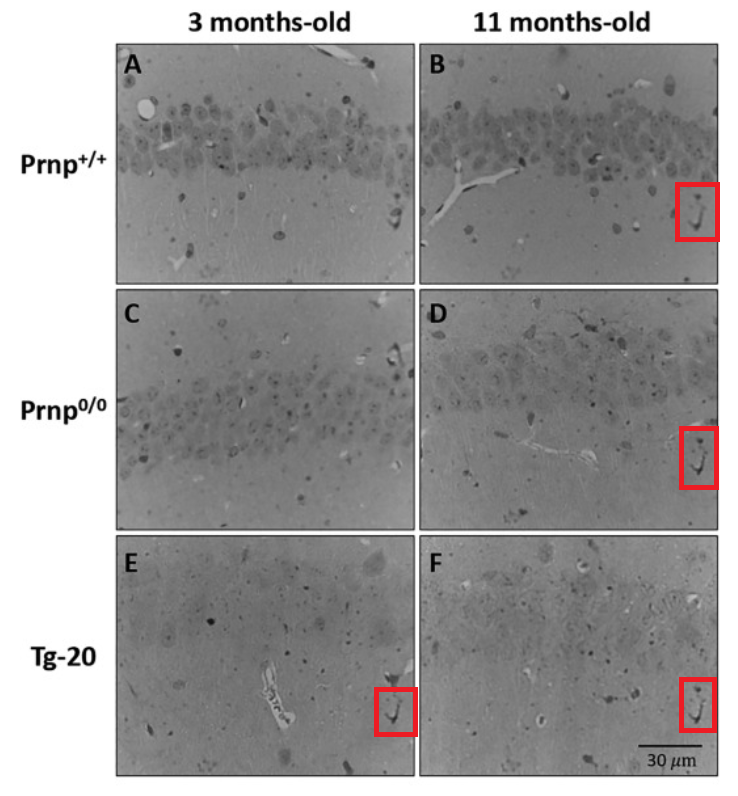
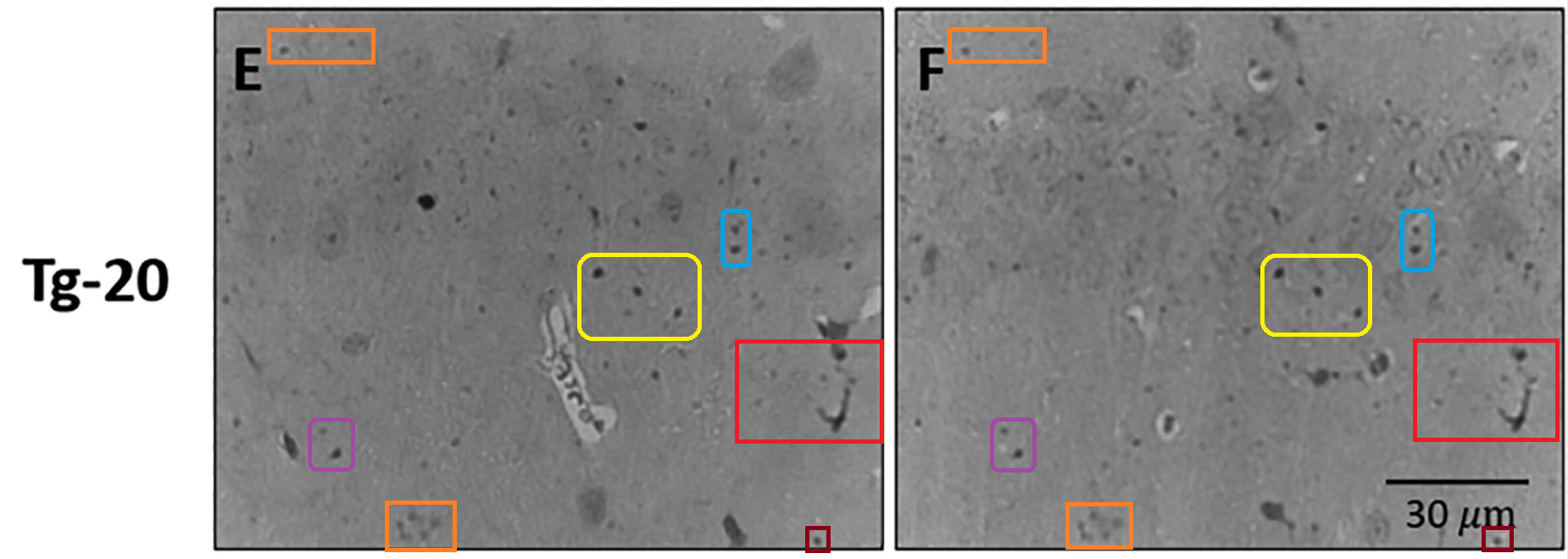
Not just that – this fake figure was nowhere to be found inside the PhD thesis of the first author Daniel Rial (supervised by Prediger). In July 2022, an Editorial Note was published which seemingly closed the case:
“[…] Neuroscience wants to alert the readers of the possible issues with the data associated to this figure, given the impossibility to locate old material for alternative representative illustration.
The authors, however, are sure that these experiments were done properly, and the quantification of capase-3 performed as described in the Material and Method. Indeed, these data have been confirmed by others (e.g. Marques et al., 2021: https://doi.org/10.1007/s11010-021-04078-5). They assume that an error occurred in assembling the Figure 6 and the panel E was flipped and inadvertently replicated as F. Since they cannot locate alternative raw data illustrations, the authors have requested a corrigendum to correct these issues and want to retract the published Corrigendum (https://doi.org/10.1016/j.neuroscience.2021.10.028) as well as panels E and F of the original Figure 6 illustrating representative images of caspase-3 immunostaining in the hippocampus of Tg-20 mice. This mistake does not affect the viability and the convincing evidence that PrPC exerts a critical role in the age-related behavioral deficits in mice.
The authors would like to sincerely apologize to the Neuroscience editorial team, Reviewers, and the scientific community members for the inconvenience caused by their unintended oversight.”
Why science fraud is not a crime
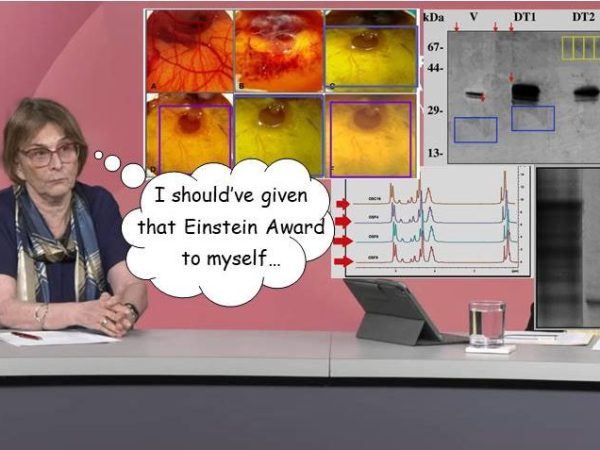
“Science is an activity based on uncertainty. […] Methodological errors […] cannot be treated as crimes. The risk is criminalizing scientific practice itself, inhibiting innovation and creativity.” – Helena B. Nader, President
Four years later, on 1 April 2026, a retraction suddenly arrived:
“This article has been retracted at the request of the Chief Editors.
The Chief Editors’ attention was drawn to some problems detected in Figure 6 of the article, showing that the image presented in panel 6E was replicated and inverted in panel 6F. The authors were not able to retrieve the original immunohistochemistry data. However, they found a version of Fig. 6, with another set of representative images, in the first author’s PhD thesis. These were published as a corrigendum to replace Fig. 6. Subsequent to the publication of the corrigendum, it was determined that the new Fig. 6 contains substantial numbers of unexplained repeated elements and cannot be located in the publicly available version of the PhD thesis.
Although the validity of a work should not be judged solely by the representative images presented, the undoubted signs of inappropriate image manipulation disqualify the work as a whole, as it contravenes basic principles on which scientific research is based. As the scientific integrity of the article cannot be guaranteed and in adherence to the recommendations of the Committee on Publication Ethics (COPE), the Chief Editors retract the article. […]”
Boys from Brazil
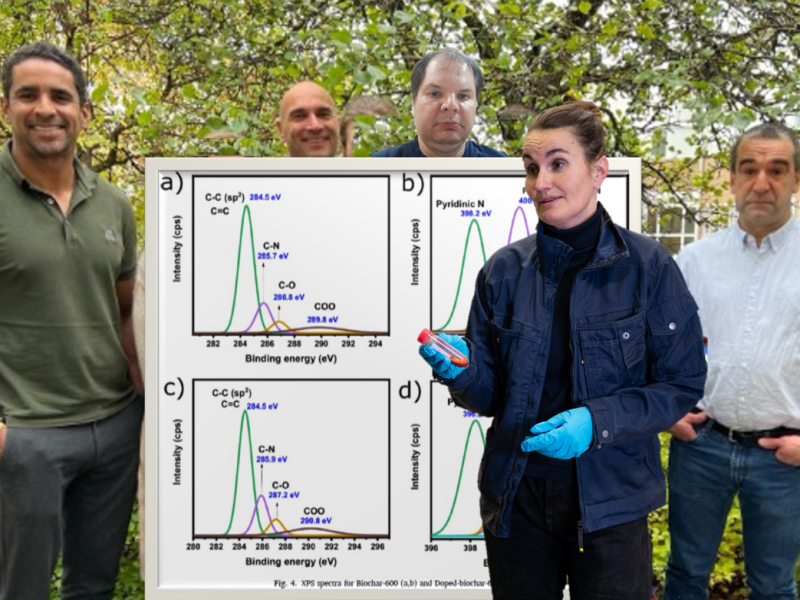
“We can always make mistakes in our publications but never acting intensionally. Regarding Prof. Eder works, I know him well and I don’t believe he has anything wrong” – Glaydson S. Dos Reis
Oh well. Prediger has more fake stuff on PubPeer. He and Figueiredo successfully corrected other papers with duplicated microscopy images and western blots: Figueiredo et al 2011, corrected in March 2023, because “representative images shown in panel 3A are indeed identical“, Piermartiri et al 2010, corrected in August 2021 because brain images in panel 3a and 5b got “inadvertently replicated when […] prepared for publication“, and this one:
Rodrigo Medeiros , Rui D S Prediger , Giselle F Passos , Pablo Pandolfo , Filipe S Duarte , Jeferson L Franco , Alcir L Dafre , Gabriella Di Giunta , Cláudia P Figueiredo , Reinaldo N Takahashi , Maria M Campos , João B Calixto Connecting TNF-alpha signaling pathways to iNOS expression in a mouse model of Alzheimer’s disease: relevance for the behavioral and synaptic deficits induced by amyloid beta protein The Journal of neuroscience (2007) doi: 10.1523/jneurosci.5047-06.2007
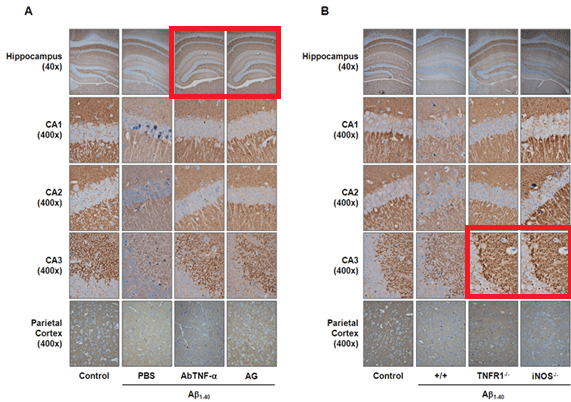
A correction was issued in December 2021:
“[…] panels were inadvertently duplicated in Figure 7, A and B, and Supplementary Figure 1. Two Western blot panels in Figure 7, A and B, that represent cytoplasmic p65 NF-κB levels “p65 (C)” were duplicated and have been removed. The cytoplasmic p65 NF-κB from Figure 7, C and D, were also removed for overall consistency. The study’s conclusions are not altered by these changes […]”
Actually the western blots in Fig 7A,B overlap only in small part:

Also in 2021, Figueiredo promised for another paper to “retrieve the original data to correct the figure, and we will contact the journal to fix the issue“, but then she and Prediger had better, more exciting things to do:
Cláudia P. Figueiredo, Victor L.S. Antunes , Eduardo L.G. Moreira , Nelson De Mello , Rodrigo Medeiros, Gabriella Di Giunta , Bruno Lobão-Soares , Marcelo Linhares , Katia Lin , Tânia L. Mazzuco, Rui D.S. Prediger, Roger Walz Glucose-dependent insulinotropic peptide receptor expression in the hippocampus and neocortex of mesial temporal lobe epilepsy patients and rats undergoing pilocarpine induced status epilepticus Peptides (2011) doi: 10.1016/j.peptides.2010.12.010
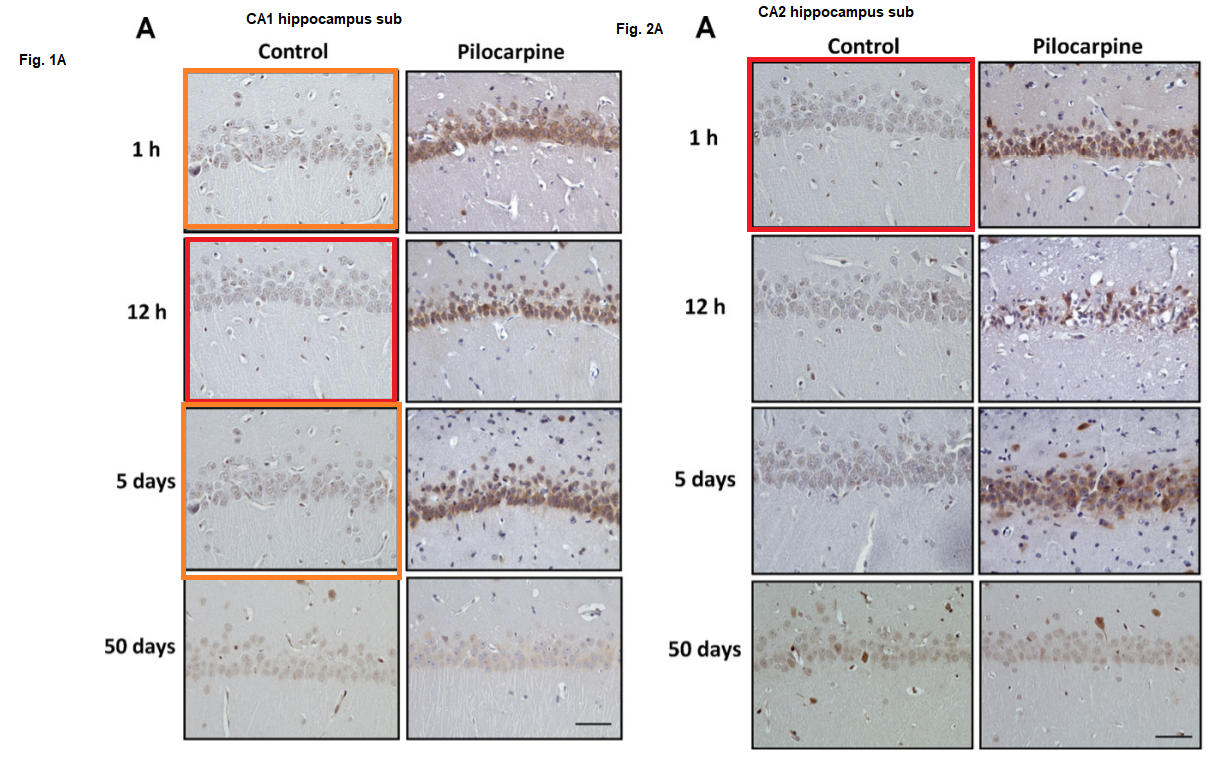

For this fake trash by Prediger but without Figueiredo, not even a PubPeer reply:
Tuane Bazanella Sampaio , Bruna Soares De Souza , Katiane Roversi , Tayná Schuh , Anicleto Poli , Reinaldo Naoto Takahashi , Rui Daniel Prediger Temporal development of behavioral impairments in rats following locus coeruleus lesion induced by 6-hydroxydopamine: Involvement of β-adrenergic receptors Neuropharmacology (2019) doi: 10.1016/j.neuropharm.2019.04.006


(yellow box).”
Finally, another fake gel by Prediger, also without Figueiredo:
Morgana Moretti, Vivian Binder Neis , Filipe Carvalho Matheus , Mauricio Peña Cunha, Priscila Batista Rosa , Camille Mertins Ribeiro , Ana Lúcia S. Rodrigues, Rui Daniel Prediger Effects of Agmatine on Depressive-Like Behavior Induced by Intracerebroventricular Administration of 1-Methyl-4-phenylpyridinium (MPP(+)) Neurotoxicity Research (2015) doi: 10.1007/s12640-015-9540-1
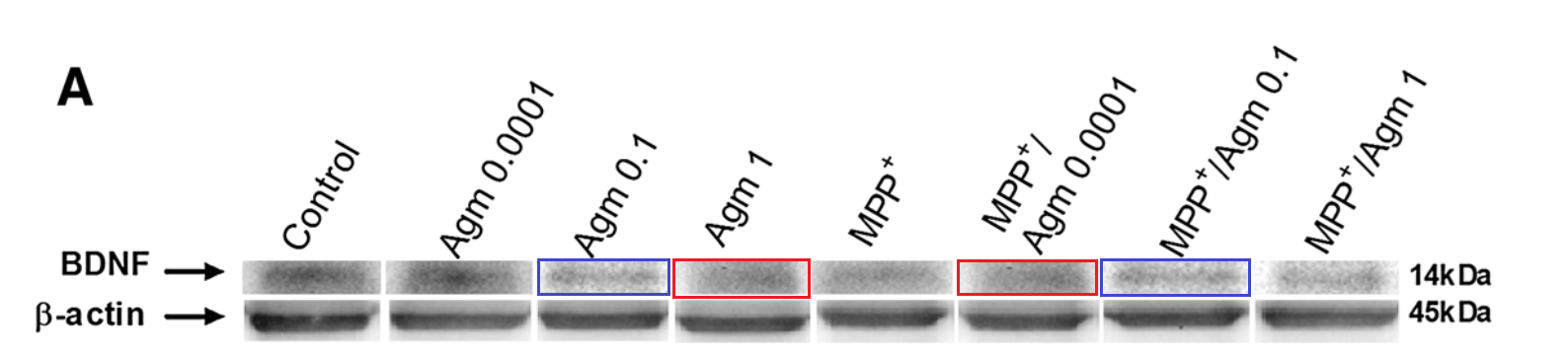
I have no faith in this Prediger.
A numerical reporting error
A clinical study from Turkey got retracted. The medical sleuth Ben Mol exposed it as fraudulent, having found out that this prospective data analysis of 281 patients at Yeditepe University Hospital in Istanbul somehow shared identical data with a different clinical study by same authors on 311 women:
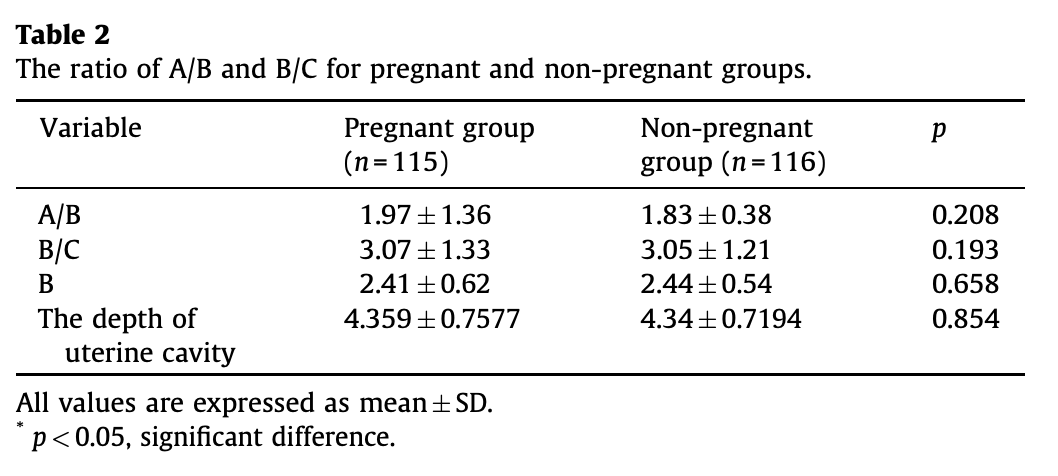
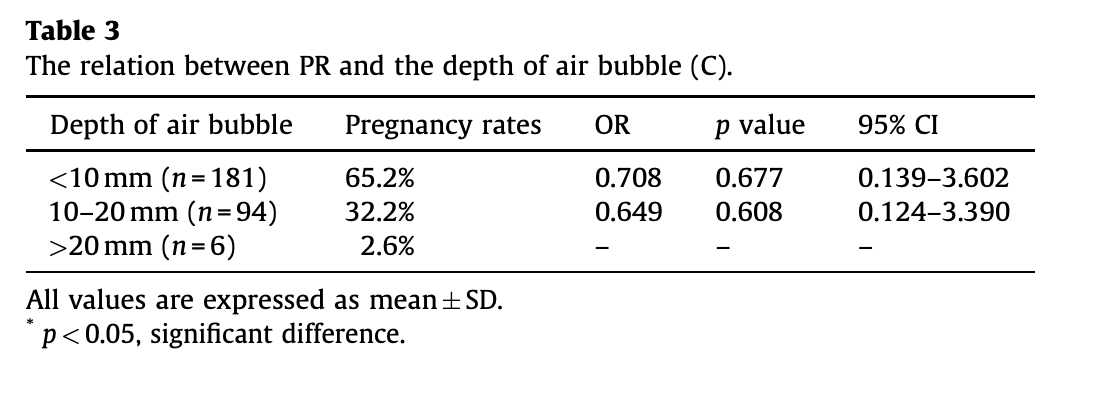
Pınar Ozcan Cenksoy, Cem Fıcıcıoglu, Mert Yesiladali, Oya Alagoz Akcin, Cigdem Kaspar The importance of the length of uterine cavity, the position of the tip of the inner catheter and the distance between the fundal endometrial surface and the air bubbles as determinants of the pregnancy rate in IVF cycles European Journal of Obstetrics & Gynecology and Reproductive Biology (2014) doi: 10.1016/j.ejogrb.2013.09.023
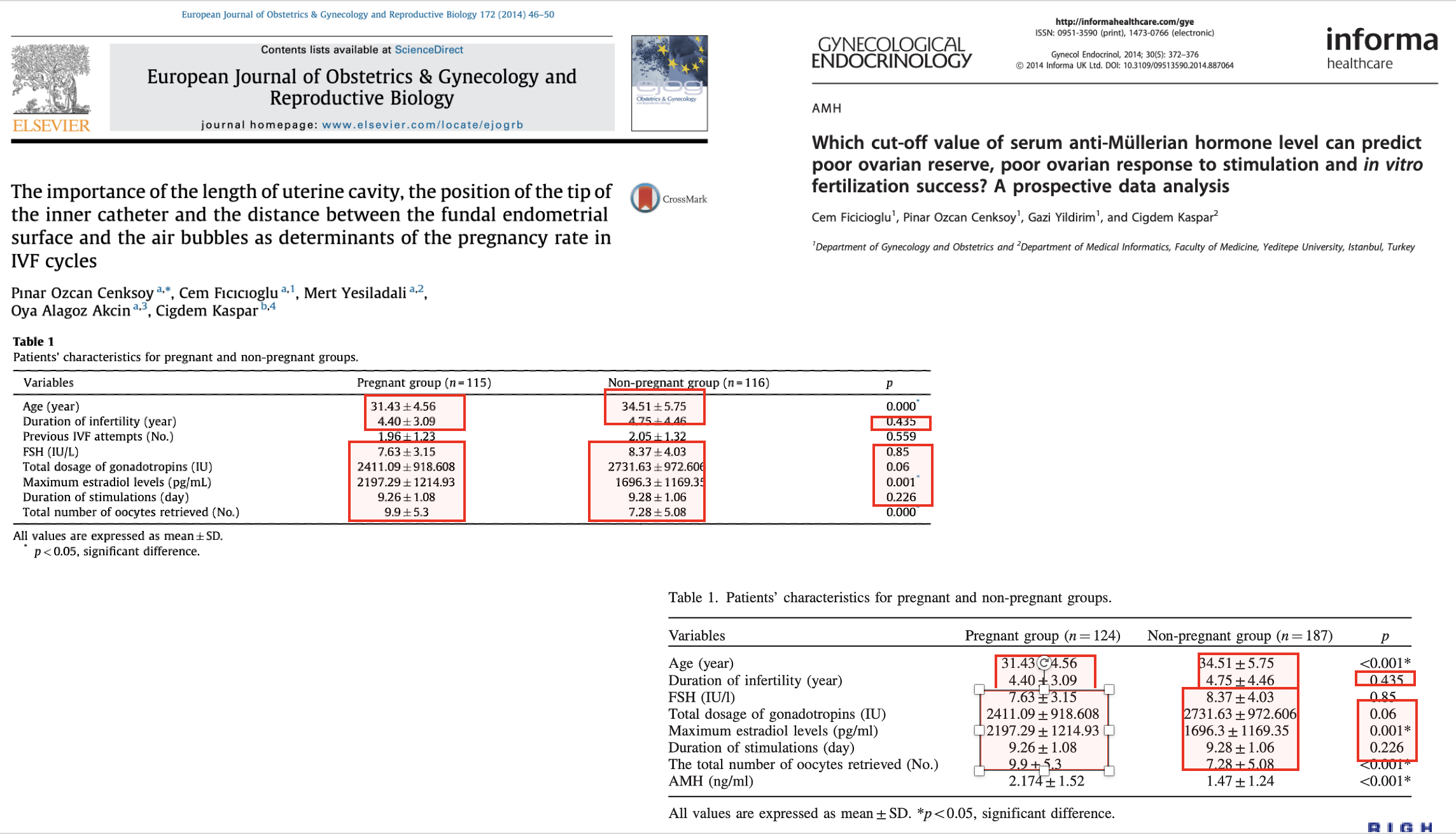
Cem Ficicioglu , Pinar Ozcan Cenksoy , Gazi Yildirim , Cigdem Kaspar Which cut-off value of serum anti-Müllerian hormone level can predict poor ovarian reserve, poor ovarian response to stimulation andin vitrofertilization success? A prospective data analysis Gynecological Endocrinology (2014) doi: 10.3109/09513590.2014.887064
The Ficicioglu et al 2014 paper in Taylor & Francis received so far only an editorial note: “This article is currently under investigation“. Elsevier issued a retraction for Cenksoy et al 2014 on 28 March 2026:
“Post-publication an investigation conducted by Elsevier’s Research Integrity & Publishing Ethics team on behalf of the journal identified significant similarities between a dataset in this article and a concurrent publication by four of the five authors, in the same time period in the same IVF unit (Ficicioglu et al 2014). An independent subject matter expert and the editor in chief assessed the articles and concluded that while the sample sizes and number of pregnancies (115 vs 124) differed, seven variables have exactly the same improbable means and SDs in both groups and the same P-values, constituting redundant publication. Additionally, the investigation noted discrepancies in the number of participants reported in the abstract, text and tables and a lack of assurance of patient consent. The authors were asked to comment upon all concerns but were unable to satisfactorily address the reason for the similarities. They stated the discrepancies were a result of a numerical reporting error. Consequently, the Editor has lost confidence in the results and conclusions of the article and has determined it should be retracted.”
Less funny is, as Mol noted on PubPeer, that this fraudulent clinical study is now cited in the September 2025 draft of the NICE gudelines by the UK National Institute for Health and Care Excellence.
Donate!
If you are interested to support my work, you can leave here a small tip of $5. Or several of small tips, just increase the amount as you like (2x=€10; 5x=€25). Your generous patronage of my journalism will be most appreciated!
€5.00

 For Better Science
See https://www.voxweb.nl/en/phd-defense-postponed-due-to-integrity-case-concerns-about-dataset-from-researcher-g for an update about the activities of Yannick Griep.
LikeLike