

Schneider Shorts of 31 January 2025 – Poland special with resignations and investigations due to hideous foreign attacks on Polish scientists, another investigation dropped in Germany, a cancer quackery business and its US collaborator, and finally, with retractions for big men in Italy, Canada and Brazil.
Table of Discontent
Science Elites
- Negligent, but not grossly negligent – DFG drops investigation of Charite researchers
- Falsified, pro-russian narrative as part of cognitive war – Gdansk Polytechnic denounces foreign attacks
- With my three children in mind – Grzegorz Krolczyk resigns as Vice-Rector of Opole Polytechnic, laments blackmail
- No competence to guard key grant agency in Poland – Krystian Marszałek caught on papermilling
Industry Giants
- Unethical and unsafe experiment on patients – ExThera, the pirates of the Caribbean
Retraction Watchdogging
- The suspect frequency with which this issue occurs – retractions in MDPI for Cuzzocrea and his brood
- Habit of making mock-ups – After Science, Daniel Durocher retracts a Nature paper
- Return to undergraduate classes and study more Physics– first retraction for Eder Lima
- No record of Marvin White – fictional character loses another paper
- Creepy crawly affectability – from ChatGPT comments from India to an Italian papermiller
Science Elites
Negligent, but not grossly negligent
Once again, the German Research Council judged that German professors are exempt from investigation. And that it invests public tax money for the sole entertainment of garbage publishers like MDPI, who apparently alone are entitled to decide what to do with fake papers. Not the DFG.
This time, a decision was made for co-authors of the Charité Berlin researcher Jürgen Eberle, about whom I wrote here:

Cancer at Charité
New season of the popular German TV series, ” Charité”, this time set in the early 21st century! Will Jürgen ever become professor? Will Bernd ever allow science to self-correct? Will Christoph ever catch his mechanical pursuer?

Eberle himself is not a professor, and neither is his Charité dermatology colleague Magda Babina, but their boss Margitta Worm is not only a full professor and director of the department of allergology and immunology, but also President of the German Society for Allergology and Clinical Immunology. A retraction for irrelevant people like Eberle or Babina would be a possible option, but certainly not for someone of Worm’s rank and status.
The first author Tarek Hazzan now made it to Senior Strategic Partner with Pfizer:
Tarek Hazzan, Jürgen Eberle, Margitta Worm, Magda Babina Thymic Stromal Lymphopoietin Interferes with the Apoptosis of Human Skin Mast Cells by a Dual Strategy Involving STAT5/Mcl-1 and JNK/Bcl-xL Cells (2019) doi: 10.3390/cells8080829


What do we have? A copy-pasted gel band (after flip and stretch), several copy-pasted flow cytometry plots where miraculously the quantifications numbers turned out different, and most impressively, PARTIALLY copy-pasted flow cytometry plots. The likely explanation for the latter in this particular case is that someone plotted the same sample file twice with different gates and settings, then presented those as totally different samples. In any case, rather impossible to have happened by a mistake of oversight.
The sleuth Claire Francis reported that case to the DFG. Here is the result, a letter from DFG Research Integrity Team from 27 January 2025:
“We ask you to continue to treat the allegations and especially the fact that the DFG is conducting an investigation as confidential.
The Research Integrity team conducted a preliminary review procedure to assess your allegations. Professor Worm and Dr Babina handed in comprehensive statements and provided additional materials to the publication. The procedure has now been discontinued due to a lack of at least gross negligence.
Professor Worm and Dr. Babina acknowledged the errors in the figures that you pointed out and thoroughly explained how the mix-ups occurred and why, as the last authors, they did not notice the mistakes during the final review of the manuscripts. Given the complexity of the publication processes in this particular case, as well as the number and breakdown of the figures included in the paper, we consider this negligent, but not grossly negligent.As a consequence of your allegations, the two researchers submitted a corrigendum to the journal which was published in mid-December 2024.”
Indeed, here is the Correction MDPI published on 19 December 2024, which obviously closed the case for DFG and Charité. It is rather long and addresses the Figures 3, 4 and 5, ending with:
“The authors state that the scientific conclusions are unaffected.”
In that correction, the authors even seem to openly admit either to have falsified FACS plots and western blots, or to have been totally drunk while preparing the figures from random bits and pieces. In any case, not a behaviour one would normally consider good scientific practice.
I contacted all four authors of that MDPI paper, the DFG and the Charite, and nobody replied.
But hey, who cares, it was nobody’s money and MDPI is happy. By the way, here another Charité case of absolute and total innocence:
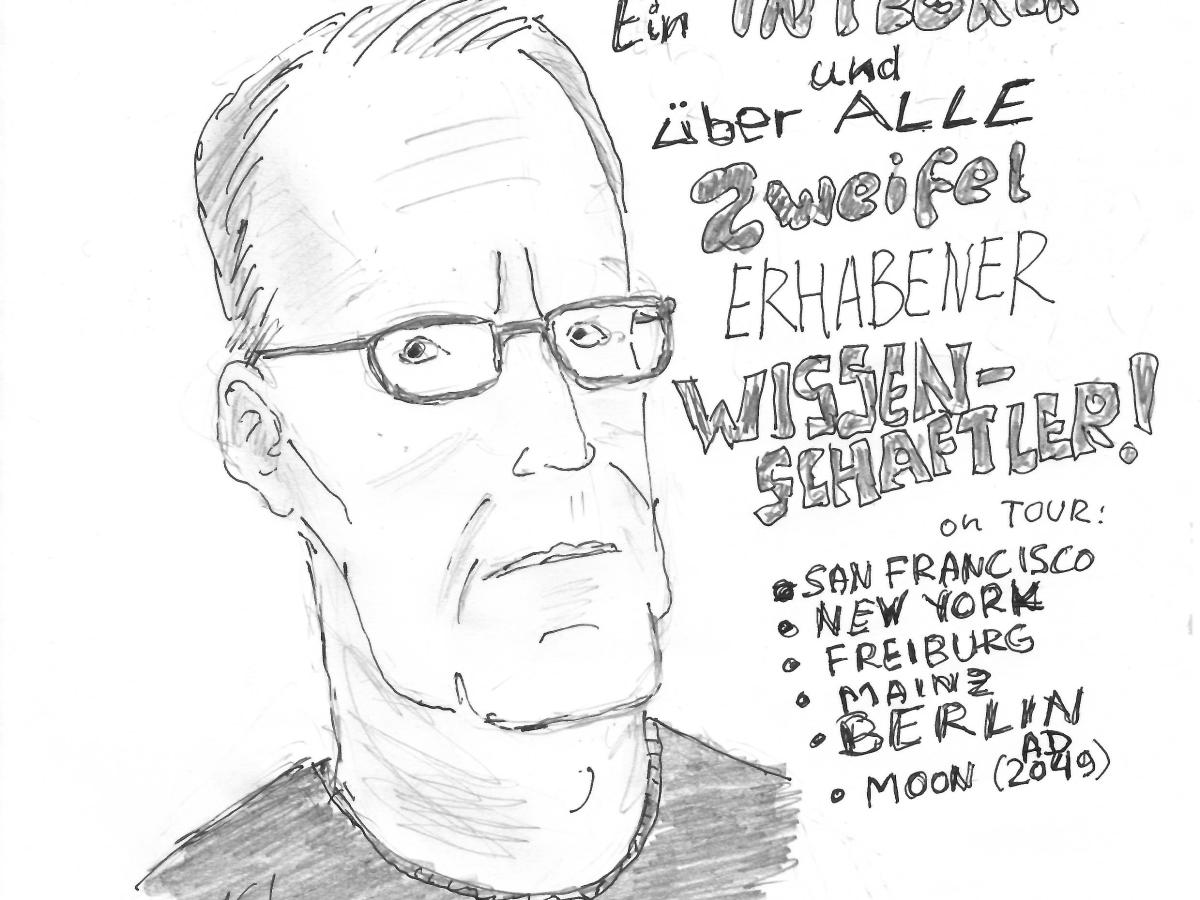
A scientist of integrity and beyond reproach
“The Investigative Committee notes that the infractions to normal scientific conduct surveyed in this report were blatant and repeated. Dr. [XY] should be dealt with in a manner consistent to the flagrant nature of the misconduct and data manipulation.” 2004 Berkeley report, illegal in Germany
Falsified, pro-russian narrative as part of cognitive war
In Poland, my reporting about Polish universities employing professional papermill fraudsters from Asia in order to rise in publication rankings and get even more public money, continues to cause chaos and hilarity. This is the article which brought things to explosion:
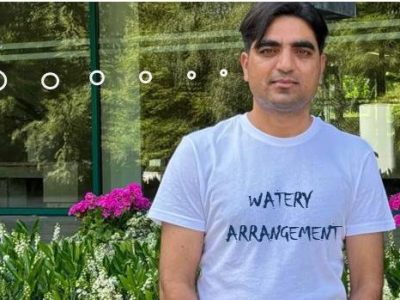
Nobelium Bilalski, a Gdansk papermiller
“To date, he has authored over 700 peer-reviewed articles, 150 book chapters, 25 edited books, and 10 editorial-type scientific articles in various areas of Science and Engineering. Dr. Bilal has a h-index of 94 with 34 000 citations (Google Scholar).”
The Gdansk University of Technology or Gdansk Polytechnic (PG), which until Polish news teams started calling used to happily employ this papermiller from Pakistan, Muhammad Bilal, decided to explain things (Google translated). It issued on 22 January 2025 a press release titled “Facts and Myths“, quote:
“One of the first media in Poland, which on January 4, 2025 described the topic of dr. Muhammada Bilal, was the internet portal “Kresy.pl”, giving the article the title: ” Gdańsk University of Technology pays 400,000. PLN annually to a researcher from Pakistan suspected of scientific fraud . “
This article was intensively exposed and transmitted on the Internet.
The portal “Kresy.pl” on January 10, 2025 was indicated on the list of internet portals in the report of the Team for the misinformation of the Commission for Research on Russian and Belarusian influence as those that, according to the team, are falsified, pro -Russian narrative as part of the cognitive war.
The team’s report is available on the website of the Ministry of Justice and he says, among others, that “not only has not been taken (before – PG note) to effectively counteract the attempts to hostile Polish elites, but also threats in the area of science and higher education were also ignored.””
What Gdansk Polytechnic (PO) wishes to say is that not just kresy.pl are russian secret service agents, but also the original source, namely Leonid Schneider. See next story.
Yet there will be consequences for Gdansk Polytechnic and Muhammad Bilal‘s past employer Poznan Polytechnic, they will have to pay grant money back to the National Science Center, as the newspaper Dziennik Gazeta Prawna reported on 14 January 2024. In this regard, Poznan Polytechnic’s rector and coauthor on around 30 of Bilal’s papermill fabrications, Teofil Jesionowski, issued this statement on 28 January 2025:
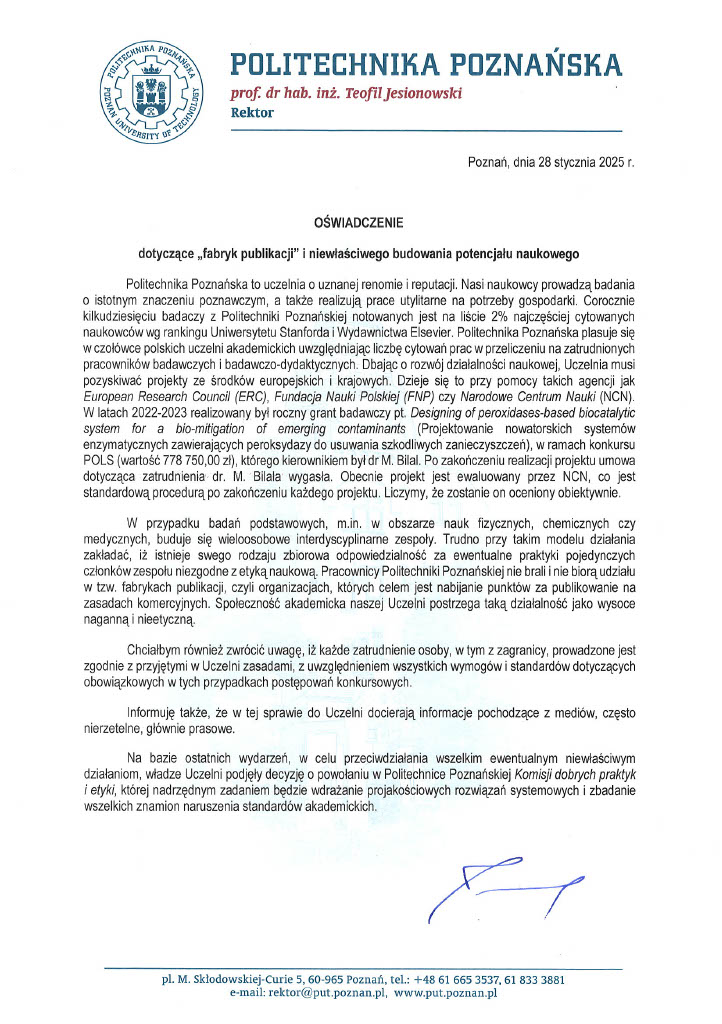
Quotes:
” In the years 2022-2023, an annual research grant was implemented […] within the POLS competition (value PLN 778,750.00, headed by Dr. M. Bilal. After the completion of the project, the employment contract for Dr. M. Bilal expired. The project is currently being evaluated by NCN [National Science Center, -LS] , which is a standard procedure after the completion of each project. We hope that it will be assessed objectively. […]
Employees of the Poznań University of Technology do not participate in the so-called publication factories, i.e. organizations whose goal is to earn points for publishing on commercial principles. […]
I would also like to inform you that in this matter the University receives information from the media, often unreliable, mainly press”
Worth mentioning that for example Farhan et al 2023 by Jesionowski and Bilal contains tortured phrases like “imperative ecological scratch“, “mercury infectivity“, “non-living mercury“, “distort poisonous mercury species into fewer venomous ones” and “world’s chief problems corresponding to transferable water“.
With my three children in mind
That I am indeed an agent of the russian GRU was already publicly established as truth elsewhere in Poland, by the Opole Polytechnic and its rector Martin Lorenc, who sought to defend his papermilling colleague and vice-rector, Grzegorz Krolczyk. The irony being that Krolczyk closely collaborates not just with papermiller fraudsters from China and India but also with a real agent of russian regime, Danil Pimenov, who is an ardent fan of putin and of Chechnya’s butcher kadyrov. Read August 2024 Shorts for the details.
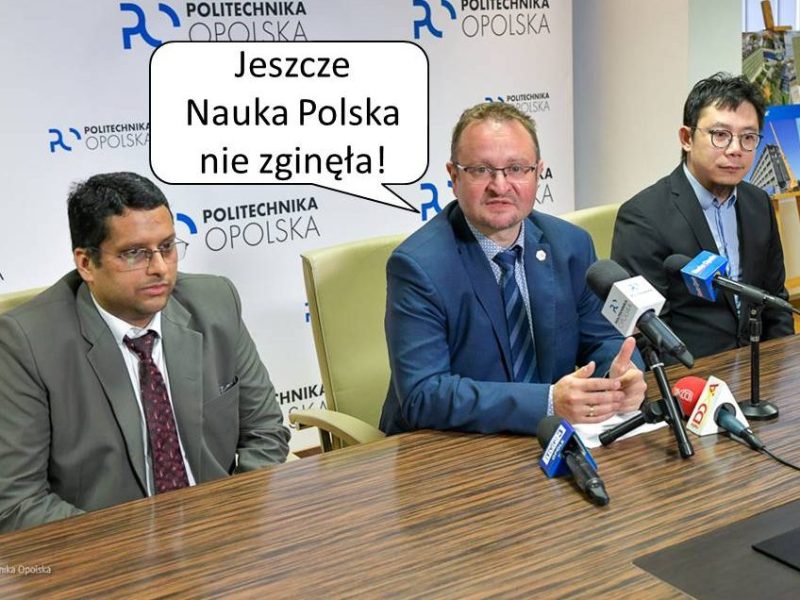
Polish science eaten by Papermill Krolczyk
“Prof. Grzegorz Królczyk, Vice-Rector for Science and Development of the Opole University of Technology, was elected President of the Council for Innovation in Higher Education and Science.”
In this regard, the local newspaper Opolska, which previously picked up the Krolczyk affair of papermill-related retractions, informed on 29 January 2025:
“In response to our articles, the rector of PO Marcin Lorenc , instead of reliably explaining the allegations, […] dragged us to a court trial, previously trying to force a so-called judicial censorship. PO demanded to remove critical articles from the portal Opolska360.pl and from the electronic editions of the weekly “O!Polska”.
Our publication echoed loudly in the community. Several scientists from Poland and Germany also decided to support us and criticize the described phenomenon. These were prof. Hubert Wojtasek; Marek Wroński, prof. Arkadiusz Nowak, a botanist from the Polish Academy of Sciences and prof. Lothar Kroll from the Technical University of Chemnitz, leader of innovation among German professors of technical sciences.
Rector Marcin Lorenc, in response to Professor Kroll’s attitude, sent striking denunciations to the authorities of Chemnitz University of Technology and the Fraunhofer Institute.”
Huber Wojtasek informed the funder National Academic Exchange Agency about the 3 retracted papers by Krolczyk and the two papermillers the Vice-Rector installed in Opole Polytechnic, Munish K Gupta and Zhixiong Li, and was told this:
“In response, Dr. Sophia Sawicka, acting director of NAWA, said that “it remains an open question whether the retraction of one article projects unequivocally the integrity of the scientist and the value of the entire body of work.””
On 29 January 2025, Krolczyk resigned as Vice-Rector of Opole Polytechnic. This was reported by Forum Academickie and by Opolska. I was provided by a journalist with Krolczyk’s resignation letter to his university colleagues:
Ladies and Gentlemen,
Over the past few months, you have witnessed unprecedented attacks on me, members of my research team and the entire community of the Opole University of Technology. I have been accused of participating in the so-called publication factories (papermills) […]
Such a situation has never occurred in my professional work. Unfortunately, I have been presented as a highly unethical person, although I have not been provided with any evidence of this. The case was invented and publicized by people associated with the blog “For Better Science” with undefined funding, whose goal is to attack scientists who hold important positions at their universities. Then, this false information, unsupported by any evidence, was repeated by the weekly “Opolska” dozens of times. The aim of the attack was not only to destroy my good name and scientific achievements, but also the prestige and reputation of the Opole University of Technology.[…]
It is also worth noting that the content posted on the blog “For Better Science” is not based on facts, is not verified in any way by Polish journalists. The blog’s unreliability has already been examined by an Italian court, which has blocked the website in Italy. The prosecutor’s office in Gliwice is also conducting proceedings in the blog’s case. I myself received a message with blackmail that if I deposit 500,000 euros into a bitcoin account and provide the password, all attacks on me will be stopped, and that this group will also reveal and destroy the scientific and social reputation of anyone I point to.
[…]
Ladies and Gentlemen, in light of the described events characterized by hate speech, […] with my three children in mind, I have decided to resign from the position of Vice-Rector for Science and Development. I will fight for my good name in court: I have filed a lawsuit against the journalists of “Opolska”.
I would like to thank you all very much for over 5 years of hard but also fruitful work. Work in which I had the opportunity to improve my competences and in which I learned a lot. I am leaving the university in very good scientific condition, I am very proud of all the promotions of the University of Technology employees that I have witnessed, and I wish my successor success and leading the university to a place that I have not managed to reach.
With respect
Grzegorz Królczyk”
The papermilling den of Gliwice
“As you will see, there is a lot of papermilling happening in Gliwice, as if this place has suddenly become attractive to many “researchers” from different corners of the papermilling spectrum. ” – Alexander Magazinov

For clarification: For Better Science is indeed blocked in Italy, read September 2024 Shorts. In Gliwice, there are however very unlikely to be any criminal proceedings against me, but yes, Krolczyk befriended yet another papermiller there, the rather unhinged Samrand Saiedi (read June 2024 Shorts), whose suffering from my reporting Krolczyk previously lamented in his previous resignation as Chair of governmental science committee (read August 2024 Shorts).
And can anyone ask Krolczyk to prove that he was extorted for €500k, before he hops off?
Anyway, Krolczyk resigned just one day before he was likely about to be sacked. The Conference of Rectors of Polish Academic Schools (KRASP) had a meeting on the topic of papermills on 30 Janaury 2025, which was announced on 27 January 2025:
“We observe the development of the so -called Paper Mills – organized systems enabling manipulation of scientific data and mass production of unreliable publications. The conference of rectors of the Academic Polish Schools strongly condemns all practices violating the integrity of scientific research and undermining trust in science. […]
We appeal to the universities that the committees operating in these units, academic spokesmen, […] implement specific actions stigmatizing the said unethical practices.
We appeal to the Minister of Science and Higher Education for urgent development and introduction of new evaluation principles, hoping that new entries, if they do not exclude, at least limit unethical practices in the assessment of scientific disciplines. Already on the occasion of the previous evaluation, we repeatedly signaled that the existing principles incite pathological activities.”
Wait, did Krolczyk’s supporter and the rector of Opole Polytechnic, Marcin Lorenc, sign that also?
Anyone can start a papermill!
“There are no capital requirements or significant technological barriers, anyone can create papers by rewriting already published works, either themselves or with the assistance of ChatGPT or other software. With a Telegram channel or WhatsApp group the papermiller can easily organise the sale of authorship” – Nick Wise

No competence to guard key grant agency in Poland
Elsewhere, Forum Academickie reported on 15 January 2024 that a member of National Science Center (NCN), Krystian Marszałek, professor at the Dąbrowski Institute of Biotechnology of Agricultural and Food Industry, was under investigation for papermilling by the Ethical Council Commission:
“In the context in question, Prof. Marszalek is associated with the extremely active publication of Mousavi Khaneghah. Suffice to say is that as postdoc the Iranian published a significant number of about one hundred articles per year. Twelve they have together, but it is not this double-digit number which raises doubts. “If a member of the NCN Council was unable to recognize a cheater in his surroundings, he compromises himself as a member of the NCN Council and it means that he has no competence to guard the quality of the key grant agency in Poland” – this is just one of the comments that we received.”
Marszalek, who employed Amin Mousavi Khaneghah as postdoc since 2022, defended himself with:
“…these works were published in good and very good peer-reviewed scientific journals in my field in renowned publications, mainly: Taylor & Francis, Springer and Elsevier.”
Khaneghah previously worked at University of Campinas (UNICAMP) in Brazil. Here is what must have endeared him to Marszalek:


“Fig. 4. Identical noise in XRD pattern of MWCNT-Fe3O4/Ag (b). “
Hubert Wojtasek studied a paper by Khaneghah and Marszalek:
Elham Ansarifar, Sara Hedayati , Tayebeh Zeinali , Ayub Ebadi Fathabad , Asghar Zarban , Krystian Marszałek , Amin Mousavi Khaneghah Encapsulation of Jujube Extract in Electrospun Nanofiber: Release Profile, Functional Effectiveness, and Application for Active Packaging Food and Bioprocess Technology (2022) doi: 10.1007/s11947-022-02860-x


Yet Marszalek’s secret to publication success is not just Khaneghah, the investigators also need to look into his collaboration with José Manuel Lorenzo of University of Vigo in Spain. Lorenzo is a shameless papermiller on Saudi payroll, so bad that the national newspaper El Pais even reported this in English, in June 2023.
Marszalek published many papers with Lorenzo, and even more with Lorenzo’s associate at the University of Valencia, Francisco Barba, who isn’t kosher either. It is quite possible that Barba introduced Marszalek to Khaneghah.
Industry Giants
Unethical and unsafe experiment on patients
New York Times brought on 23 January 2024 an investigative report by John Carreyrou about the California start-up ExThera Medical and the private equity firm Quadrant Management owned by the billionaire Alan Quasha, who sell in a Caribbean clinic unproven cancer cures to desperate cancer patients, including those from USA. The therapy is a blood wash using a filter with heparin-coated beads and it costs $45k per session.
“ExThera, which has about 50 employees, makes a single product: a filter that it says can be used to remove the tumor cells that circulate in patients’ blood and enable cancer to metastasize. Early last year, the company sold thousands of the devices to Mr. Quasha’s private equity firm, Quadrant Management, which began using them on late-stage cancer patients at a small clinic in Antigua. […]
ExThera and Quadrant promoted the blood filtering […] by citing a Croatian study of patients with metastatic cancer that they said had yielded extraordinary results, according to phone recordings obtained by The New York Times.”
This is the uncontrolled clinical study with 10 participants subjected to Seraph100® Filter blood wash, it was published in November 2024 and authored by the ExThera’s chief regulatory officer Sanja Ilic:
Sanja Ilic and Vedran Premuzic, First-In-Human Rapid Removal of Circulating Tumor Cells in Solid Metastatic Neoplasia by Microbind Affinity Blood Filter Blood Purif (2024) doi: 10.1159/000542325
The company was given FDA permission to conduct clinical trials with Seraph in USA, but instead of wasting money on that, ExThera and Quadrant rather make oodles of money selling their Seraph blood wash treatment to international patients on an island where no rules or regulations exists. One Seraph filter costs $1k, while its use it charged with $45k. This is peculiar:
” Jonathan Chow, ExThera’s director of medical affairs, warned the company’s top executives in a letter that the Antigua operation amounted to an unethical and unsafe experiment on patients and urged them to shut it down, according to three people familiar with the matter. During a brief visit to the island, Dr. Chow had witnessed patients bleeding from catheter wounds and screaming in pain. ExThera didn’t act on his pleas.”
Also: “Of the more than 20 patients treated in Antigua, The Times has identified at least six who have died since their treatments.”
The Seraph 100 Microbind Affinity blood filter was approved by EU’s EMA in 2019 for severe bloodstream infections, after COVID-19 pandemic started, the German pharma giant Fresenius Medical Care started to market the ExThera device in the EU. In 2020, In 2020, also US FDA approved Seraph filter an emergency basis against respiratory failure. While it seems to work against pathogen infections, there is almost no proof it can filter out metastasised cancer cells from blood. Only this lab study with the blood of cancer patients, which was published in June 2024 and claimed to have “demonstrated a statistically significant decrease in” circulating tumor cells (CTCs):
Stephanie N. Shishido, Divya Suresh, George Courcoubetis, Brandon Ye, Emmeline Lin, Jeremy Mason, Ken Park, Michael Lewis, Ruoxiang Wang, Simon K. Lo, Peter Kuhn & Stephen Pandol Determining the efficacy of ExThera Seraph100 blood filtration in patients diagnosed with pancreatic cancer through the liquid biopsy. BJC Rep (2024). doi: 10.1038/s44276-024-00069-3
In this regard, it worth addressing the PubPeer record of the lead author Stephen Pandol, director of basic and translational pancreatic research of Cedars Sinai Medical Center, where the above clinical study was performed.
Aurelia Lugea , David Tischler , Janie Nguyen , Jun Gong , Ilya Gukovsky , Samuel W. French , Fred S. Gorelick , Stephen J. Pandol Adaptive Unfolded Protein Response Attenuates Alcohol-Induced Pancreatic Damage Gastroenterology (2011) doi: 10.1053/j.gastro.2010.11.038

Actinopolyspora biskrensis: “Two images in Supplemental Figure 6A seem to overlap, but are described differently.”
Or this, flagged already in 2020:
Eva Vaquero , Ilya Gukovsky , Vjekoslav Zaninovic , Anna S. Gukovskaya , Stephen J. Pandol Localized pancreatic NF-kappaB activation and inflammatory response in taurocholate-induced pancreatitis AJP Gastrointestinal and Liver Physiology (2001) doi: 10.1152/ajpgi.2001.280.6.g1197
Fig 3A

And another one, also flagged by Clare Francis:
Laura I. Cosen-Binker , Patrick P.L. Lam , Marcelo G. Binker , Joseph Reeve , Stephen Pandol, Herbert Y. Gaisano Alcohol/cholecystokinin-evoked pancreatic acinar basolateral exocytosis is mediated by protein kinase C alpha phosphorylation of Munc18c Journal of Biological Chemistry (2007) doi: 10.1074/jbc.m611132200


Another one by Pandol, in collaboration with Enrique Rozengurt of UCLA, who has his own worrysome PubPeer record:
Jingzhen Yuan , Aurelia Lugea , Ling Zheng , Ilya Gukovsky , Mouad Edderkaoui, Enrique Rozengurt, Stephen J. Pandol Protein kinase D1 mediates NF-kappaB activation induced by cholecystokinin and cholinergic signaling in pancreatic acinar cells AJP Gastrointestinal and Liver Physiology (2008) doi: 10.1152/ajpgi.90452.2008


More of this kind, the rest on PubPeer is similar:


Rather shameless, and then corrected:
Izumi Ohno , Guido Eibl , Irina Odinokova , Mouad Edderkaoui, Robert D. Damoiseaux , Moussa Yazbec , Ravinder Abrol , William A. Goddard , Osamu Yokosuka , Stephen J. Pandol, Anna S. Gukovskaya Rottlerin stimulates apoptosis in pancreatic cancer cells through interactions with proteins of the Bcl-2 family AJP Gastrointestinal and Liver Physiology (2010) – doi: 10.1152/ajpgi.00257.2009

The Correction from December 2021 was approved by the American Physiological Society journal:
“In the original article, there was an error in Fig. 5A. […] The Bcl-2 bands from the rottlerin experiment (third column of immunoblots) were mistakenly duplicated as the control for the BH3I-2′ experiment (the last column). [….] The authors apologize for this error, which does not in any way change the conclusions of the study.”
The next one was also already corrected in 2013, because “The data for the MIA PaCa-2 and PANC-1 cells lines in Fig. 1A were published previously in Fig. 5A of” Vaquero et al 2004 and because “In Fig. 5F, we did not indicate that the lanes in the immunoblot image were from the same gel but were not contiguous.” New correction is needed!
Mouad Edderkaoui, Claudia Nitsche , Ling Zheng , Stephen J. Pandol, Ilya Gukovsky , Anna S. Gukovskaya NADPH oxidase activation in pancreatic cancer cells is mediated through Akt-dependent up-regulation of p22phox Journal of Biological Chemistry (2011) doi: 10.1074/jbc.m110.200063


On 29 January 2025, Pandol’s coauthor and UCLA professor Anna Gukovskaya saw the need to clarify this correction on PubPeer:
“As I detailed in my communications with JBC in 2013, there was an official Inquiry conducted in December 2012 jointly by UCLA and VA West Los Angeles regarding allegations about several immunoblots in our JBC 2011 paper. As a result of a careful analysis of the original gel images (particularly pixel expansion and artefactual differences in the background caused by copying/pasting the images between different computers), the commission concluded that most of the allegations were unfounded and that the only errors in our JBC 2011 paper necessitating a correction were those in Fig. 5A and 5F, corrected in the Corrigendum PMC3868740 (as reproduced under comment #3). As stated in the Corrigendum, these errors did not affect the validity of the results or conclusions of the original paper.”
As you may have noticed, Gukovskaya and her husband Ilya Gukovsky are on several problematic papers with Pandol.
In any case, Pandol was exactly the right collaboration partner for ExThera. No wonder he proved the filter works for cancer.
Retraction Watchdogging
The suspect frequency with which this issue occurs
Three more retractions for the fallen ex-rector of University of Messina in Italy, Salvatore Cuzzocrea.
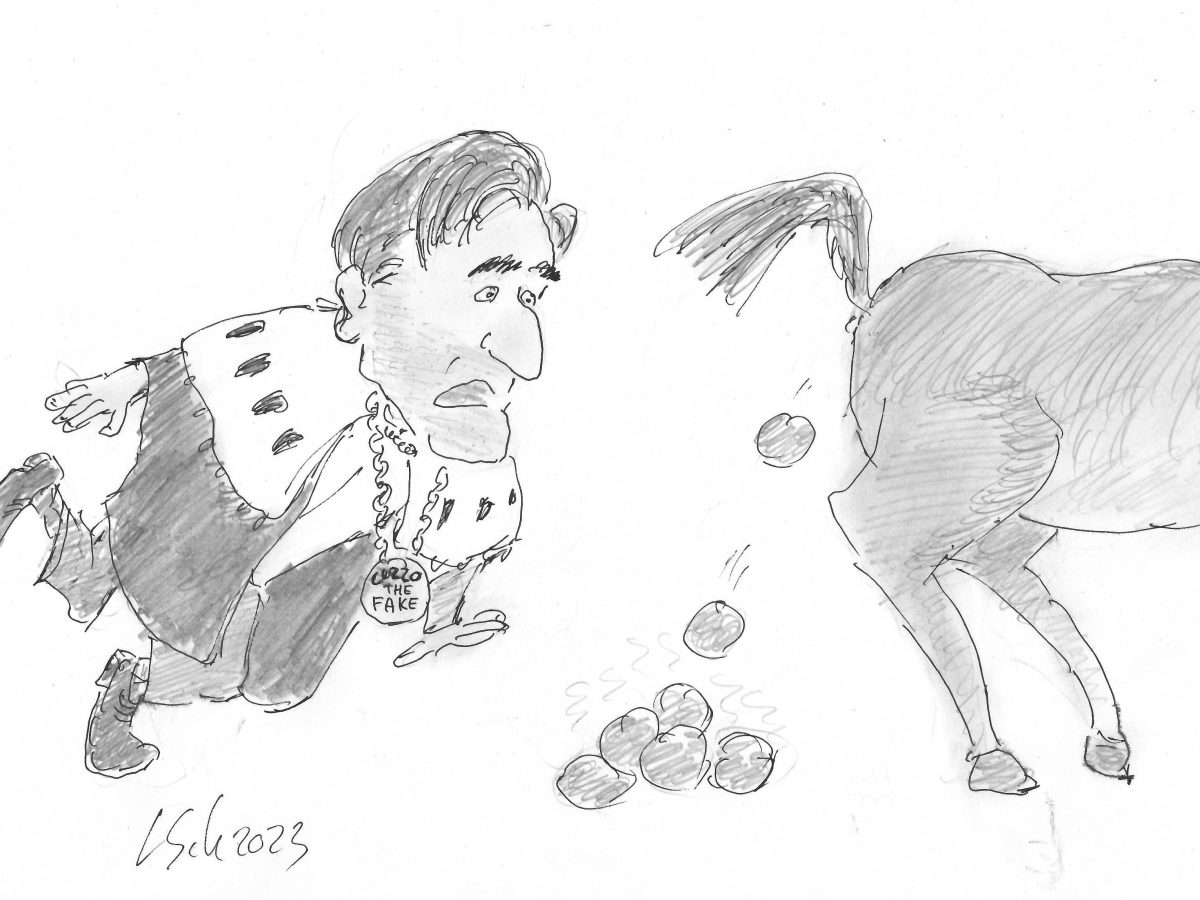
Cuzzocrea’s Magnificent Fall
“These unscrupulous charlatans in Messina should be fired on the spot tomorrow morning, forced to return twenty years of undeserved wages and sent to work the land” – Aneurus Inconstans

MDPI decided to retract Cuzzo’s papers despite the fact that the image duplications would be easily correctable, i..e, if only the Italian authorities or the University of Messina asked for it.
I mean look at this. Two duplicated pictures. Of a fish.
Davide Di Paola, Jessica Maria Abbate, Carmelo Iaria, Marika Cordaro, Rosalia Crupi, Rosalba Siracusa, Ramona D’Amico, Roberta Fusco, Daniela Impellizzeri, Salvatore Cuzzocrea, Nunziacarla Spanò , Enrico Gugliandolo, Alessio Filippo Peritore Environmental Risk Assessment of Dexamethasone Sodium Phosphate and Tocilizumab Mixture in Zebrafish Early Life Stage (Danio rerio) Toxics (2022) doi: 10.3390/toxics10060279

Figure 1 and Figure 3: images of 96h DEX 1 and 96h TCZ are identical (blue boxes).”
The retraction from 24 January 2024 went:
“Following publication, concerns were brought to the attention of the Editorial Office regarding the duplication of images contained within this publication [1].
Adhering to our complaints procedure, an investigation was conducted by the Editorial Office and the Editorial Board that confirmed the duplication of a number of panels contained within Figures 1 and 3 presenting different experimental conditions. Following discussions with the authors, the Editorial Board were unable accept the explanation provided or verify the validity of the above-mentioned images. Consequently, the Editorial Board has lost confidence in the reliability of the findings and decided to retract this publication [1], as per MDPI’s retraction policy (https://www.mdpi.com/ethics#_bookmark30).
This retraction was approved by the Editor-in Chief of the journal Toxics.
The authors did not agree to this retraction.”
The other retractions are again about fish, and again the last author is Cuzzocrea’s colleague in Messina, Alessio Filippo Peritore. Now, here is the clue as to why MDPI retracts his works. Peritore may think he became one of the sharks in the Italian academic pond, but in reality he is a little fish and expendable. Especially when a scapefish is needed by a mega-shark like Cuzzocrea. Peritore just recently graduated with PhD in 2021 under guess whom.

In 2021, Cuzzocrea installed Peritore as group leader in Messina. Now this young man will take the blame for EVERYTHING, certainly for all his 22 papers on PubPeer, all with Cuzzo. More retractions, with Messina professor Nunziacarla Spanò (8 papers on PubPeer) and another one of Cuzzo’s former PhD students, now installed as his group leader in Messina, Enrico Gugliandolo:
Davide Di Paola, Fabiano Capparucci, Sabrina Natale, Rosalia Crupi, Salvatore Cuzzocrea, Nunziacarla Spanò, Enrico Gugliandolo, Alessio Filippo Peritore Combined Effects of Potassium Perchlorate and a Neonicotinoid on Zebrafish Larvae (Danio rerio) Toxics (2022) doi: 10.3390/toxics10050203


The retraction from 22 January 2024 went:
“Following publication, concerns were brought to the attention of the Editorial Office regarding
Adhering to our standard procedure, an investigation was conducted by the Editorial Office and the Editorial Board that confirmed duplications within Figure 1, showing different experimental conditions. While the authors collaborated during the investigation, they were unable to satisfactorily explain the image duplication or provide satisfactory raw material for Editorial Board evaluation. “
Again, the authors didn’t agree to the retraction. More retracted papers in MDPI for Peritore, Gugliandolo and their boss, here one with Spano and University of Catanzaro “Magna Graecia” professor, Domenico Britti (19 papers on PubPeer):
Davide Di Paola, Carmelo Iaria, Fabio Marino, Enrico Gugliandolo, Cristian Piras, Rosalia Crupi, Salvatore Cuzzocrea, Nunziacarla Spanò , Domenico Britti , Alessio Filippo Peritore Environmental Impact of Pharmaceutical Pollutants: Synergistic Toxicity of Ivermectin and Cypermethrin Toxics (2022) doi: 10.3390/toxics10070388

The retraction from 22 January 2025 also wasn’t approved by the authors, and addressed image reuse from these papers, which MDPI retracted before:
- Davide Di Paola, Fabiano Capparucci, Giovanni Lanteri , Marika Cordaro, Rosalia Crupi , Rosalba Siracusa, Ramona D’Amico, Roberta Fusco, Daniela Impellizzeri , Salvatore Cuzzocrea , Nunziacarla Spanò, Enrico Gugliandolo, Alessio Filippo Peritore Combined Toxicity of Xenobiotics Bisphenol A and Heavy Metals on Zebrafish Embryos (Danio rerio) Toxics (2021) doi: 10.3390/toxics9120344
- Davide Di Paola, Sabrina Natale, Enrico Gugliandolo, Marika Cordaro, Rosalia Crupi, Rosalba Siracusa, Ramona D’Amico, Roberta Fusco, Daniela Impellizzeri, Salvatore Cuzzocrea, Nunziacarla Spanò, Fabio Marino, Alessio Filippo Peritore Assessment of 2-Pentadecyl-2-oxazoline Role on Lipopolysaccharide-Induced Inflammation on Early Stage Development of Zebrafish (Danio rerio) Life (2022) doi: 10.3390/life12010128


The first paper was retracted on 30 December 2024, the second one was retracted already on 5 September 2024, “due to the severe issue in Figure 1A and the suspect frequency with which this issue occurs among the different publications of the group“. Again, the authors didn’t agree.
Worth noting that Daniela Impellizzeri is yet another former PhD student of Cuzzocrea’s and now associate professor in Messina.
The above referenced MDPI paper wasn’t retracted yet, but it will possibly soon be.
Davide Di Paola, Carmelo Iaria, Fabiano Capparucci, Marika Cordaro, Rosalia Crupi , Rosalba Siracusa , Ramona D’Amico, Roberta Fusco, Daniela Impellizzeri, Salvatore Cuzzocrea , Nunziacarla Spanò, Enrico Gugliandolo, Alessio Filippo Peritore Aflatoxin B1 Toxicity in Zebrafish Larva (Danio rerio): Protective Role of Hericium erinaceus Toxins (2021) doi: 10.3390/toxins13100710

Aneurus inconstans: “Figure 1: two images are identical (red boxes), but are supposed to be representative for animals treated differently (yellow boxes).”
Or maybe it will be just corrected as this one?
Davide Di Paola, Fabiano Capparucci, Jessica Maria Abbate, Marika Cordaro, Rosalia Crupi , Rosalba Siracusa, Ramona D’Amico, Roberta Fusco, Tiziana Genovese, Daniela Impellizzeri, Salvatore Cuzzocrea, Nunziacarla Spanò, Enrico Gugliandolo, Alessio Filippo Peritore Environmental Risk Assessment of Oxaliplatin Exposure on Early Life Stages of Zebrafish (Danio rerio) Toxics (2022) doi: 10.3390/toxics10020081

Aneurus inconstans: “Figure 3: three sets of heart and liver images overlap (boxes of same color).”
Now, that one was not retracted, but corrected on 31 December 2024:
“In the original published publication [1], there was a mistake in Figure 3. Given the animal’s small size and anatomy, the magnified images of the heart and liver appeared in multiple boxes. The authors have indicated only the organ in question for each box, providing a clearer view of the selected organ. […] The authors state that the scientific conclusions are unaffected.”
Is MDPI receiving different orders from different sources?
In any case, fish researchers like Peritore (and Gugliandolo) should know how it works with big fishes eating small fishes. Goodbye, little Ale.
Habit of making mock-ups
After his Science paper, the Canadian researcher Daniel Durocher, professor at the Lunenfeld-Tanenbaum Research Institute of the University of Toronto, retracts his Nature paper. Read the background in November 2024 Shorts, the first author on both papers is Alexandre Orthwein, currently but probably not for much longer assistant professor at Emory University School of Medicine in USA.
On 9 January 2024, Retraction Watch covered the retraction of Orthwein et al 2014 in Science, the publisher was quoted with “the authors have decided to retract the paper now, which we commend them for and agree with“.
Now the Nature paper:
Alexandre Orthwein, Sylvie M Noordermeer, Marcus D Wilson, Sébastien Landry , Radoslav I Enchev, Alana Sherker , Meagan Munro , Jordan Pinder , Jayme Salsman , Graham Dellaire , Bing Xia, Matthias Peter, Daniel Durocher A mechanism for the suppression of homologous recombination in G1 cells Nature (2015) doi: 10.1038/nature16142

I’ve highlighted the cell in the red rectangle which is clearly the same cell, imaged with different intensity, but I’m struggling to understand why the adjacent cell is not the same (pink rectangles). [….]
how come the same cell has been imaged for γ-H2AX but looks different each time (yellow rectangles)? […]
Figure1: The same cell also appears, but it is a mirror transformation.”

Back in November 2024, Durocher commented on PubPeer with:
“We are in the process of looking into these potential issues. We will post updates in due course.“
On 27 January 2024, the retraction was published:
“The authors are retracting this article to correct the scientific literature owing to issues with Figs. 1a, 2b, 3c and Extended Data Figs. 1b, 1d, 3c, 4d and 8f. Due to the scope and seriousness of the data and image irregularities, the authors wish to retract the paper in its entirety. The authors are working with the corresponding author’s institution to determine the basis of the problems. Alexandre Orthwein and Jordan Pinder have not responded to any correspondence regarding this retraction. All other authors agree to this retraction.”
This Durocher paper was now corrected a second time, its penultimate author is Durocher’s current boss and Lunenfeld director, Anne‐Claude Gingras, the first author Shinichiro Nakada is now professor at Osaka University in Japan:
Shinichiro Nakada , Ginny I Chen , Anne‐Claude Gingras, Daniel Durocher PP4 is a gamma H2AX phosphatase required for recovery from the DNA damage checkpoint EMBO Reports (2008) doi: 10.1038/embor.2008.162

The second corrcetion addressed these new findings, which Durocher explained in November 2024 with “The first author had the habit of making mock-ups of related figures by copy-pasting, which has led to a few errors”:

The Second Correction of 14 January 2025 informed that “the journal retracts and replaces” Figure 1B by exchanging the offending western blot. Also this authors’ statement was included in the correction:
“We were made aware of a duplicated panel and were able to rapidly locate both the lab book entry from SN along with the original films of the blots. This confirmed that an unfortunate mistake was made during the figure assembly process where the gamma-H2AX immunoblot for the PP4C/PP1 condition (panel A) was duplicated in panel B. The updated figure now shows the correct gamma-H2AX immunoblot for the PP2AC/PP1 condition for panel B. We reassembled Figure 1B with the re-scanned original films which are now available as source data.
None of the conclusions for this figure or the manuscript are impacted by this error.”
Return to undergraduate classes and study more Physics
The Brazilian papermiller Eder Lima, professor at Federal University of Rio Grande do Sul, earns his first retraction. Hopefully with many more to come.
Environmental Pseudoscience and Polluted Research
“We are living in a faked world and there is a lot of un-verified avatars. “, Philippe Garrigues, EiC
All because Springer started to tidy up this journal after our reporting.
Caroline Saucier , P. Karthickeyan, V. Ranjithkumar, Eder C. Lima, Glaydson S. Dos Reis, Irineu A. S. De Brum Efficient removal of amoxicillin and paracetamol from aqueous solutions using magnetic activated carbon Environmental science and pollution research international (2017) doi: 10.1007/s11356-016-8304-7

There were other issues, including editor’s Guilherme Dotto‘s past collaboration with Lima. The retraction arrived on 17 January 2025:
“The Editor-in-Chief and Publisher have retracted this article. Following publication concerns were raised regarding Figure 1 and Figure S3, specifically:
- In Figure 1, the XRD patterns (b) MAC-1 and (c) MAC-2 appear to be almost identical and some of the peaks appear to have incorrect numbers
- Figure S3 appears to contain inconsistencies, including the signal being horizontally shifted between (d) and (e), and signals in (b) and (c) appearing to be inconsistent with labelling on the x-axis.
The authors have been unable to provide verifiable original raw data to address these concerns.
In addition, further investigations by the Publisher identified concerns regarding compromised peer review and editorial handling, and abnormal patterns of citation.
Based on this, the Editor-in-Chief no longer has confidence in the results and conclusions of this article.”
Lima is stated to have disagreed with the retraction. He currently has almost 60 threads on PubPeer. Here another paper of his with Dotto, in the same journal:
Andressa Cristiana Fröhlich, Glaydson Simoes Dos Reis, Flávio André Pavan , Éder Cláudio Lima, Edson Luiz Foletto, Guilherme Luiz Dotto Improvement of activated carbon characteristics by sonication and its application for pharmaceutical contaminant adsorption Environmental science and pollution research international (2018) doi: 10.1007/s11356-018-2525-x

Thallarcha lechrioleuca: “Fig.1 Two identical XRD patterns for different samples.”
This paper wasn’t retracted, probably because Professor Lima provided a scholarly explanation on PubPeer:
“1 and #2 are trying to denigrate other researchers, maybe because they are weak researchers who are spread in the Scientific Community. […] . I strongly recommend that #1 and #2 return to their undergraduate classes and study more Physics and Instrumental Analysis because they were approved without learning the minimum of concepts to make a research.”
Professsor Dotot chimed in:
“Prof Éder, thanks for your valuable clarification. I AM Sorry that you need to Lost time with these poor people“
The PubPeer debate continued in the same vein. Here is a paper by Dotto by the way, again in that same journal where of course he remains editor even today:
Letícia Nascimento Côrtes , Susanne Pedroso Druzian , Angélica Fátima Mantelli Streit , Tito Roberto Sant’anna Cadaval Junior , Gabriela Carvalho Collazzo , Guilherme Luiz Dotto Preparation of carbonaceous materials from pyrolysis of chicken bones and its application for fuchsine adsorption Environmental science and pollution research international (2019) doi: 10.1007/s11356-018-3679-2

Here another paper by Lima, in an MDPI journal:
Mohamed Abatal, M. T. Olguin, Ioannis Anastopoulos, Dimitrios A. Giannakoudakis, Eder Claudio Lima , Joel Vargas, Claudia Aguilar Comparison of Heavy Metals Removal from Aqueous Solution by Moringa oleifera Leaves and Seeds Coatings (2021) doi: 10.3390/coatings11050508

Once again, the esteemed Brazilian scholar Professor Lima shared his educated wisdom on PubPeer:
“It seems that #3 is jealous of our paper. The experiments were redone, and a new figure was send to the Journal. How about you #3 send me some of your best papers, that I will certainly find some error. Maybe some tremedous error if you work with adsorption. It is a challenge.“
Here is Eder The Wise with his papermilling friends Navid Rabiee, Pooyan Makvandi, Mohammad Reza Saeb, Ali Zarrabi, Milad Ashrafizadeh, and the sacked US fraudster Thomas Webster, again in Environmental science and pollution research. This paper must be retracted because either it lacked ethics approval for animal experiments, or (more likely)it is completely fabricated:
Soheil Sojdeh , Ali Banitalebi Dehkordi , Alireza Badiei , Ali Zarrabi , Pooyan Makvandi , Milad Ashrafizadeh , Mohammad Reza Saeb , Eder C. Lima, Mohammad Rabiee , Mohsen Asadnia , Thomas J. Webster , Navid Rabiee N-doped carbon nanospheres as selective fluorescent probes for mercury detection in contaminated aqueous media: chemistry, fluorescence probing, cell line patterning, and liver tissue interaction Environmental science and pollution research international (2023) doi: 10.1007/s11356-022-25068-0

Lima’s other regular are Rajender S. Varma, Farooq Sher and Jörg Rinklebe, who despite all appearances to the contrary is never ever a papermiller, but a Lion of the World, says his University of Wuppertal in Germany.
No record of Marvin White
Retraction for a fictional whitey whom Chinese papermillers invented to please the racists among the ediotrs and peer reviewers. It worked well so far.
The retraction confirmed that “Marvin White” of Southern University and A&M College doesn’t exist. I personally think the Chinese papermill owner must be a fan of the two deceased Black US American singers Marvin Gaye and Barry White, hence the name choice and the irony played on the racist editors. The fictional character featured in this article by Nick Wise:
Welcome Agent Cooperate With Us
“There is so much money flowing through this system that I don’t see what will stop the network of papermills and corrupt editors.” – Nick Wise
In February 2024, two Chinese papers authored by “Marvin White” were retracted by Wiley (He et al 2022 and Zhang et al 2021), but those retraction notices never addressed his non-existence. This new one does:
Xiao Zhou , Ledan Qian , Haider Aziz , Marvin White A model study of teaching method reform of computer laboratory course integrating internet of things technology PLOS One (2024) doi: 10.1371/journal.pone.0298534
Here is the retraction from 23 January 2025 (highlight mine):
“The PLOS One Editors retract this article [1] because it was identified as one of a series of submissions for which we have concerns about potential manipulation of the publication process and authorship. In addition, we have concerns about the integrity of the peer review process. These concerns call into question the validity and provenance of the reported results. We regret that the issues were not identified prior to the article’s publication.
After a review of its electronic records, an official at Southern University and A&M College informed PLOS that there is no record of Marvin White being employed by its institution. Furthermore, the institution does not have a Department of Information Engineering.
This article [1] is similar to a withdrawn article [2] with the same title and author list.
All authors either did not respond directly or could not be reached.”
Creepy crawly affectability
Ten retractions in one go at the Springer journal Neurosurgical Review, all publications are from 2024, all were written by ChatGPT, all are comments submitted to the editor by Hethesh Chellapandian and Sivakamavalli Jeyachandran, affiliated with Saveetha University, which is a fraudulent diploma mill in India (read Reese Richardson’s blog post). So here are the 9 retracted “comments”:
- Letter to Editor, “Giant unruptured middle cerebral artery aneurysm revealed by intracranial hypertension: is a systematic decompressive hemicraniotomy mandatory?
- Comment on, “Increased expression of ephrin A1 in brain arteriovenous malformation: DNA microarray analysis”
- Comment on – Enhancing prognostic accuracy in intracerebral hemorrhage: the role of serum secretoneurin and emerging biomarkers
- Comment on, “Radiographic characterization of OPLL progression in patients receiving laminoplasty with a minimum of two-years follow-up”
- Comment on – Is add–on Bevacizumab therapy to Temozolomide and radiotherapy associated with clinical utility for newly diagnosed Glioblastoma? A systematic review and meta–analysis
- Comment on “Wound closure techniques for spinoplastic surgery: a review of the literature”
- Comment on, “Survival prediction of glioblastoma patients—are we there yet? A systematic review of prognostic modeling for glioblastoma and its clinical potential”
- Comment on – “Transorbital endoscopic approaches to the skull base: a systematic literature review and anatomical description”
- Comment on – “Endoscopic treatment of sagittal suture synostosis — a critical analysis of current management strategies”
And this “Correspondence” paper:
Hethesh Chellapandian , Sivakamavalli JeyachandranLeveraging tardigrade proteins Dsup and CAHS D for enhanced neural protection in neurosurgery and neuroscience Neurosurgical Review (2024) doi: 10.1007/s10143-024-02901-3
All retraction notices were the same:
“The Editor-in-Chief has retracted this article. An investigation by the Publisher found that a number of articles, including this one, that comment on research published in the Journal were submitted over a short space of time and show strong indications that the text was generated by a large language model (LLM) without proper disclosure by the authors. These articles are therefore in breach of the Journal’s editorial policy and are being retracted.
Author Sivakamavalli Jeyachandran has not explicitly stated whether he agrees or disagrees with this retraction. Author Hethesh Chellapandian has not responded to correspondence regarding this retraction.”
A 2023 paper by the polymath Sivakamavalli and some Yashika Pusam in an Elsevier journal, titled “GMO Regulations in India“, contains tortured phrases like “creepy crawly affectability”, “Hazard of poisonousness”, “hereditarily adjusted” and “creature well-being“.
Sivakamavalli’s expertise knows no borders:
Jeyachandran Sivakamavalli , Oyyappan Deepa , Baskaralingam Vaseeharan Discrete nanoparticles of ruta graveolens induces the bacterial and fungal biofilm inhibition Cell Communication & Adhesion (2014) doi: 10.3109/15419061.2014.926476

Elisabeth Bik: “Concern about Figure 5. The two panels appear to show very similar images, albeit taken at a different angle and somewhat distorted. There are many unexpected similarities”
And here is Sivakamavalli’s Elsevier paper with fellow papermillers from India and Saudi Arabia, plus an Italian:
Rajagopalan Thaya , Baskaralingam Vaseeharan , Jeyachandran Sivakamavalli, Arokiadhas Iswarya , Marimuthu Govindarajan , Naiyf S. Alharbi , Shine Kadaikunnan, Mohammed N. Al-anbr , Jamal M. Khaled , Giovanni Benelli Synthesis of chitosan-alginate microspheres with high antimicrobial and antibiofilm activity against multi-drug resistant microbial pathogens Microbial Pathogenesis (2018) doi: 10.1016/j.micpath.2017.11.011

Elisabeth Bik: “Figure 6 […] the panel displaying treated/S. aureus (row A) looks unexpectedly similar to the panel displaying control/P. vulgaris (row D). Shown with red boxes.”
This Giovanni Benelli, associate professor for entomology at the University of Pisa, has over 30 papers on PubPeer, often flagged for editorial conflicst of interests, but not only. Also, they are not always about insects. Like this, in Elsevier:
Mani Divya , Baskaralingam Vaseeharan, Muthukumar Abinaya , Sekar Vijayakumar , Marimuthu Govindarajan , Naiyf S. Alharbi , Shine Kadaikunnan , Jamal M. Khaled , Giovanni Benelli Biopolymer gelatin-coated zinc oxide nanoparticles showed high antibacterial, antibiofilm and anti-angiogenic activity Journal of photochemistry and photobiology. B, Biology (2018) doi: 10.1016/j.jphotobiol.2017.11.008

Elisabeth Bik: “Concern about Figure 7. All three control eggs appear to be the same, albeit stretched differently. Of more concern, the same egg, but now with a disk on top, appears to be visible in the treated/initial and after 24h photos. Then, another version of this egg, but now infected, appears to be shown on the top right. In total, 6 of the 9 photos appear to show the same egg (shown with blue boxes). Another egg, shown with pink boxes, appears to also be visible two times”
Or these two in Springer by the same papermilling bugger from Italy, the second featurs a German, emeritus professor Heinz Mehlhorn of Heinrich Heine University in Düsseldorf, and a US American, Donald R Barnard of United States Department of Agriculture. Both papers are already retracted:
- Marimuthu Govindarajan, Giovanni Benelli Facile biosynthesis of silver nanoparticles using Barleria cristata: mosquitocidal potential and biotoxicity on three non-target aquatic organisms Parasitology Research (2016) doi: 10.1007/s00436-015-4817-0
- Marimuthu Govindarajan , Mohan Rajeswary , Kaliyan Veerakumar , Udaiyan Muthukumaran , S. L. Hoti , Heinz Mehlhorn , Donald R. Barnard , Giovanni Benelli Novel synthesis of silver nanoparticles using Bauhinia variegata: a recent eco-friendly approach for mosquito control Parasitology Research (2016) doi: 10.1007/s00436-015-4794-3


The second Benelli paper was retracted with approval of Mehlhorn and Benelli already in 2021, and the first one was retracted on 13 November 2024, where no author replied.
Enough, I must get out of this rabbit hole…
Donate!
If you are interested to support my work, you can leave here a small tip of $5. Or several of small tips, just increase the amount as you like (2x=€10; 5x=€25). Your generous patronage of my journalism will be most appreciated!
€5.00

 For Better Science
Dr Amin Mousavi Khaneghah is the Co-Editor in Chief of Quality Assurance and Safety of Crops & Foods. He is a perfect person for such a role. He definitely knows how to take care of his journal and the publisher (Codon Publications).
PubPeer – A comprehensive review on the utilization of biopolymer hydr…
If you want to judge his other scientific qualifications I recommend his lecture posted on vkontakte. If you can survive it. I endured 7 minutes. But hurry before it disappears, just as it happened with pictures of Danil Pimenov 6 months ago.
https://vk.com/video-221897115_456239049
He is such a genius, that he has been selected as an expert of FAO and WHO.
Amin Mousavi Khaneghah, D.Sc. – international expert FAO and WHO | Instytut Biotechnologii Przemysłu Rolno-Spożywczego im. prof. Wacława Dąbrowskiego – Państwowy Instytut Badawczy
I am so disappointed that he left Poland and is now affiliated with institutions in Iran, Russia, and China. They were able to recognize his outstanding qualities.
LikeLike
a bio con indeed, as in con-man.

Anyway, as an long-since denounced GRU agent and Judeo-Ukrainian vegan enemy of Polish Kielbasa, I would like to ask Marszalek why this Polish scholar and his personal friend hangs out at russian scamferences.
LikeLike
What you wrote in your comment is pure slander. First, Amin is not a con artist; he is a dedicated scientist who has sacrificed his whole life for science. Unlike others, he works 12-14 hours a day, 7 days a week, with many research groups around the world. Second, he is not a friend of Krystian Marszałek. He was recruited by him with the promise of an environment in which to thrive—but long story short, it was the opposite. Amin decided to join the Institute mainly to be closer to his family in Iran. He stayed for so long despite the environment due to personal reasons.
From our experience, Russia is more open to foreigners than Poland is. Now finally, Amin can focus on his work.
LikeLike
Emilia, are you OK?
I think you need to take a vacation in your beloved russia.
Also, you use a very unconventional definition of “work” when referring to Amin’s activities.
LikeLike
Yes, I’m fine. Thank you for asking.
Actually, I’ve never been to Russia, and I’m not planning to go anytime soon. The same goes for Belarus, Ukraine, Pakistan, or Iraq.
Yes, you are right — the word “work” in this context is not appropriate. I should rather use words like “devotion,” “dedication,” “passion,” or even “love” for science. For him, it’s not just “work.”
Next time, please check the facts before you start violating personal rights and tarnishing somebody’s good name. After all you aspire to be called a journalist.
LikeLike
I aspire to be the one who bans you from commenting on this site.
For now, you provide entertainment, of the Look at that Crazy Looney kind.
Now, did you perchance phone a Polish professor and pretended to be a lawyer in order to threaten him?
Careful with your reply, it might get deleted and you banned.
LikeLike
https://itmo.events/events/109620
Peppermilling 101, you say?
LikeLiked by 1 person
I looked at Mousavi’s publication record. Of course, I may have missed it, but there is no one named Emilia K-T, neither in his publications nor in his department in Poland. I tried with different name searches and there are two or three people named E. K-T. but they work in very different fields.
However, looking at the comment and reading what she wrote so clearly and in detail about Mousavi, I think there must be someone who knows him closely. Or is someone presenting themselves with a Polish name and trying to whitewash Mousavi?
Of course I could be wrong or missing something. In that case I am happy for Mousavi that he has both boosted himself through his papermill activities and built up a huge fan base.
And one more itmo link for him…
LikeLike
Dear Leonid,
I think you can feel satisfaction from your work. The heroes you describe in your articles actually read them and read the comments. Links to ITMO and vkontakte given above by Alex Magazinov, Anonymous and me no longer work – the pages have been deleted. Remember Danil Pimenov’s profile on vkontakte last summer? Or maybe it was the action of Paulina Klimas, Prof. Marszalek’s legal advisor, who instructed Dr Khaneghah to eliminate this evidence? Alfer all, this is lawyer’s thinking – no evidence, no guilt.
LikeLiked by 1 person
“After all, this is lawyer’s thinking – no evidence, no guilt.”
Despite claims to the contrary, in fact many of the executives protecting the papermillers are aware of the situation, but choose to do nothing because taking action means taking risks and facing accusations of r-cism.
In the past few weeks I had the opportunity to talk to someone in an important position. I told him about the Iranian papermill activities and how these names are widely integrated in almost all Western academia, from PhD students to full professors, but that they use this integration for bad purposes, that they look out for each other, that they group together not only for papers but also for academic positions and national and international academic funding. I explained that this has a negative impact on the academic cultures of the countries, on academic development, on taxpayer funding, on publishing, on academic positions, and on the mindset of newly trained students. I pointed out that the concept of diversity, which is actually a valuable concept, has also been manipulated, and instead of creative minds coming to countries with the concept of diversity, this manipulation has led to the Iranian grouping, and this is a great mistake both to creative minds and to this concept. I also pointed out that it leads to uncontrolled knowledge transfer to hostile countries like Iran.
I can summarize the conversation as follows
1) University administrators are neither aware of the dangers of papermilling activities nor of the papermill based Iranian cluster. And those who do are unwilling to interfere.
2) The bureaucrats of some countries are aware of the danger, but given the independence of universities, they have no power other than to advise university administrators.
3) The Iranian papermillers and networks analyzed the current university structure and the profit-oriented strategies of the publishers very well. Not only do universities get ahead in the ranking race with articles and citations, but publishers also make a steady profit. The main damage is done to knowledge-oriented research environments and, naturally, to the research cultures of the countries.
4) By writing to universities and publishers, they can only temporarily stop a small number of them. There needs to be a reaction from the top, perhaps directly from those with political power. However, in the exercise of political and other forms of power, some opposing groups may define it in terms of r-cism rather than a fight for academic ethics.
5) Considering that Canada is now participating in the European Commission’s HORIZON program, I can say for almost the whole West that there is almost no auditing mechanism in the HORIZON program. Once an Iranian papermill name gets an academic position through flattery, and then through papermilling and citation fraud, gets to the position of full professor, and if he does so at a prestigious Western university, as he gains power, he can communicate with other Iranian groups and get appointed as a referee on each other’s projects, making the proposal evaluation easier for them, or to eliminate the competitors of their friends in the network as referees.
6) I don’t know which office evaluates Marie Curie funds, but there are hundreds of Iranians who can come to do postdoctoral research with Marie Curie funds and most of them are papermillers. Are Iranians given extra privileges in the Marie Curie funds? Is the aim of the fund to attract good names in the world or to give an extra advantage to Iranian papermillers?
Conclusion: The management is aware, but they don’t care or they don’t take risks. They were similarly reckless with China and today, years later, they are talking about how risky it is to transfer knowledge to China. I think there is no country in the West that sees Iran as a threat, except for a few countries that are within Iran’s missile range, which is why they can give them such privileges.
Before I was hopeless why nobody was doing anything. Now I am not hopeless, I am baffled. Academic culture is being killed in front of our eyes.
LikeLike
Thank you for this important and thorough analysis. If you give me permission, I will send it to Mariusz Karwowski, the deputy editor of Forum Akademickie, who published articles about Bilal and Khaneghah. I think he may be willing to publish your comment, either in English or in Polish translation, whatever you allow. I think that our new vice-minister for science and higher education, Dr Karolina Ziolo-Puzuk, who was appointed in January, is willing to change something. In March she established a Committee for Unethical Publishing Practices
Rektor UJ na czele Zespołu doradczego ds. nieuczciwych praktyk publikacyjnych – Forum Akademickie
She may be interested in your conclusions.
LikeLike
Hubert, FBS is a public website, both editorial content and user comments, you don’t need a permission to quote from it, with reference.
LikeLike
As Leonid mentioned, you don’t need permission, but thank you for asking.
Maybe it would help if there are other platforms that share these observations. Currently, when we report these issues anonymously, they are often ignored. When we report by name, we become a target for those gangs. If another platform voices similar concerns, maybe when we report to universities, the so-called administrators who evaluate those reports will not turn a blind eye.
LikeLike
In the last couple of days some people on X revealed that the following persons appeared on the lists of experts of the National Science Center:
Francisco Jose Barba – University of Valencia – in 2023
Jose Manuel Lorenzo – Centro Tecnológico de la Carne – in 2024
Rafael Luque Alvarez de Sotomayor – Universidad de Cordoba – in 2023 and 2024
Lista członków Zespołów Ekspertów NCN w 2024 roku
Lista członków Zespołów Ekspertów oceniających wnioski w konkursach NCN w 2023 r.
Can we guess who recommended them? I wonder how many millions and to whom they awarded. It will also be interesting to see how many more Bilal-like experts were on these lists in previous years (at least from 2020). And by the way, Rafael Luque in 2024 probably no longer had the right to use the affiliation Universidad de Cordoba, because he was suspended there in 2023. He currently works at RUDN University (Российский университет дружбы народов), where he has actually been employed since 2018 (this was the major reason for his suspension in Cordoba).
LikeLike
Luque was even awarded in Kremlin recently!
https://www.rudn.ru/media/news/life-in-rudn/vkremle-nagradili-pochetnyh-professorov-rudn-ipobeditelya-premii-rudn-pohimii
Why are certain patriotic Polish academics so attracted to everything associated with russia and its terror regime…
I am asking this my capacity as an exposed GRU agent of course.
LikeLike