
This new post by Smut Clyde is about Jasti Rao, a cancer researcher from hell. The description “researcher” is used here merely as a general job description, there is little evidence to assume that the former Illinois professor Rao ever performed any scientific research as such. His PubPeer record of data manipulation stands currently at mind-boggling 109 papers (here and here), but only 2 were retracted. Instead of becoming one of biggest research fraud scandals in USA, on a par with Theranos or at least Anversa, Rao’s case was hushed up and forgotten. It is namely too embarrassing, and too unsavoury.
What is well ascertained through court records though, is Rao’s gambling obsession, research misconduct, blackmail and bullying of lab members. Rao was paid by University of Illinois in Peoria $700k per year, he retired in 2013 on pretence of health reasons, but being a litigious abusive sociopath with a victim complex, Rao immediately sued everyone for discrimination, claiming that the misconduct investigation of his papers was illegal. The court files are public, and tell a story of monstrous personality who should never ever have been allowed anywhere near a university or a hospital:
“lab employees gave Dr. Rao cash payments to keep their jobs and immigration status, were forced to work seven days a week, and were asked to perform personal chores for Dr. Rao, including cooking, gardening, and serving tables.”
That being America, where research fraudsters and harassing bullies, home-bred and foreign, are given the highest-paid academic jobs so they can cheat their way to even more public, charity and industry grants, Rao made a stellar career and lots of money (which he mostly lost in a casino). The brain tumour “researcher” used to work in the clinic at MD Anderson in Texas, a place where research misconduct and retaliation against whistleblowers are apparently part of the business plan. We do not know why Rao felt like leaving MD Anderson and clinical research, but we do know that the University of Illinois in Peoria was more than happy to employ him as basic scientist. At least the patients were safe now, but not Rao’s Indian lab members whom he was free to abuse and blackmail, while threatening them with unemployment, career annihilation and visa withdrawal.
The recruiter was Donald Rager, then dean of the University of Illinois College of Medicine (UICOM), who supported Rao even after all the fraud, blackmail, bullying etc came out. Another very vocal recruitment lobbyist was the neurosurgeon Dzung Dinh, who then coauthored 70 fraudlent papers with Rao. Maybe this is the reason the University of Illinois decided against pursuing retractions?
This article by a so-called journalist “Frank Radosevich II” in a local newspaper visualises how screwed up US science is. Rao arrived to Peoria in 2000 and was immediately showered with money and acclaim:
“His lab, which has brought on 20 to 30 staffers, publishes about 10 to 20 papers a year, and Rao, now senior associate dean for research at the college, has secured seven RO1 grants — prestigious research grants doled out by the National Institutes of Health. Several million dollars in state funding also has been funneled to his research.
“In the world of brain tumors, everybody recognizes his name,” said Dr. Ian McCutcheon, a professor of neurosurgery at M.D. Anderson and a former colleague of Rao’s.”
Maybe Ian McCutcheon was being sarcastic, and the folks in Illinois missed it. Maybe he was really sad to see such a great colleague go. Indeed, what a role model for every lab grunt that Professor Rao is, as we learn from the intrepid journalist “Frank Radosevich II”:
“Part of Rao’s success comes from his tireless work ethic, which involves long days and occasional work on the weekends.
“I get up usually around 3 a.m. and go to bed around 10 p.m.,” Rao said. But instead of wearing him down, his schedule seems to empower him. “If I don’t enjoy it, I don’t work,” he said.”
That Rao enjoyed his long work days gambling, and in between terrorizing employees and fabricating data in Photoshop, that came out only later. He even enjoyed support in politics, from the Illinois state representative David Leitch, who called Rao a “superstar”:
“I tell him and laugh — but I’m not really joking — that I look forward to when he wins the Nobel Prize”
No Nobel Prize for ex-professor Rao, who disappeared without a trace. University of Illinois in Peoria can place its hopes onto Mark Holterman now. This Peoria professor, incidentally affiliated with the same Children’s Hospital of Illinois which Rao used to work at, is famous for a botched experimental surgery on a child which cost his hospital a record $30mn in compensation. And of course for the deadly plastic trachea transplant which Holterman performed in Illinois together with his business partner and surgeon colleague Paolo Macchiarini in 2012.
But now, Smut Clyde will try to guide you through the forest of Rao’s fabrications and litigations.
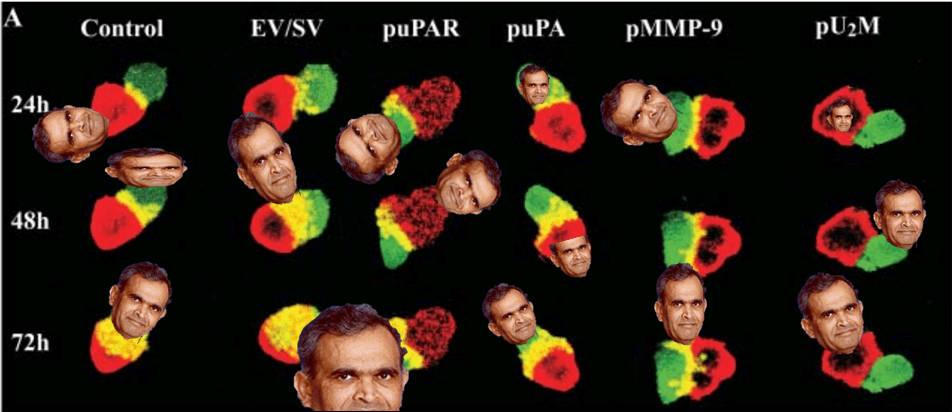
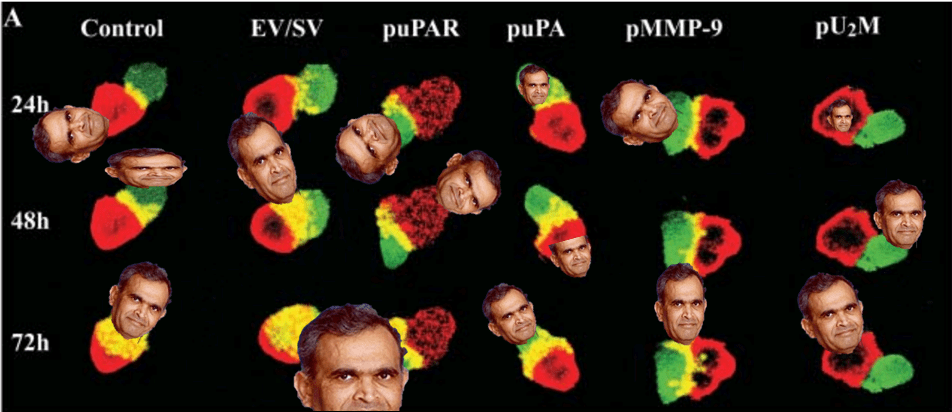
Beaker’s head blown off in a laboratory explosion
By Smut Clyde
“Spheroid Invasion Assay” is the name of my Tubeway Army tribute band. In cancer research, it involves the unlikely juxtapostion of a spheroid of vat-grown glioma cells and an aggregate of fetal rat neurons, colour-coded with fluorescent dyes and coming together in a little well of nutrient fluid beneath a confocal microscope so that the erosion of the tiny surrogate brain by the tiny surrogate tumour can be tracked over days. It quantifies how various intra-cellular signalling pathways modulate the invasiveness and metastatic potential of different tumour cell-lines (with implications for cancer treatment). Like the in-vitro Matrigel Invasion / Migration assays (or like in vivo nude-mouse xenografts), its relevance to human cancer is limited, but it does provide researchers with one more streetlight to look under in their search for the lost key, better-lit than the dark alleys where the key was lost.
So ‘Lotus Azoricus’ posted this in a PubPeer comment thread:
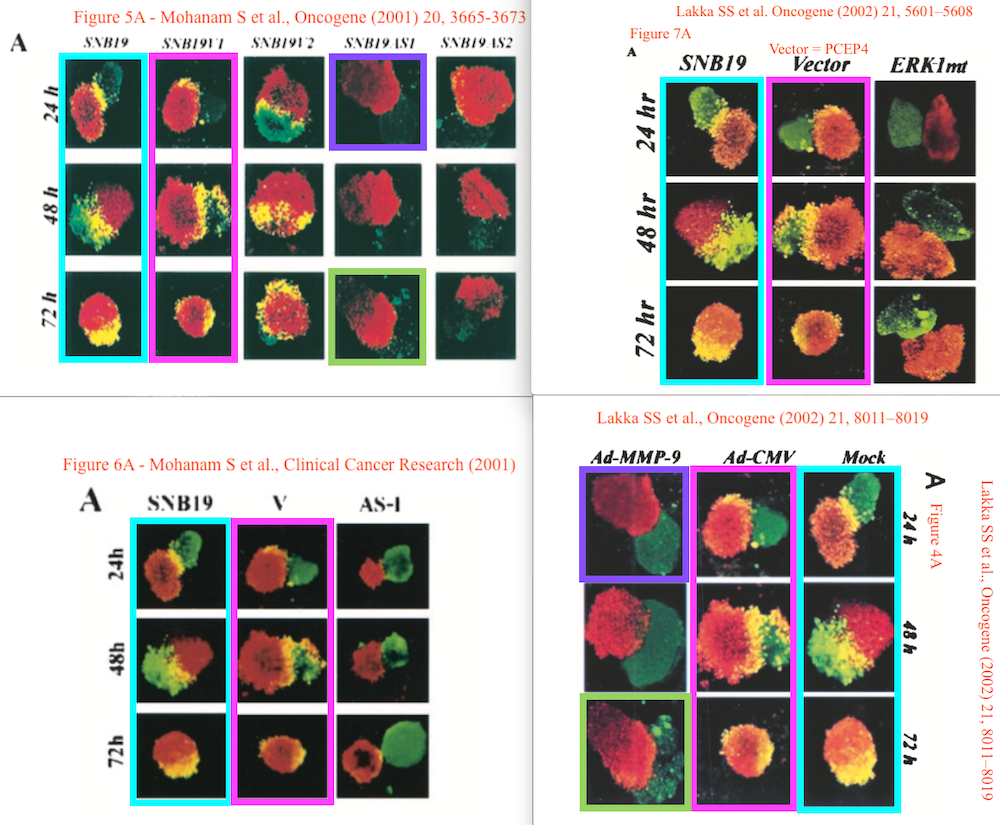
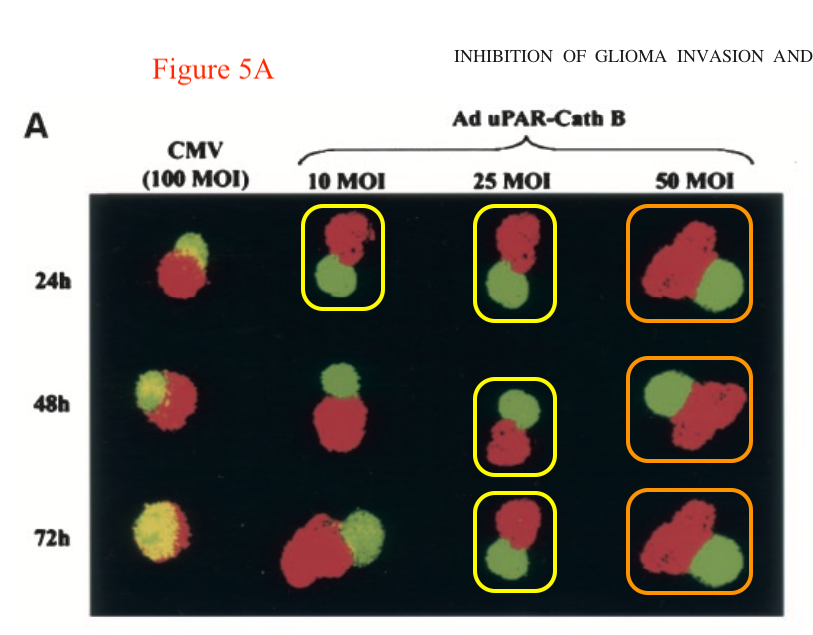
“Figure 4A shows “strawberry” ( tumor spheroids coculture) plots with panels that look very similar to panels from at least three other papers. The labels are different so it appears that some of these might represent different experiments.”
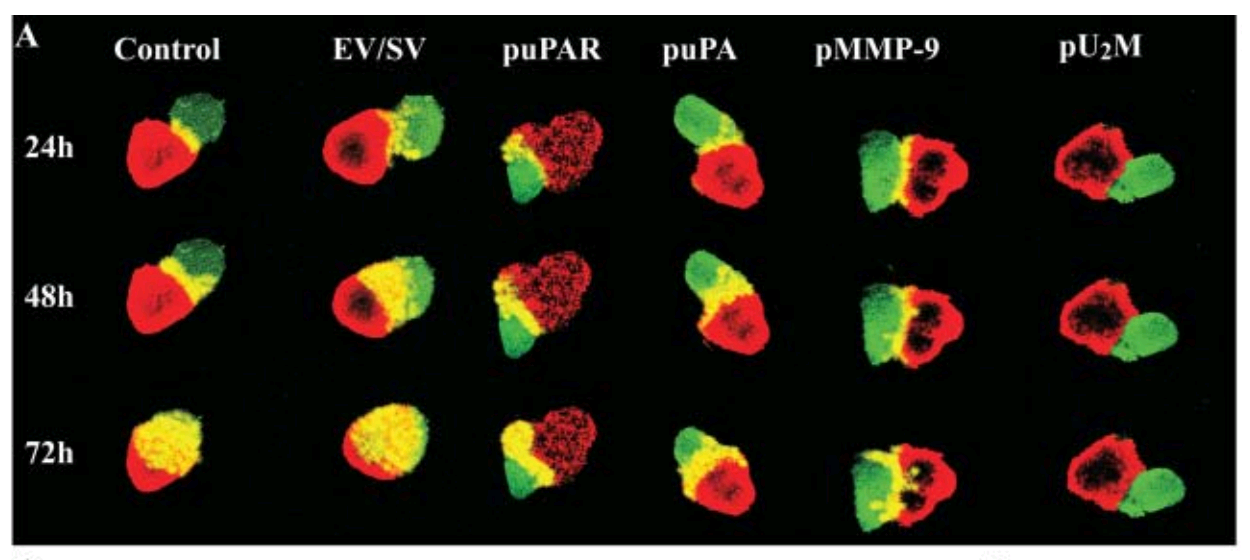
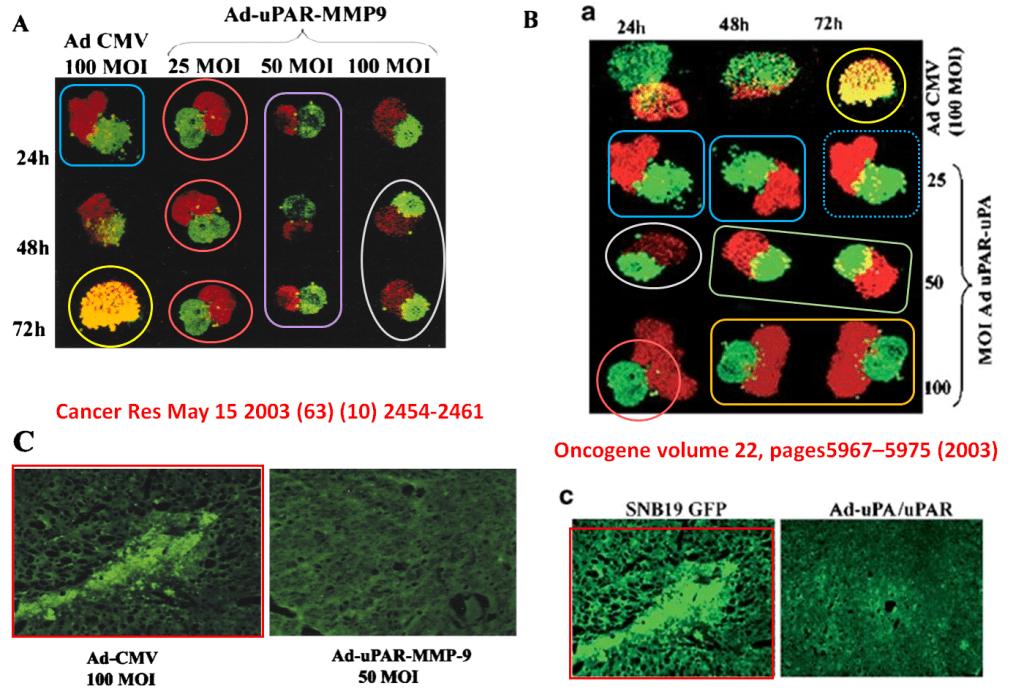
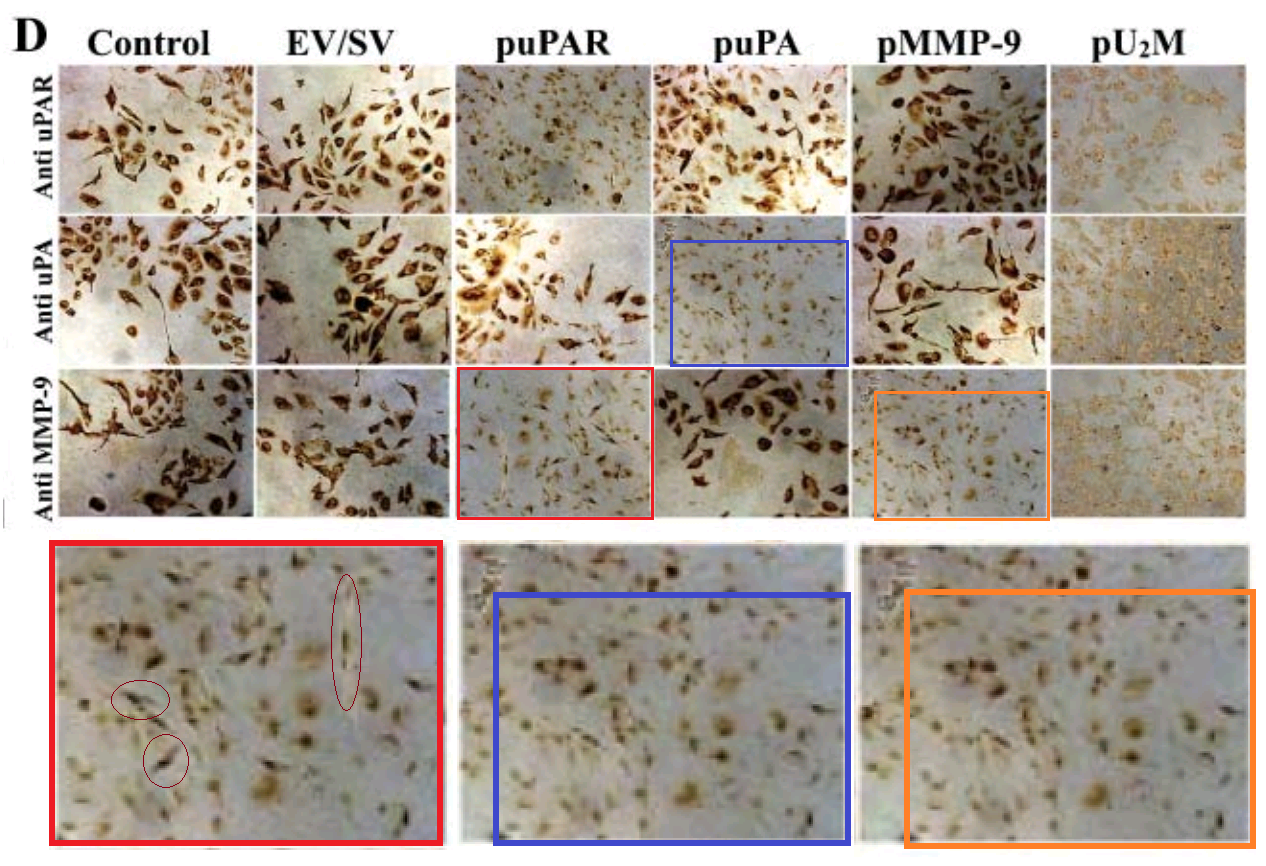
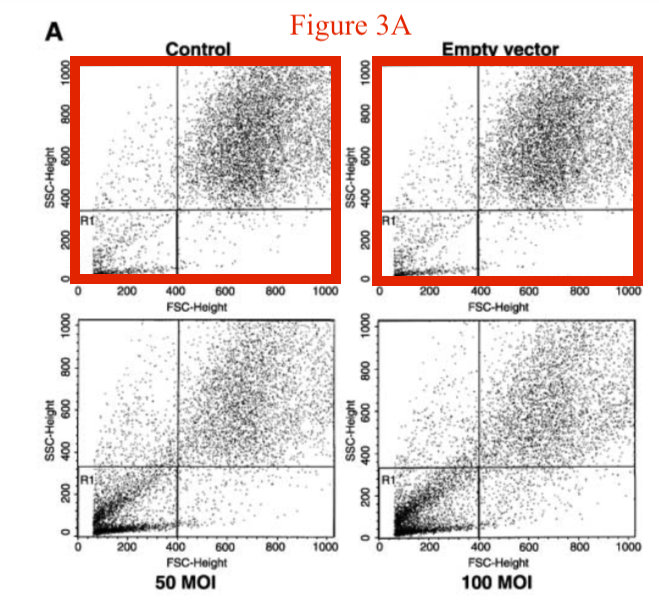
Here the coloured boxes pick out some of these growing cellular congeries repeating between papers while labelled as coming from different conditions. “Down-regulation of cathepsin B expression impairs the invasive and tumorigenic potential of human glioblastoma cells” (Mohanam et al. 2001a) [2]; “Stable transfection of urokinase-type plasminogen activator antisense construct modulates invasion of human glioblastoma cells” (Mohanam et al. 2001b) [3]; “Downregulation of MMP-9 in ERK-mutated stable transfectants inhibits glioma invasion in vitro” (Lakka et al. 2002a) [4]; “Adenovirus-mediated expression of antisense MMP-9 in glioma cells inhibits tumor growth and invasion” (Lakka et al. 2002b) [5].
Sometimes the strawberries recur within papers.
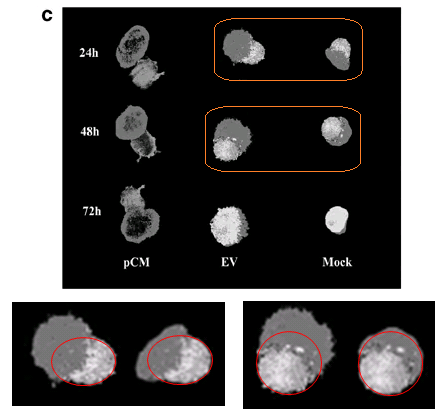

Sometimes they do not change at all in the course of 48 hours, except in the yellow war-zone of active erosion…
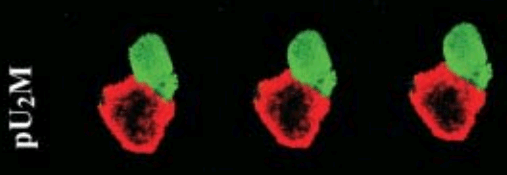
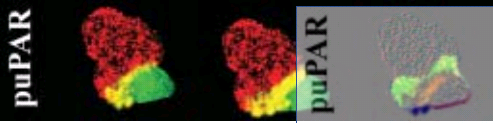
…Other times they flip through 180° between snapshots, like Beaker’s head blown off in a laboratory explosion and sent tumbling over and over along its trajectory, red Muppet hair trailing behind. Or wearing a Ducal cap like Federico da Montefeltro‘s in the Uffizi portrait.
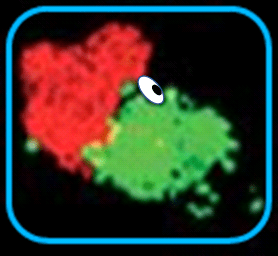
The earlier ominous reference to Lotus Azoricus and “a PubPeer comment thread” should prepare the reader for another lengthy foray into the demi-monde of duplicated and manipulated images. This time the exploration must be even less representative and less comprehensive than usual, an exercise in cherry strawberry-picking as it were, for over one hundred Jasti S. Rao papers currently feature in the PubPeer archives.
Concerns voiced in these threads are not restricted to Beaker heads and somersaulting strawberries. Yes, there will be Western Blots. But first, from paper [7] which we just met, a map of Martian canals was recycled in paper [8], with image overlaps and fractal self-similarity and varying conditions.

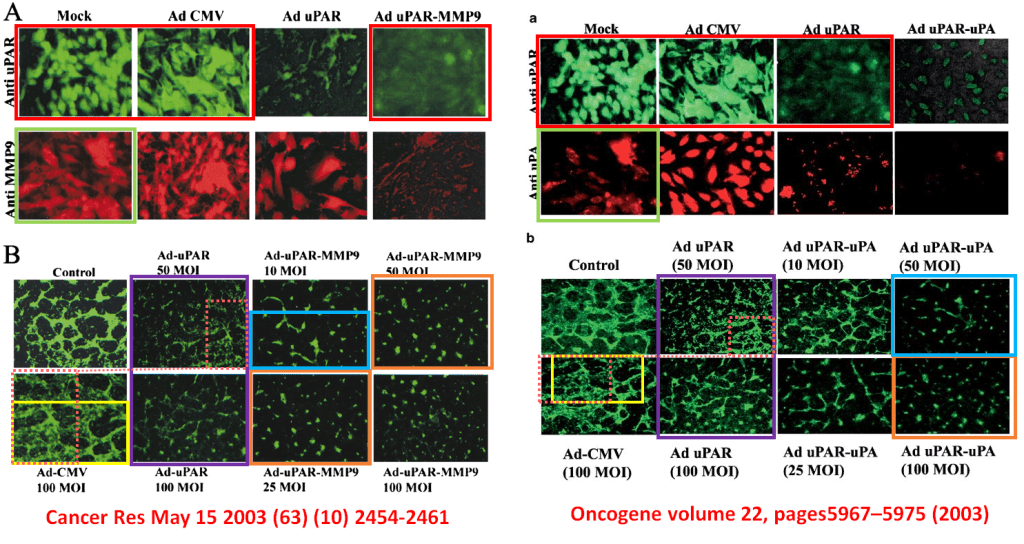
In fact this opens the door to an entire genre of Martian canal maps, drawing in [12] and (a few years later) “Sense p16 and antisense uPAR bicistronic construct inhibits angiogenesis and induces glioma cell death” (Nalabothula et al. 2007) [17].
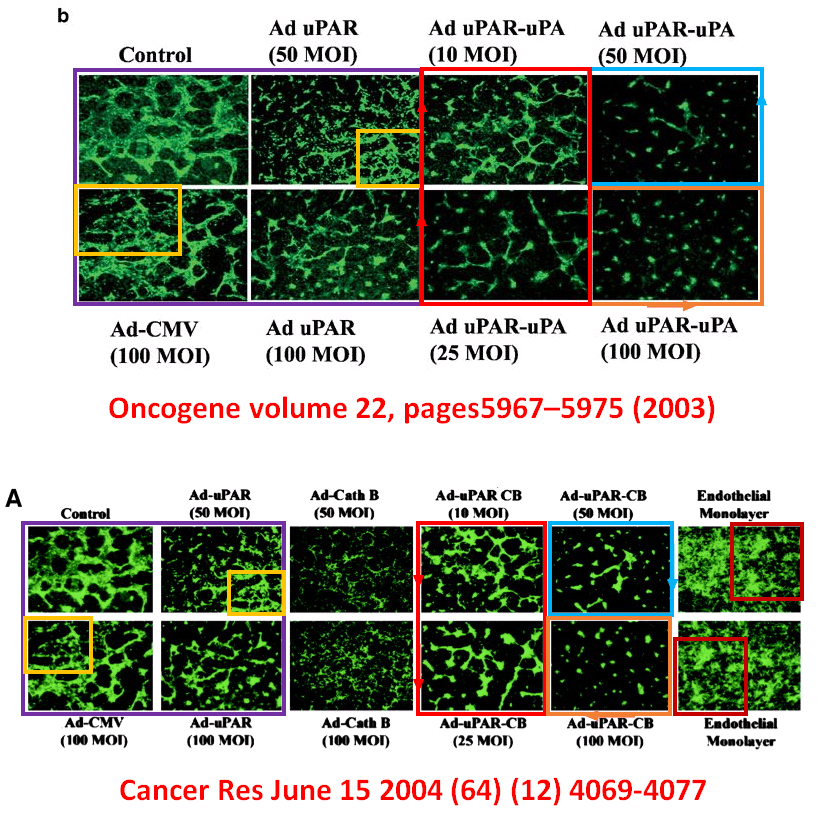
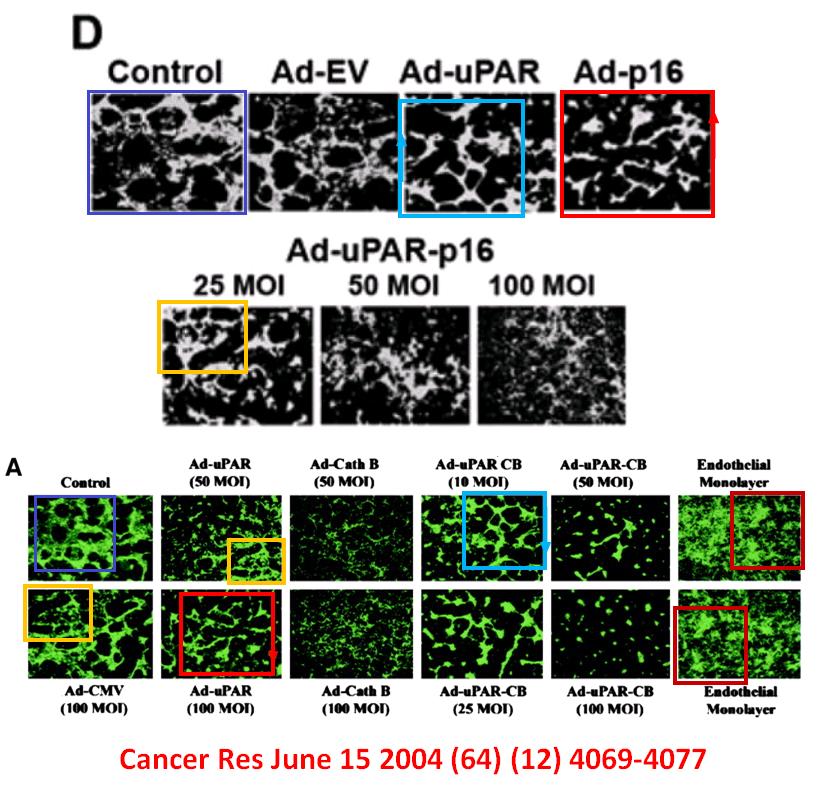
Not to forget the unexpected links between [9] and [11]…
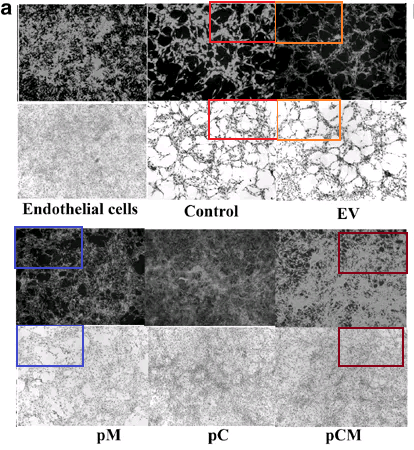
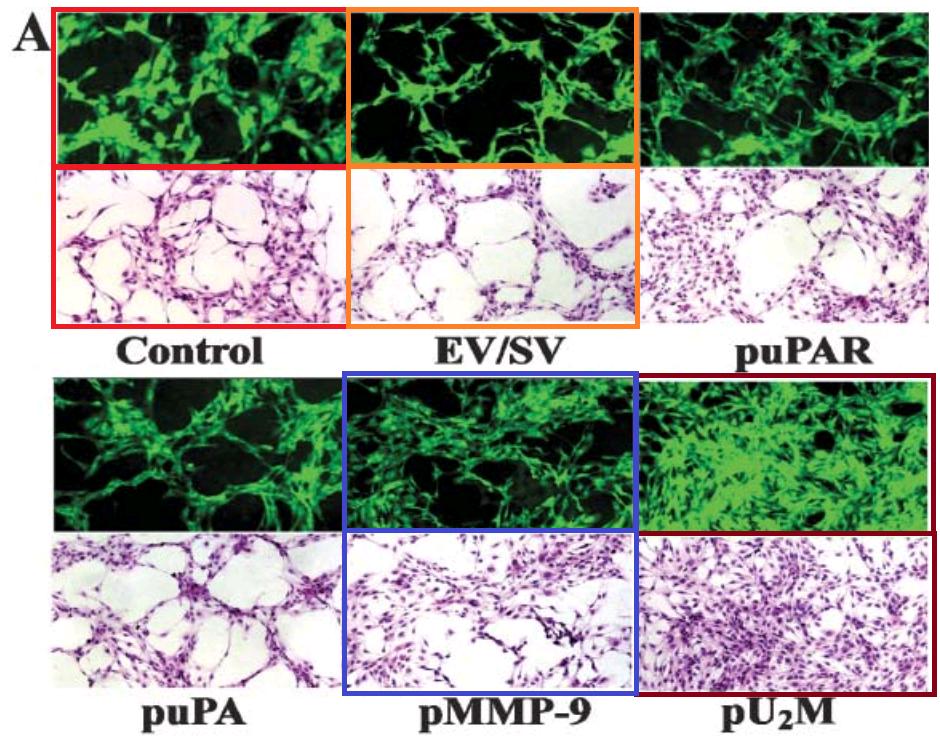
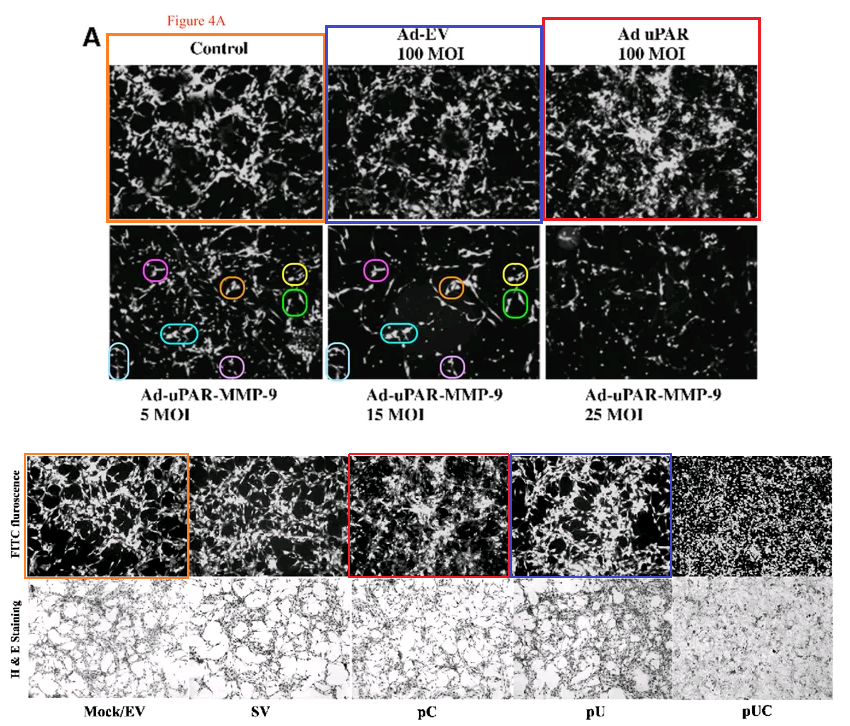
… and between [10] and “Inhibition of invasion, angiogenesis, tumor growth, and metastasis by adenovirus-mediated transfer of antisense uPAR and MMP-9 in non-small cell lung cancer cells” (Rao et al. 2005) [14]. In 2013 an Erratum was issued for [14], replacing images repurposed from earlier papers with more original ones, but evidently the authors stood by Fig 4A… including the evidence that its panels had been constructed from earlier results by selectively deleting surplus-to-requirement cells. Must credit Lotus Azoricus:
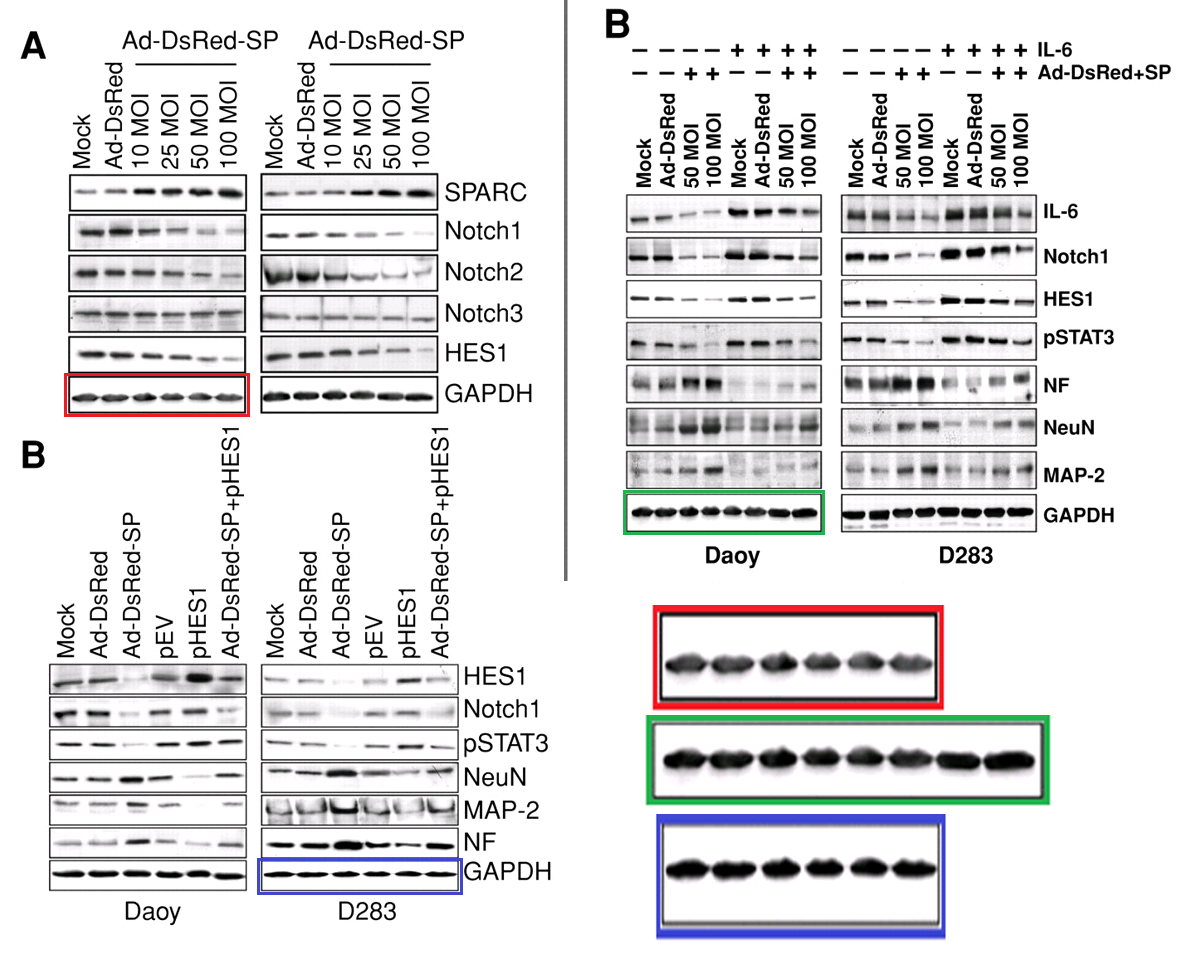
[17] also provided this helpful example of how to make a loading-control band go further, the Western-Blot equivalent of Hamburger Helper:
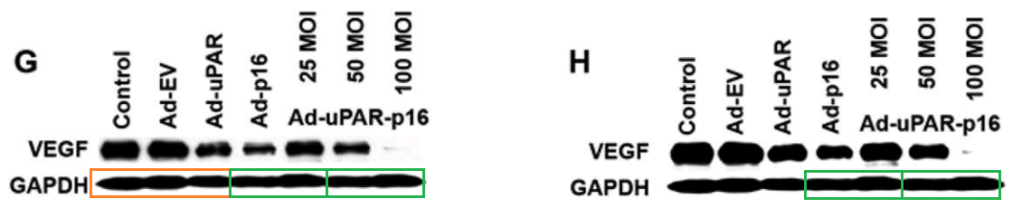
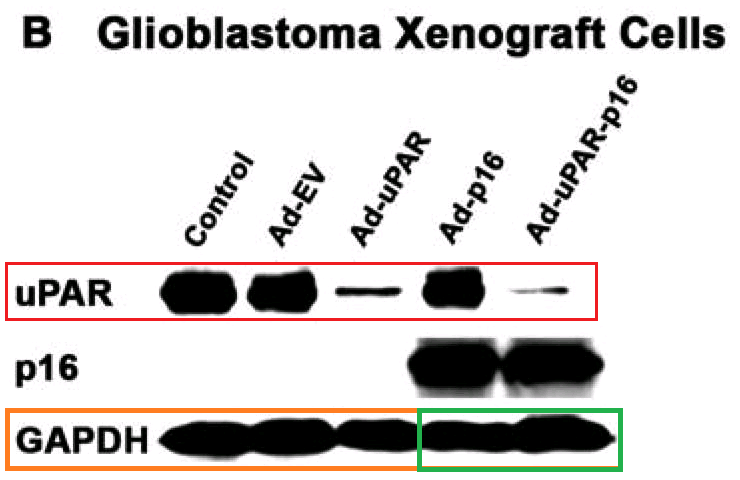
Some of these 100-odd papers might have been queried for minor or even misguided reasons – a possible plot splice, perhaps, or reuse of a tissue slide to illustrate two different condition – indicative of inattention or slipshod filing, and inviting a correction rather than a Retraction. But others are very wrong indeed, with every Figure as carefully curated as a stamp collection. This 2010 / 2012 discovery that breast tumours and brain tumours produce identical protein bands in Western blots really deserves a separate publication, rather than being split between two papers and obscured in the process:
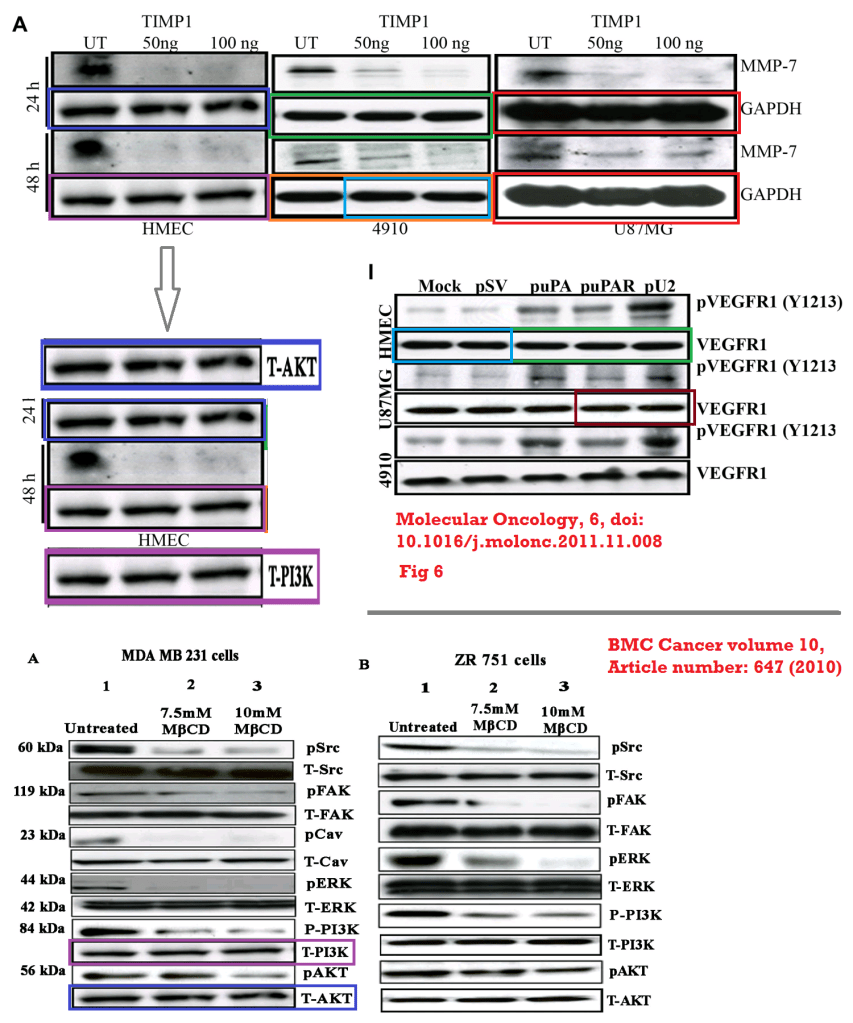
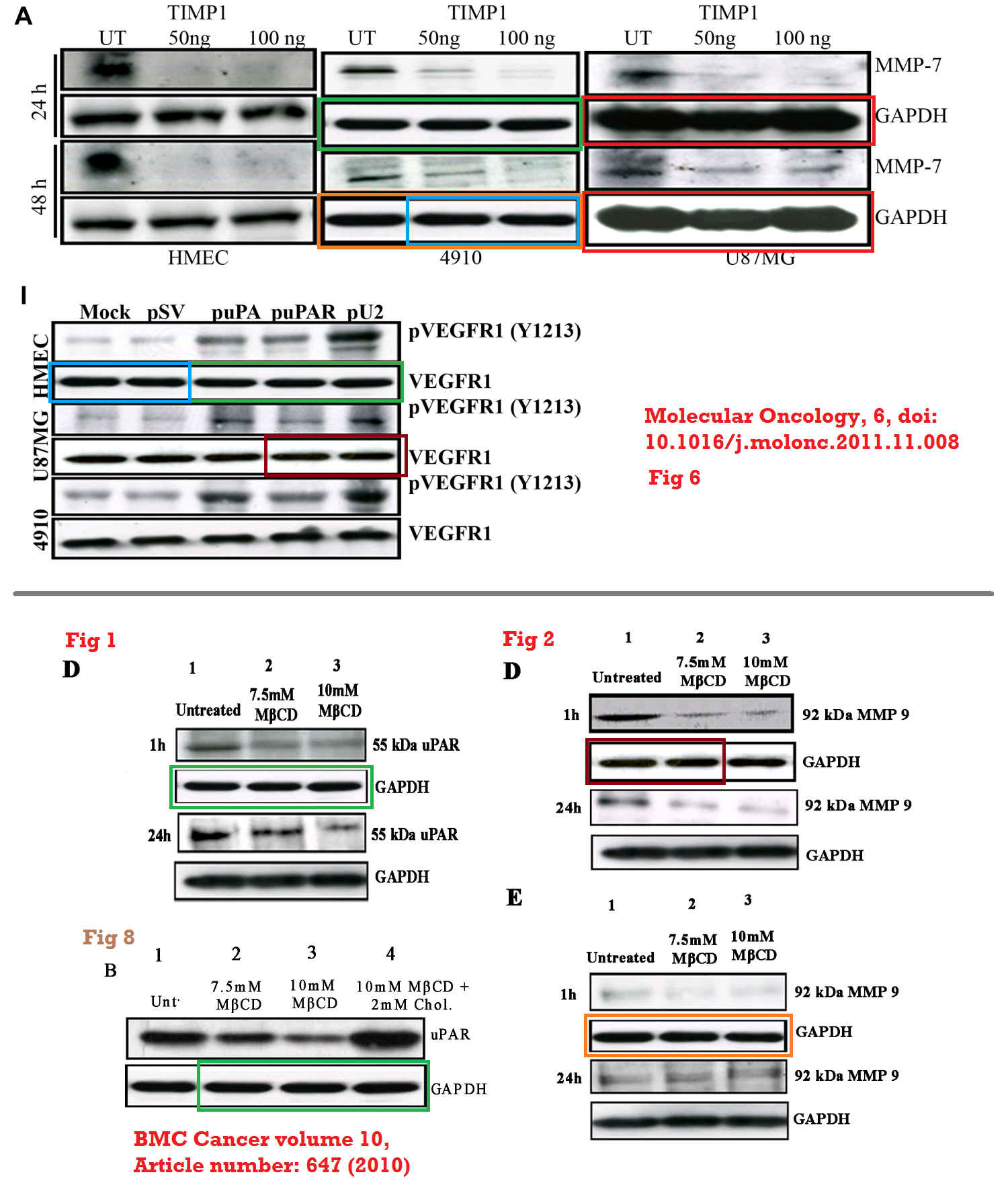
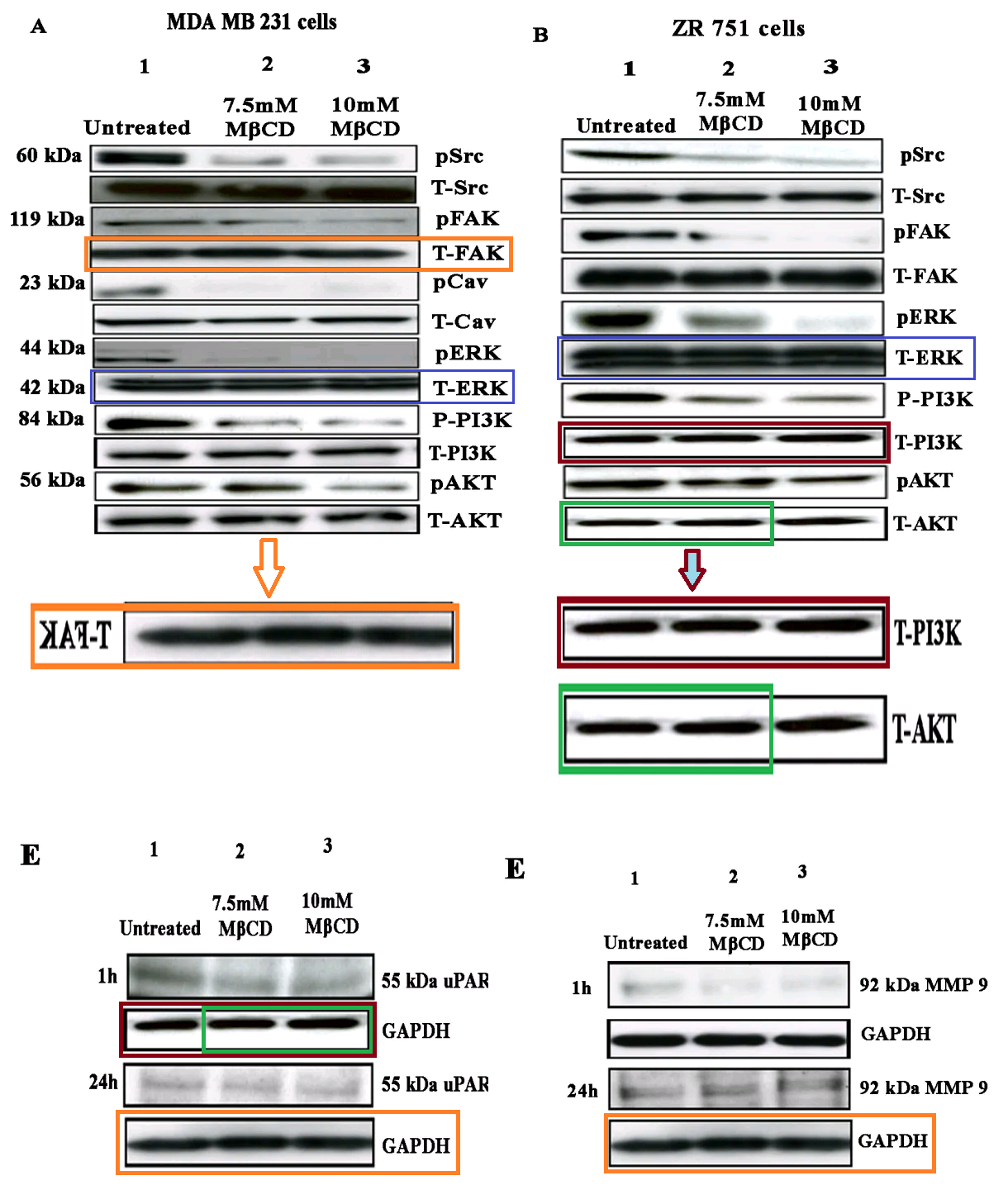
And now this, from Rao vs Gondi at the United States District Court in Illinois:
“The Panel also noted that “figures were duplicated, several with manipulation, and one figure plagiarized, in what was perceived by the Investigation Panel members as attempts to render the figures unrecognizable, leads to the conclusion that the practice was prevalent in the lab group and may have existed as an organized and encouraged behavior.”
I am open to the possibility that these are the equivalents of the Meisterwerke of Renaissance craft guilds, created by laboratory apprentices to prove their mastery of Photoshop and their eligibility for full membership of the Research Guild.
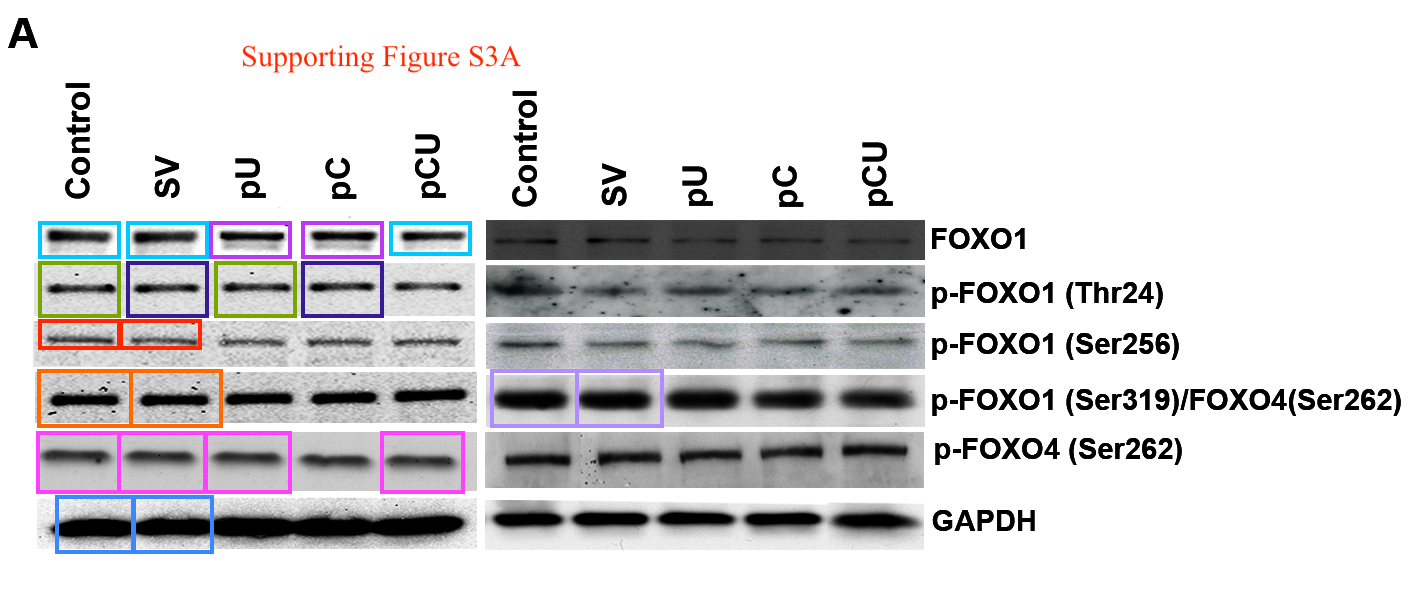
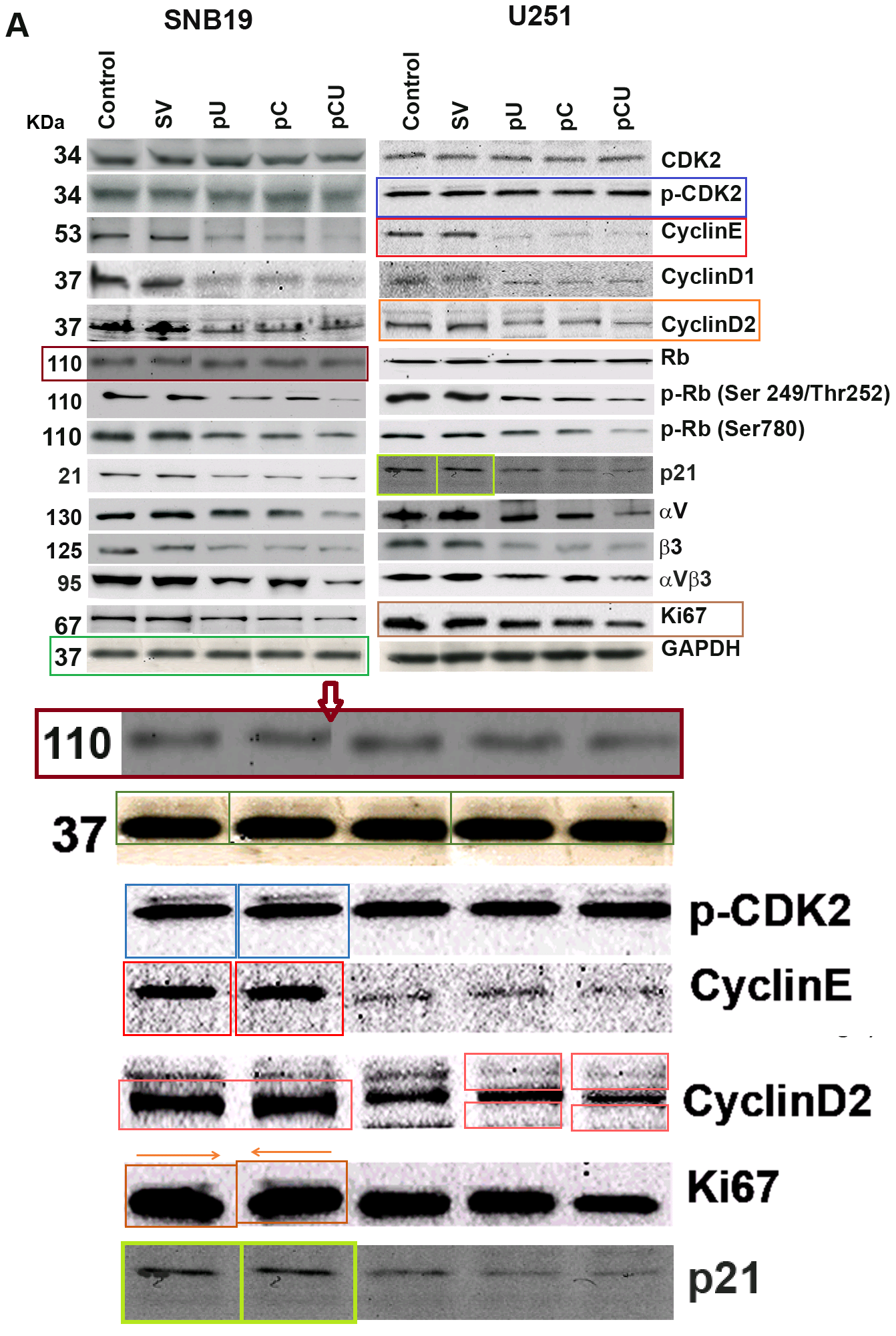
Of course I am limited to mentioning papers in which irregularities were found. But like the tip of an iceberg, if you see one in the restaurant then you know that the other 90% is in the kitchen (or something like that). To me it is not obvious how other people in the field, presented with a random Rao paper, can tell whether it was one in which the cellular-signalling Conclusions were based on the data, or vice versa. Given Rao’s status — he had become the nation’s best-funded researcher — this could be a problem for the US cancer-research establishment.
This from a local newspaper, back in 2014:
“Rao came to Peoria from the University of Texas’ Anderson Cancer Center in 2000 with a reputation as a superstar cancer researcher. By 2011, he had won almost $30 million in competitive research grants from the National Institute of Health during his career, more than any other brain researcher in the country. His $700,000 salary put him among the U of I system’s top 10 earners.
Over the decade, he was a driving force behind the construction of UICOMP’s $13 million Cancer Research Center, which opened in 2011.”
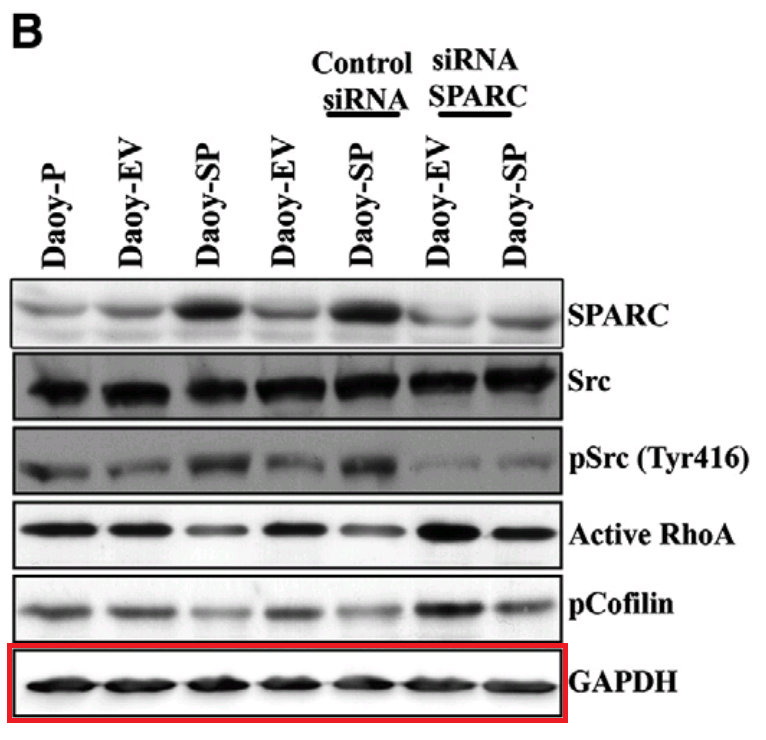
The whole Rao saga is crying out to be made into a book (or to minimise the litigation, a thinly-disguised novel). Let me leap ahead to the climactic scene of the story: the March 2013 meeting where the Administration of the U. Illinois College of Medicine in Peoria (UICoMP for short) invited Rao to retire ‘for health reasons’, in return for drawing a discrete veil over the whole sordid affair, with a few under-the-radar corrections and retractions but nothing to cause the wider community to doubt the rest of his oeuvre. This laissez-dormir attitude to sleeping dogs also strikes me as a problem for the research establishment.
In July 2012 an anonymous tip-off had reached the Department, urging a closer inspection of certain publications (“accusing Dr. Rao of a variety of malfeasance, including research misconduct and allegations that he accepted cash payments from his employees“). These were sufficiently convincing to inspire first an Internal inquiry, by a Dean’s Committee; then, as the circle of papers under the spotlight widened, an External inquiry (independent but still confidential): “the scope of the research integrity investigation was expanded from a review of five to eighteen papers“. Rao enlivened this process by launching retaliatory allegation against other College staff, denouncing their papers as just as tainted as his own. He denied any errors while offering to correct 2 4 9 papers.¹ And there was the detail of extortion from lab staff, to pay his gambling debts ($700,000/year does not go far when the Par-a-Dice Casino is involved, and there’s not much else to do in Peoria)… while warning those staff that their careers and US residency would suffer if they cooperated with the Inquiry, and ordering them to destroy data for the contentious papers.
How about this audio tape transcript, presented by university’s lawyer Kaye Scholer at Illinois district court:
RAO: I want let you guys know one thing, okay? If you guys scared and talk nonsense, it is not going to help anybody. Except one or two people don’t have a data duplication, okay? Everybody have somehow or other there is a duplication. Okay? I will show each individual where their overlaps are. And we find except one or two people. That’s it. (July 17, 2012) (Slide 4)
RAO: Minor mistakes I will definitely ignore, otherwise it is coming to almost thirty, forty papers. I can’t go that many papers. That way I can tell simply, “Those are minor, that’s why I ignored.” And as long as you guys also has to keep that secret. If that secret come out and your career done. I am telling you honestly. (July 17, 2012) (Slide 5)
RAO: If somebody think that the lab is going to be in trouble, and if they leave someplace and if they joined any place, they may not have a job there. I will immediately respond and send them, “These people did a scientific fraud that’s why they left the lab.” (July 17, 2012) (Slide 6)
RAO: I’m going to take care of it as long as you guys don’t talk nonsense. And then if you guys think that, and then “oh, I can go and get a job,” you’ll never get in scientific field a job. If you get a job, also, I promise God, your job is removed yesterday, because of the scientific fraud. I’m not that dumb, and I’m very capable to go any extreme. (July 17, 2012) (Slide 7)
RAO: When it came out, and I have to look everybody’s. That’s why few people are helping. And then also, then somebody find a mistake, don’t think they’re personally looking. I requested them. I don’t have time, that’s why they’re helping me to look. I really appreciate their time, and look very careful. (July 17, 2012)(Slide 8)
RAO: But I can’t go and show all the mistakes, all the small mistakes, I can’t do it. Only a few things then we can tell. Rest of the things we have to keep ourselves. That’s why I told whoever reviewed, and then I already told them to discard everything, and then computer also they then delete. And I already told them, they already did. (July 25, 2012)(Slide 9)
Here I am drawing on the Statement of Facts from the subsequent lawsuit, jumping off from the RetractionWatch report.
“Although Rao challenges the motivation of Gondi and the procedures employed by Kaye Scholer, what he fails to do is present any evidence that would allow a reasonable juror to conclude that professional errors in publications, pressuring employees for cash, or deleting evidence are actions demonstrating that one is fulfilling the legitimate job expectations of a Professor and Doctor in the University. Instead, there is ample evidence…”
Apparently “professional errors in publications, pressuring employees for cash, [and] deleting evidence” are NOT “actions demonstrating that one is fulfilling the legitimate job expectations of a Professor and Doctor in the University”. My entire career might have been different if someone had told me that earlier!
It seems somehow appropriate that the Par-a-Dice Hotel / Casino served as the venue for the inaugural 2012 Peorian of the Year Award, the honour falling to Jasti S. Rao for his services to data recycling.
Rao reconsidered the deal to retire without fuss and reneged on it in April 2013, suing UICoMP for constructive dismissal, thereby providing journalists with a treasure-trove of material in the Statement of Facts from the subsequent Judgment. Also suing his assistant and frequent co-author Dr Gondi because reasons. Despite two children being lawyers, he seems to have received really terrible legal advice. The Judgment in his 2018 Appeal is especially scathing.
“This is, however, as far as Rao gets. The bulk of the adverse decision – the district court’s long opinion of June 5, 2017, granting summary judgment to the defendants on almost all of Rao’s theories – gets less than four pages of attention in his appellate brief. Pare away the boilerplate (such as a recitation of the standard for granting summary judgment) and a recap of Rao’s claims, and less than two pages remains. Those two pages do not present either evidence or argument. Instead we have sentences such as: “First, Rao raised, in response to Defendants’ Motion for Summary Judgment, sufficient evidence to show that he was treated less favorably than others outside of his protected class who were not Indian”. That’s Rao’s bottom line, to be sure, but a brief must do more than state conclusions. What facts does Rao rely on for this proposition? He does not tell us. Rao has thus forfeited appellate review of the district court’s summary- judgment order.”
Publicity understandably focussed on the sensationalist picturesque details — the casino, the gambling debts, the extortion — leaving the impression that Rao only went off the rails at the end of his tenure at UICoMP (it helps that no list has been published of papers called into question during the widening gyres of inquiry). The College has not tried hard to dispel that impression. However, as we have seen, manipulated results from Rao’s laboratory were already routine a decade earlier.
As for the somersaulting strawberries, some of them were first published before Rao was lured to UICoMP.

…while the most recent was in 2006.

Rao had been headhunted from the Anderson Cancer Center in 2000 on the urging of then-Dean, Don Rager. Leonid’s readers may be familiar with other names from the Anderson Center, the Athens of the South. Rager went on to encourage Rao’s lawsuit in 2014, confident that when the facts came to light during Discovery they would vindicate his innocence. Now UICoMP is (I am advised) not a first-tier institution (Macchiarini’s associate Holterman washed up there with a part-time professorship after too many patient deaths made him unemployable elsewhere). The hope was, perhaps, that with his reputation for innovation and inspiration, Rao would raise their profile and attract the NIH megagrants. A $700,000 salary seems extravagant but then there’s this to put it into perspective:
“At the time of his resignation, Dr. Rao was one of the University’s five highest-paid employees, along with Dr. Dimitri Azar, Dean of the University’s College of Medicine, Dr. Joe Garcia, Vice President of Health Affairs for University, and the head coaches of the University’s football and men’s basketball teams.”
The decision to recruit Rao was not unanimous. It would be nice to hear more from Dr Philip Jobe, erstwhile Departmental Chair, who disagreed with the business case. Subsequently Jobe argued that the College’s failure to renew his position was retribution for that disagreement. According to the Summary Judgment in his lawsuit — I hope you are keeping all these court-cases clear in your mind — (a) there was no evidence that Jobe had been punished for voicing a minority opinion, and (b) even he had been, the College was entitled to punish him. Jobe had earlier taken the unpopular position that moneys promised for biomedical research should be spent on biomedical research rather than on administration and classrooms, so he is clearly not a team player.
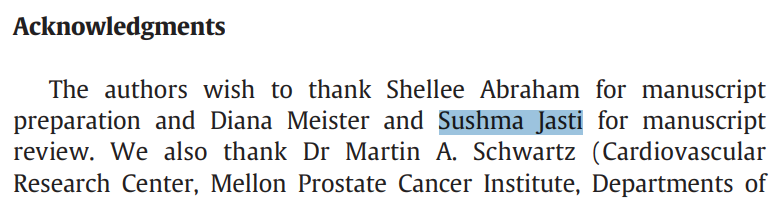
And it would be wrong for this brief glimpse at the dramatis personae for my imagined book-length reportage to overlook Rao’s daughter, Sushma Jasti Smith. As well as being one of Rao’s legal advisers, she was protector of the family brand and her father’s spokeswoman for dealings with the press. She was active in Texas politics, and more relevantly she works as a writer and freelance science editor. I have no idea how many clients she has outside of the Peoria laboratory, but an Intertube search for “Sushma Jasti” + “manuscript review” was a convenient way of accessing Rao’s oeuvre systematically.
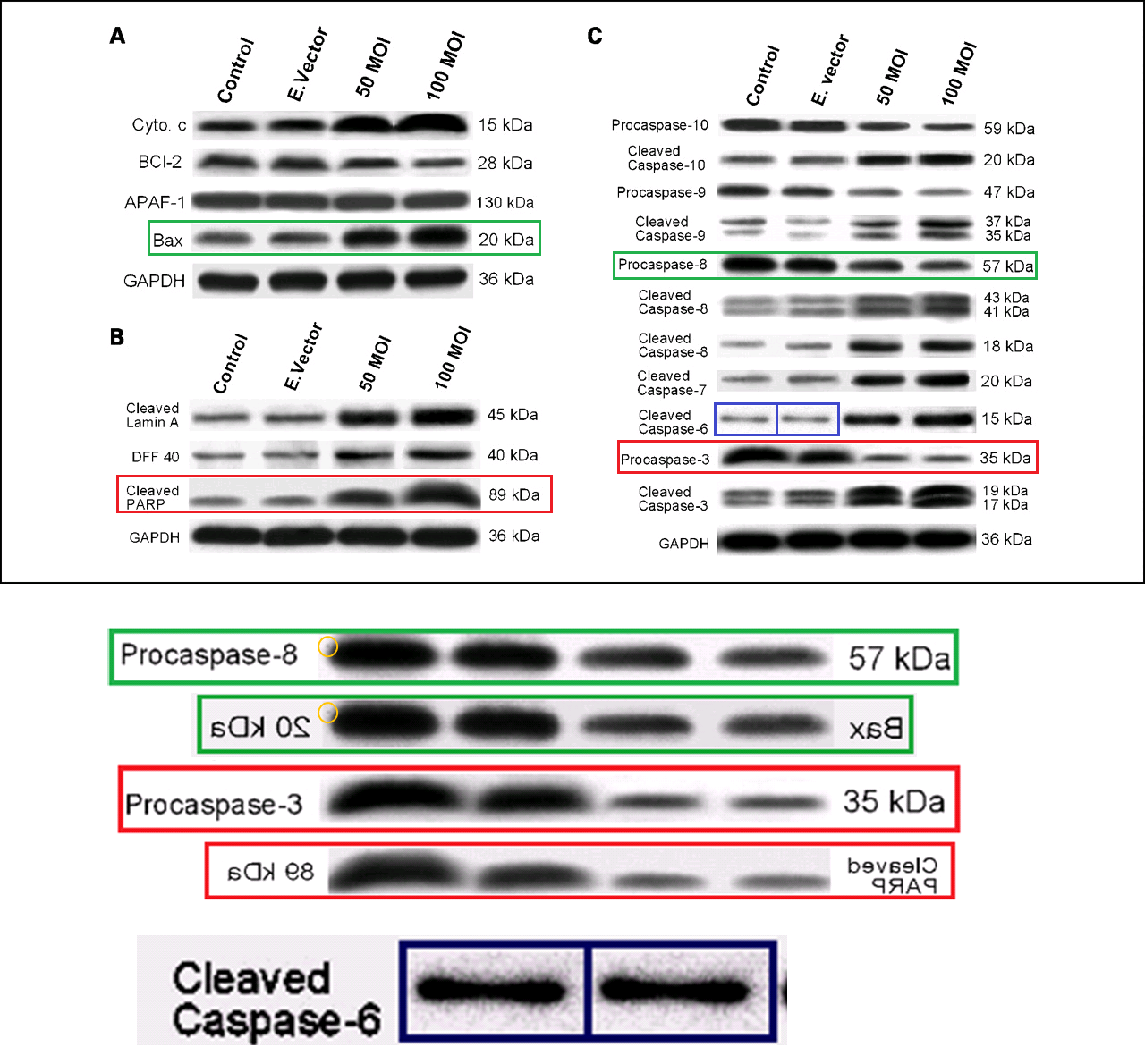
In other news, “Cleaved Caspase-3” is the name of my Spacemen-3 tribute band.

Indigofera Tanganyikensis‘ drew up “An overview of the affected journals (based on Pubpeer posts)”:
- International Journal of Oncology (Spandidos): 14 articles
- Oncogene (Nature Publishign Group): 11 articles
- PlosOne (PLOS): 8 articles
- Cancer Research (AACR): 5 articles (2 retractions)
- J Biol Chem (ASBMB): 4 articles
- Int J Cancer (Wiley): 2 articles
- Mol. Cancer Therapeutics (AACR): 2 articles
- Clinical Cancer Research (AACR): 2 articles
- Mol. Cancer Research (AACR): 2 articles
- Cellular Signaling (Elsevier): 2 articles

¹ Errata have so far appeared for two papers, [14] and “Downregulation of uPAR and cathepsin B induces apoptosis via regulation of Bcl-2 and Bax and inhibition of the PI3K/Akt pathway in gliomas” (Malla et al. 2010) [20]. These corrections were not exactly comprehensive.
SOURCES
- “Selective suppression of matrix metalloproteinase-9 in human glioblastoma cells by antisense gene transfer impairs glioblastoma cell invasion”, S Kondraganti , S Mohanam , S K Chintala , Y Kin , S L Jasti , C Nirmala , S S Lakka , Y Adachi , A P Kyritsis , F Ali-Osman , R Sawaya , G N Fuller , J S Rao (2000). Cancer Research [PubPeer].
- “Down-regulation of cathepsin B expression impairs the invasive and tumorigenic potential of human glioblastoma cells”, Sanjeeva Mohanam, Sushma L Jasti , Sudha R Kondraganti , Nirmala Chandrasekar , Sajani S Lakka, Yoshiaki Kin , Gregory N Fuller , Alfred WK Yung , Anthanassios P Kyritsis , Dzung H Dinh, William C Olivero, Meena Gujrati , Francis Ali-Osman , Jasti S Rao (2001a). Oncogene doi: 10.1038/sj.onc.1204480 [PubPeer].
- “Stable transfection of urokinase-type plasminogen activator antisense construct modulates invasion of human glioblastoma cells”, S Mohanam , S L Jasti , S R Kondraganti , N Chandrasekar , Y Kin , G N Fuller , S S Lakka , A P Kyritsis , D H Dinh , W C Olivero , M Gujrati , W K Yung , J S Rao (2001b). Clinical Cancer Research [PubPeer].
- “Downregulation of MMP-9 in ERK-mutated stable transfectants inhibits glioma invasion in vitro”, Sajani S Lakka , Sushma L Jasti , Christopher Gondi , Douglas Boyd , Nirmala Chandrasekar , Dzung H Dinh , William C Olivero , Meena Gujrati , Jasti S Rao (2002a). Oncogene, doi: 10.1038/sj.onc.1205646 [PubPeer].
- “Adenovirus-mediated expression of antisense MMP-9 in glioma cells inhibits tumor growth and invasion”, Sajani S Lakka , Mannari Rajan , Christopher Gondi , Niranjan Yanamandra , Nirmala Chandrasekar , Sushma L Jasti , Yoshiaki Adachi , Khawar Siddique , Meena Gujrati , William Olivero , Dzung H Dinh , Gregory Kouraklis , Athanassios P Kyritsis , Jasti S Rao (2002b). Oncogene doi: 10.1038/sj.onc.1205894 [PubPeer].
- “Suppression of glioma invasion and growth by adenovirus-mediated delivery of a bicistronic construct containing antisense uPAR and sense p16 gene sequences”, Yoshiaki Adachi , Nirmala Chandrasekar , Yoshiaki Kin , Sajani S Lakka , Sanjeeva Mohanam , Niranjan Yanamandra , Pamarthi M Mohan , Gregory N Fuller , Bingliang Fang , Juan Fueyo , Dzung H Dinh , William C Olivero , Takashi Tamiya , Takashi Ohmoto , Anthanassios P Kyritsis , Jasti S Rao (2002). Oncogene doi: 10.1038/sj.onc.1204999 [PubPeer].
- “Synergistic down-regulation of urokinase plasminogen activator receptor and matrix metalloproteinase-9 in SNB19 glioblastoma cells efficiently inhibits glioma cell invasion, angiogenesis, and tumor growth”, Sajani S Lakka , Christopher S Gondi , Niranjan Yanamandra , Dzung H Dinh , William C Olivero , Meena Gujrati , Jasti S Rao (2003). Cancer Research [PubPeer].
- “Expression of antisense uPAR and antisense uPA from a bicistronic adenoviral construct inhibits glioma cell invasion, tumor growth, and angiogenesis”, Christopher S Gondi , Sajani S Lakka , Niranjan Yanamandra , Khawar Siddique , Dzung H Dinh , William C Olivero , Meena Gujrati , Jasti S Rao (2003). Oncogene doi: 10.1038/sj.onc.1206535 [PubPeer].
- [“Inhibition of cathepsin B and MMP-9 gene expression in glioblastoma cell line via RNA interference reduces tumor cell invasion, tumor growth and angiogenesis”, Sajani S Lakka , Christopher S Gondi , Niranjan Yanamandra , William C Olivero , Dzung H Dinh , Meena Gujrati , Jasti S Rao (2004). Oncogene doi: 10.1038/sj.onc.1207616 [PubPeer].
- “RNAi-mediated inhibition of cathepsin B and uPAR leads to decreased cell invasion, angiogenesis and tumor growth in gliomas”, Christopher S Gondi , Sajani S Lakka , Dzung H Dinh , William C Olivero , Meena Gujrati , Jasti S Rao (2004a). Oncogene doi: 10.1038/sj.onc.1207879 [PubPeer].
- “Downregulation of uPA, uPAR and MMP-9 using small, interfering, hairpin RNA (siRNA) inhibits glioma cell invasion, angiogenesis and tumor growth”, CHRISTOPHER S. GONDI , SAJANI S. LAKKA , DZUNG H. DINH, WILLIAM C. OLIVERO , MEENA GUJRATI , JASTI S. RAO (2004b). Neuron Glia Biology doi: 10.1017/s1740925x04000237 [PubPeer].
- “Adenovirus-mediated expression of antisense urokinase plasminogen activator receptor and antisense cathepsin B inhibits tumor growth, invasion, and angiogenesis in gliomas”, Christopher S. Gondi , Sajani S. Lakka , Niranjan Yanamandra , William C. Olivero , Dzung H. Dinh , Meena Gujrati , C. H. Tung , Ralph Weissleder , Jasti S. Rao (2004c). Cancer Research doi: 10.1158/0008-5472.can-04-1243 [PubPeer].
- “Specific interference of urokinase-type plasminogen activator receptor and matrix metalloproteinase-9 gene expression induced by double-stranded RNA results in decreased invasion, tumor growth, and angiogenesis in gliomas”, Sajani S. Lakka , Christopher S. Gondi , Dzung H. Dinh , William C. Olivero , Meena Gujrati , Velidi H. Rao , Chrissa Sioka , Jasti S. Rao (2005). Journal of Biological Chemistry doi: 10.1074/jbc.m408520200 [PubPeer].
- “Inhibition of invasion, angiogenesis, tumor growth, and metastasis by adenovirus-mediated transfer of antisense uPAR and MMP-9 in non-small cell lung cancer cells”, Jasti S Rao , Christopher Gondi , Chandramu Chetty , Subramanyam Chittivelu , Pushpa A Joseph , Sajani S Lakka (2005). Molecular Cancer Therapeutics doi: 10.1158/1535-7163.mct-05-0082 [PubPeer]. *
- “RNAi-mediated downregulation of urokinase plasminogen activator and its receptor in human meningioma cells inhibits tumor invasion and growth”, Shakuntala Kondraganti , Christopher S Gondi , Ian McCutcheon , Dzung H Dinh , Meena Gujrati , Jasti S Rao , William C Olivero (2006). International Journal of Oncology [PubPeer].
- “Restoration of tissue factor pathway inhibitor-2 in a human glioblastoma cell line triggers caspase-mediated pathway and apoptosis”, Joseph George , Christopher S Gondi, Dzung H Dinh, Meena Gujrati , Jasti S Rao (2007). Clinical Cancer Research doi: 10.1158/1078-0432.ccr-06-3023 [PubPeer].
- “Sense p16 and antisense uPAR bicistronic construct inhibits angiogenesis and induces glioma cell death”, Narasimharao Nalabothula , Sajani S Lakka , Dzung H Dinh , Meena Gujrati , William C Olivero , Jasti S Rao (2007). International Journal of Oncology doi: 10.3892/ijo.30.3.669 [PubPeer].
- “Human umbilical cord blood derived stem cells repair doxorubicin-induced pathological cardiac hypertrophy in mice”, Sreelatha Gopinath , Sravan K. Vanamala , Christropher S. Gondi , Jasti S. Rao (2010a) Biochemical and Biophysical Research Communications doi: 10.1016/j.bbrc.2010.04.021 [PubPeer].
- “Co-Depletion of Cathepsin B and uPAR Induces G0/G1 Arrest in Glioma via FOXO3a Mediated p27Kip1 Upregulation”, Sreelatha Gopinath , Rama Rao Malla , Christopher S. Gondi, Kiranmai Alapati , Daniel Fassett , Jeffrey D. Klopfenstein , Dzung H. Dinh, Meena Gujrati , Jasti S. Rao (2010b). PLoS ONE doi: 10.1371/journal.pone.0011668 [PubPeer].
- “Downregulation of uPAR and cathepsin B induces apoptosis via regulation of Bcl-2 and Bax and inhibition of the PI3K/Akt pathway in gliomas”, Ramarao Malla , Sreelatha Gopinath , Kiranmai Alapati , Christopher S. Gondi , Meena Gujrati , Dzung H. Dinh , Sanjeeva Mohanam author has email , Jasti S. Rao (2010). PLoS ONE doi: 10.1371/journal.pone.0013731 [PubPeer].*
- “Localization of uPAR and MMP-9 in lipid rafts is critical for migration, invasion and angiogenesis in human breast cancer cells”, Hari Raghu , Prasanna Kumar Sodadasu , Rama Rao Malla , Christopher S Gondi , Norman Estes , Jasti S Rao (2010). BMC Cancer doi: 10.1186/1471-2407-10-647 [PubPeer].
- “SPARC stimulates neuronal differentiation of medulloblastoma cells via the Notch1/STAT3 pathway”, Praveen Bhoopathi , Chandramu Chetty , Ranadheer Dontula , Meena Gujrati , Dzung H Dinh , Jasti S Rao , Sajani S Lakka (2011a) Cancer Research doi: 10.1158/0008-5472.can-10-3395 [PubPeer].
- “SPARC mediates Src-induced disruption of actin cytoskeleton via inactivation of small GTPases Rho–Rac–Cdc42”, Praveen Bhoopathi , Christopher S. Gondi , Meena Gujrati , Dzung H. Dinh , Sajani S. Lakka (2011b). No Rao. Cellular Signalling doi: 10.1016/j.cellsig.2011.07.008 [PubPeer].
- “uPA and uPAR shRNA inhibit angiogenesis via enhanced secretion of SVEGFR1 independent of GM-CSF but dependent on TIMP-1 in endothelial and glioblastoma cells”, Hari Raghu , Arun Kumar Nalla , Christopher S. Gondi , Meena Gujrati , Dzunh H. Dinh , Jasti S. Rao (2012). Molecular Oncology doi: 10.1016/j.molonc.2011.11.008 [PubPeer].
Donate!
If you are interested to support my work, you can leave here a small tip of $5. Or several of small tips, just increase the amount as you like (2x=€10; 5x=€25). Your generous patronage of my journalism, however small it appears to you, will greatly help me with my legal costs.
€5.00

 For Better Science
Pingback: David Argyle: can bullying lead to bad science? – For Better Science
Unfortunately I am working in his Department now filled with his former researchers. Based on the way they research I can immediately realized that their studies are very least in any reach of credibility, thus I found out this article after 02 months working here. I am in HELL now.
Briefly I can say for the Western Blot I prepared two different blots for both the desired protein and Actin instead of only one blots but twice incubation so the blot could show up the expression level that the PI expected! Very subjected design for research matter.
And for personal life, even though I was hired as a specialist, my PI requires me to work as a POSTDOC (which has different contract and salary). The strategy deployed is similar to the way Dr. Rao used to control his people, i.e. by forcing me working in the weekends continuously; constantly bullying me; controlling me in every aspect….to name a few. By reading this I sympathize for those who suffered this as well as myself as a vulnerable immigrant .
I want to tell more but seriously I am so desperate now with this miserable life. I have just moved here in the State for more than 02 months with this work, and feel stuck and hopeless because I want to get out immediately but all my money invested into moving here and the fear of being jobless and broke so and so.
LikeLike
So where is Rao working now?
LikeLike
I honestly don’t know, I just found out recently but am not able to ask, plus I don’t think they will answer me. I’m not in the position of power to investigate or ask, I fear they threaten me since they have already monitored me. But a lady who works in the office told me but no one trusted each other after Dr. Rao has left the office, some got fired or run away, the dynamic is so toxic that it has taken years for people to heal but of course birds of a feather flock together, my PI is among those birds who has the tendency to rule in fear and tormenting me.
If I stay here longer perhaps I’d be able to glean more info but I dont think it’s easy to find out since it’s a shame of the school and everyone involved, no bird that fouls its own nest!
LikeLike